Three or four days is exactly enough time to fall for Paraty, as long as you resist the urge to fill them. This is how we tell guests to spend a long weekend here: one private day on the water, the old town at its quiet hours, the best of the food and cachaca, a forest morning, and real time to do nothing at all.
A long weekend is the most underrated way to see Paraty. Three or four days sounds short, and people arrive braced to cram, but this is a small town wrapped in a big landscape, and the luxury is not in seeing more of it — it is in seeing less of it, slowly, and seeing it well. We host guests on the ridge above the bay, about four hundred metres up, and the weekends that work are almost always the ones where people did three things properly instead of nine things in a hurry.
So this is our honest plan for an unhurried, upscale long weekend: arrive Friday, give one full day to a private boat, take the old town at the hours when it is actually beautiful, eat and drink the best of what the coast does, spend a morning in the forest, and leave real time for the pool and the view. We will tell you when to go, how to pace it, and where the rhythm matters more than the checklist. If you want the encyclopaedic version of everything Paraty offers, that lives in our complete guide to Paraty; this is the weekend cut.
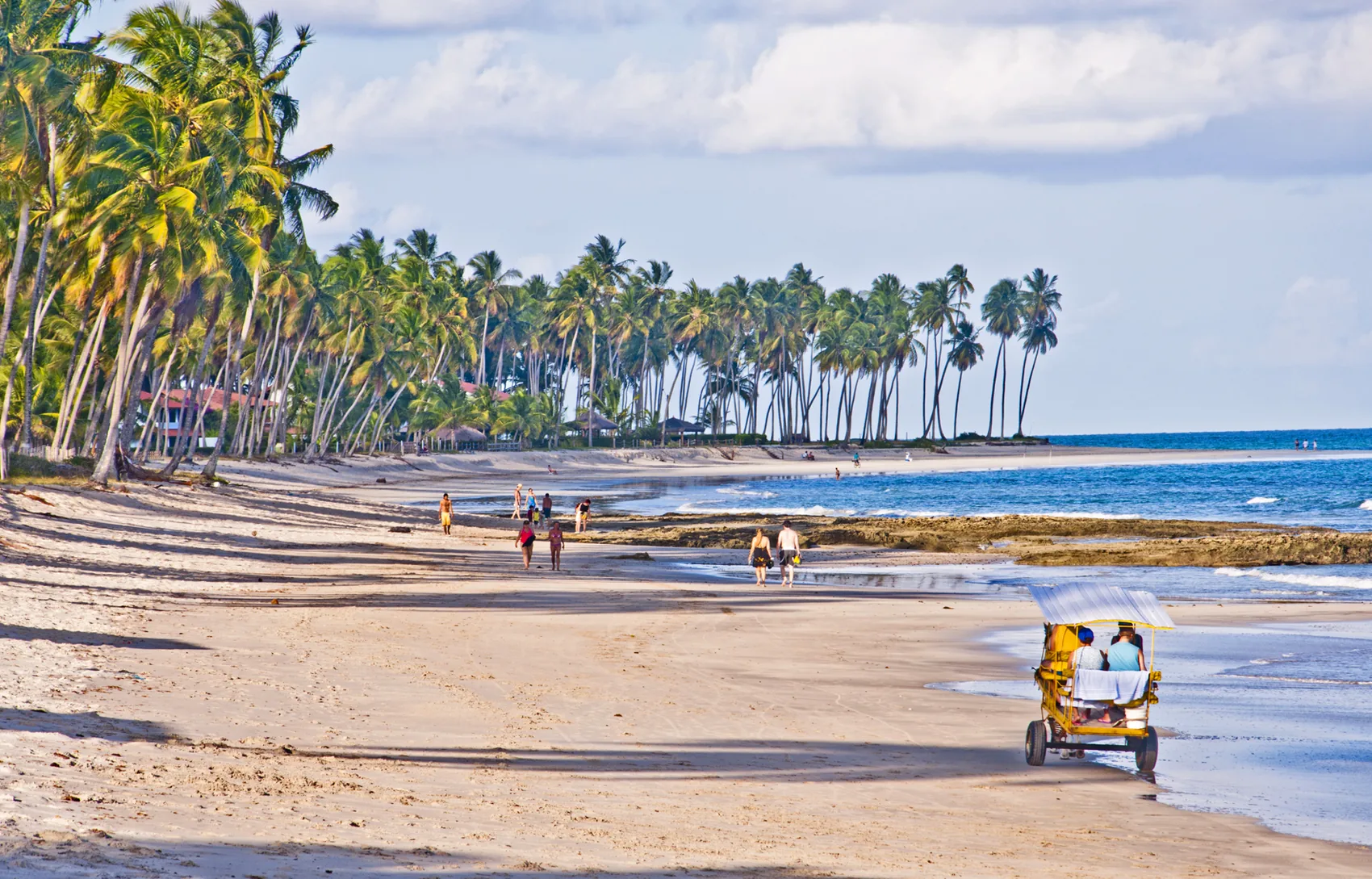
The mindset: what slow luxury means here
Paraty does not reward the kind of luxury that is about doing the most. There is no marina of superyachts, no strip of designer flagships, no rooftop scene. The expensive thing here is space and quiet and time — a private cove with no one else in it, a long lunch that runs to three courses and two hours, a sunset you watch from your own terrace instead of from a crowded viewpoint. The most affluent weekend you can have in Paraty looks, from the outside, almost lazy.
That is the mindset to bring. Plan the logistics tightly — the boat, the table, the transfer — and then leave the days loose. Build in afternoons with nothing in them. Let one good experience be the whole point of a day rather than the first of four. The town is so compact that you are never far from anything, which tempts people into packing it; resist that. The guests who go home most rested and most in love with the place are the ones who treated their itinerary as a menu, not a schedule.
The luxury here is subtraction. Pick three things, do them slowly, and let the bay set the pace.
Two practical principles follow from this. First, base yourself once and never move. Everything — the bay, the beaches, the waterfalls, the old town — radiates out from a single point, so you can day-trip in every direction and still sleep in the same bed. There is no reason to split a long weekend across two hotels. Second, put your most weather-dependent plan, the boat day, on the clearest forecast you get, and keep the rest flexible enough to swap around it. Paraty does its best work when you let it.
The best season for a long weekend
Timing matters more for a short trip than a long one, because you have fewer days to absorb a run of bad weather. The good news is that Paraty has a genuinely reliable season.
The dry winter, roughly June to August, is the steadiest stretch of the year: warm but not punishing days, often in the mid-twenties Celsius, cool evenings that can want a light layer, the clearest underwater visibility for snorkelling, and far fewer rainy days than summer. For a long weekend where you cannot afford to lose your one boat day to a storm, winter is the safe, comfortable choice. The trade-off is a cooler sea and shorter daylight, and one busy week: the international literary festival, FLIP, usually falls in July (in 2026 it runs late July, though dates move year to year, so check the current calendar before you book). FLIP fills the town with people and pushes up prices — wonderful if you want the buzz, worth dodging if you want the calm.
The shoulder months — April to May and September to October — are the connoisseur's pick for an upscale weekend: warm water still, thinner crowds, lower rates, and a town that feels almost private. The summer (December to March) brings the warmest sea and the most life but also the heaviest afternoon rain and the biggest holiday crowds, peaking over the Brazilian summer break and Carnival, when the small centre fills and prices climb hardest. None of these seasons is wrong; they simply suit different weekends. The full month-by-month breakdown is in our best time to visit Paraty guide.
Friday: arrive, and don't do anything
The single best decision you can make is to arrive on Friday afternoon and plan nothing for the rest of the day. Paraty is about four hours from Rio and around five from Sao Paulo on the BR-101 Rio-Santos road, and however you travel it, you will arrive with road behind you. Do not try to redeem the day with a packed evening. Settle in instead.
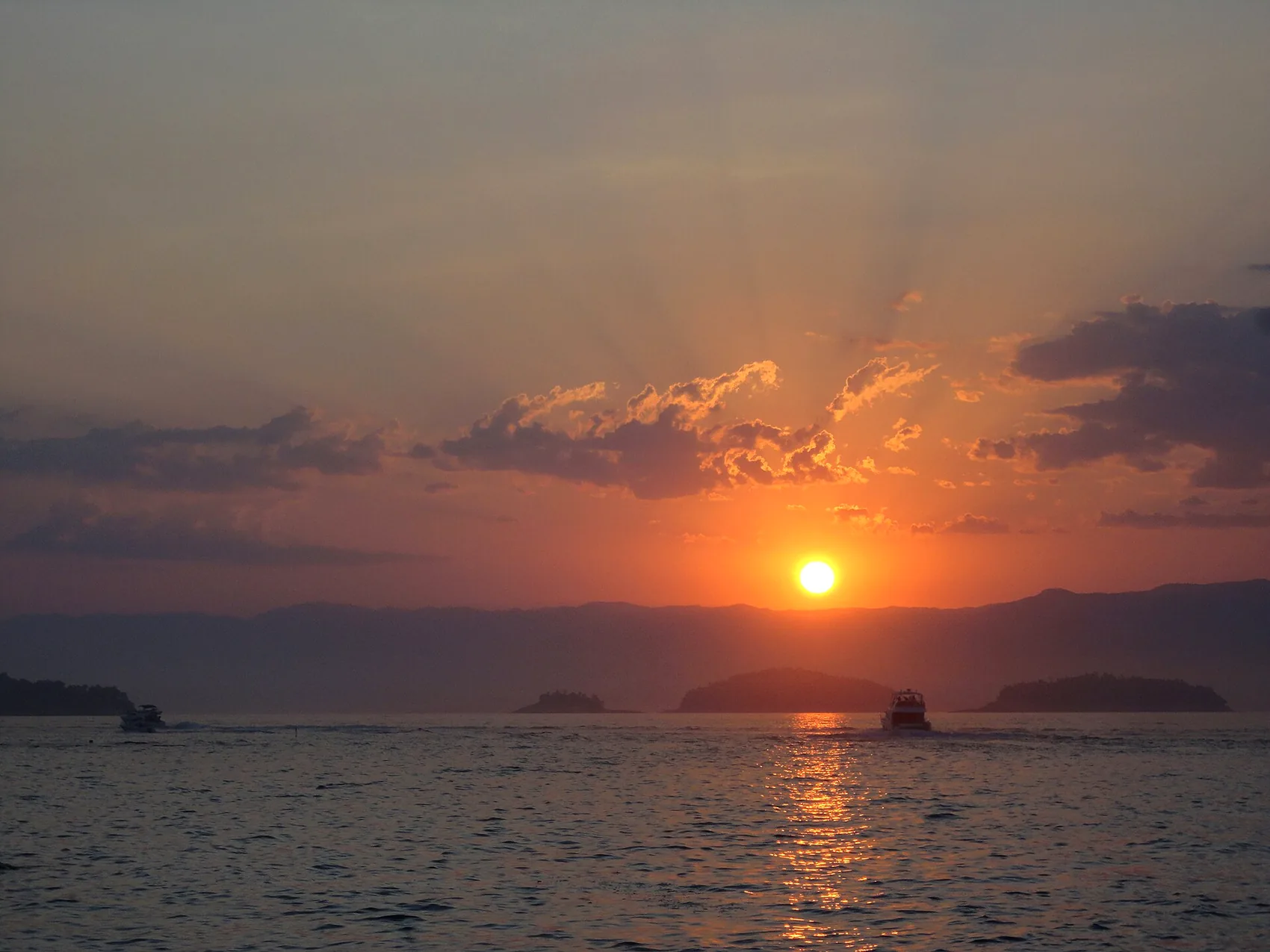
From a hillside base, the arrival itself does a lot of the work. The drive up out of town climbs through forest, and then the view opens: the bay below, the islands, the long blue ridge of Ilha Grande on the horizon, Angra dos Reis off to the side. We point new guests at the terrace and the pool and tell them to stay there. Watch the light go. The sun setting over the Costa Verde from four hundred metres up is, frankly, the reason to be on the ridge rather than in the centre, and it is best enjoyed on your first evening when you have nothing to compare it to yet.
For dinner on a Friday, keep it simple and close. A relaxed meal where you are staying, or a short trip down into the historic centre for your first taste of it after dark, is plenty. Have one proper caipirinha made with real local cachaca — it is a different drink from the version you get at airports — and go to bed early. You are banking sleep and easing into the pace. Tomorrow is the big day, and it starts on the water.
Saturday: the private boat day
If you do one thing in Paraty, do this. A day on the bay is the experience that separates people who visited Paraty from people who merely drove through it, and for an upscale weekend, the way to do it is a private charter rather than the group schooner.
Here is the difference. The big wooden schooners (escunas) are sociable and inexpensive: a few dozen passengers, music, a bar, a fixed loop of the inner bay with set swimming stops. They are genuinely fun and we never talk anyone out of one. But you follow their route and their clock. A private charter — a small motorboat, a lancha, hired for the day with a skipper — flips that entirely. It is your route, your pace, your choice of which cove to linger in and which to skip. Charters typically run around four to six hours, comfortably fit a small group, and can be arranged so the day is shaped around you. For a weekend built on slow luxury, the private boat is the obvious call, and we are happy to organise one for guests — a full breakdown of how a day on the water actually works is in our boat days guide.
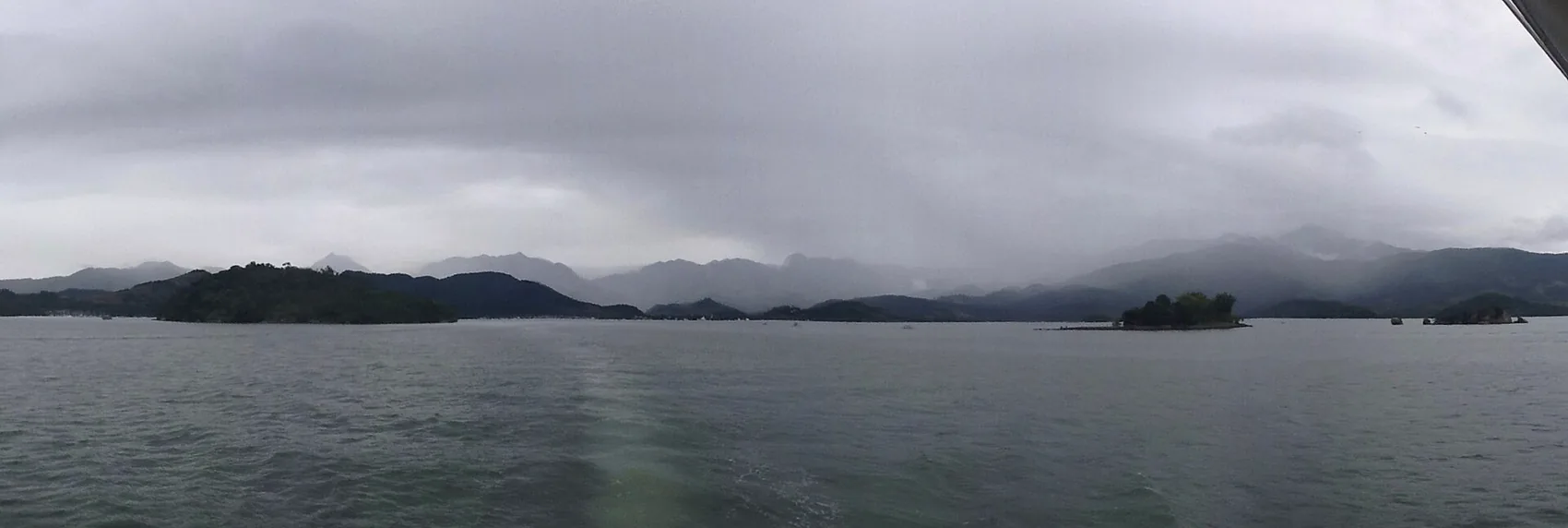
The shape of a good charter day is consistent even though the exact stops shift with tide and weather. You leave mid-morning, motor out past the old fort, and take a warm-up swim somewhere sheltered. Then you work your way between a handful of islands and coves — the bay holds dozens of islands, and your skipper will read the conditions and the crowds to find the quiet ones. There is usually a snorkelling stop over rocks busy with fish, a long anchorage where you simply swim and laze, and, if you want it, a seafood lunch behind a beach or at one of the island restaurants. The day ends with a last swim on the way home in the soft late light.
A few things make the difference between a good charter and a great one. Ask your skipper for the calmer, less-trafficked stops rather than the standard circuit — the whole advantage of going private is that you can. Bring more sun protection than you think you need, plus a hat and a light layer for the wind on the water. Bring cash for any beach kiosk or island lunch. And do not over-schedule the return: leave the afternoon open so you can stay out longer if the day is perfect, which it often is.
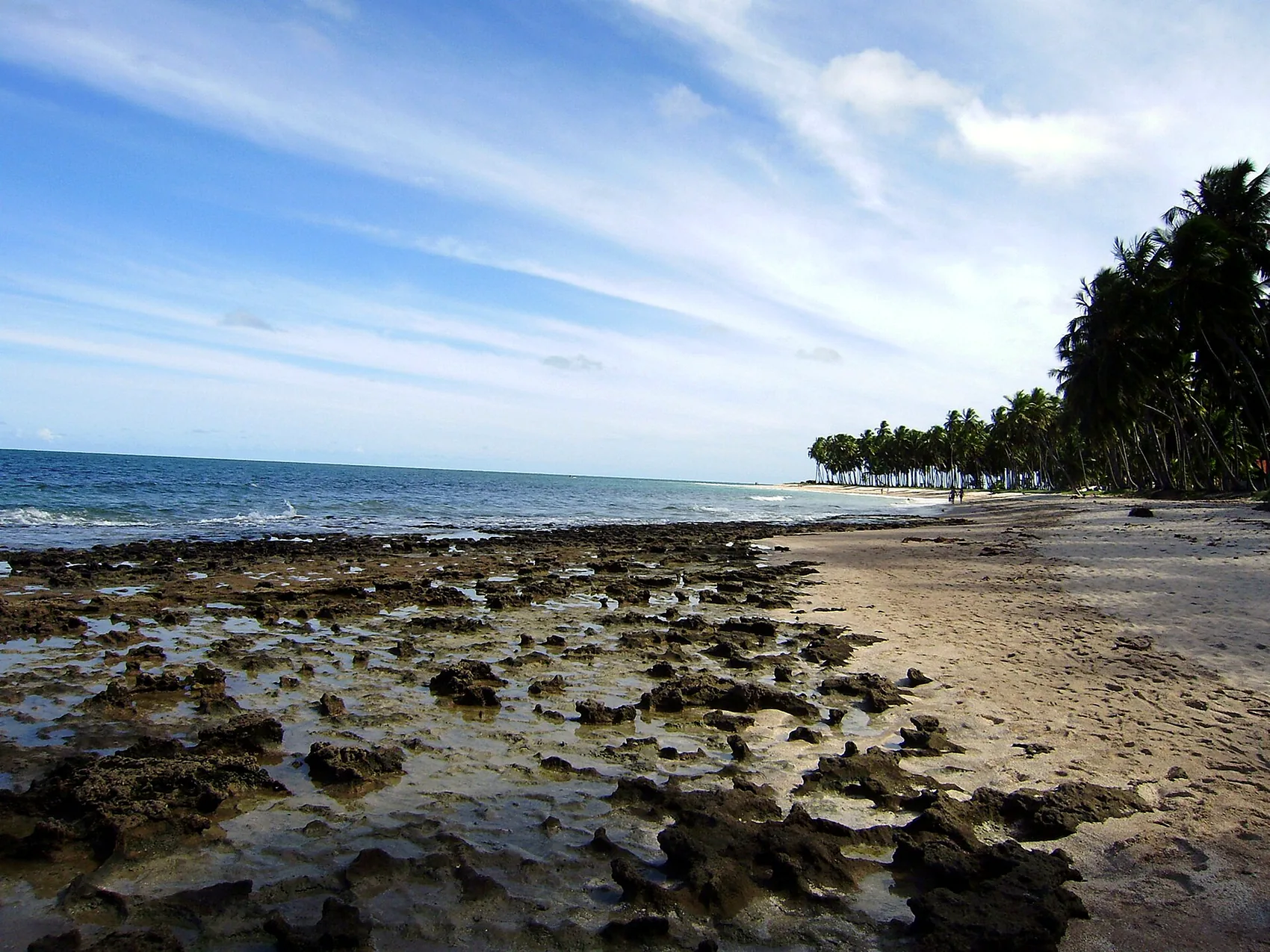
One honest note on ambition. People sometimes ask whether they can fold Ilha Grande, the big car-free island on the horizon, into a weekend boat day. You can technically reach it, but it deserves its own overnight and trying to bolt it onto a charter turns a relaxed day into a long transit. On a long weekend, we steer guests toward the inner bay and save Ilha Grande for a longer trip. If your heart is set on it, read the crossing logistics first; otherwise, let the bay be enough.
If you'd rather go quiet than go far
Not everyone wants a full day of motoring and swimming stops. An alternative, gentler water day is to spend the morning paddling. Stand-up paddleboards and kayaks on the calm inner water at first light, before the wind comes up, give you the bay at its stillest and most private — a slow, low-key way to be on the water that suits couples and anyone who wants the scenery without the schedule. You can do this and still keep a short charter in the afternoon, or simply let the quiet morning be the whole of it.
The historic centre, at its best hours
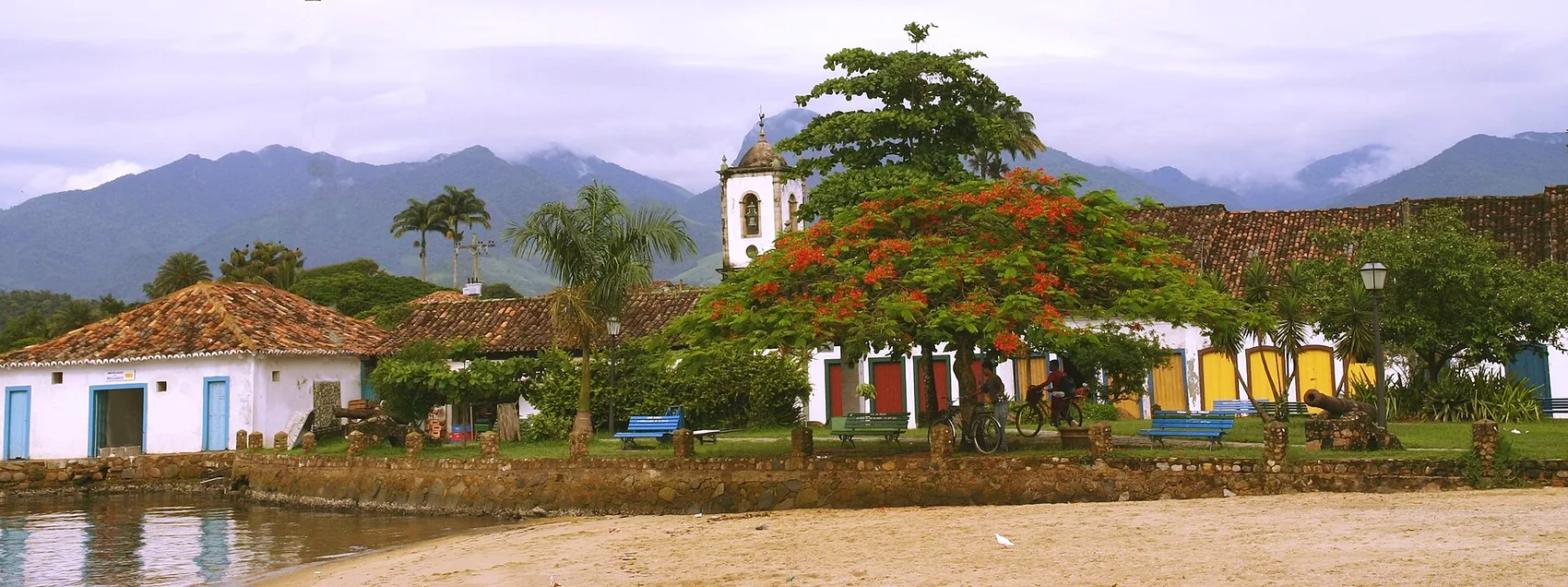
Paraty's colonial core is a UNESCO-listed treasure — the town and Ilha Grande together became Brazil's first mixed World Heritage Site in 2019 — and most visitors see it at exactly the wrong time, in the flat heat of midday when the day-trip coaches have arrived. The centre is beautiful, but it is beautiful at the edges of the day. Give it those hours and skip the middle.
Go early, soon after the centre wakes. The light is soft and white, the shutters are bright against the pale walls, the big irregular cobblestones are often still damp from the night tide, and you can have whole streets nearly to yourself before the buses come. The colonial grid is closed to cars, so there is nothing to do but wander. Let the streets pull you around. The little white waterfront church and the larger main church on the central square anchor the town, but the pleasure is less in the monuments than in the texture: the doors and windows picked out in strong colours, the worn stone underfoot, the glimpses of the bay at the ends of the streets.
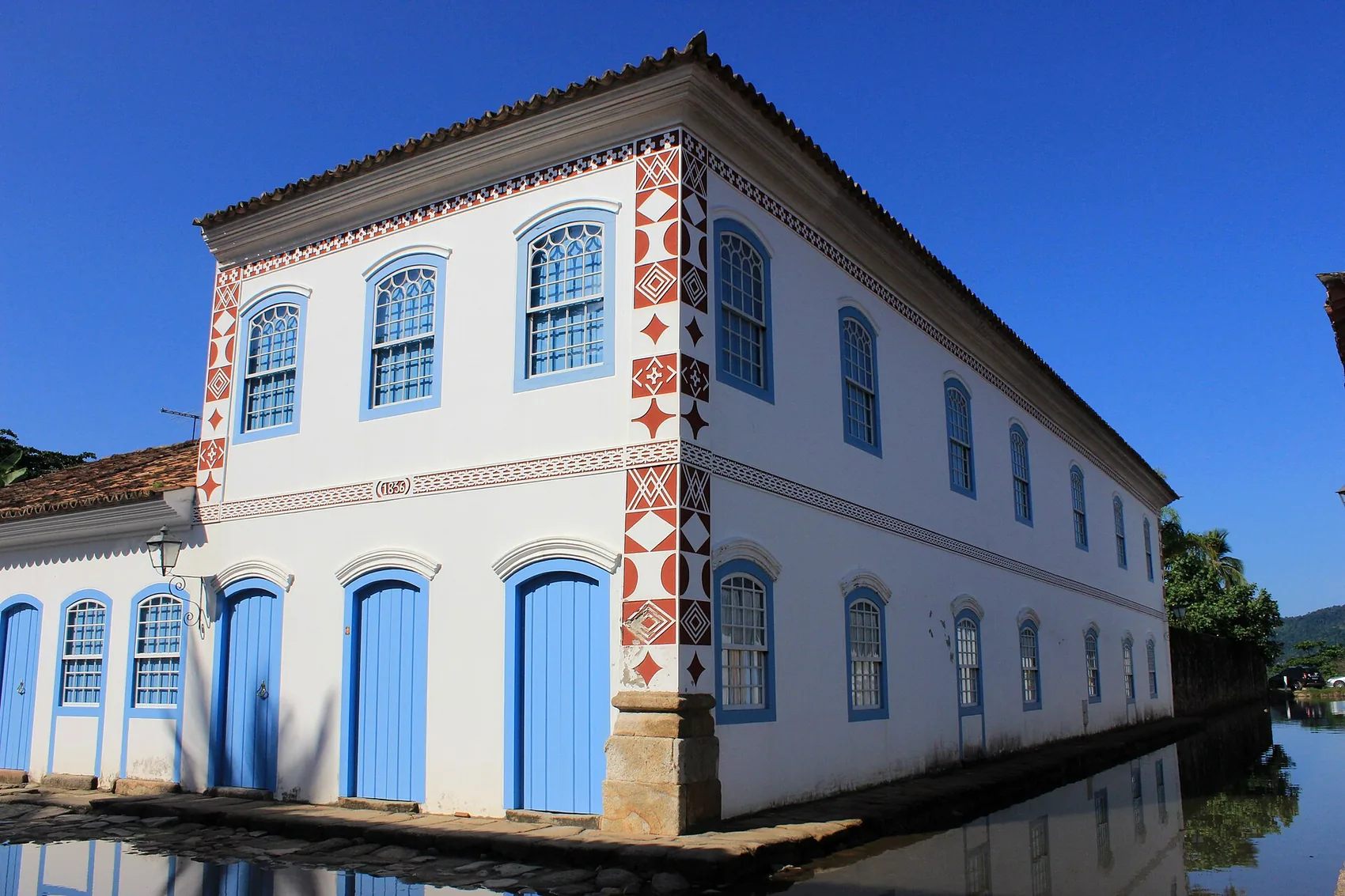
Then go again in the evening, which is the centre's other magic hour. As the day-trippers leave and the lanterns come on, the town softens and fills with music drifting out of small rooms. This is when you eat, slowly and late — Brazilian dinners run well past eight — at a candlelit table outdoors. Between those two hours, in the heat of the early afternoon, you are far better off back at the pool than trudging the cobbles with the crowds. That is the rhythm: town in the cool, rest in the heat.
Two practical things. The cobblestones are no joke — large, uneven and ankle-testing — so wear flat, grippy shoes and leave the heels at home. And keep an eye on the tide, because Paraty's strangest charm is the way the highest spring tides slide in through gaps in the old seawalls and turn the lowest streets into shallow mirrors. It is deliberate, an 18th-century street-cleaning trick, and on a full-moon high tide it briefly floods the centre into a reflection of itself. If your dates line up with it, go and see it; if not, it is a reason to come back.
The food and the cachaca
Paraty eats and drinks far above its size, and on a luxury weekend the meals are not an afterthought — they are some of the main events. We will describe what to seek out rather than name specific restaurants, because the good places shift and the worst thing we could do is send you to a recommendation that closed last season. Ask us when you arrive and we will point you at the right table for the night you want.
What to eat
The coast shows up on the plate as seafood: fish grilled simply off the day's boats, prawns, and above all moqueca, the slow seafood stew of coconut milk, palm oil, tomato, onion and coriander that is the great dish of this coast. A good moqueca, brought to the table still bubbling in its clay pot and spooned over rice, is the single dish to make sure you eat at least once. Order it for two, take your time, and have it with a cold beer or a glass of something white.
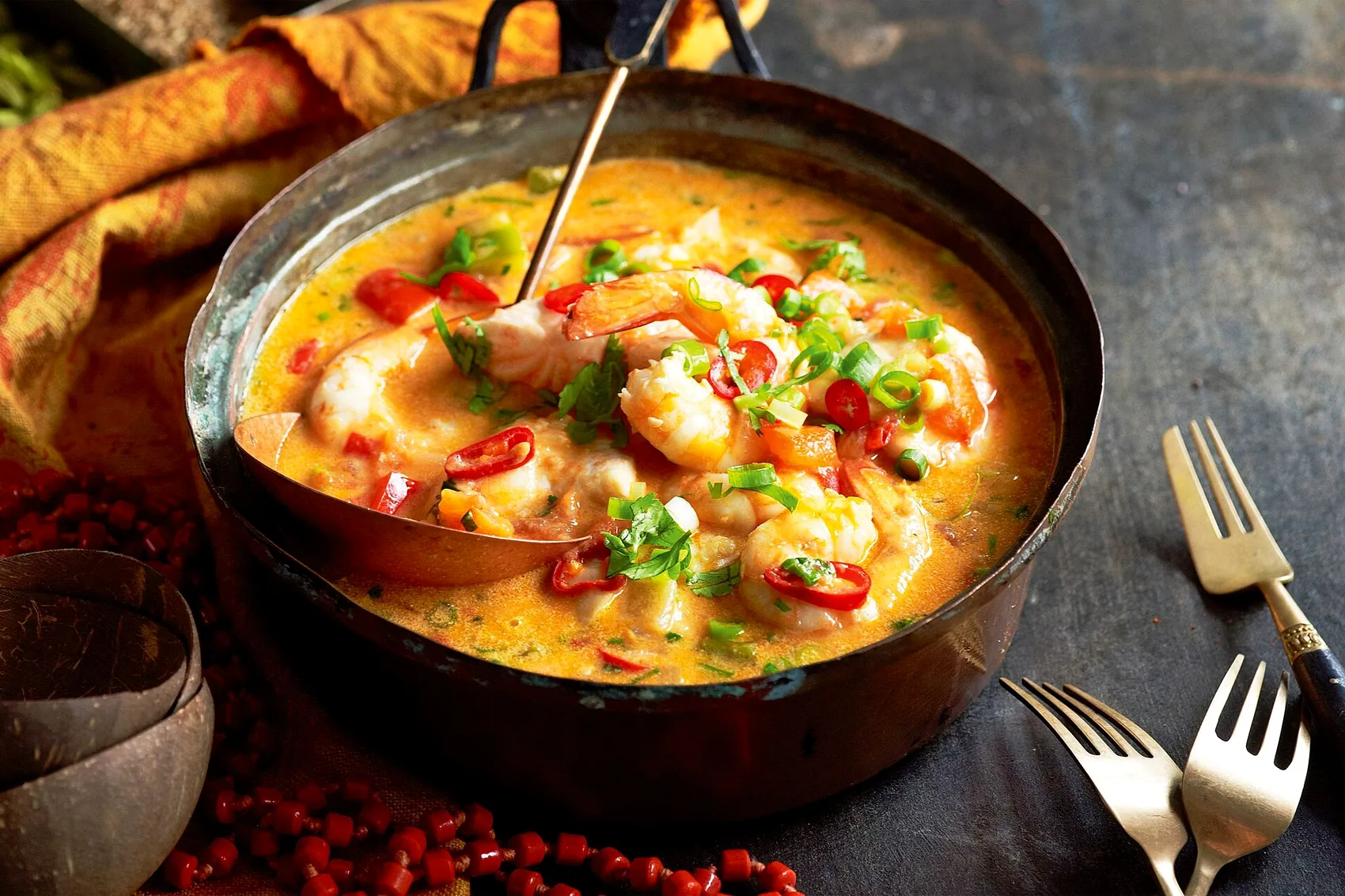
Beyond moqueca, look for whatever fish came in that morning, often offered grilled whole or in fillets with simple sides; prawns done a dozen ways; and the inland Brazilian classics that appear here too, like a slow weekend feijoada. Breakfasts and markets are their own pleasure — the tropical fruit on this coast is extraordinary, and a morning spread of papaya, mango, passion fruit and fresh juices is a fine way to start a slow day. For the fuller picture of where and what to eat, our complete guide goes deeper; for the weekend, the rule is simple: eat the seafood, eat it late, and don't rush.
Cachaca, properly
Long before it was a tourist town, Paraty was a sugar-and-spirit town, and its name was once so bound up with the trade that "parati" was slang for cachaca across Brazil. The artisanal distilleries in the hills behind town are the direct descendants of that history, and visiting one is both a tasting and a small history lesson. At a distillery you can compare the clear, grassy young spirit against the rounder, barrel-aged versions meant to be sipped slowly like a good rum — a genuine spectrum most people never knew existed, because the cachaca that leaves Brazil is mostly the cheap industrial kind.
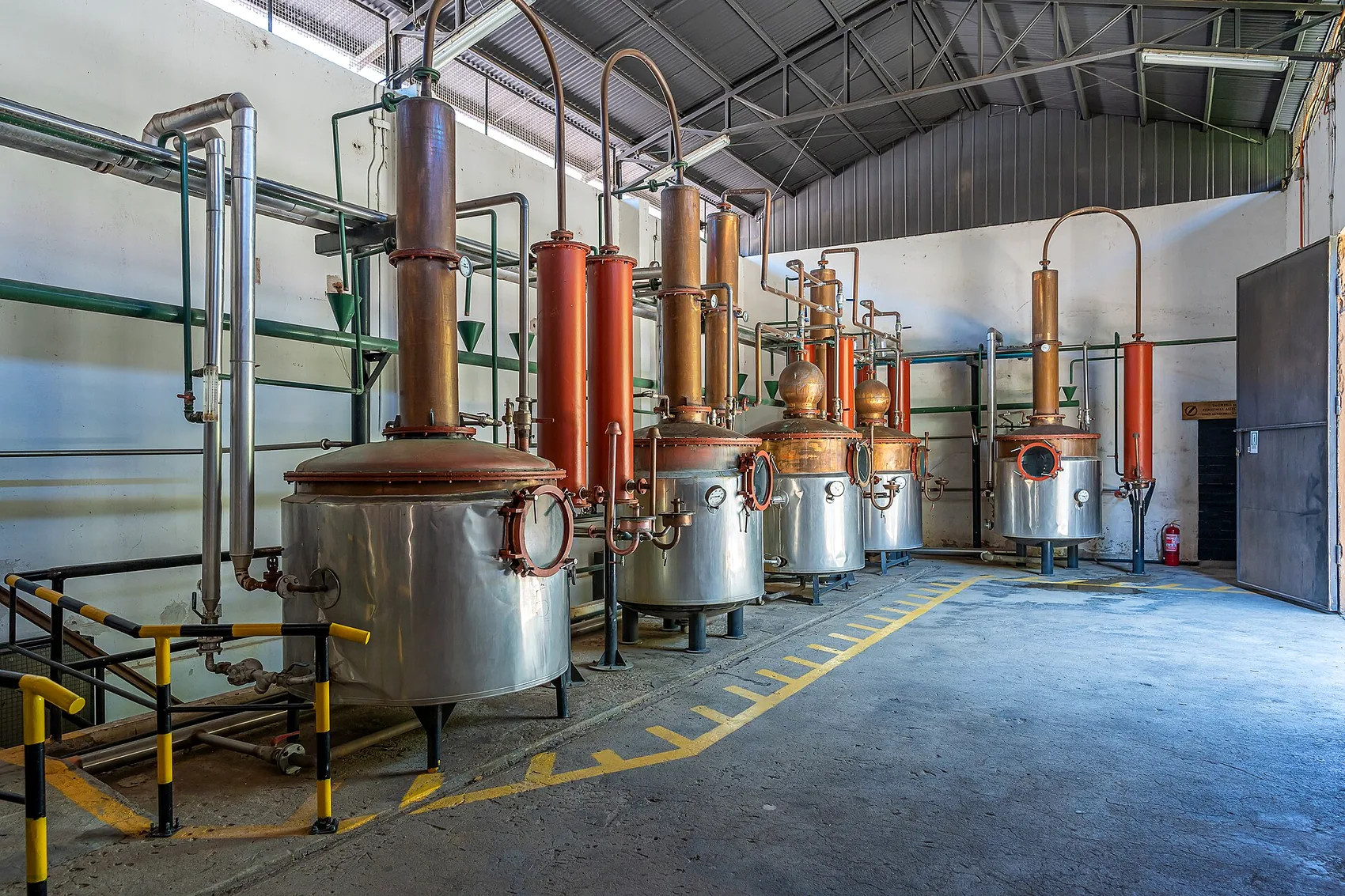
You can fold a tasting into your forest morning (more on that below), since the distilleries sit on the same road into the hills as the waterfalls and the old Gold Trail. Or treat it as its own short outing. Either way, buy a bottle of the aged stuff you liked — it travels well and makes the best souvenir of the trip — and learn what a real caipirinha tastes like before you go home. Made with genuine local cachaca, fresh lime and just enough sugar, it is a world away from the version you have had elsewhere.
Real cachaca is to the airport stuff what a good single malt is to supermarket whisky. Taste the difference once and you can't unlearn it.
A forest and waterfall morning
Turn inland and Paraty changes completely. Behind the town the Atlantic Forest of the Serra da Bocaina rises steeply, full of waterfalls, swimming holes and old stone trails, and a single morning in it is the perfect counterweight to a day on the salt water. This is the third pillar of a good weekend, and it pairs naturally with the cachaca tasting because the road into the hills holds all of it.
The classic stop is the Cachoeira do Tobogã, a natural rock waterslide where locals surf the wet stone standing upright — a feat best watched and applauded rather than attempted; if you slide at all, do it sitting down. Nearby is a deeper pool with a rope swing. These are easy to reach, often just a few minutes' walk from the road, and they get busy, so go early. The same forest road passes surviving stretches of the Caminho do Ouro, the stone-paved Gold Trail that once carried gold down from the mines of Minas Gerais to Paraty's harbour in the 18th century, when this was a working colonial gold port. Walking even a short section of it, under the canopy, with the original paving underfoot, is a quiet, atmospheric thing to do.
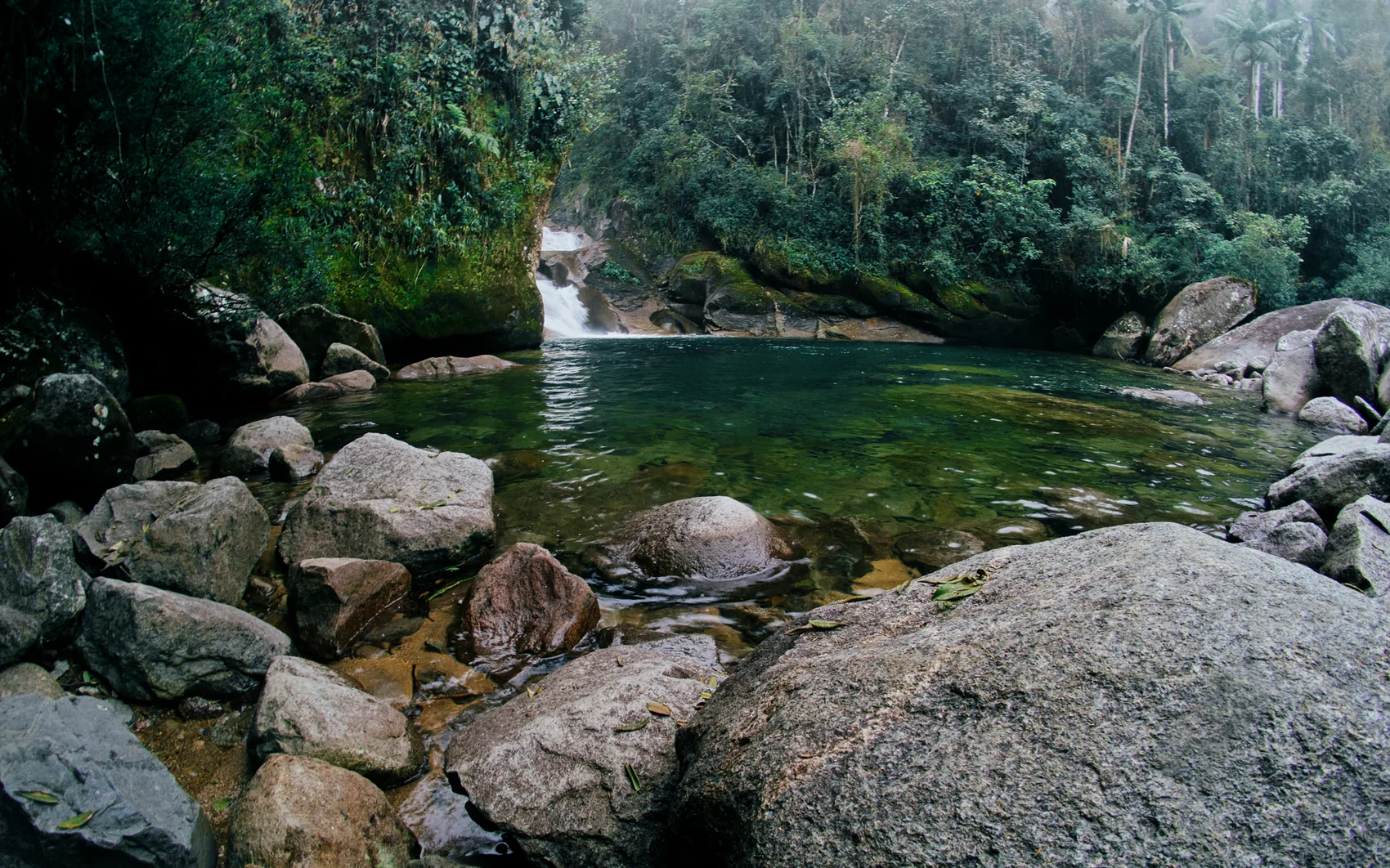
For a luxury weekend, the easiest way to do all this is with a private guide or driver for the morning, so you are not navigating rough roads yourself and can simply move from waterfall to trail to distillery and back in time for lunch. Keep it to a morning. The forest is best early, before the heat and the day-trip groups, and you will want the afternoon free. A couple of safety notes that matter: the rocks around the waterfalls are slippery, water levels rise fast after rain, and the wet stone of the slide is genuinely dangerous to stand on if you don't know it — watch the locals, don't copy them. Bring shoes that can get wet and grip, and don't bring anything you mind dropping in a pool.
Downtime: the pool, the view, the doing-nothing
This is the part people forget to plan, and it is the part that makes a weekend feel like a holiday rather than a tour. On a three- or four-day trip, you should have at least one long stretch — a whole afternoon, ideally — with absolutely nothing scheduled.
From a hillside chalet, downtime has a view built into it. The reason to stay up on the ridge rather than down in the centre is exactly this: an infinity pool and a terrace looking out over the triple sweep of Paraty bay, Angra dos Reis and Ilha Grande, where you can spend an afternoon swimming, reading, dozing and watching the light change without going anywhere at all. The centre's charming little pousadas cannot give you this; it is the trade-off you make for the ten-minute drive into town. For couples especially, an afternoon by the pool with the whole coast laid out below is worth more than any third excursion — which is the thinking behind our honeymoon in Paraty guide.
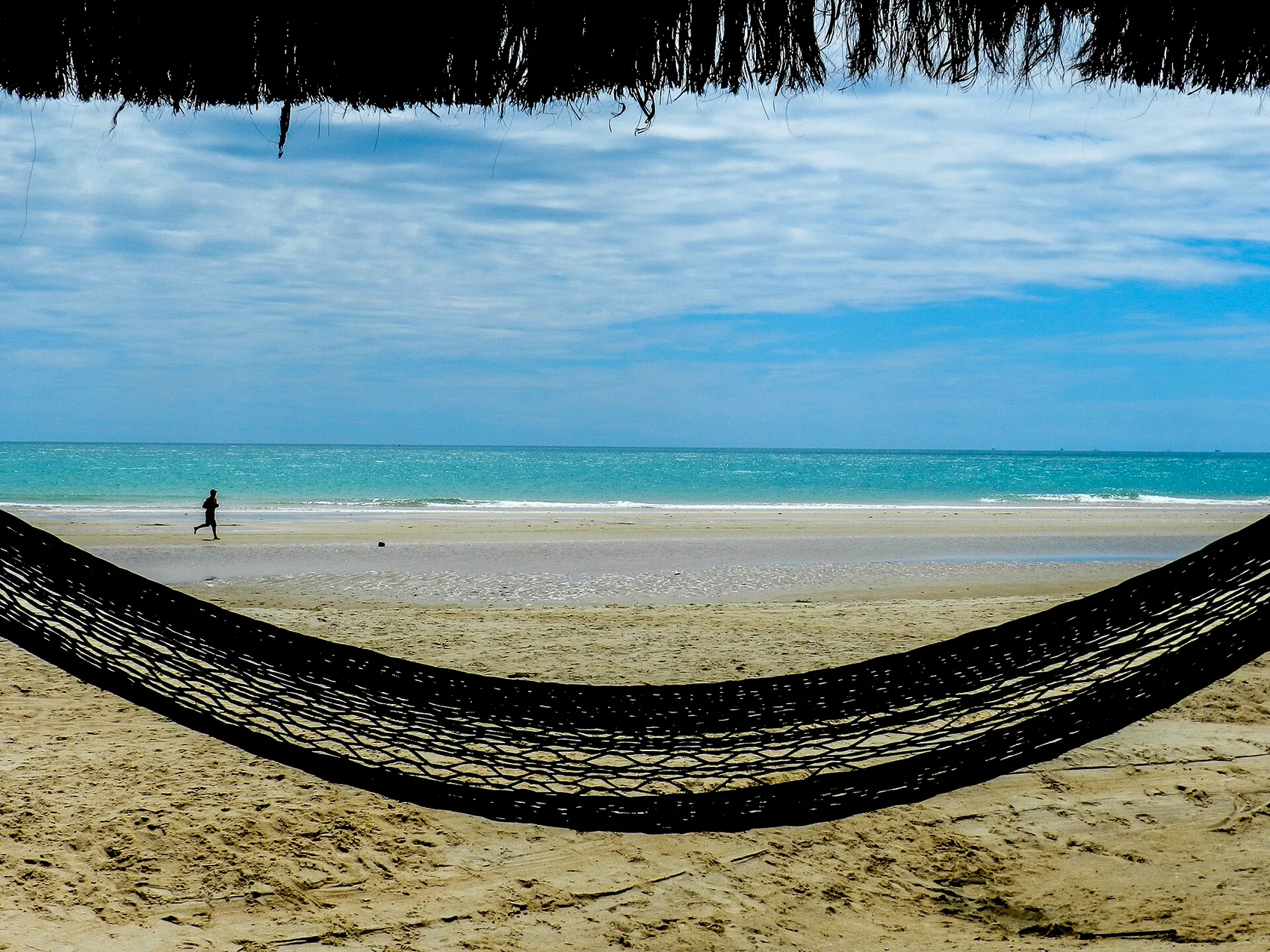
The discipline is simply to protect the time. It is tempting, when everything is close and the town is charming, to keep adding outings. Don't. A weekend with a deliberate empty afternoon in it always feels longer and richer than one crammed to the edges. Read on the terrace. Have a long lunch and don't get up. Watch the schooners come back across the bay in the late light. That unhurried, slightly indulgent emptiness is the actual luxury, and Paraty, of all places, is built to deliver it.
Sunsets from altitude
It is worth treating sunset as its own small event each day, because Paraty's are exceptional and the best ones are seen from height. Down at sea level the surrounding hills cut the light short; up on the ridge the sun goes down over the whole bay, the islands turning to silhouettes and the water to copper and then to dark. We tell guests to be back from wherever they are by late afternoon at least once, with a drink poured, simply to watch it.
If you want a sunset out in the landscape rather than at home, the old hilltop fort above the town catches good evening light over the rooftops and the water, and a quiet beach at the right hour does the same at sea level. But honestly, for a weekend, the home sunset is the one to build a ritual around — caipirinha in hand, nothing on the schedule, the day's salt still on your skin. Do it every evening you can. It is free, it is different each night, and it is the memory most guests carry home.
A sample rhythm for three or four days
You do not need a minute-by-minute plan — that runs against the whole spirit of the weekend — but it helps to see the shape. Here is the loose order we suggest, to be shuffled around the weather. For an hour-by-hour version, our three-day Paraty itinerary lays it out in detail.
- Friday — arrive and settle. Reach Paraty in the afternoon, go straight to your base, and do nothing but watch the first sunset. An easy dinner close to home. Early night.
- Saturday — the water. The private charter: out mid-morning, islands and coves, a swim, a snorkel, lunch behind a beach, home in the late light. A quiet dinner in the historic centre afterward.
- Sunday — town and forest, split by rest. The colonial centre early while it is cool and empty; back to the pool through the heat of the day; the forest, waterfalls and a cachaca tasting either this morning or the next, depending on your energy. A long, late seafood dinner.
- Monday (if you have it) — slow and loose. A paddle on the calm morning water, or simply a long breakfast and an empty afternoon by the pool before you drive out. Leave wanting one more day — everyone does.
Swap the boat day to whichever day has the best forecast; that is the only fixed rule. Everything else bends. And if a grey morning arrives, that is exactly the day for the old town, a long lunch, a distillery and the indoor pleasures, which handle rain perfectly well.
Practical notes for an upscale weekend
- Book in the right order. Secure the villa and the private boat first, then arrange transfers, a guided forest morning and any special tables around them. The boat and the bed are the scarce things in high season.
- Arrange your transfer. A private transfer from Rio or Sao Paulo lets you relax on the long drive and arrive ready, rather than navigating the coast road yourself. A rental car is useful if you want to roam the down-coast beaches and the forest under your own steam; in town itself you never need one.
- Carry some cash. Cards work in town, but boat lunches, beach kiosks and smaller distilleries often want Brazilian reais (R$) in hand.
- Pack for the texture. Flat, grippy shoes for the cobbles; shoes that can get wet for the waterfalls and boat; a light layer for cool winter evenings and the wind on the water; more sun protection than you expect.
- Protect the boat day. Watch the forecast and keep that day movable. Everything else is weatherproof; the bay is not.
- Let us help. Charters, guides, transfers, the right dinner table for the night you have in mind — these are the things we set up for guests so the weekend runs without friction. Just ask us, and browse the resources for more on planning your trip.
Who this weekend suits
The slow-luxury long weekend flexes to fit. Couples lean into the quiet coves, the candlelit dinners and the sunsets, with a paddle at first light and a deliberately empty afternoon — the version the honeymoon guide is built around. Small groups and families with older children get the most out of a private charter and a villa with a pool, where the days can run at different speeds without anyone having to compromise. Anyone celebrating a milestone — an anniversary, a big birthday — will find Paraty does understated occasion beautifully: a private boat, a long table of seafood, a sunset from the ridge, no fuss and no crowd. The common thread is that this is a weekend for people who measure a good trip by how rested and how moved they felt, not by how much they ticked off.
What it suits less well is a pack-it-in, see-everything temperament. Paraty can be done at speed, but it punishes it — you spend the days in transit and miss the thing that makes the place special, which is the unhurried texture of it. If that is your style, a longer stay that earns the extra ground is the better answer than a fast weekend. For most people, though, three or four slow days are not a compromise. They are exactly enough.
The last word
A luxury long weekend in Paraty is not about access to anything exclusive. It is about giving a small, perfect place the slow attention it asks for: one day on the water that you shape yourself, the old town in its golden hours, the best of the seafood and the cachaca, a cool morning in the forest, and long stretches of doing nothing with one of Brazil's loveliest views in front of you. Plan the few things that need planning, then let the bay set the pace. From up on the ridge, watching the last schooner cross the water as the light goes, three days feels like plenty — and not nearly enough. When you're ready to turn this into an hour-by-hour plan, the three-day itinerary is the next thing to read.
Come stay above the bay
Chalé Bel Air sits on the ridge that looks over everything in this guide. Tell us your dates and what kind of trip you are after — we answer personally.
Ask about your datesFrequently asked questions
Is a long weekend enough time for Paraty?
Yes. Three nights is the sweet spot, and four lets you breathe. The trick is to protect one full day for a boat trip, give the historic centre its best hours rather than the middle of the day, and leave genuine downtime in between. Trying to also fit in Ilha Grande is what turns a relaxing weekend into a rushed one.
When is the best time for a luxury long weekend in Paraty?
The dry winter months of roughly June to August give the most reliable weather, the clearest water for snorkelling and cool, comfortable evenings. April-May and September-October are the quiet shoulder, with warm water and thin crowds. Avoid the Brazilian summer holidays and Carnival if you want the town calm.
Should we charter a private boat or take a schooner?
For a luxury weekend, charter a private boat for at least one day. A small motorboat hired with a skipper, usually for around four to six hours, lets you set the pace, choose the quiet coves and stop where you like. The big wooden schooners are sociable and cheap, but you follow their loop and their timetable. We are glad to arrange a charter for guests.
How far in advance should we book?
For a hillside villa, a private charter and a table on a Saturday night in high season, a few weeks of lead time is wise; over the summer holidays, FLIP week and Carnival, book months ahead. In the quiet shoulder you can be more spontaneous. Booking the boat and the villa first, then arranging everything else around them, is the order that works.
How do we get to Paraty for a weekend?
Almost everyone arrives by road. Paraty is about 236 km and roughly four hours from Rio de Janeiro on the BR-101 Rio-Santos coastal highway, and around five hours from Sao Paulo. There are no scheduled flights. A private transfer or a rental car both work; arrive the afternoon before so your first morning is not spent driving.


.jpg)


