There is no single best time to visit Paraty - there is a best time for what you want. This is the month-by-month version of the advice we give guests every week: what the weather, sea, crowds and prices actually do across the year, and how to match a month to the trip you have in mind.
People ask us this more than any other question, usually phrased as if there were a right answer: when should we come? The honest reply is that Paraty does not really have an off-season, only different seasons, and the best month depends entirely on what you are coming for. The warmest sea and the most life arrive with the summer rain and the summer crowds. The clearest skies and the calmest streets arrive in the cool, dry winter. The best balance of the two sits in the shoulder months that most visitors never think to book.
We watch the year turn from up on the ridge, where the whole bay lays out below us, and the differences between the months are real and visible — the colour of the water, the shape of the afternoon clouds, the number of schooners leaving the pier. This guide walks through all twelve months, then sorts them by the kind of traveller you are, so you can pick your dates with your eyes open. If you want the wider picture first, read it alongside our complete guide to Paraty.
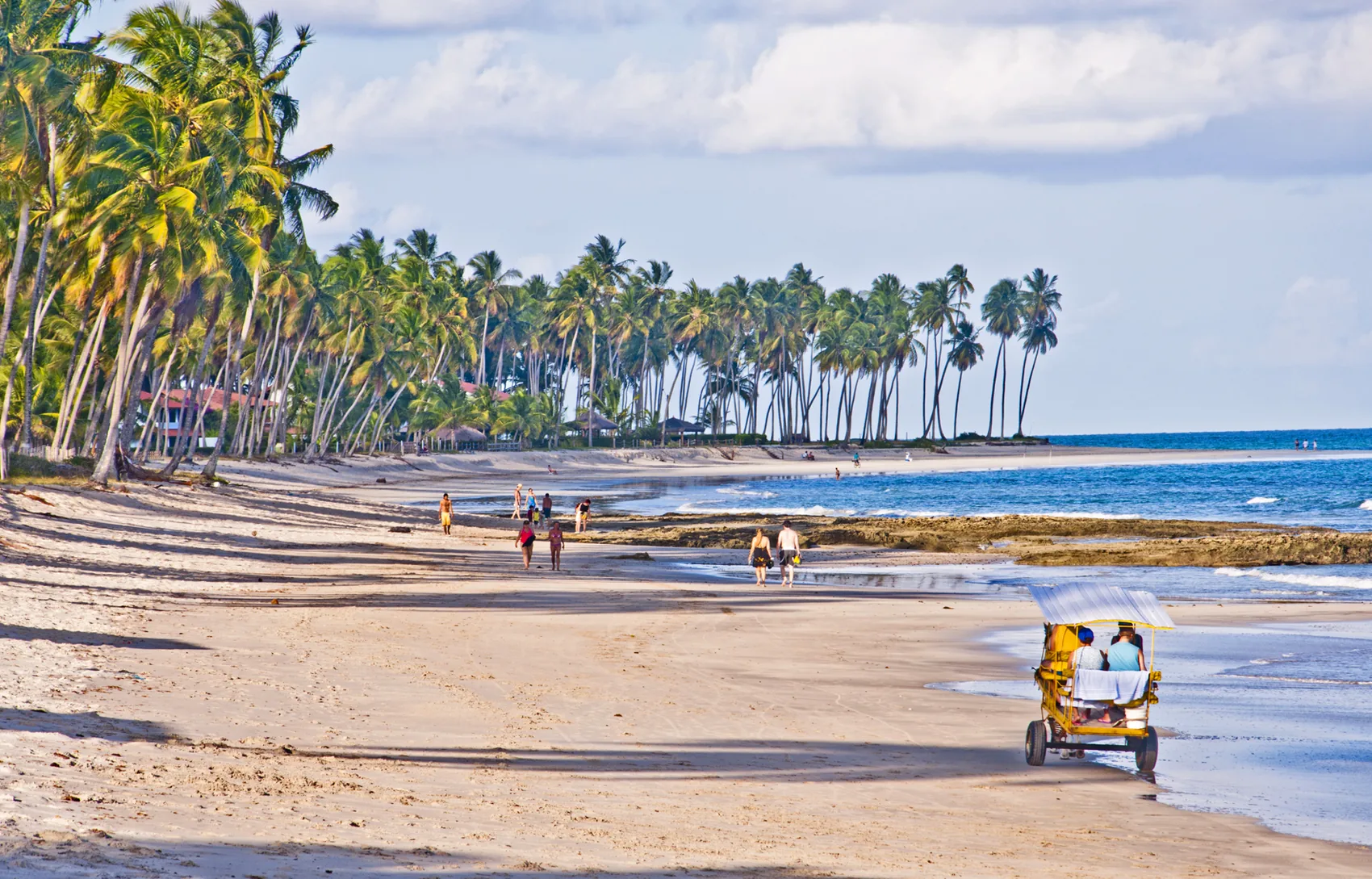
First, the big picture: two seasons, not four
Paraty sits just inside the tropics, on a coast where the Serra do Mar mountains catch the moisture coming off the Atlantic. That geography matters more than the calendar. Instead of a spring-summer-autumn-winter rhythm, the year really splits into two: a hot, wet summer and a mild, dry winter, with two short shoulder seasons bridging them.
- High summer (December to March): hottest air, warmest sea, heaviest rain, biggest crowds, highest prices. This is peak Brazilian holiday season and it includes New Year and Carnival.
- Autumn shoulder (April to early June): the heat and rain easing off, the crowds thinning, the water still warm. One of the two quiet, good-value windows.
- Dry winter (June to August): mild days, cool nights, the least rain and the clearest skies — and, underwater, the best visibility of the year. Calm, apart from the festival dates.
- Spring shoulder (September to November): warming up again, the sea recovering its heat, rain slowly returning, crowds still light until the December rush. The other connoisseur's window.
Temperatures here are gentle compared with much of Brazil. Daytime highs across the year mostly sit between the low 20s and low 30s Celsius, and the sea never drops below swimmable. What really changes month to month is not the heat — it is the rain, the crowds and the clarity of the water, and those three are what this guide tracks.
Understanding the rain before you read a single month
Rain shapes a Paraty trip more than temperature does, so it is worth understanding how it actually behaves — because the word "rainy season" frightens people more than it should.
In the wet summer months, the typical day is not a wash-out. It is a bright, hot morning that builds heat and humidity until, sometime in the early-to-mid afternoon, the clouds pile up against the mountains and let go in a short, dramatic thunderstorm. An hour or two later it has usually passed, the air is washed clean, and the evening is clear. This afternoon-thunderstorm pattern is the rhythm of summer here, and once you understand it you plan around it: do your boat day and your beach in the morning, take the storm as your cue for a long lunch and a siesta, and come back out into a fresh, cooled evening.
The flip side is that summer rain can also settle in for a full grey day, or several, and the rivers and waterfalls run high and fast (beautiful, but not always safe to swim under). The driest months — roughly June through August, with August usually the driest of all — flip the odds: most days are clear, the storms are rare, and the forest, having drunk all summer, is still green. The rainfall difference between the wettest and driest months is large; the wettest summer months can see several times the rain of the driest winter ones.
The practical lesson runs through everything below. In summer, protect your mornings and stay flexible. In winter, you can plan with far more confidence — which is exactly why the dry months are easier on a tight itinerary. We say more about packing for both in our what-to-pack guide.
You do not plan around Paraty's rain by avoiding it — you plan around it by knowing it falls in the afternoon and clears by dinner.
Paraty month by month
Here is the year in order. Treat the temperatures and rainfall as typical patterns rather than promises — every year is a little different, and you should always check a current forecast close to your trip. Festival dates in particular move from year to year, so we give the usual window and tell you to confirm.
January — hottest, wettest, busiest
January is high summer at full volume. It is hot and humid, with daytime highs often in the low 30s Celsius and warm, sticky nights. The sea is at its warmest of the year, around 26–27°C — bath-warm, the best month for long, lazy swimming. It is also the wettest month, usually the rainiest of all, with the afternoon-thunderstorm pattern in full effect and the occasional full grey day.
It is the heart of the Brazilian school summer holiday, so the town is at its fullest and its liveliest, and prices are at their peak. If you want sun-drenched energy, a packed and festive historic centre, and the warmest water for swimming and snorkelling — and you can roll with the rain and the crowds — January delivers. If you want calm and value, it is the month to avoid. Book well ahead for anything in January.
February — Carnival heat
February is much like January: hot, humid, wet in the afternoons, warm-watered. The defining feature is Carnival, which usually falls in February (occasionally early March — the date moves with the church calendar, so check the year you are travelling). Paraty's Carnival is its own thing: street blocos through the colonial centre, giant puppets, and the famous mud-covered Bloco da Lama. The town fills completely for it; rooms book out months ahead and rates climb steeply — often far above normal season prices.
If Carnival is the experience you want, come for it, but commit early and expect crowds and noise rather than calm. If you want a quiet February, aim for the weeks after Carnival, when the town exhales, the crowds thin, and the water is still summer-warm — one of the better-kept secrets of the calendar.
March — summer winding down
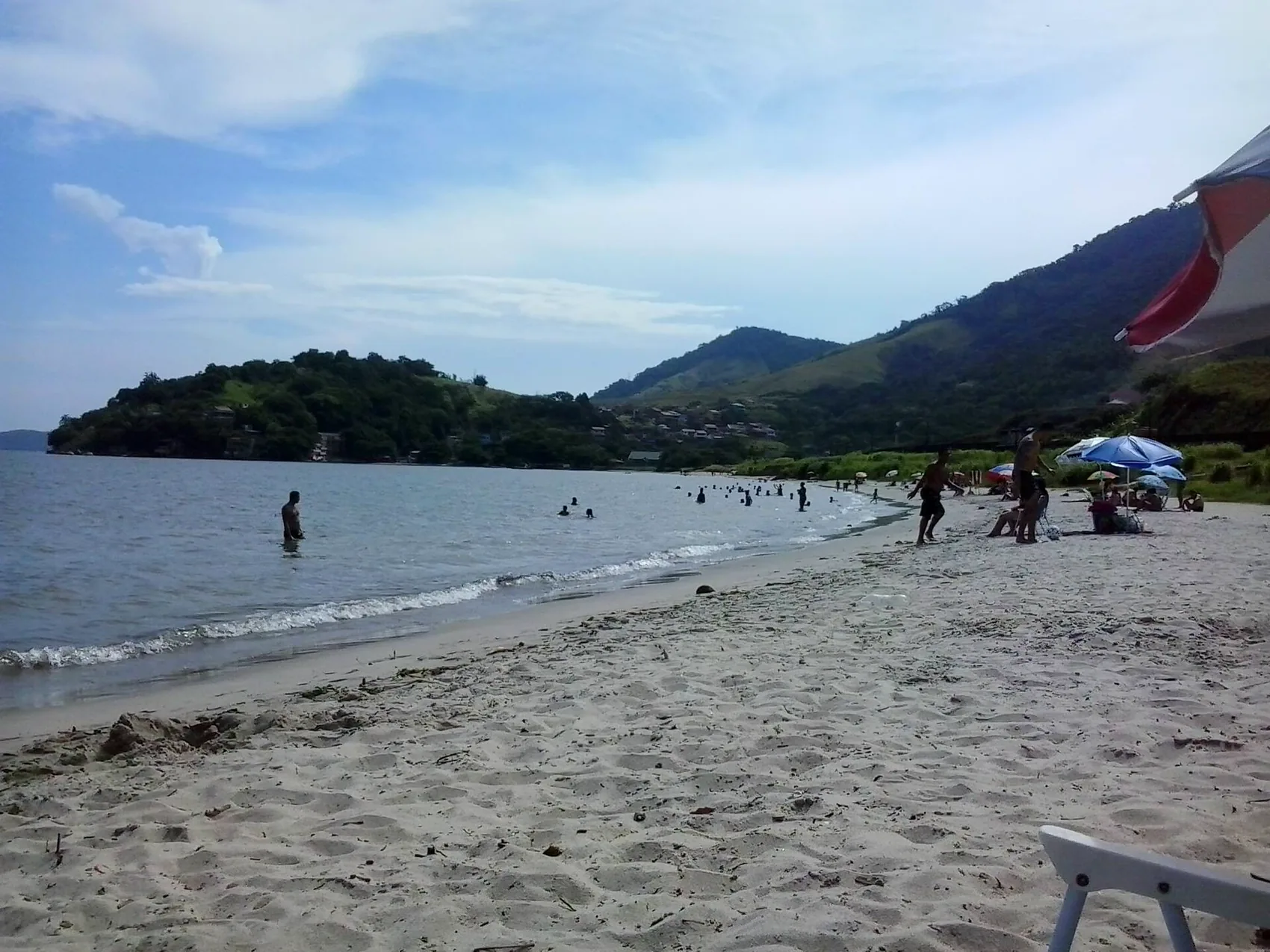
March is the turn. The heat and humidity start to ease off the summer peak, the worst of the rain begins to relent (though afternoon storms still happen), and the sea holds onto its warmth, still around 25–26°C. With the school holidays over and Carnival behind, the crowds drop noticeably, and prices come back down to earth.
For many people March is a quietly excellent month: you still get warm water and largely warm, bright weather, but with far more room and far better value than January or February. If summer swimming is your priority but you don't need the holiday buzz, March is a smart, underrated choice.
April — the autumn shoulder begins
April settles into the autumn shoulder, and it is one of our favourite months to recommend. Days are warm and pleasant rather than oppressive, often in the mid-to-high 20s; rain continues to ease; and the sea is still comfortably warm at around 24–25°C. Crowds are light outside the Easter holiday (Semana Santa, whose dates move — check), and prices are gentle.
This is the connoisseur's Paraty: warm enough for the full beach-and-boat programme, dry enough to plan with confidence, and quiet enough that the historic centre feels like a town again rather than a stage. If you want summer's pleasures without summer's intensity, April is hard to beat.
May — warm, quiet, and the Festa do Divino
May continues the good run: mild, increasingly dry, with the sea cooling slightly but still very swimmable, around 24°C. Crowds remain light and value remains strong, making it one of the best months for a calm, unhurried trip.
May usually brings the Festa do Divino Espírito Santo, Paraty's deepest religious festival, built around Pentecost (so its dates move each year — it often falls in May, sometimes spilling toward early June). For days the town fills with processions, folk music, flag-bearing rituals and a genuine sense of community celebration. It is one of the most authentic cultural experiences on the calendar, far more local than tourist-driven. If you'd like to time your visit to it, confirm the year's dates and book ahead, since it does draw visitors. We map the year's celebrations in our festivals and events guide.
June — winter arrives, clear and calm
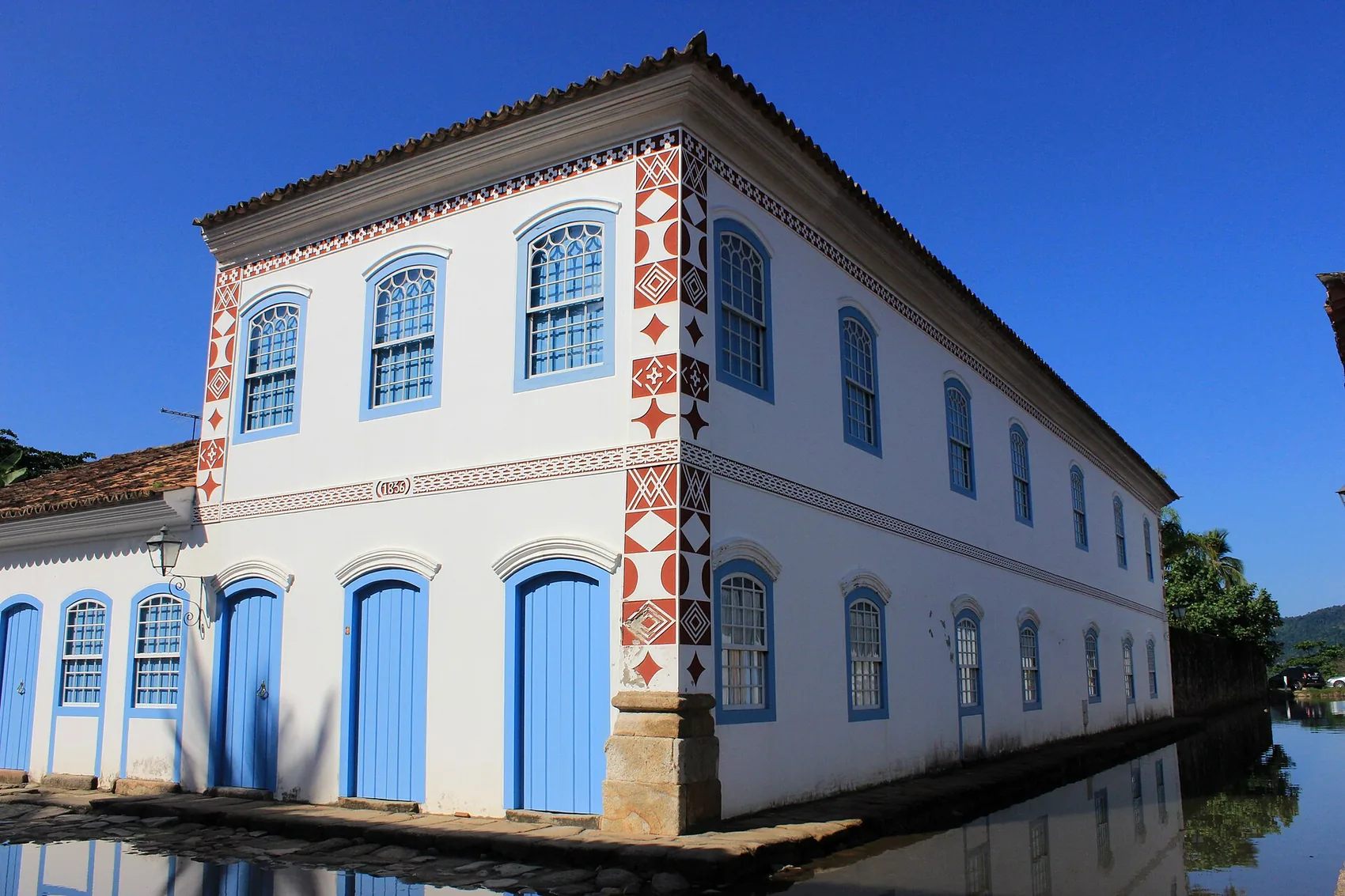
June marks the start of the dry winter, and the character of the place shifts. Days are mild and often beautifully clear, typically in the low-to-mid 20s; nights turn noticeably cooler, sometimes dropping into the low teens, so you'll want a light layer after dark. Rain becomes infrequent, the humidity drops, and the skies open up.
This clarity is the winter prize. With less rain washing sediment off the mountains and into the bay, the water clears, and June begins the best stretch of the year for snorkelling and diving visibility. The sea is cooler now, around 22–23°C — still swimmable, just bracing on entry rather than bath-warm. Crowds are light and prices low, with one big exception: FLIP.
The Festa Literária Internacional de Paraty, Brazil's biggest literary festival, usually lands in the winter — often late June or July, with the exact week moving year to year (in some years it shifts to August), so always check the current dates. For its few days the town transforms: writers and readers from across Brazil and abroad fill the streets, every room is taken, and prices spike. If you love books and buzz, time your trip to it deliberately. If you want winter calm, deliberately avoid its dates. Either way, know when it falls before you book.
July — peak dry season and clear water
July is the heart of the dry winter and, for our money, one of the best all-round months to visit — with one caveat about timing. Days are mild and frequently sunny, nights are cool, rain is at or near its yearly low, and the underwater visibility is at its best. The sea is cool, around 22°C, so swimming is a quick-in, quick-out affair for most, but for snorkellers and divers the trade is worth it: this is when you can see furthest through the bay's green water.
The caveat is that July is a Brazilian school-holiday month, so while it lacks the summer holiday crush, it is busier than June or August, and prices firm up accordingly — especially if FLIP falls in July that year. Plan around the festival dates and the mid-month holiday peak and July rewards you with the clearest, calmest version of Paraty going.
August — driest of all, and the cachaça festival
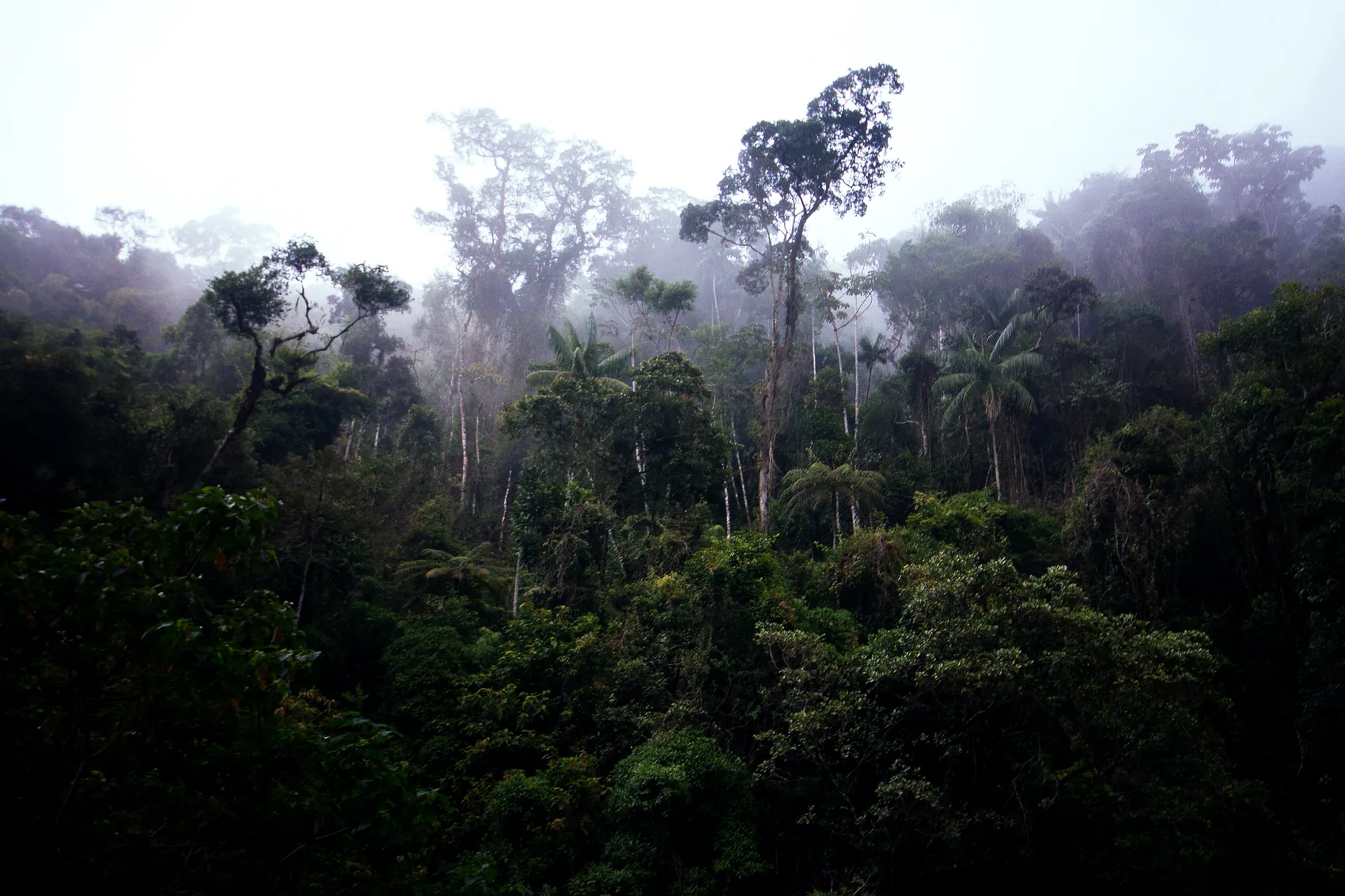
August is usually the driest month of the year and, weather-wise, about as reliable as Paraty gets: mild, clear days, cool nights, very little rain, and excellent water clarity carrying over from July. The sea is still cool, around 22°C. Outside its big festival, August is calm and good value, a wonderful month for the forest, the historic centre, and clear-water boat days.
Its headline event is the Festival da Cachaça, Cultura e Sabores de Paraty, usually held in August (dates move year to year — check). The town's defining spirit takes over for a long weekend of tastings, distillery showcases, live music, food and competitions. It is a genuinely fun, atmospheric event that fills the town for its run, so book ahead if you want to be there for it — and book ahead anyway if your August dates land on it. To understand what you're tasting, our main guide covers Paraty's cachaça story, and you can plan tastings any time of year, festival or not.
September — the spring shoulder, quietly ideal
September opens the spring shoulder and is, for travellers who can be flexible, perhaps the single best-balanced month. The dry-season clarity often lingers, the air begins to warm again into the mid-20s, the sea starts its slow climb back toward warmth (around 23°C), and the crowds are still light because the December rush is months off. Prices remain reasonable.
You get much of winter's calm and clear water with a little more warmth returning — a combination that suits almost everyone. If someone asks us for one month that does most things well with the fewest compromises, September is high on the list. It is a strong choice for couples and for anyone wanting the place mostly to themselves.
October — warming up, water improving
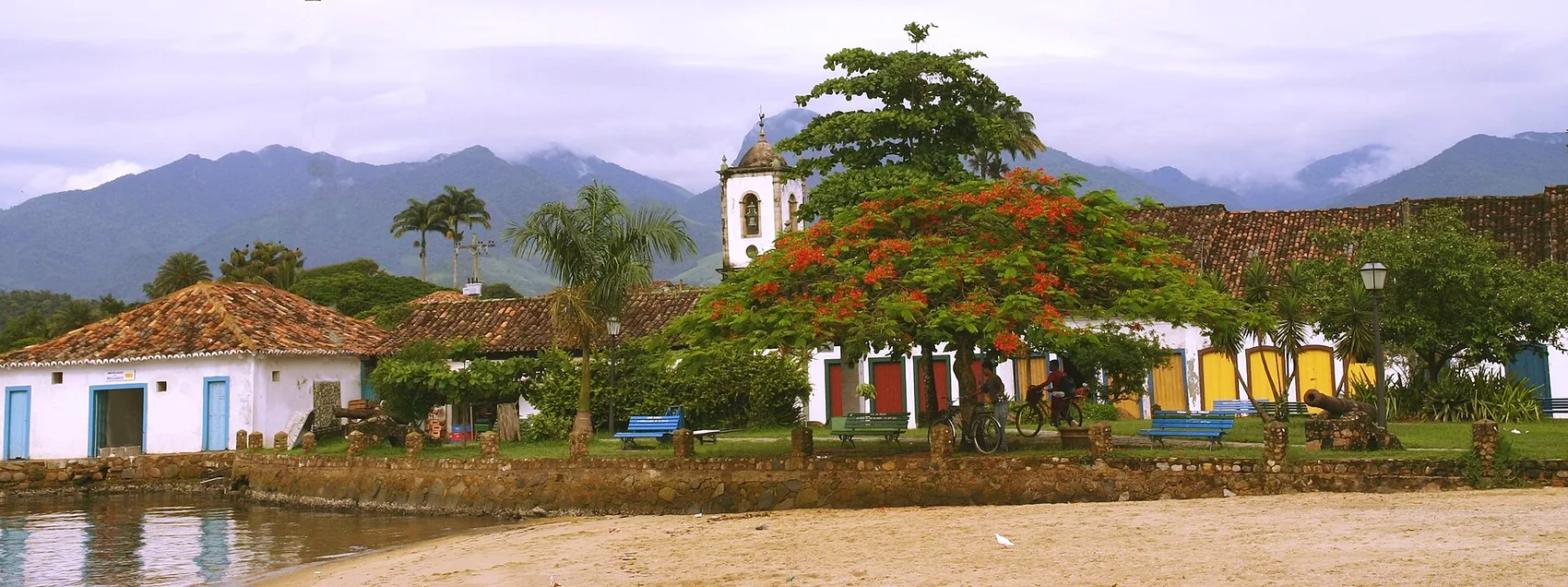
October continues the spring warm-up. Days are pleasantly warm, the sea is recovering its heat toward 24°C and feeling friendlier for long swims, and conditions are often still relatively dry early in the month before the rain begins its return later on. Crowds remain manageable and value stays good.
For warm-water lovers who still want to dodge the summer crowds, October is a sweet spot — close to summer's swimming comfort without summer's congestion or its heaviest rain. It's an excellent month for combining beach and boat days with the historic town and the forest, before the wet season properly sets in.
November — the last of the quiet, before the rush
November is the spring shoulder's final act. The sea is warm again, around 24–25°C; the air is warm and humid; and the rain is building back toward summer levels, with afternoon showers becoming more frequent through the month. Crowds are still relatively light for most of November — it sits in the lull before the December holiday surge — which makes it good value for warm-weather travellers who don't mind a higher chance of rain.
Think of November as early summer without the crowds: increasingly warm and green, occasionally stormy, and still mostly peaceful until the calendar tips into December and the high season begins in earnest.
December — high season opens
December swings back to high summer. It is hot and humid, the sea is warming toward its summer peak, and the afternoon thunderstorms are back in force. The first half of the month can still be relatively quiet, but as the Brazilian school holidays begin and the run-up to New Year accelerates, the town fills fast and prices climb toward their yearly high.
New Year's Eve (Réveillon) is one of the biggest nights of the Paraty calendar — the town and the bay fill, accommodation books out far in advance, and rates are at their absolute peak. It is festive and beautiful and completely sold out, all at once. Come in early December for warm water with a bit more breathing room; come for New Year only if you've planned and booked well ahead and want the celebration rather than the calm.
Best months for the water: snorkelling versus swimming
This is the trade-off that surprises people most, so it deserves its own section. The clearest water and the warmest water do not arrive in the same months — they are, in fact, near opposites.
The warmest sea for swimming comes in high summer, December through March, when the water reaches around 26–27°C and you can stay in for hours. That is the season for anyone who measures a beach holiday by how long they can lie in the shallows. The catch is that summer rain washes sediment off the mountains and into the bay, which can cloud the water, and the crowds are at their peak.
The best visibility for snorkelling and diving comes in the dry winter and the months either side of it — roughly May through September, with the June-to-August core the clearest of all. With little rain reaching the bay, the green water settles and clears, and you can see far more of the rocks, reef fish and life around the islands. The trade is cooler water, around 22°C, which most people handle fine for a snorkel but which feels bracing at first.
So: if your trip is built around underwater clarity, lean to the dry winter and bring a little patience for the cooler entry. If it's built around warm, lazy swimming, lean to summer and accept that visibility varies. The shoulder months — especially late April–May and September–October — split the difference, with reasonably warm water and reasonably clear conditions. Whichever you choose, a day on the bay is the one experience we tell everyone to protect; our main guide covers how a boat day works, and the rule across every season is the same: put it on the clearest morning of your stay.
Crowds and prices across the year
The crowd-and-price calendar is simpler than the weather one, and it follows the Brazilian holidays more than the seasons. Knowing it can save you a great deal of money and a great deal of jostling.
The peak — fullest town, highest prices, earliest sell-outs — is the cluster of New Year, the December–January school holidays, and Carnival, plus whatever days FLIP, the August cachaça festival and the May Festa do Divino fall on. For these you should book months ahead and expect premium rates, sometimes well above normal.
The mid tier is the rest of the summer and the warm spring and autumn weekends — busy but not bursting, with firm but not extreme prices, and worth booking a few weeks out.
The low tier — the quietest streets and the best value — is the shoulder and winter weekdays outside festival dates: roughly April to early June and September to early November, plus the winter weekdays of June and August. This is when the town feels most like itself and your money goes furthest. If flexibility is on your side, this is where to aim. For help deciding how many nights to give it once you've picked a month, see how many days in Paraty.
The best month for you, by traveller type
Since there's no single right answer, here's how we'd steer different travellers. Match yourself to one of these and you'll have your month.
Couples and honeymooners
You want warm-but-not-crushing weather, quiet evenings, room on the beaches and value for a special trip. Aim for the shoulders: April–May or September–October. The water is still warm enough for long swims, the town is calm and romantic rather than packed, the light is lovely, and prices are gentle. Avoid New Year and Carnival unless the party itself is the point.
Families with children
You want warm, shallow water the kids will actually stay in, reliable weather you can plan around, and not too much rain disrupting the day. The warm sea points to summer, but the summer crowds and heavy rain point away from January. The sweet spot is often March or late October to early November: warm water, school-holiday crowds either side rather than on top of you, and a manageable balance of sun and shower. If your own school holidays force the issue, the afternoon-storm pattern means you can still get good mornings in midsummer — just plan around it.
Snorkellers, divers and boat lovers
You want to see the most underwater, and you'll trade some warmth for it. Come in the dry winter, June to August, when visibility is at its best and the boat days are calmest and clearest. July and August are reliably dry; just check whether FLIP falls in your window if you'd rather avoid the festival crowds. Bring a rash vest or light wetsuit top if you feel the cold — 22°C water is fine to snorkel in but cool to linger in.
Walkers, hikers and forest seekers
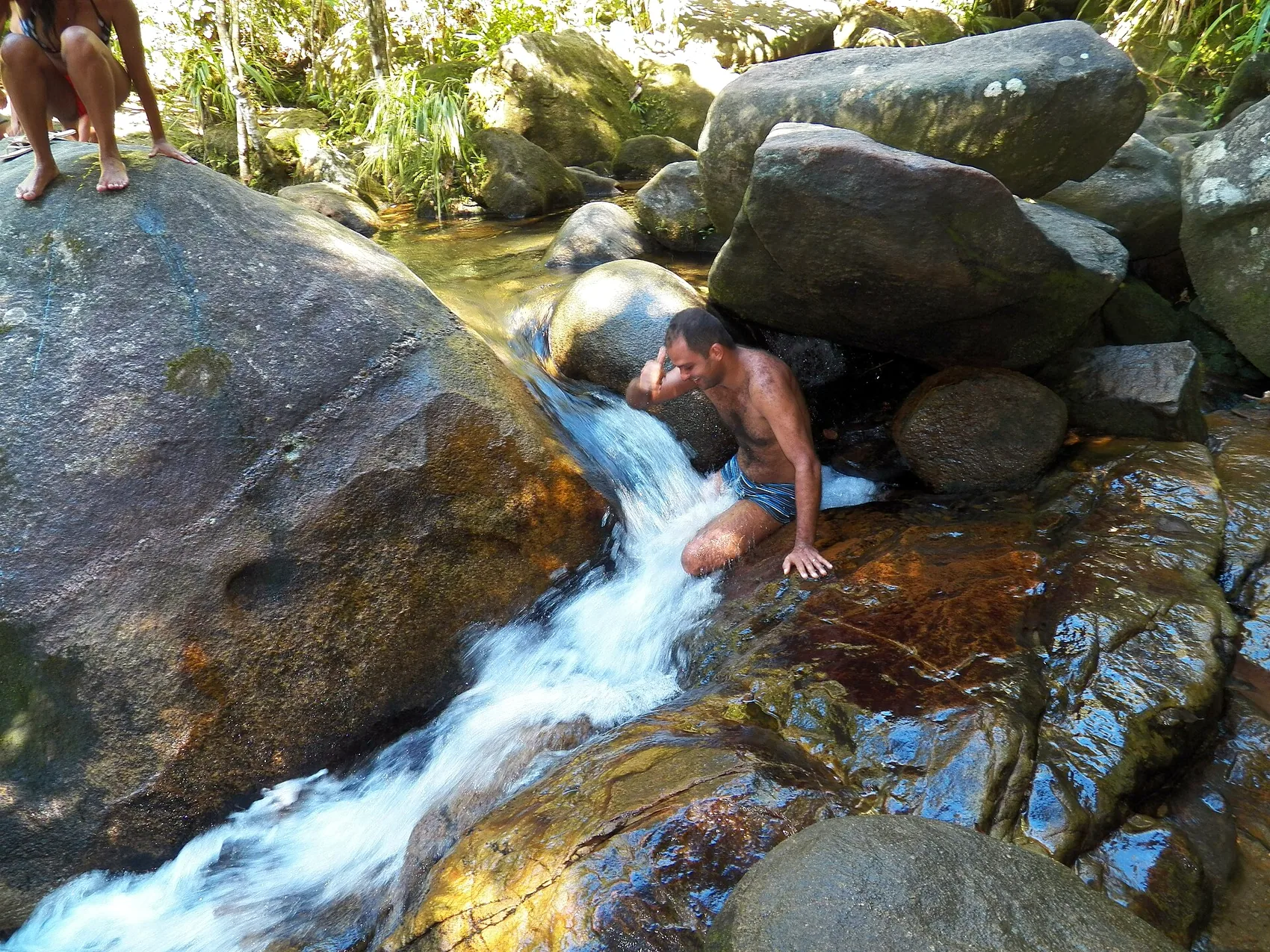
You want cooler, drier days for the trails and the waterfalls, with firm footing and clear views. The dry winter, June to August, is ideal: mild temperatures make the climbs (like the Mamanguá sugarloaf) far more pleasant than in summer's heat and humidity, the trails are less muddy, and the rivers are lower and safer around the waterfalls. The forest stays green year-round, so you lose nothing in scenery.
Festival-goers and culture seekers
You're choosing your dates for an event, so work backwards from the festival. FLIP (usually winter, often late June or July — sometimes August) for books and ideas; the Festival da Cachaça (usually August) for the spirit and the music; the Festa do Divino (around Pentecost, often May) for the deepest local tradition; Carnival (Feb–Mar) for the street party; New Year for the big celebration. Confirm the exact dates for your year — they all move — and book early, because every one of these fills the town. Our festivals and events guide lays them out.
Bargain hunters and crowd-avoiders
You want the town to yourself and the best price. Target the shoulder and winter weekdays outside festival dates — April to early June and September to early November are ideal, and June and August weekdays are quiet and cheap too. Travelling midweek rather than on weekends makes a real difference in a town this size. You'll trade some warmth and a higher chance of a cool, grey winter spell for a Paraty that feels almost private.
A quick note on packing by season
What you bring changes more than people expect between summer and winter, so plan for the season you've chosen rather than for "tropical Brazil" in the abstract.
- Summer (Dec–Mar): lightweight, breathable clothing for heat and humidity, strong sun protection, and — this is the one people forget — proper rain gear and a quick-dry layer for the afternoon storms. A dry bag for the boat is worth its weight.
- Winter (Jun–Aug): warm days but genuinely cool evenings, so pack a light jacket, a sweater and long trousers for after dark alongside your swimwear. The water is cooler, so snorkellers may want a rash vest or wetsuit top.
- Year-round: flat, grippy shoes are non-negotiable for the historic centre's large, uneven cobblestones; heels and smooth soles are a genuine hazard. The full list, season by season, is in our what-to-pack guide.
Whatever the month, build flexibility into your plan and keep your boat day loosely scheduled so you can put it on the clearest morning. Paraty's indoor and in-town pleasures — the churches, the cobbled streets, a long lunch, the live music after dark — handle a grey or rainy day perfectly well, so a forecast that looks discouraging rarely spoils a trip here. For a sense of how to thread it all together, see how many days in Paraty.
The last word on timing
If you take one thing from all of this, let it be that you're not choosing between a good month and a bad one — you're choosing which kind of good you want. Summer hands you warm water, long days and a festive, crowded town, with rain in the afternoons as the price of admission. Winter hands you clear skies, clear water, cool evenings and a calm, affordable town, with cooler swimming as the trade. The shoulders, quietly, hand you a generous share of both.
So decide what matters most — the warmest sea, the clearest water, the lowest prices, the emptiest streets, or a particular festival — and let that pick your month. Then check a current forecast as your dates near, confirm any festival timing for your year, and book earlier rather than later if you're aiming at a peak. Do that, and whichever month you land on, you'll arrive in the Paraty you actually came for. When you're ready to turn a month into a trip, read our complete guide to Paraty next, then come and talk to us about your dates — we're happy to tell you, honestly, what your chosen month is likely to be like up here on the hill.
Come stay above the bay
Chalé Bel Air sits on the ridge that looks over everything in this guide. Tell us your dates and what kind of trip you are after — we answer personally.
Ask about your datesFrequently asked questions
What is the best month to visit Paraty?
For most people the winter and shoulder months of roughly May to September are the sweet spot: drier, clearer skies, the best underwater visibility for snorkelling, thinner crowds and lower prices, with comfortable warm days and cooler evenings. If your priority is the warmest sea and the liveliest atmosphere, come in summer (December to March) and accept the rain and crowds that come with it.
When is Paraty's rainy season?
The wet season runs through the Brazilian summer, roughly December to March, when the heaviest rain falls. The classic pattern is a bright morning followed by a short, heavy afternoon thunderstorm that clears by evening. The driest months are the winter ones, around June to August, with August usually the driest of all.
How hot does Paraty get, and how warm is the sea?
Summer days typically run in the high 20s to low 30s Celsius with high humidity; winter days are milder, often low-to-mid 20s, with cooler nights that can dip into the low teens. The sea is warmest in summer, around 26 to 27 degrees, and coolest in winter, around 22 degrees - swimmable year-round, just cooler in the dry season.
When should I avoid Paraty if I dislike crowds?
Avoid the peak holiday windows: New Year, Carnival (usually February or early March) and the Brazilian school holidays of December and January, when the town fills and prices climb steeply. Major festivals such as FLIP and the August cachaca festival also pack the town on their dates. The quietest months are typically the shoulders - April to early June, and September to early November.
Is it worth visiting Paraty in winter?
Yes - winter (around June to August) is many travellers' favourite. It is the driest, clearest season, with the best snorkelling visibility, the calmest crowds and the lowest prices outside festival dates. You trade the warmest swimming for cooler, more comfortable days and the occasional cool, grey spell, and you may want a light layer for the evenings.


.jpg)

.jpg)
