
Everyone tells you Brazil is overwhelming on a first trip. It does not have to be. This is the guide we wish first-time guests arrived with: how to build one unhurried, upscale loop through Rio, the Costa Verde and Paraty, and travel it well.
Almost everyone we host on the first night of a first Brazil trip arrives a little braced. They have read that the country is enormous, that the cities are intense, that the logistics are hard, that you need weeks to see anything. All of that is true and none of it has to spoil the trip, because you are not trying to see Brazil. You are trying to have one very good time in one very good corner of it, and the southeast coast between Rio de Janeiro and Paraty is about the best corner there is for a first visit.
This is the guide we wish those guests turned up with. It is not a list of everything the country offers; it is the shape of a first trip that works. Luxury Brazil travel, done for the first time, is not about cramming a continent into ten days. It is about choosing one unhurried loop, giving each part of it the time it deserves, and travelling the whole thing well. We host guests on a ridge about four hundred metres above the Bay of Paraty, and we have watched enough first trips go right, and a few go wrong, to know what the difference is.
So here is the honest version: how to think about a first upscale trip, when to come, how to get here from Sao Paulo, Rio or from abroad, how to do Rio without exhausting yourself, why the Costa Verde is the part people remember most, and why a hillside villa with a pool makes a far better base than a hotel room. We will tell you what is worth your money and what is not, and where the trade-offs are, because a good host names the trade-offs.

What luxury Brazil travel really means
Start by resetting the expectation, because the word means something particular here. In a lot of the world, luxury travel is about the building: the marble, the brand, the lobby, the spa menu. Brazil has those things, mostly in Sao Paulo and a few Rio addresses, but they are not the point of the country and they are certainly not the point of the coast. The expensive, rare, worth-paying-for thing in Brazil is space and nature and time.
What that looks like in practice is a private cove on the bay with nobody else in it. A long lunch of seafood pulled off the boats that morning, eaten slowly with your feet almost in the sand. A colonial town you walk at dawn before the day-trippers arrive. A pool on a hillside where you watch the sun go down over three bays at once. None of that is showy. From the outside, the most affluent week you can have on this coast looks almost lazy, and that is exactly right.
The practical consequence is that you should spend your money on the things that buy you space and ease, not on the things that buy you status. A private boat instead of the group schooner. A villa with room to spread out instead of two hotel rooms. A driver for the long transfer instead of a self-drive on an unfamiliar coastal road. Skip the rest. The guests who go home happiest are almost never the ones who spent the most; they are the ones who spent it in the right places.
The rare thing in Brazil is not marble. It is a quiet cove, a slow lunch and a view you own for the evening.
The shape of a great first trip
The single best first-trip structure we know is a three-part loop: a few days in Rio de Janeiro, a slow drive down the Costa Verde, and a long, unhurried base in Paraty. It gives you the city, the coast and the forest without a single internal flight, and it moves in one geographic direction so you never backtrack.
The proportions matter. Give Rio three or four days, no more, because the city is intense and best taken in a concentrated dose. Give Paraty and the bay the bulk of the trip, a week or more if you have it, because this is where the holiday actually happens and where every extra day pays off. The Costa Verde is the connective tissue between them, and the drive itself is one of the loveliest in Brazil, so treat it as part of the trip rather than dead time.
If you only have a week, cut Rio to two nights or skip it entirely and come straight to the coast; a week on the bay is a real holiday, whereas a week split three ways is a tour. If you have two weeks, the coast absorbs the extra days effortlessly. What we would not do is add a third or fourth region on a first trip. The Amazon, the northeast beaches, the Pantanal and Iguazu are all extraordinary and all deserve their own trip. Trying to bolt one onto this loop turns a holiday into a logistics exercise. For a deeper look at how to sequence the coastal part, our seven-day Costa Verde itinerary lays out a full week day by day.
When to go
Timing shapes a first trip more than people expect, because you have one shot at the weather and the crowds. The good news is that the Rio-to-Paraty coast has a genuinely reliable season, and matching your dates to what you want from the trip is straightforward once you know the pattern.
The seasons, honestly
The dry winter, roughly June to August, is the steadiest stretch of the year. Days are warm but not punishing, often in the low-to-mid twenties Celsius, evenings are cool enough to want a light layer, the underwater visibility for snorkelling is at its best, and there are far fewer rainy days than in summer. If your priority is dependable weather and clear water, this is the window. The trade-offs are a cooler sea, around 22 degrees, shorter daylight, and one busy week in July when Paraty's international literary festival, FLIP, fills the town.
The summer, December to March, is the Brazilian holiday season: the warmest sea, the longest days, the most life in the streets, and the heaviest afternoon rain. The classic summer pattern is a bright morning, a short violent thunderstorm in the afternoon, and a clear golden evening. It is also the most crowded and most expensive stretch, peaking hard over New Year, Carnival and the Brazilian school break. It is wonderful if you want heat and buzz and do not mind sharing.
The shoulder months, April to May and September to October, are the connoisseur's pick for an upscale first trip: the sea is still warm, the crowds have thinned, prices soften, and the town feels almost private. If your dates are flexible and you dislike crowds, aim here. We go deeper on all of this, month by month, in our best time to visit Paraty guide.
Getting here: flights and the drive down the coast
Nearly every first trip on this loop starts with a flight into Rio or Sao Paulo and a road journey down the coast, because Paraty has no commercial airport of its own. How you handle that arrival sets the tone, so it is worth doing deliberately rather than leaving to chance.
Arriving from abroad
Most international visitors fly into Rio de Janeiro's international airport, Galeao, or into Sao Paulo's Guarulhos, the larger hub with more long-haul connections. Both are a long flight from Europe or North America, so plan for jet lag: a first night in the city rather than an immediate transfer to the coast is a kindness to yourself. Give yourself a day in Rio to reset before you take on anything demanding.
A few practical notes for foreign travellers. Check your visa position before you book, as requirements change and depend on your passport. Bring a card that works internationally and a little cash for small coastal purchases; card acceptance is wide in the cities and patchier at beach kiosks and island lunches. And build in generous transfer time on arrival day, because the drive to the coast is not something you want to start tired and late.
From Rio or Sao Paulo
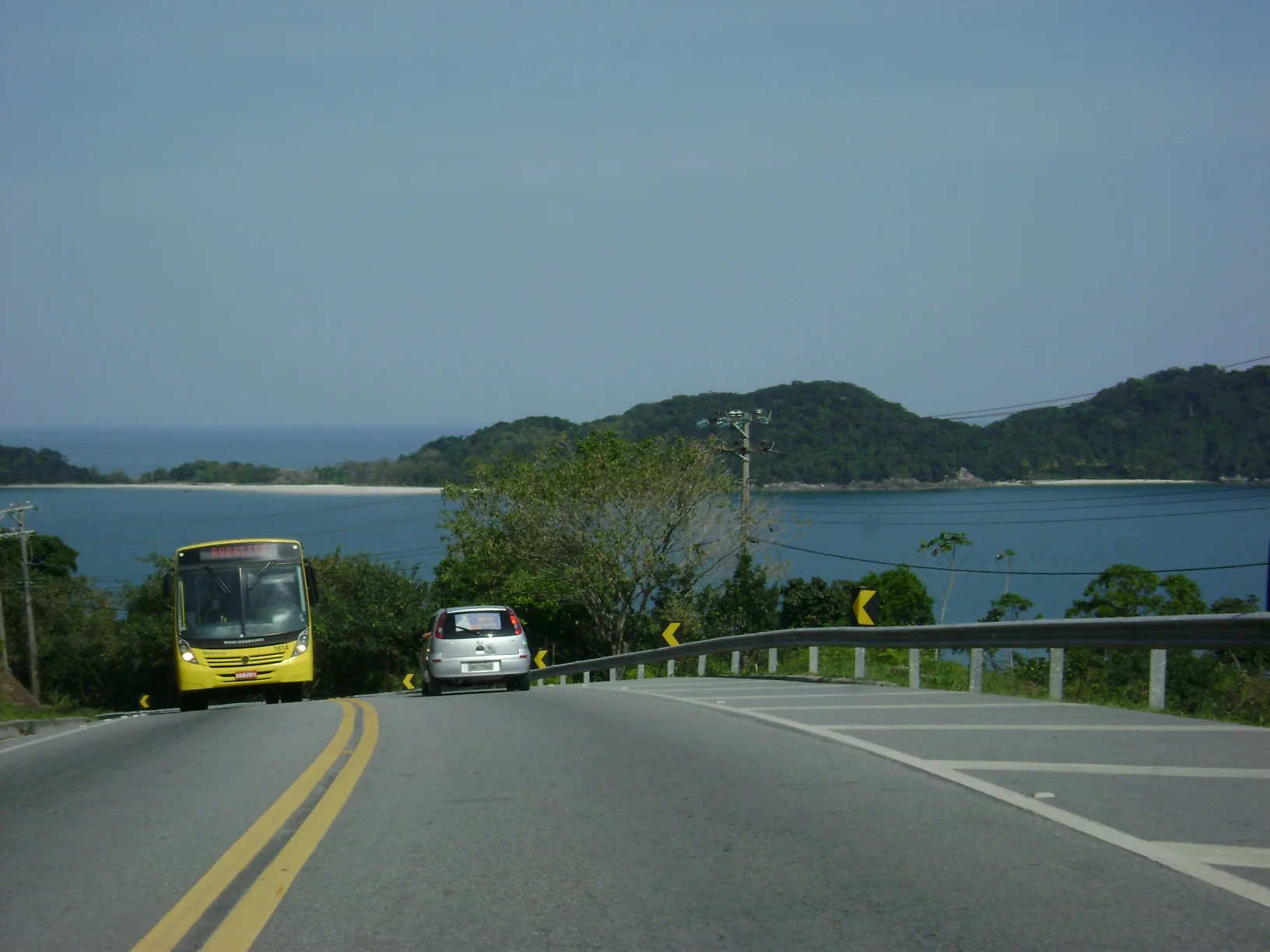
From Rio, Paraty is about 250 kilometres southwest, roughly a four-hour drive down the coastal BR-101, the Rio-Santos road, one of the prettiest stretches of highway in the country. From Sao Paulo it is a similar distance, around 270 kilometres and five to six hours, along the same coast. Either way you are on a winding two-lane road that hugs the sea and the forested Serra do Mar, so it is slow in places, busy on summer weekends and holidays, and genuinely beautiful throughout.
For an upscale first trip we steer guests toward a private transfer with a driver rather than a self-drive or the bus. The road demands attention, the signage assumes local knowledge, and after a long flight or a hard week you will get far more out of the drive as a passenger, watching the coast unspool, than as a nervous driver on an unfamiliar mountain highway. Comfortable long-distance buses do run the route and are a solid budget option, but the private car is the one that fits the rest of the trip. We are always happy to arrange transfers for guests; the mechanics of getting around the region are covered in our getting around guide.
Rio de Janeiro: how to do the city well
Rio is the classic first taste of Brazil, and it earns the billing. It is also a big, fast, occasionally overwhelming city, and the way to enjoy it is to take it in a short, concentrated dose and then leave for the coast while you still love it. Three or four days is the right length. Try to live there for a week on a first trip and the intensity starts to wear.
The icons, done at the right hours
Two sights define the city and both are worth every minute: Christ the Redeemer on the Corcovado peak, and the cable car up Sugarloaf over the harbour. The trick with both is timing. Go in the morning, when the light is clearest, the clouds are least likely to swallow the view, and the crowds are thinnest. If you can, split them across two mornings rather than rushing both in a day. The reward at the top of each is the same revelation: the whole improbable geography of the city, beaches and forest and granite and sea all folded together.
Beyond the two peaks, the pleasures of Rio are more about atmosphere than ticking sights. The long curve of Copacabana and the more fashionable Ipanema beaches are where the city relaxes; a late afternoon walk along the mosaic promenade as the light goes amber is one of the great free experiences in Brazil. The bohemian Santa Teresa hill, the Selaron steps, the botanical garden and a proper Brazilian churrascaria dinner will round out a first city stay nicely without overloading it.


Where to base yourself
For a first trip, stay in the South Zone beach neighbourhoods: Ipanema and Leblon are the most polished and comfortable, Copacabana the most classic and central. These areas are well-populated, well-served and easy to move around, which matters for both convenience and peace of mind. Keep your valuables low-key, use a ride app or a registered taxi rather than hailing on the street, and apply the same ordinary caution you would in any large city, and Rio treats most first-timers very kindly.
For an apartment rather than a hotel, Art de Vivre rents furnished apartments and villas in Ipanema, Copacabana and other parts of Rio.
The Costa Verde: the green coast people remember most
Southwest of Rio, the coast changes character completely. The city falls away and the Costa Verde, the green coast, begins: a long ribbon of forested mountains dropping straight into a sea scattered with islands. This is the part of a first trip that guests talk about years later, and it is the reason to point the whole loop toward Paraty rather than staying city-bound.
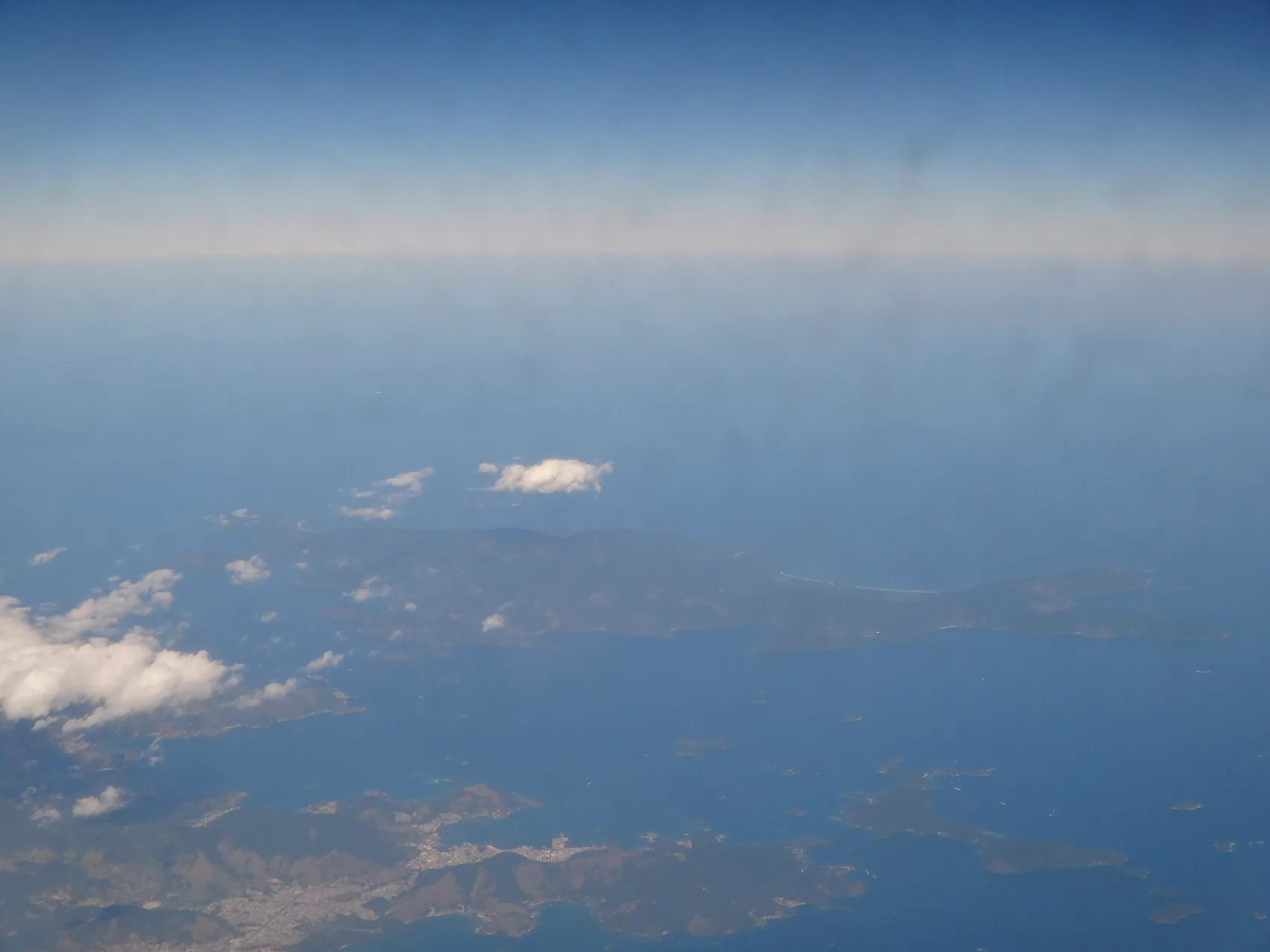
The drive itself introduces it. The Serra do Mar range runs the length of the coast, its slopes wrapped in Atlantic forest, and the road threads between the mountains and the water past bay after bay. Roughly halfway sits Angra dos Reis, the sprawling bay famous for its scatter of islands, and offshore lies the big car-free island of Ilha Grande. Paraty anchors the far southwestern end, where the forest, the bay and the colonial town all meet.


What makes the Costa Verde special is that it is not a resort strip. It is a living, working, protected coast, much of it inside national and state parks, with fishing villages, waterfalls, remote beaches you can only reach by boat or trail, and a density of green that is genuinely rare this close to two of South America's biggest cities. The luxury here is precisely that it has not been paved over.
Paraty: the town that anchors the coast
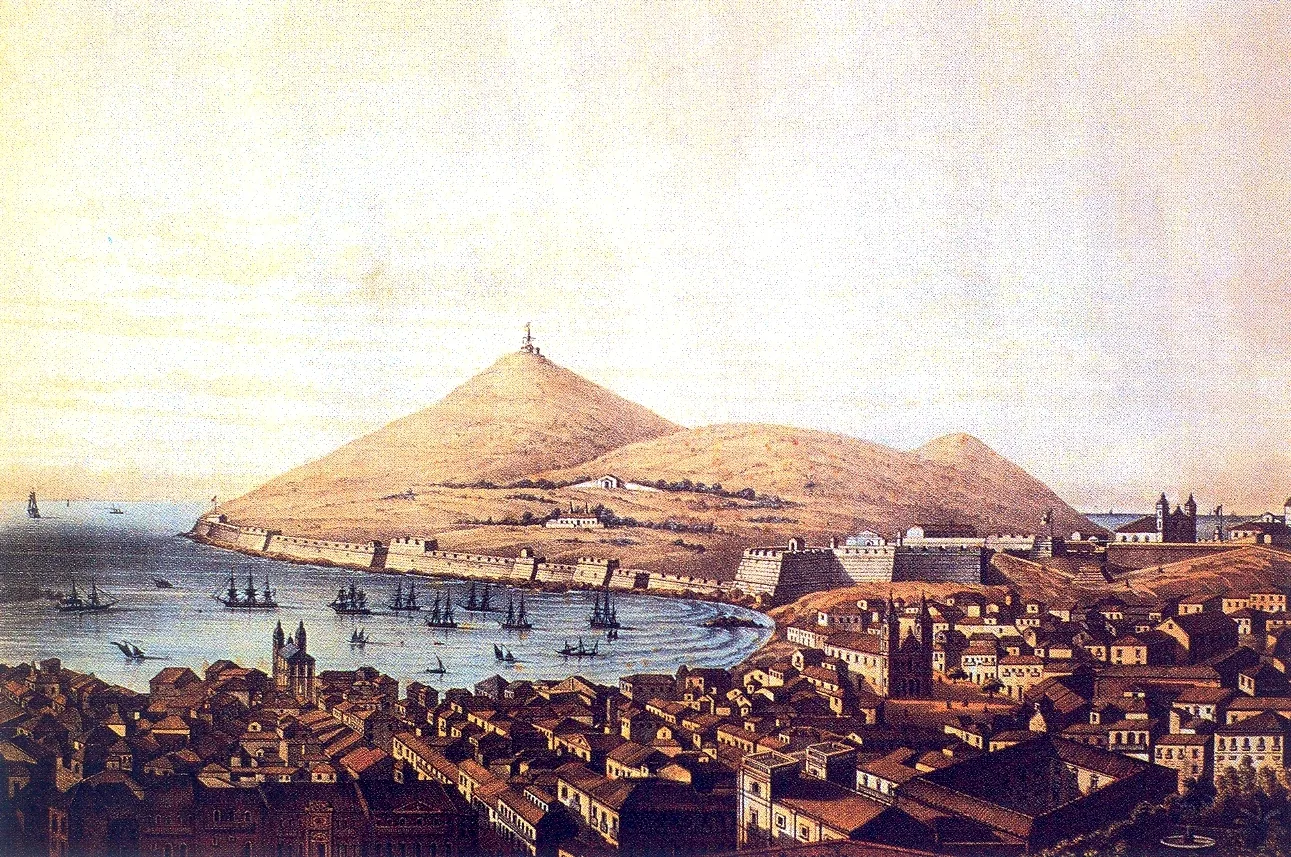
Paraty is the reason to make Paraty your base, and it is the heart of this whole itinerary. It is a small colonial town, once the port where gold from the interior was shipped to Portugal, and its historic centre has been preserved so completely that the town and its surrounding forest and islands together became a UNESCO World Heritage Site in 2019, Brazil's first mixed cultural-and-natural listing. It is beautiful, compact, and unusually easy to love.
The old town, at its best hours
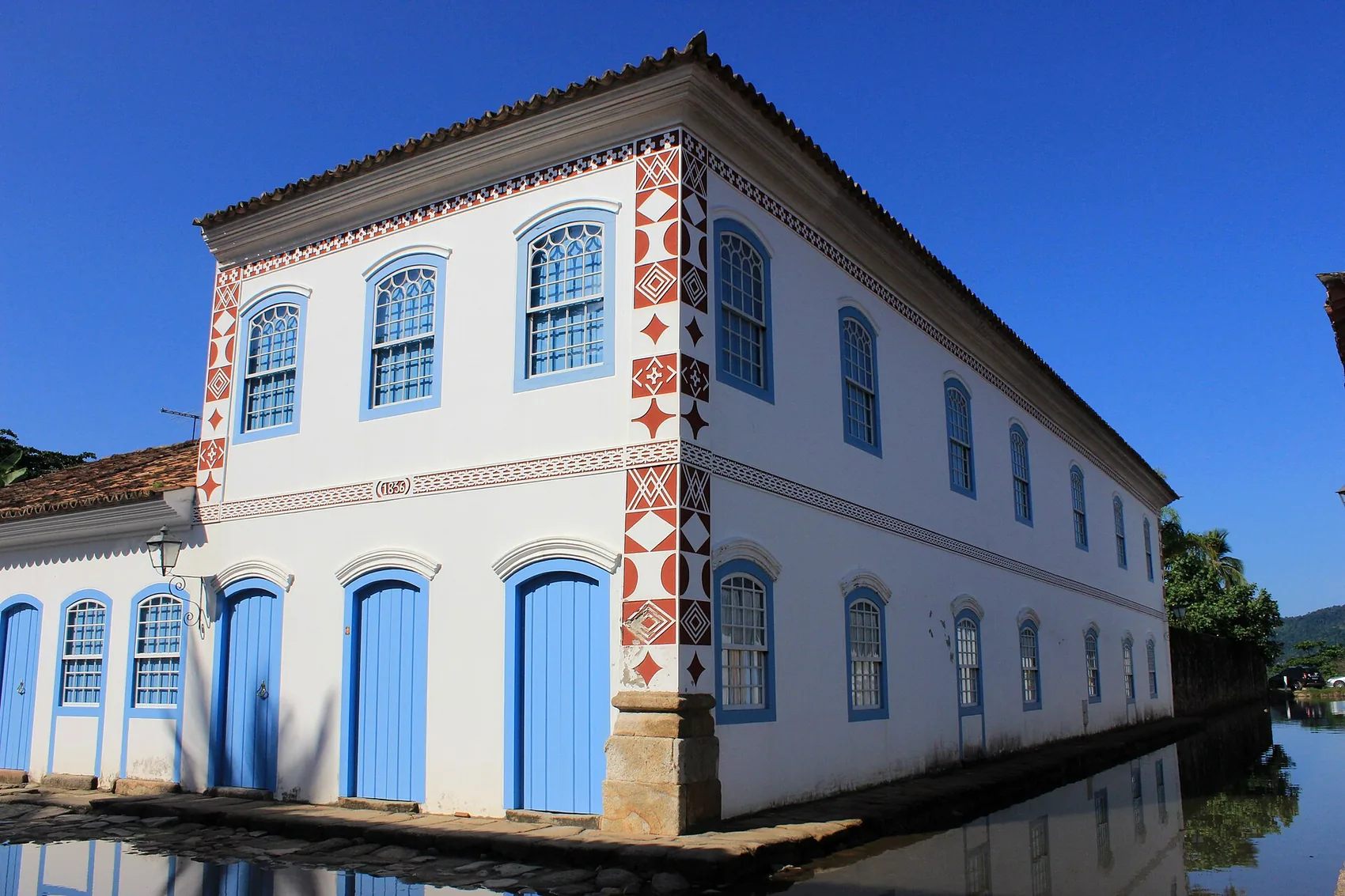
The colonial centre is closed to cars, its streets paved in big, irregular, ankle-testing cobblestones laid in the 18th century. Whitewashed houses with doors and window frames picked out in strong colours line the grid; two lovely churches, the little waterfront chapel and the larger main church on the central square, anchor it. Like Rio's viewpoints, the centre is best at the edges of the day. Walk it early, when the light is soft and the streets are nearly empty before the day-trip coaches arrive, and again in the evening, when the lanterns come on and music drifts out of small rooms and you eat slowly at a candlelit table outdoors.
Between those two hours, in the flat midday heat, you are far better off back at the pool than trudging the cobbles with the crowds. One of the town's strangest charms is the way the highest spring tides slide in through gaps in the old seawalls and briefly flood the lowest streets into shallow mirrors, an 18th-century street-cleaning trick that still works. If your dates line up with a full-moon high tide, go and see it. Wear flat, grippy shoes for the cobbles either way; leave the heels at home. Our complete guide to Paraty goes far deeper on the town itself.
.jpg)
The bay and the water
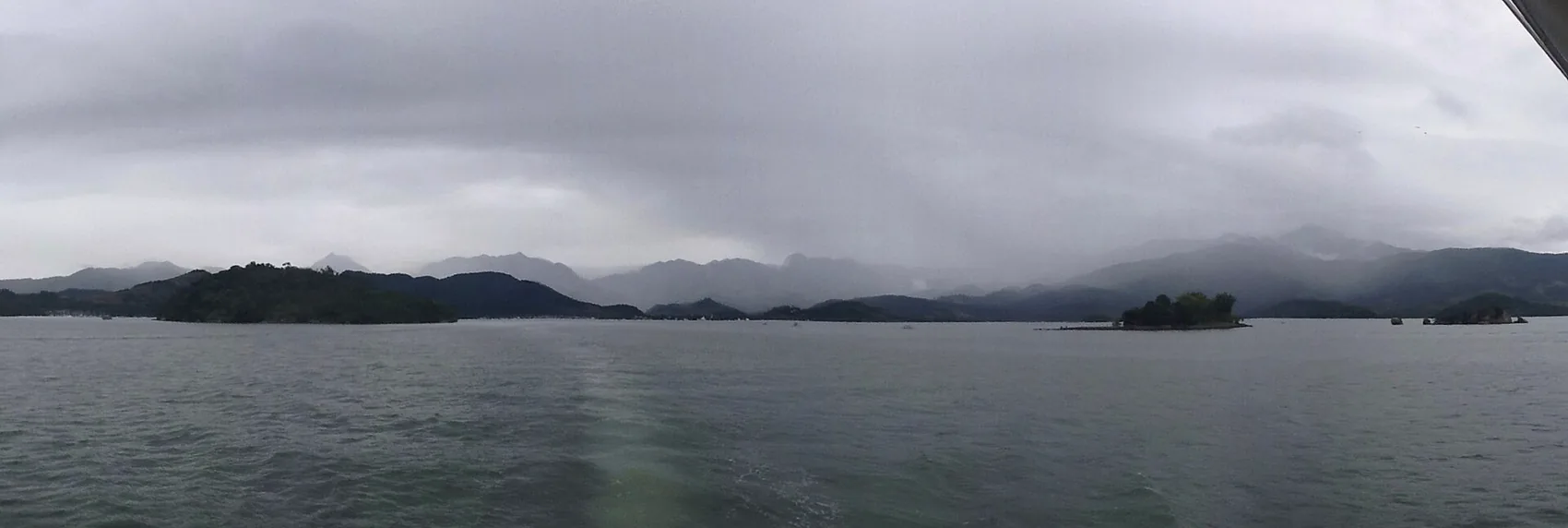
The other half of Paraty is the water. The bay in front of the town is scattered with islands and coves, and a day out on it is the single experience that separates people who saw Paraty from people who merely passed through. For an upscale trip, do it as a private charter, a small motorboat hired for the day with a skipper, rather than the group schooner. The schooners are sociable, cheap and genuinely fun, but you follow their route and their clock. A private boat is your route, your pace, your choice of which quiet cove to linger in, which is the whole point of paying for space and time. We are happy to arrange one; the full breakdown lives in our boat days guide.

Why a hillside villa base beats a hotel
Here is where we show our hand, and where the case is genuinely strong rather than just self-interested. For a first Brazil trip of this shape, a private villa with a pool makes a better base than a hotel, and a villa on the hillside above the bay makes the best base of all.
The practical case comes first. On a coast where the pleasures are spread out, you want one place you never move from, with room to actually relax between outings: a real kitchen for a slow breakfast of tropical fruit, space for a couple or a family or a group of friends to spread out rather than share a hotel room, and a pool to come back to in the heat of the day when the town is too hot to walk. A villa gives you a home rather than a room, and on a longer coastal stay that difference compounds every single day.
Then there is the view, which is the part a hotel in town simply cannot give you. From a ridge about four hundred metres up, the whole geography lays itself out: the Bay of Paraty below, Angra dos Reis off to one side, and the long blue ridge of Ilha Grande on the horizon, a triple view from a single deck. The town is a short drive down the hill, close enough for dinner and the early-morning streets, far enough that you sleep in cool, quiet air above the heat and the noise. The chale itself is built around exactly that idea: an infinity pool that reads as if it spills into the bay, and a terrace where the day ends with the water going gold. It is the place you come back to for a swim after a morning on the boat, and the reason to be on the ridge rather than in the centre.

The honest trade-off is that a hillside base means a short drive to town rather than a stroll, so you will not roll out of bed onto the cobblestones. For most guests that is a feature, not a bug. You trade a few minutes in the car for silence, privacy, cool nights and a view no in-town room can match. If your ideal trip is stumbling home from a bar at 2am, a place in the centre suits you better. If it is a pool, a view and quiet, the ridge wins every time. We lay out the wider options in our luxury vacation rentals in Paraty guide.
The food and drink you came for
Brazil eats and drinks wonderfully, and this coast eats above its size. On a first trip the meals are not an afterthought; they are some of the main events, and they cost a fraction of what the equivalent would run in Europe or North America. We will describe what to seek out by type rather than name specific restaurants, because the good places shift and the last thing we want is to send you to somewhere that closed last season. Ask us when you arrive and we will point you at the right table.
What to eat
The coast shows up on the plate as seafood: fish grilled simply off the day's boats, prawns done a dozen ways, and above all moqueca, the slow seafood stew of coconut milk, palm oil, tomato, onion and coriander that is the great dish of this coast. A good moqueca arrives at the table still bubbling in its clay pot and gets spooned over rice; order it for two, take your time, and make sure you eat it at least once. Beyond that, look for whatever came in that morning, and for the inland Brazilian classics that appear here too, like a slow weekend feijoada, the black-bean and pork stew that is the country's national dish.


Breakfasts and markets are their own pleasure. The tropical fruit on this coast is extraordinary, and a morning spread of papaya, mango, passion fruit and fresh juices is one of the quiet luxuries of having a villa with a kitchen. For the fuller picture of the local table, our complete guide covers it in depth.
Cachaca and the caipirinha
Paraty was a cachaca town long before it was a tourist town, and the sugar-cane spirit is still made in small distilleries in the hills around it. A proper caipirinha, made with real local cachaca, fresh lime and sugar over ice, is a completely different drink from the sweet airport version, and it is the thing to order at sunset. If you develop a taste for it, the old distilleries in the surrounding valleys welcome visitors for tastings, and a lazy afternoon touring one or two is a fine, low-key outing. We cover it properly in our cachaca distilleries guide.


Beaches, islands and forest
Once you are based on the coast, the days fill themselves with a mix of water and forest, and the pleasure is that none of it needs to be rushed. The bay alone holds enough quiet beaches and coves to fill a week, most of them reachable only by boat or a short trail, which is precisely why they stay quiet. A private boat day gets you to the best of them; a rented kayak or paddleboard on the calm inner water at first light gets you the bay at its stillest and most private.
Behind the town, the Atlantic forest climbs the Serra do Mar, protected in large part by the Serra da Bocaina national park, and it is laced with trails to waterfalls where you can swim in cold, clear pools under the canopy. This is some of the most biodiverse forest on earth, and you may well share it with capuchin monkeys, toucans and hummingbirds. A morning on a forest trail is the perfect counterweight to a day on the water, and a reminder that this coast is as much about the mountains as the sea. Our hiking around Paraty guide maps the best of it, and the wider natural setting is worth reading up on before you come.


Ilha Grande, if you have the days
The big car-free island of Ilha Grande sits on the horizon from the ridge, and it is a genuinely special place: no cars, forest trails to remote beaches, and some of the best-loved sand on the coast, including the long stretch of Lopes Mendes. On a first trip the honest advice is that it deserves its own overnight rather than a rushed day trip bolted onto a boat day, because the crossing and the pace do not suit a single hurried visit. If you have the days, build in a night or two; if not, save it for the return trip you will almost certainly want to make. The logistics are in our Paraty to Ilha Grande guide.

How to travel well: money, language, safety
The difference between a smooth first trip and a stressful one is usually a handful of small practicalities handled in advance. None of them is difficult once you know it, and getting them right is itself a kind of luxury, because it removes the friction that spoils a trip.
Money and payments
The local currency is the Brazilian real. Cards, including contactless, are widely accepted in Rio and in the main tourist parts of Paraty, and the local instant-payment system is everywhere, but you will still want some cash for beach kiosks, island lunches, small distilleries and rural stops where card machines are unreliable or absent. Bring a card that works internationally without punishing fees, tell your bank you are travelling, and draw cash from bank ATMs rather than the ones in airports and convenience shops. Tipping is more relaxed than in North America; a service charge is often already on the restaurant bill.
Language and connectivity
Portuguese, not Spanish, is the language, and while you will find English at hotels, operators and many restaurants, it thins out fast once you step off the tourist path. A translation app and a few polite phrases go a long way, and Brazilians are warm with visitors who make the effort. A local eSIM or data plan is cheap and worth having for maps and translation; connectivity is good in town and on the main road, and patchier out on the islands and up in the forest, which is part of the appeal.
Staying safe and comfortable
Rio calls for ordinary big-city sense, as above: stick to the busy South Zone, keep valuables discreet, use ride apps, and do the viewpoints in the morning. Paraty and the smaller coastal towns are far calmer and feel very safe, but the usual travel common sense still applies. The real risks on this coast are sunburn and the sea rather than crime: the tropical sun is strong even on cloudy days, so bring more sun protection than you think you need, and respect the water, currents and boat safety, especially with children. Pack light, quick-drying layers, proper shoes for cobbles and trails, and a light wrap for cool hillside evenings. Our what to pack guide has the full list.
A sample two-week shape
To make all of this concrete, here is the loose shape of a two-week first trip we would happily send anyone on. Treat it as a menu, not a schedule; the point of an upscale trip is to leave the days loose.
- Days 1 to 2: Fly into Rio, settle into an Ipanema or Copacabana base, and do nothing demanding on arrival day. Shake off the flight on the beach promenade.
- Days 3 to 4: The two icons on two mornings, Christ the Redeemer and Sugarloaf, with afternoons for the beaches, Santa Teresa and a churrascaria dinner.
- Day 5: Private transfer down the Costa Verde to Paraty. Treat the drive as part of the trip. Arrive, settle into the hillside base, and let the first evening be nothing but the pool and the sunset.
- Days 6 to 12: The heart of the trip. A private boat day on the bay, a forest-and-waterfall morning, the old town at dawn and after dark, a cachaca afternoon, quiet beaches, long lunches, and real time doing nothing at the pool. Fit an Ilha Grande overnight in here if you want it.
- Days 13 to 14: Transfer back up the coast, a final night in Rio near the airport, and home.
The shape is deliberately front-loaded with the city and back-weighted with the coast, because that is the order in which energy runs out and rest becomes the priority. If you have only ten days, trim the Rio portion and the middle of the Paraty week; if you have three weeks, add the Ilha Grande nights and simply do less each day. For shorter trips we have dedicated plans, from a luxury long weekend to a full three-day itinerary, and a straight answer on length in our how many days in Paraty guide.
The small luxuries that matter most
The parts of a first Brazil trip that guests remember are almost never the big-ticket items. They are the small, specific pleasures that a well-set-up trip makes room for, and they are worth naming because they are the ones people forget to plan for.
A slow breakfast on a terrace with the bay laid out below and no reason to be anywhere. The first swim of the morning before the heat comes up. A cove reached by boat with nobody else in it. The moment the old town's lanterns come on. A moqueca that runs to two hours because nobody is rushing you. The cool of a hillside evening after a hot day on the water. A caipirinha at sunset from a deck four hundred metres up. None of these costs much; all of them depend on giving the trip enough time and the right base to let them happen.
That, in the end, is the whole argument of this guide. Luxury Brazil travel on a first trip is not about seeing the most or spending the most. It is about choosing one good loop, giving the coast the time it deserves, basing yourself somewhere with room and a view, and letting the place set the pace. Do that and Brazil is not overwhelming at all. It is one of the easiest countries in the world to fall for.
When you are ready to shape the coastal part of your trip, that is exactly what we are here for. We know this bay, its boats, its tables and its quiet corners, and we are glad to help you plan the days around the chale on the ridge. Browse what the coast holds in our explore pages, and when you want a hand with dates or logistics, just get in touch. The pool, and the view, will be waiting.
Come stay above the bay
Chalé Bel Air sits on the ridge that looks over everything in this guide. Tell us your dates and what kind of trip you are after — we answer personally.
Ask about your datesFrequently asked questions
Is Brazil a good destination for a luxury first trip?
Yes, if you set it up well. Brazil rewards a slow, well-planned first trip more than a fast one. Pair a few days in Rio de Janeiro with a stretch of the Costa Verde and a base in Paraty, and you get the city, the coast and the forest without a punishing schedule. The luxury here is space, quiet and time rather than marble lobbies, so plan the logistics tightly and leave the days loose.
How many days do you need in Brazil for a first visit?
Ten days to two weeks is the comfortable window for a first trip built around Rio and the Costa Verde. Roughly three or four days for Rio, a full week or more for Paraty and the bay, and a day of transit on each end. You can do a tighter version in a week if you skip one region, but the coast is where the trip slows down and becomes a holiday rather than a tour.
When is the best time to visit Brazil's southeast coast?
The dry winter, roughly June to August, is the steadiest season on the Rio and Paraty coast: warmer, clearer days, the best underwater visibility, thinner crowds and lower prices, with cooler evenings. Summer, December to March, brings the warmest sea and the most life, along with heavier afternoon rain and the biggest holiday crowds. The shoulder months of April to May and September to October are the quiet, good-value sweet spot.
How do you get from Rio de Janeiro to Paraty?
Paraty sits about 250 kilometres southwest of Rio, roughly a four-hour drive down the coastal BR-101, the Rio-Santos road. A private transfer is the easy, upscale option; comfortable buses also run the route in around five to six hours. From Sao Paulo it is a similar distance, about 270 kilometres and five to six hours by road along the same coast. There is no commercial airport in Paraty itself, so almost everyone arrives by road.
Is Rio de Janeiro safe for tourists?
Rio is a huge city and, like any big city, it rewards ordinary caution. Stick to the well-populated South Zone beach neighbourhoods such as Ipanema, Leblon and Copacabana, use registered taxis or a ride app rather than hailing on the street, keep phones and jewellery low-key in crowds, and do not carry more than you need. Visit the big viewpoints in the morning for the weather and the crowds. Most first-timers have an easy, happy time by following the same common sense they would in any major city.
Do you need to speak Portuguese to travel in Brazil?
No, but a little goes a long way. In Rio and the main tourist parts of Paraty you will find English at hotels, tour operators and many restaurants. Away from those, Portuguese is the language of daily life and English is patchy, so a translation app and a handful of polite phrases make everything smoother and warmer. Brazilians are generous with visitors who try, and the effort is repaid quickly.
Is Paraty better than Buzios or Ilha Grande for a first trip?
They suit different moods. Buzios is the polished beach-resort scene east of Rio, all boutiques and buzzy restaurants. Ilha Grande is the wild, car-free island for hikers and divers. Paraty gives you both worlds at once: a UNESCO-listed colonial town, a bay of hundreds of islands and coves, waterfalls and Atlantic forest behind it, and a calmer, more grown-up pace. For a first trip that wants scenery, culture and quiet in one base, Paraty is the natural anchor.