The long ridge across the horizon from the chalé's deck is a whole car-free island: no roads, one sand-street town, and some of the clearest water on the Brazilian coast. This is how to see it properly.
From the deck at Chalé Bel Air, Ilha Grande is the thing your eye keeps returning to: a long green mountain lying across the mouth of the bay, changing colour through the day, close enough to feel like part of the view and far enough to stay mysterious. Guests ask about it more than almost anything else, usually in the same two breaths. What is over there, and is it worth the trouble to go. This Ilha Grande guide is the answer we give in person, written out in full, because the honest version takes longer than a deck chat and saves a lot of wasted daylight.
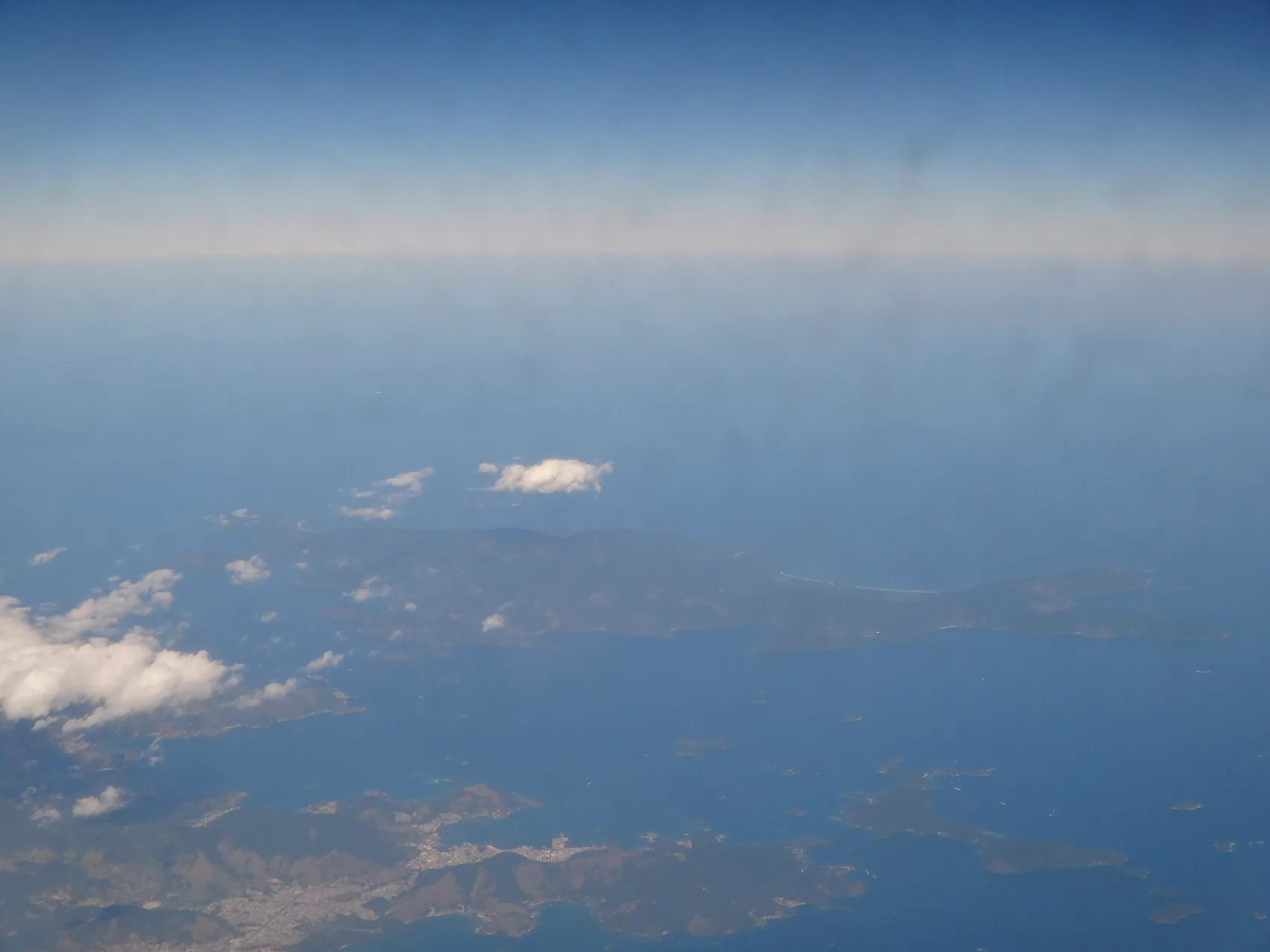
The short version is that Ilha Grande is a car-free island of roughly 193 square kilometres sitting about twelve kilometres off the coast at Angra dos Reis, most of it protected forest, ringed by beaches you reach on foot or by boat. There are no roads and no cars anywhere on it. There is one real town, Vila do Abraão, and beyond it a web of trails and coves that would take weeks to walk in full. It is one of the clearest, greenest, most photographed stretches of the Brazilian coast, and it is also, depending on how you approach it, either a magical two days or a long and slightly frustrating one.
The difference is almost entirely logistics. Ilha Grande punishes the underplanned and rewards anyone who understands how the crossings, the boat-taxis and the trails fit together. So this guide is built the way we actually help guests plan: what the island is, how to get there from wherever you are starting, what to do once you land, and the one decision that shapes the whole trip, which is whether to come for a day or stay the night.
What Ilha Grande actually is
Start with the geography, because it explains everything that follows. Ilha Grande is the largest island in the Baía da Ilha Grande, the wide bay that Angra dos Reis, Paraty and hundreds of smaller islands share. It is mountainous and heavily forested, with peaks over 900 metres, and the great majority of its land is protected inside a state park and other conservation areas. What that protection buys you is Atlantic Forest running straight down to the sand, water that stays clean, and wildlife that has somewhere to live.
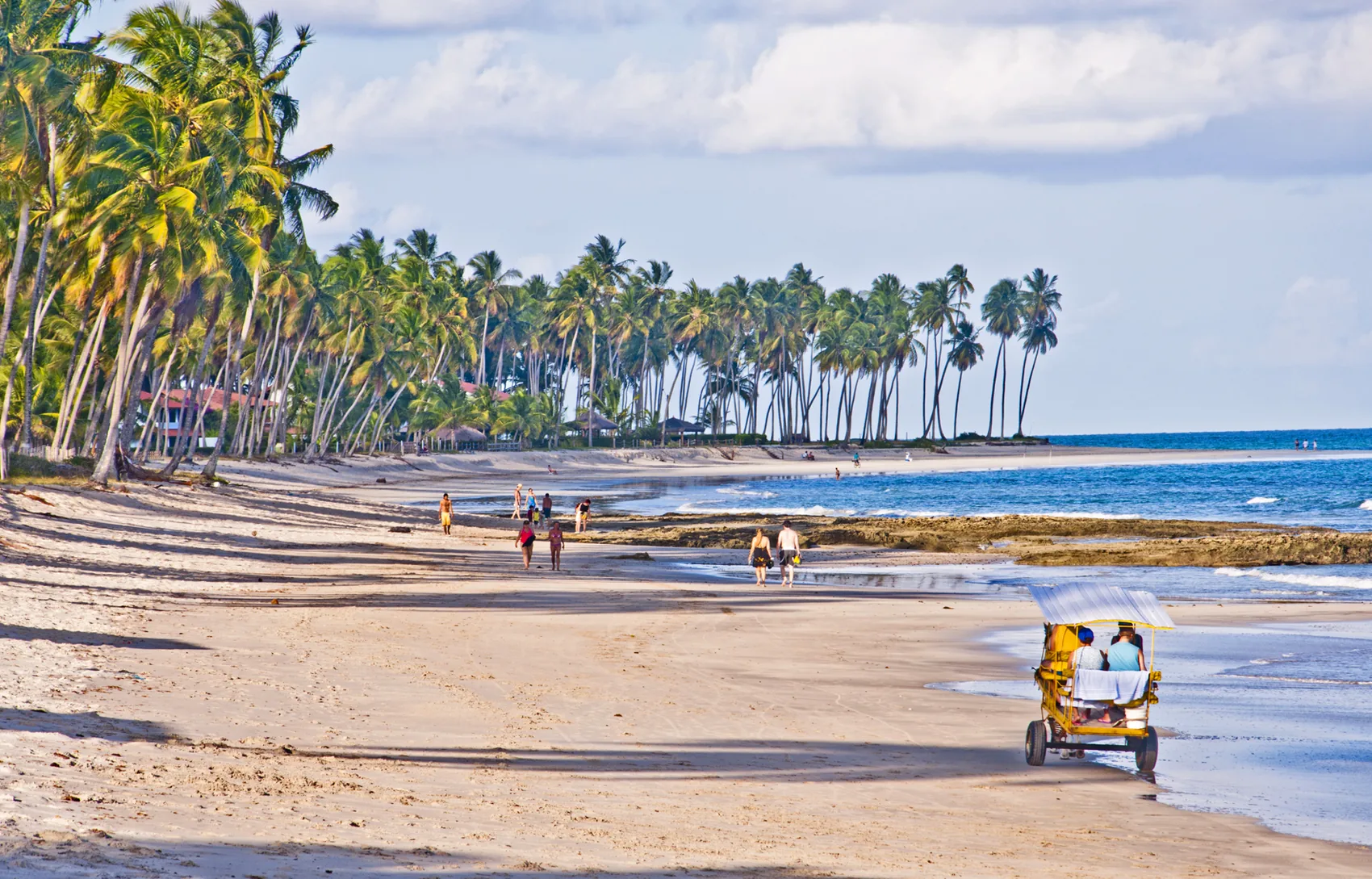
The defining fact, the one that shapes the whole experience, is that the island has no roads and bans motor vehicles. You will not see a single car, motorbike or bus once you step off the boat. Movement happens three ways: on foot along more than 150 kilometres of marked trails, by boat-taxi between beaches, and by handcart for luggage and supplies through the town. That absence of engines is not a gimmick. It is why the beaches stay quiet, why the forest comes right up to the buildings, and why an afternoon here slows down in a way that is hard to describe until you feel it.
The island is also not a resort. There is no strip of high-rise hotels, no marina full of superyachts, no boulevard of chain restaurants. What you get instead is a working caiçara island: fishing families, small guesthouses, dive shops, beach kitchens and a park headquarters, all clustered mainly in and around one town. The rest is forest and coast. Manage your expectations accordingly and you will love it. Arrive expecting Búzios or a polished beach club and you may be briefly confused, which is exactly the comparison we untangle in our Paraty versus Búzios versus Ilha Grande guide.
How to get to Ilha Grande
Because there are no roads to the island, every trip ends with a boat, and the whole plan turns on which mainland port you leave from. Three ports serve Ilha Grande: Conceição de Jacareí, the closest and busiest crossing; Angra dos Reis, the main town with the largest ferries; and Mangaratiba, further up the coast toward Rio. There is also a seasonal direct fast boat from Paraty itself. Which one makes sense depends entirely on where you are starting the day.
From Paraty and the Costa Verde
If you are staying with us above Paraty, you have two good options. In high summer, direct fast boats run from Paraty's pier to Vila do Abraão in roughly two to two and a half hours, which is scenic but weather-dependent and seasonal. The route that works all year is to drive about an hour up the coast to Conceição de Jacareí and take a flexboat, a covered speedboat, across to Abraão in twenty to thirty minutes. That short crossing is the most reliable and the kindest on anyone prone to seasickness. We cover the exact mechanics, timings and where the boats actually leave from in our dedicated Paraty to Ilha Grande piece, and it is worth reading before you commit to a day.
From Angra dos Reis
Angra dos Reis is the main mainland gateway and about ninety minutes up the coast from Paraty. From Angra you have the widest choice of departures: the large passenger ferry, which is cheap, slow and steady, and a fleet of flexboats and schooners that are quicker and pricier. Angra is the practical choice if you are already up that way, or if the sea is rough and you want the stability of the big ferry. The crossing from Angra takes around an hour to ninety minutes depending on the vessel.
From Rio de Janeiro and São Paulo
Coming from Rio, most people drive or take a bus down the Costa Verde highway to Conceição de Jacareí or Angra, a journey of roughly two and a half to three hours in clear traffic, and cross from there. Mangaratiba is the closest port to Rio and has its own ferry, which suits anyone approaching from the city's western edge. From São Paulo the island is a longer haul, on the order of five to six hours of driving to reach the crossing ports, so Ilha Grande tends to be part of a longer coastal trip for paulistas rather than a weekend dash. Either way, our broader seven-day Costa Verde itinerary shows how the island slots into a week that also takes in Paraty and the mainland beaches.
From abroad
International visitors almost always route through Rio de Janeiro's Galeão airport. From there it is a transfer down the coast to one of the crossing ports, either by private car, an organised transfer or the intercity bus to Angra. The practical advice is to build in a buffer: Brazilian coastal traffic and boat schedules do not reward tight connections, and missing the last crossing means an unplanned night on the mainland. If you are basing yourself with us and treating Ilha Grande as one chapter of a Costa Verde stay, we are glad to help you sequence the transfers so nothing is rushed. That is what the contact page is for.
Book flexboat and ferry times as a return, and note the last departure back to the mainland before you cross. Missing it is the single most common way a day trip turns into an accidental overnight.
Vila do Abraão: the island's one town
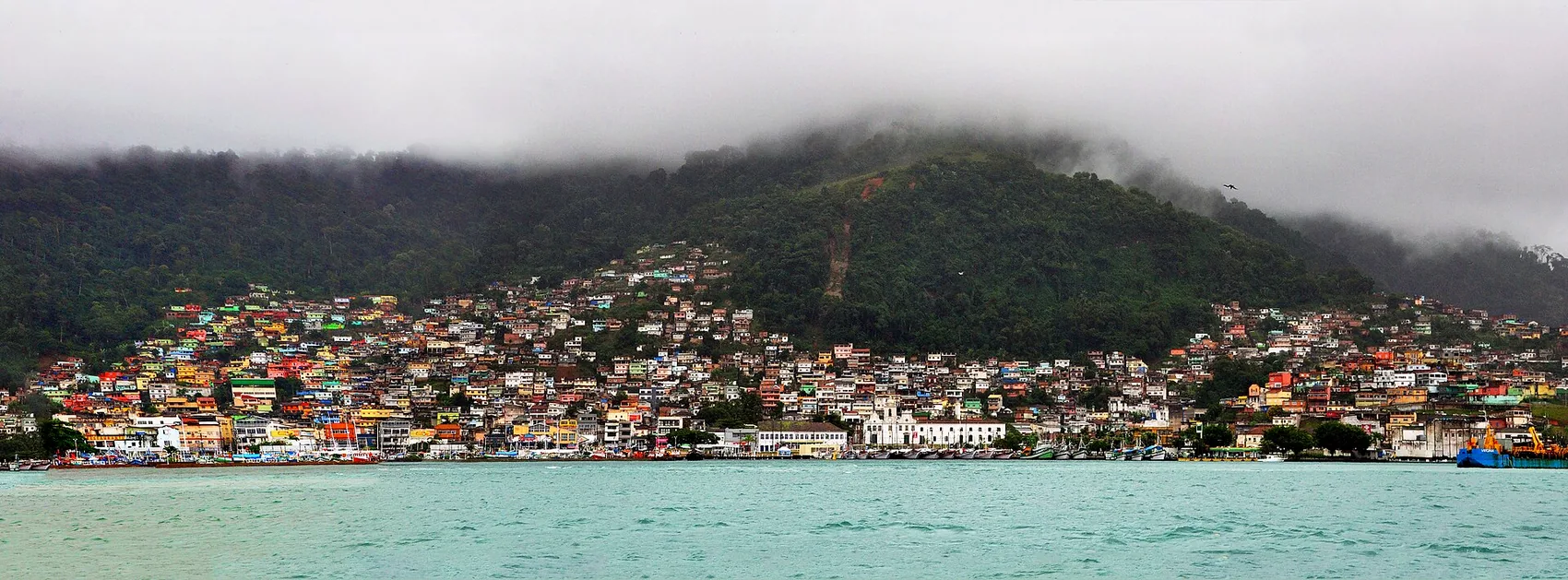
Almost everything on Ilha Grande begins in Vila do Abraão, the small town on the island's north shore where the boats land, the park headquarters sits, and most of the guesthouses, kitchens and dive shops are clustered. Think sand and stone streets rather than pavement, handcarts instead of taxis, and a waterfront lined with restaurant tables under almond trees. It is compact enough to walk end to end in fifteen minutes, and within ten minutes of stepping off the boat you can organise a boat-taxi, a round-the-island tour or a trailhead map.
Abraão is where you sort out the practical business of an island stay. This is where you eat, where you find a bed if you are staying over, and where the boat-taxi captains gather to run people out to the beaches. It has a relaxed, slightly rough-edged charm rather than polish, and in the evening, once the day boats have gone, it settles into something genuinely lovely: lanterns, the smell of grilled fish, and the sea a few steps from your table. The seafood houses at the harbour end do the obvious thing well, which is whatever came off the boats that morning, and you will eat better here by asking what is fresh than by reading a menu.
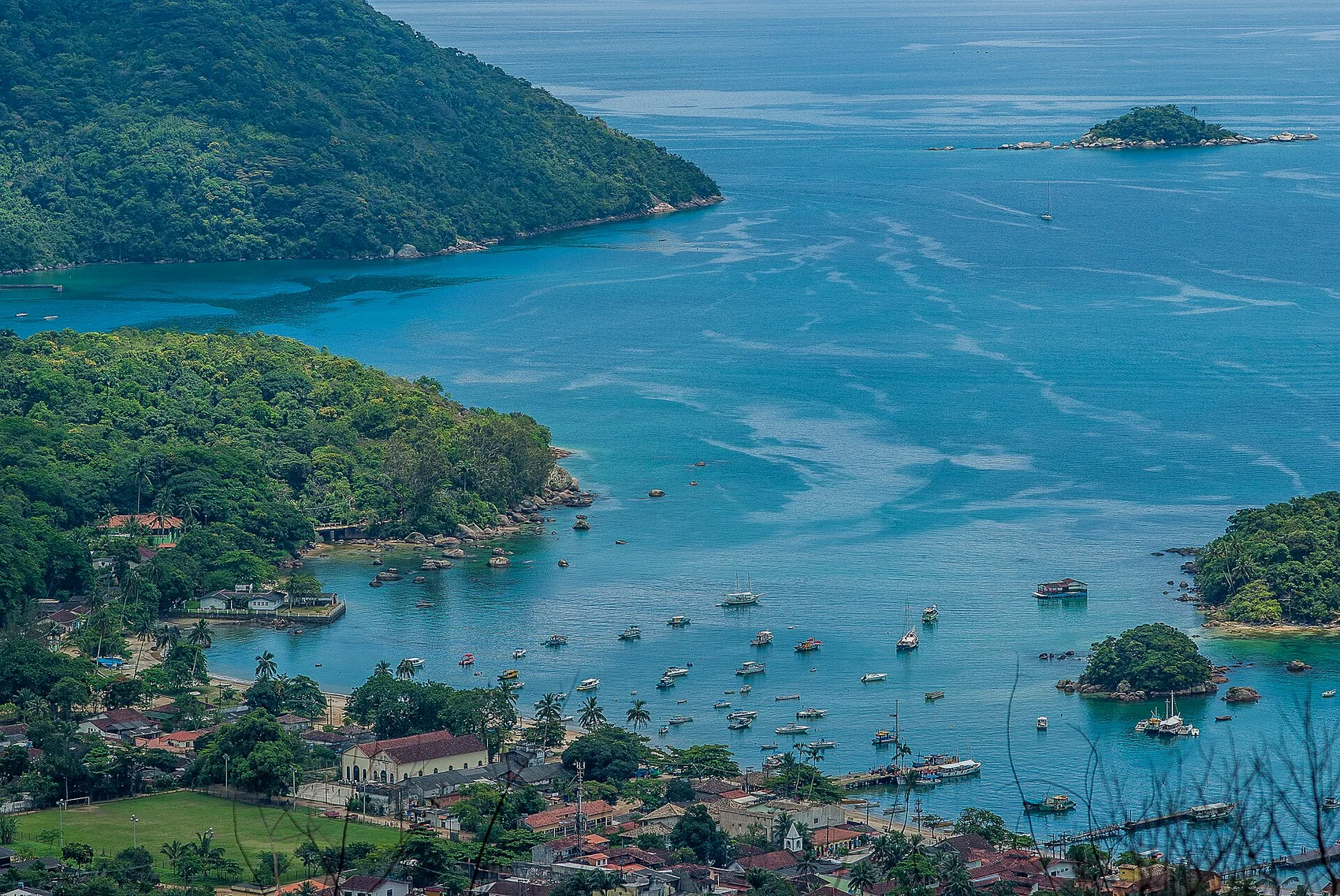
One thing to understand about Abraão is that it is a base, not a destination in itself. The town beach is pleasant and convenient but not why you came. The magic is out along the coast, which means your day here is really a hub-and-spoke affair: leave town in the morning for a beach or a trail, come back in the afternoon. Plan around that rhythm and Abraão does its job perfectly.
Lopes Mendes: the beach everyone comes for
If Ilha Grande has a single postcard, it is Lopes Mendes, a long ribbon of fine white sand on the island's exposed Atlantic side, backed by forest and washed by clear, cool, genuinely oceanic water. It regularly turns up on lists of the best beaches in Brazil, and for once the hype is close to earned. The sand is so fine it squeaks underfoot, there are no buildings behind it, and the surf has real energy, which draws a small crowd of surfers alongside the sunbathers.
Getting there is a two-part exercise, and this is where day-trippers lose time if they are not ready for it. The standard approach is a boat-taxi from Abraão to Praia do Pouso, a short ride along the coast, followed by a walk of roughly fifteen to twenty minutes on a forest trail over a low headland to Lopes Mendes itself. The alternative, for walkers, is a longer trail of around six kilometres direct from Abraão, a couple of hours through the forest each way. Most people take the boat-and-walk combination out and reverse it coming back.
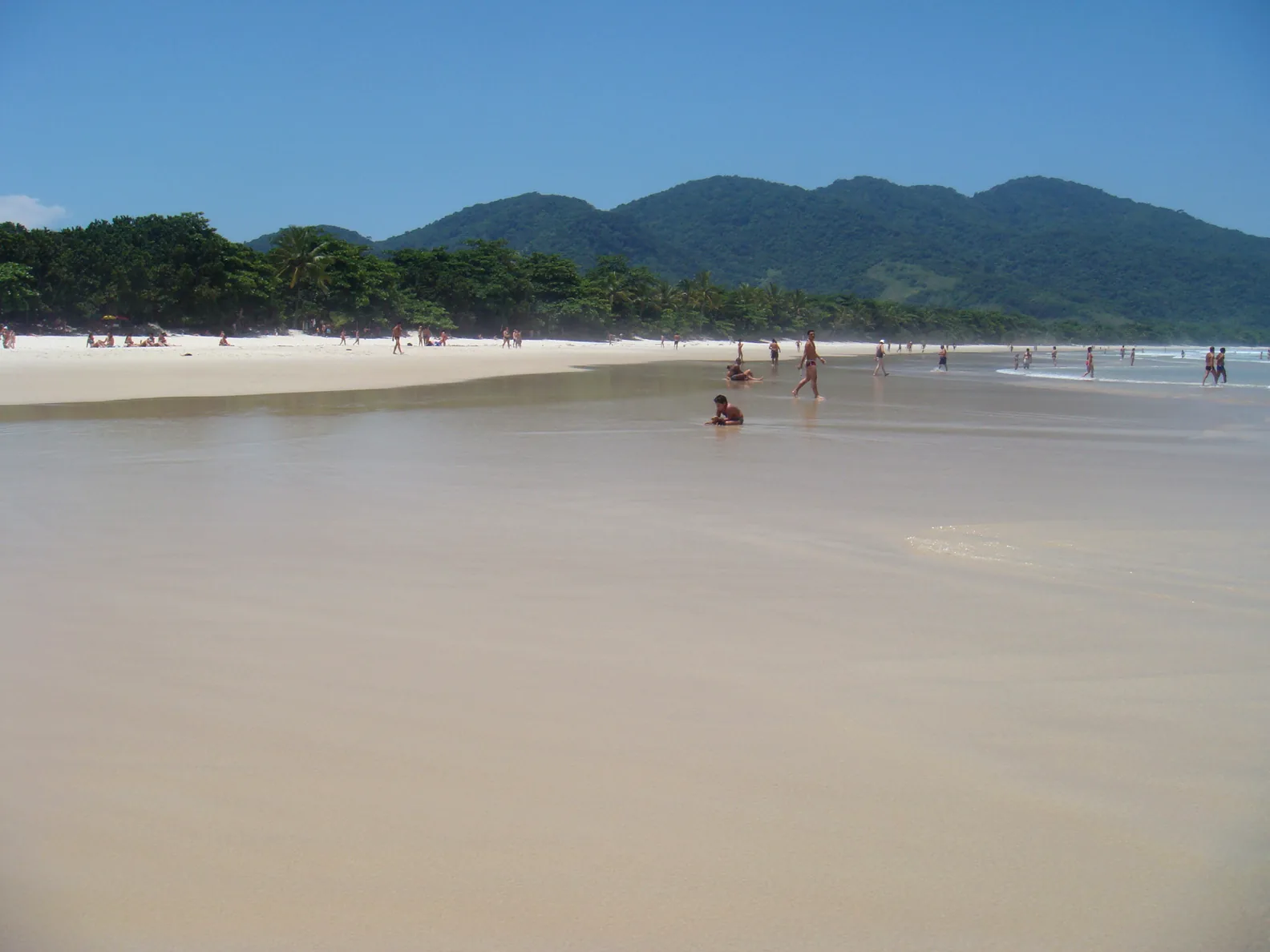
A few honest notes. There is essentially nothing on the beach itself, so bring water and something to eat, or buy it from the informal vendors who sometimes work the sand and want cash. There is no shade beyond the tree line, so come early or bring your own. And because the water is open ocean rather than sheltered bay, it is cooler and livelier than the calm coves elsewhere on the island, which is either the whole point or a reason to pick a different beach depending on your mood. Families with small children often prefer the gentler water we describe below.
The sand is so fine it squeaks underfoot, there are no buildings behind it, and for once the hype is close to earned.
The Blue Lagoon and the boat-tour circuit
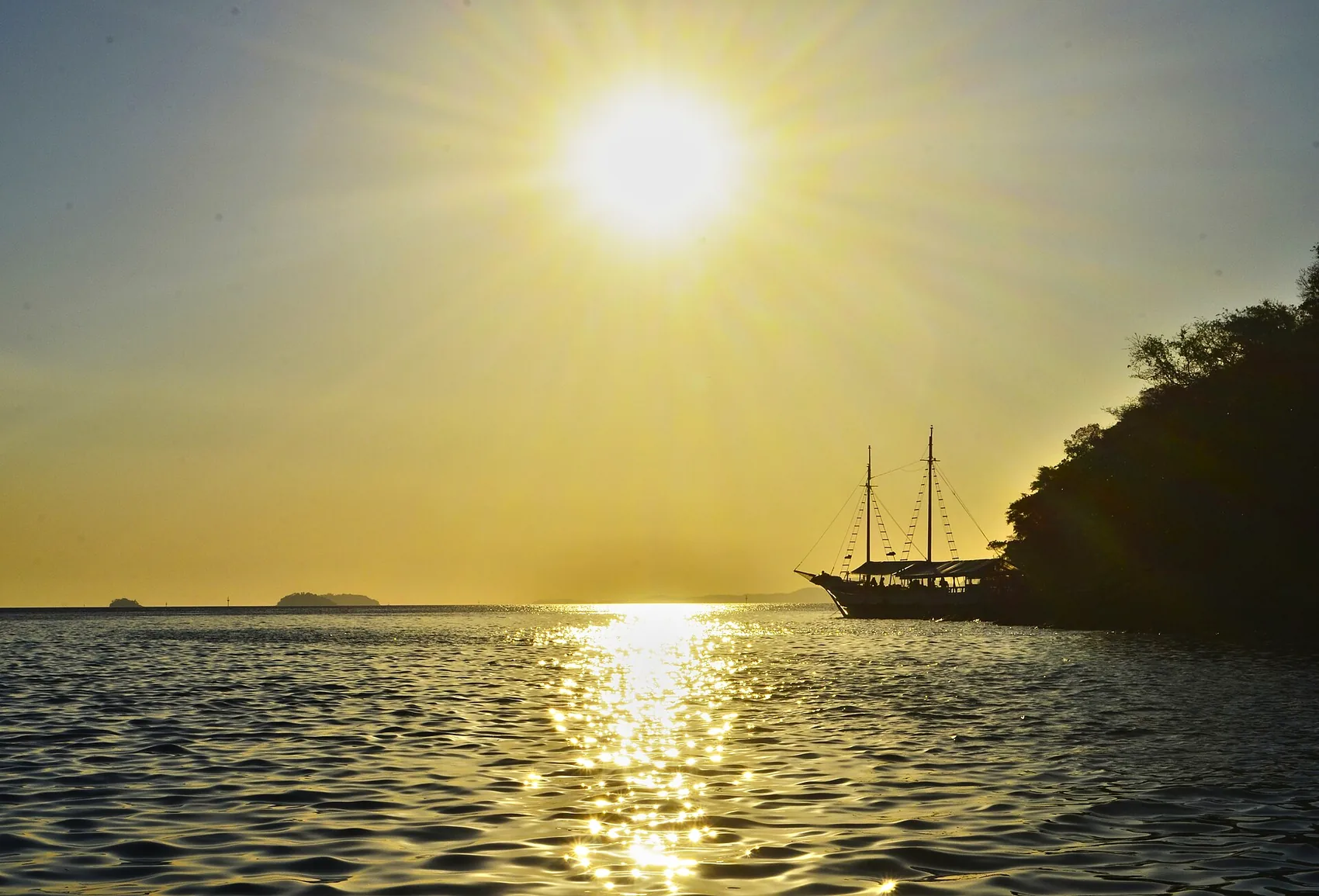
The other name every visitor arrives with is the Blue Lagoon, or Lagoa Azul, a shallow, sheltered patch of impossibly clear water among small islands off Ilha Grande's western side. It is not a beach you walk to; it is a snorkelling stop, and the standard way to see it is on one of the schooner or speedboat tours that leave Abraão each morning and string together several anchorages in a day. The water is calm, warm and full of fish, and the boats carry masks so you can slip straight in.
The classic boat tour, sometimes sold as the volta à ilha or a half-island circuit, typically links the Blue Lagoon with other calm stops such as the Lagoa Verde and a beach or two, with time to swim and snorkel at each. It is the single most efficient way to see the sheltered, clear-water side of the island in a few hours, and it is genuinely good, with the honest caveat that in peak season the best-known anchorages get busy with other boats. Going earlier in the day, or on a smaller boat, buys you clearer water and fewer crowds.
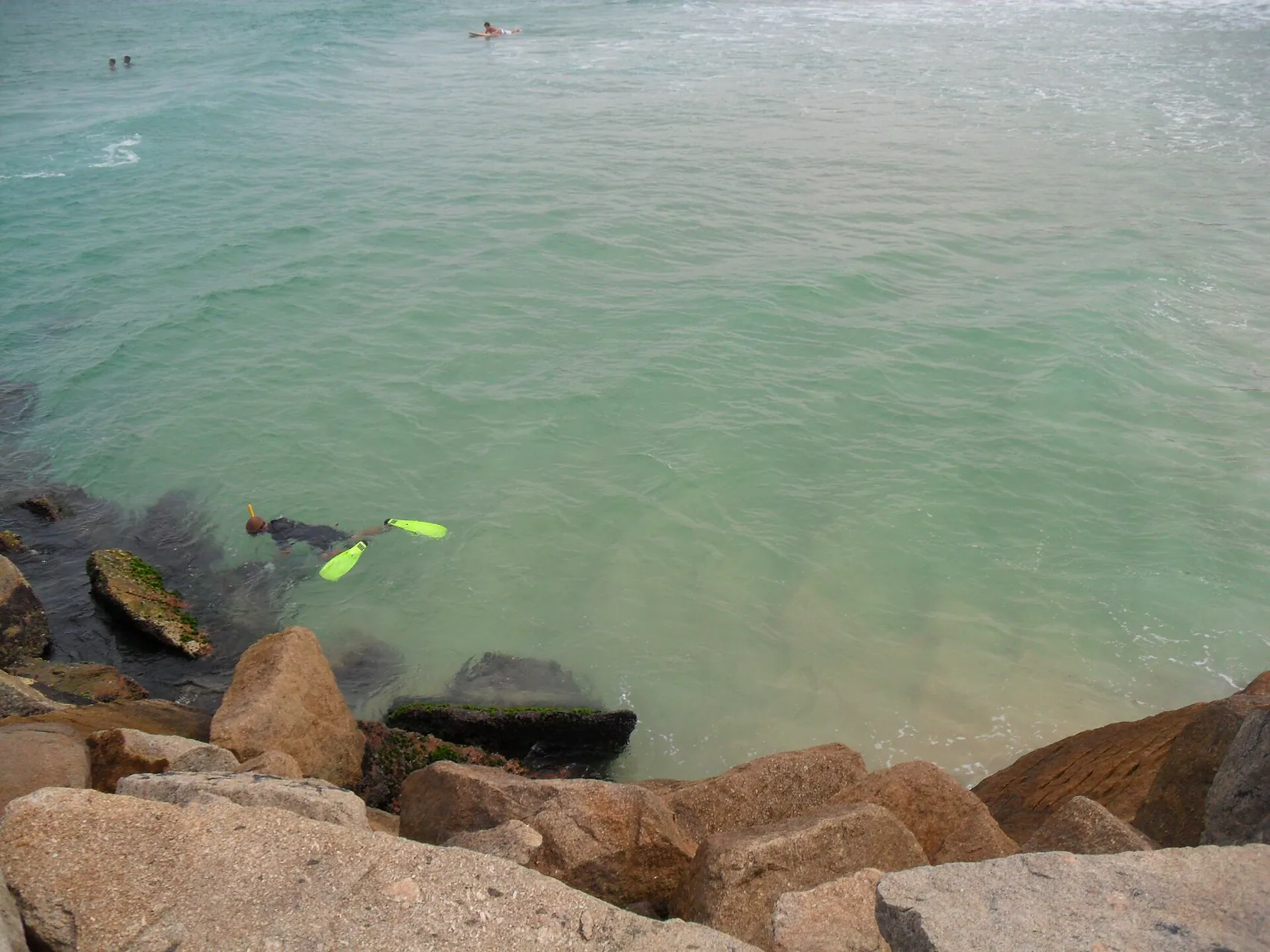
If snorkelling and clear water are the main reason you are drawn to the island, it is worth reading our wider snorkelling and diving guide before you go, because Ilha Grande sits inside one of the best underwater regions on this coast and the visibility swings a lot with the season and the wind. The drier winter months tend to bring the clearest water. Divers will find operators in Abraão running trips to wrecks and reefs around the island, and the diving here is a legitimate reason to add a day.
Trails: walking the car-free island
With no cars and more than 150 kilometres of marked trails, Ilha Grande is as much a hiking destination as a beach one, and the walking is a large part of what separates a rushed day trip from a proper visit. The trails range from gentle coastal strolls to serious half-day climbs, all of them inside protected forest, and the ones worth planning around are these.
Pico do Papagaio
The island's signature summit hike, a steep climb of roughly eleven kilometres return to a granite peak with a view over the whole bay. Many people do it before dawn to reach the top for sunrise, which means head-torches and an early start, and it is steep and demanding enough that going with a local guide is the sensible call. The reward, on a clear morning, is the entire archipelago laid out below you with the mainland mountains behind. This is a proper mountain day, not a stroll, so treat it like one.
Feiticeira and the closer walks
For something gentler, the trail from Abraão toward the Feiticeira beach and its waterfall makes an easy half-day, forest most of the way with a swim at the end. Several of the nearer beaches connect to town by short, well-trodden paths, so you can string together a low-effort walking day without ever getting on a boat. These are the walks to give first-time visitors, families, or anyone who wants the forest without the mountain.
Dois Rios and the far side
A longer trail crosses the island from Abraão to Dois Rios, the village on the far shore where the old prison stood, a walk of a few hours each way through the forest interior. It is a rewarding day for stronger walkers who want to see the island's wilder side and its history in one go. Whatever you choose, the ground rules are the same as anywhere on this coast: start early before the afternoon heat and storms, carry water, tell someone your plan, and take your rubbish out with you. Our packing guide covers the footwear and small kit that make these trails comfortable rather than miserable.
Beaches beyond Lopes Mendes
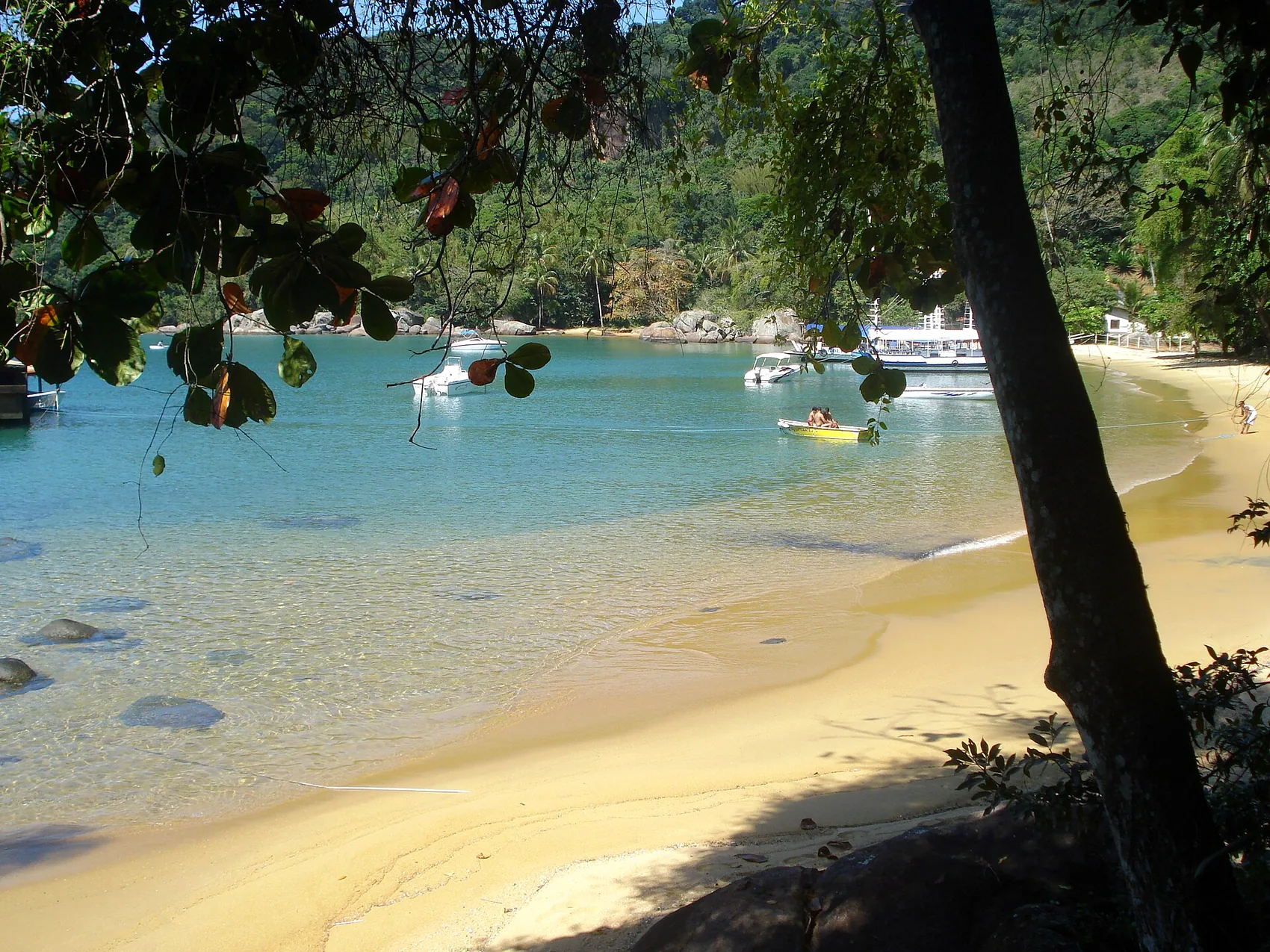
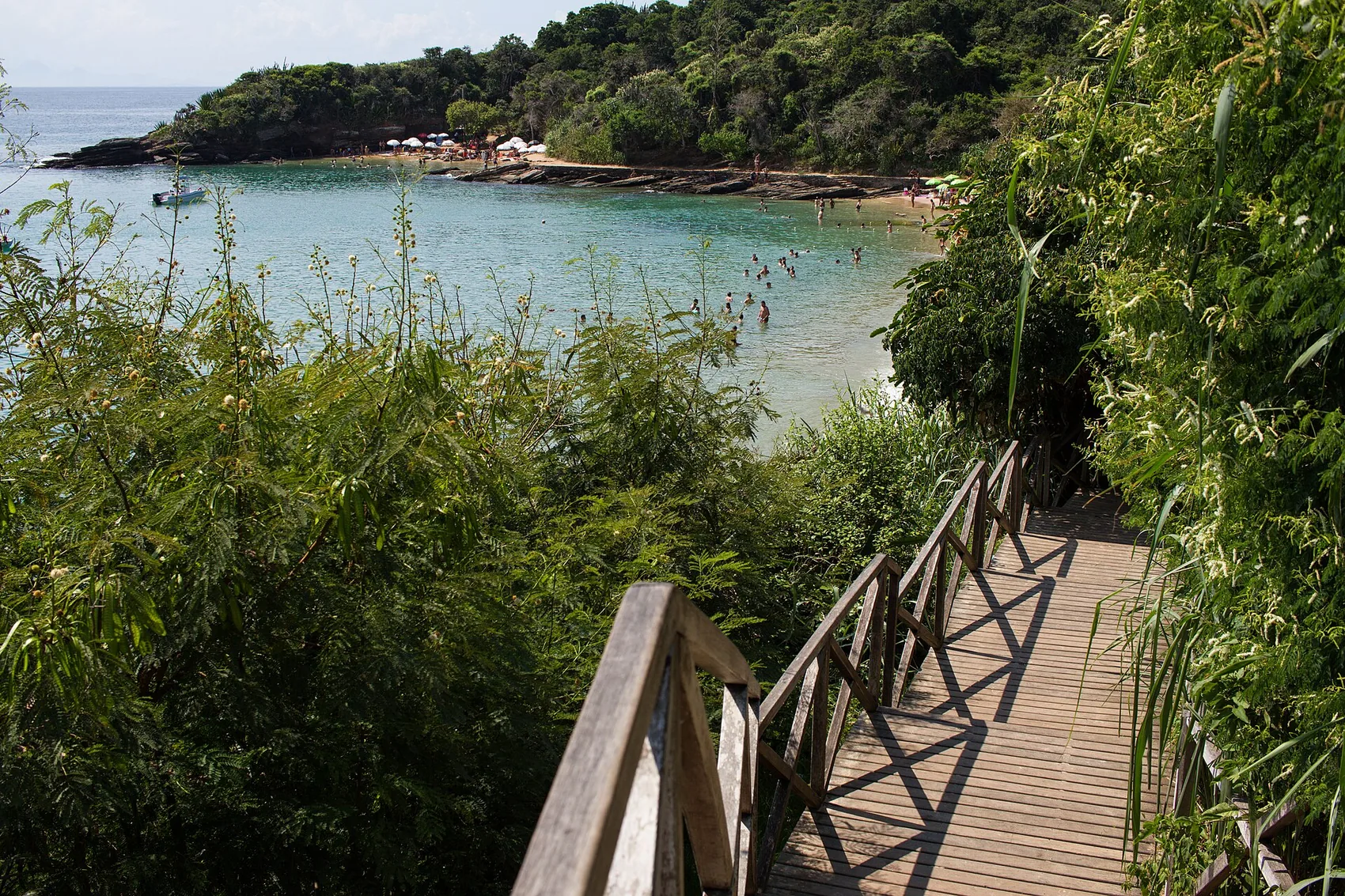
Lopes Mendes gets the headlines, but the island has dozens of beaches, and part of the pleasure is that they are so different from one another. On the sheltered northern and western sides you find calm, clear coves ideal for swimming and snorkelling, several of them stops on the boat tours or short boat-taxi rides from Abraão. These are the family-friendly waters: flat, warm and shallow, a world away from the surf on the Atlantic side.
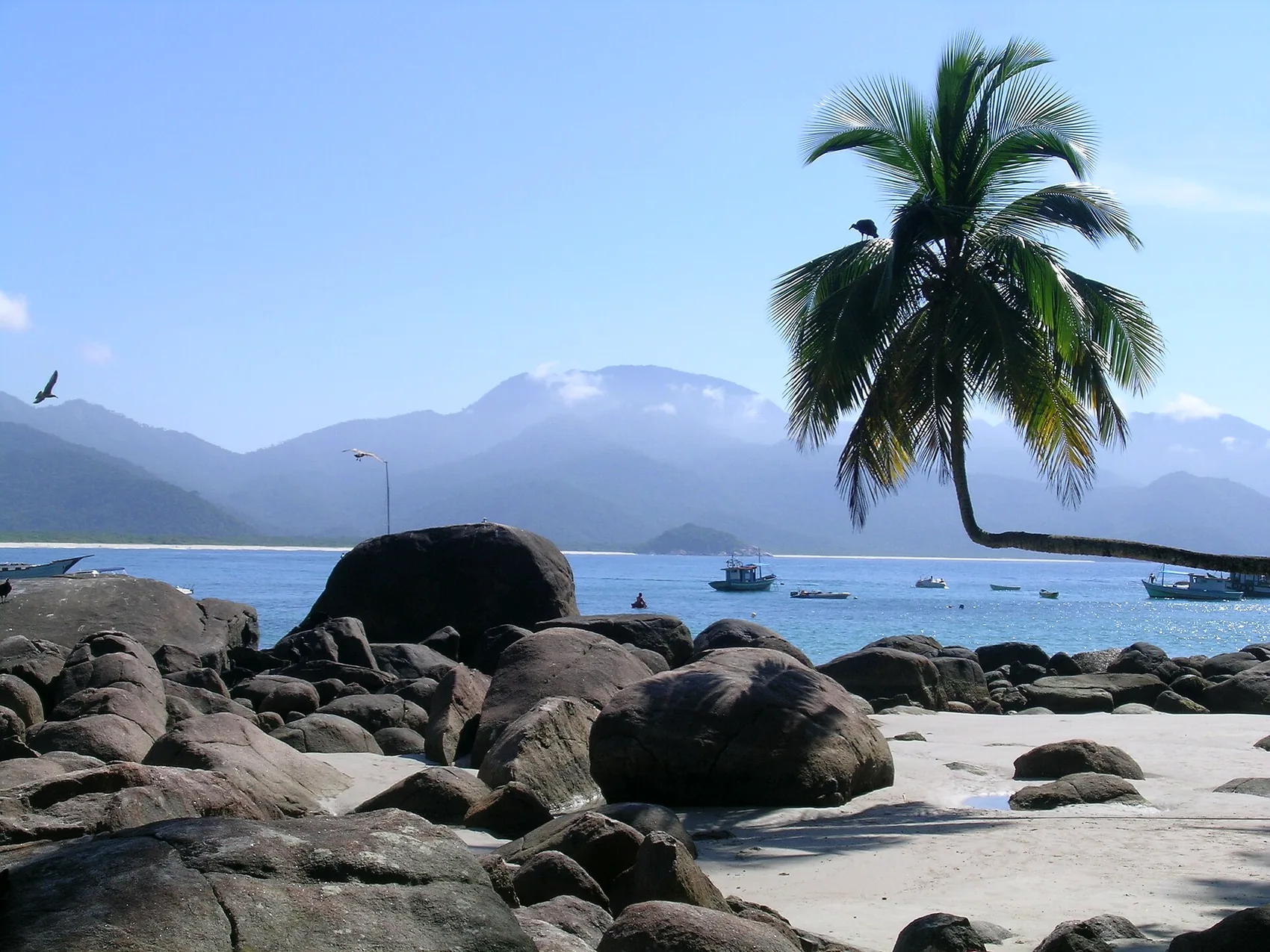
For the adventurous, the far southern shore holds Aventureiro, one of the most remote and striking beaches on the island, famous for a wind-bent palm leaning almost flat over the sand. It sits inside a stricter conservation zone, takes real effort to reach by a long boat ride or trek, and rewards that effort with something close to solitude. It is not a casual afternoon; it is a destination in its own right for people who want the island at its wildest.
The practical takeaway is to match the beach to your day and your group. Calm coves and the Blue Lagoon for easy swimming and children, Lopes Mendes for the classic ocean beach, Aventureiro and the far side for a committed adventure. You cannot do all of it in a single visit, which is the best argument there is for staying more than a few hours.
It also helps to know how the beaches connect. Some sit a short boat-taxi apart and can be strung together in a single afternoon; others, especially on the exposed southern side, are separated by long swells and headlands that make hopping between them impractical. The captains in Abraão know which combinations work on a given day's sea, so it is worth describing the sort of day you want rather than naming a fixed list of beaches. A flexible plan built around the wind almost always beats a rigid one, and it is how the people who live here approach the water themselves.
A history worth knowing
Ilha Grande is beautiful now partly because of a past that kept it empty. In 1886 the island became home to the Lazareto, a quarantine station where arriving immigrants were held to stop epidemics reaching the mainland. Later, in the twentieth century, the island held prisons, most notoriously the Cândido Mendes penitentiary at Dois Rios, built in 1940 and sometimes called Brazil's Alcatraz. For decades it held serious criminals and, during the military dictatorship, political prisoners. It was demolished after closing in 1994.
That grim history is why development never took hold, and why so much forest survived. When the prison closed, the state turned much of the island into protected parkland, and the beaches and trails visitors enjoy today exist in that condition largely because for a century most people were kept away. The ruins of the Lazareto near Abraão and the quiet village of Dois Rios, with its small museum, are worth the walk for anyone who wants to understand how a place this lovely came to be so undeveloped. It is a good reminder that the island's peace is a recent and hard-won thing.
Day trip versus overnight: the honest call
This is the decision that shapes the whole trip, and it is worth being blunt about. A day trip to Ilha Grande is possible, and plenty of people do it, but it is a compromise. Once you subtract the crossing each way and the boat-taxi transfers on the island, a day visit gives you time for either one boat tour or a single beach, and you spend a good chunk of it moving. You will see the island. You will not settle into it.
Staying one night changes the character completely. You cross with a daypack, do a full beach day or a boat tour without an eye on the clock, watch the day-trippers leave in the late afternoon, and have Abraão and the sea to yourself for an evening. The next morning you get the second thing the island does best, whether that is Lopes Mendes in soft early light or a trail before the heat. Two days and one night is the sweet spot for most visitors, and it is what we quietly steer guests toward.
If you are basing yourself with us, the cleanest plan is to leave the bulk of your luggage at the chalé, cross to Ilha Grande with a small overnight bag for one night, and come back to your own space and the pool afterwards. You get the island properly without turning your whole trip into a boat schedule.
There is a middle path that many of our guests take, which is to treat Ilha Grande as an overnight excursion from a longer Paraty base. You keep the comfort and the quiet of a hillside chalet as your home, drive up, cross for a night, and return. It gives you the best of the island without giving up the best of the mainland, and it means the fiddly island logistics are just one chapter of an otherwise unhurried trip. If you are still weighing how long to give the whole region, our how many days in Paraty guide lays out the trade-offs.
Costs, cash and practicalities
A few practical realities decide whether an Ilha Grande day runs smoothly. The most important is cash. There are no ATMs on the island and card acceptance is inconsistent, especially with boat-taxi captains, beach vendors and smaller kitchens. Withdraw everything you expect to need on the mainland before you cross, bring a bit extra, and keep it dry in a sealable pouch. Running short on an island with no cash machine is a genuinely awkward situation, and asking a guesthouse to spot you for a boat ride is not a position you want to be in on your first afternoon.
Budget for the layered costs, too. A trip to Ilha Grande is not a single ticket; it is the crossing, then boat-taxis to and from beaches, then tour fees, food and a bed if you stay. None of it is expensive by international standards, but it adds up and it is mostly paid in cash on the day. There is also a small environmental access fee for the state park in places, another reason to carry change.
Pack light and pack smart. You will be carrying your own bag on and off boats and along trails, so a soft daypack beats a wheeled case. Bring reef-safe sunscreen, water, a dry bag for your phone, sturdy shoes for the trails and reef shoes if you have them, since some entries are rocky. Phone signal is patchy away from Abraão, so download maps and screenshot your boat times before you leave. And take everything out with you: this is protected land, and the beaches stay clean because visitors carry their litter home.
When to go
Ilha Grande is a year-round destination, but the season shapes the trip. The Brazilian summer, from December to March, brings the warmest water, the liveliest beaches and the fullest boat schedules, along with the biggest crowds, the highest prices and frequent afternoon storms. If you want the beaches at their most vivid and do not mind sharing them, this is the postcard season, though the New Year and Carnival peaks are busy and best booked well ahead.
Our own preference, and the one we usually pass on to guests, is the shoulder and drier months. The cooler, drier stretch tends to bring the clearest water for snorkelling and diving, calmer seas for the crossing, and quieter trails and beaches. The water is a touch cooler and some tour frequencies drop, but the island feels more like itself. Our best time to visit guide covers the seasonal detail for the whole region, and it applies neatly to the island, since the same weather that shapes Paraty shapes the crossing.
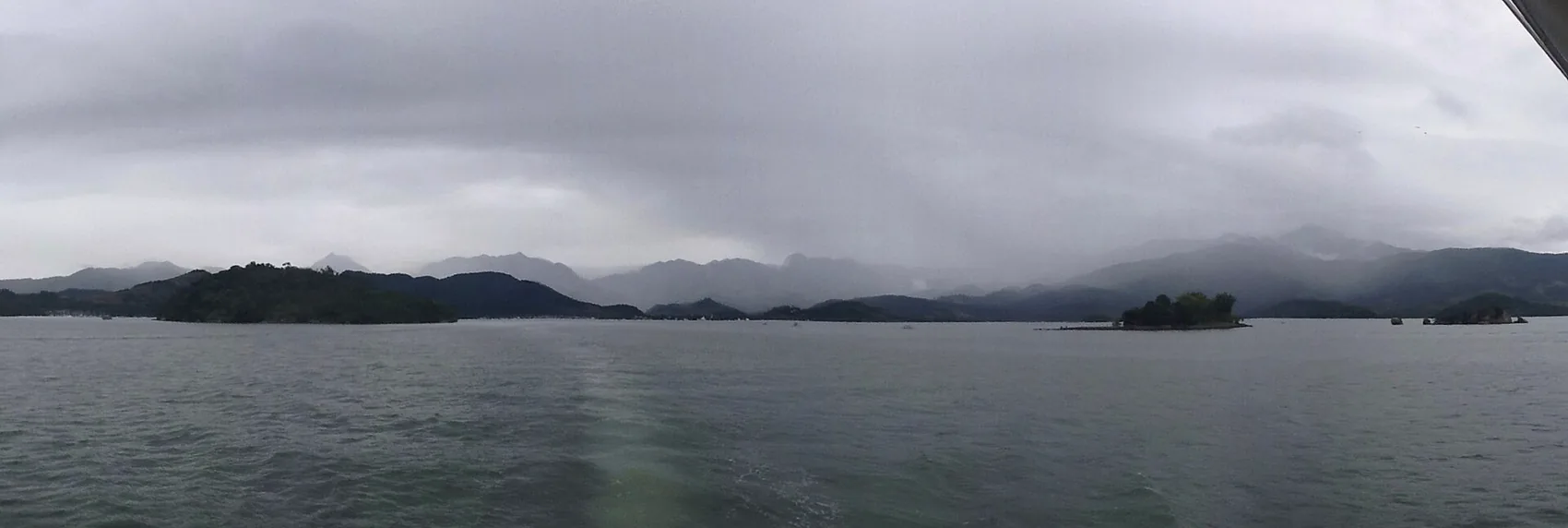
Whatever month you choose, the deciding factor on any given day is the wind and sea state, not the calendar. A settled day in winter can be flat and glassy, while a stormy summer afternoon can cancel boats and churn the crossing. Watch the forecast in the days before you go, keep the plan flexible, and be ready to swap your island day for the one with the calmest sea.
A simple two-day plan
If you want a template, here is the shape of the trip we most often sketch out for guests, adjustable to your energy and your group. It assumes one night on the island and a base back on the mainland with us.
- Day one, morning: Drive to Conceição de Jacareí, cross by flexboat to Abraão, drop your overnight bag, and take a boat-taxi to Praia do Pouso for the walk to Lopes Mendes. Spend the afternoon there with water and a picnic.
- Day one, evening: Back in Abraão for a shower and a slow dinner of grilled fish at the waterfront once the day boats have gone. Watch the light go over the bay.
- Day two, morning: Choose your island: an early boat tour to the Blue Lagoon and the calm coves, a gentler forest walk to a waterfall beach, or, for the fit and organised, the Pico do Papagaio climb at first light with a guide.
- Day two, afternoon: Cross back to the mainland, drive home, and end the day with a swim in the pool and the whole island laid out below you from the deck.
That last line is not a flourish. One of the quiet pleasures of visiting Ilha Grande from a hillside base is coming home to a still pool and a triple view of the very water you spent the day in. For a longer stay, this two-day island block drops neatly into a wider week, which is exactly how we build the seven-day Costa Verde itinerary.
How this Ilha Grande guide fits into a Paraty stay
People sometimes ask whether they should base themselves on Ilha Grande or on the mainland. Both work, and it depends on what you want. If your whole trip is the island, if you are a diver or a serious walker who wants to be on the trails at dawn, base in Abraão and give it your days. But for most travellers, and certainly for anyone who wants comfort, space and a range of things to do, the mainland is the smarter home, with Ilha Grande as one memorable overnight inside a broader trip.
That is the case we make for staying above Paraty. Chalé Bel Air sits about 400 metres up the hillside, a short drive above town, with an infinity pool and one deck that holds a triple view of the Bay of Paraty, Angra dos Reis and Ilha Grande itself. You wake up looking at the island you are going to visit, you cross for a night with a daypack, and you come back to your own quiet space and a swim rather than a crowded guesthouse. It is the version of the trip we would want ourselves, and it keeps the island's fiddly logistics to a single chapter rather than the whole story.
Around that island block there is a whole region to explore, and the same waters that carry you to Ilha Grande carry you to the mainland's own coves and the fjord-like Saco do Mamanguá closer to home. Our ultimate guide to Paraty is the place to start, the boat days page covers time on the water from the mainland side, and if you would like help sequencing an island night into your trip, the explore pages and our contact page are the fastest way to get honest, specific advice. Ilha Grande is worth every bit of the trouble it takes to reach. It just rewards the traveller who plans it, and that is the whole reason this guide exists.
Come stay above the bay
Chalé Bel Air sits on the ridge that looks over everything in this guide. Tell us your dates and what kind of trip you are after — we answer personally.
Ask about your datesFrequently asked questions
How do you get to Ilha Grande?
Only by boat, since there are no roads to the island. Most travellers cross from Conceição de Jacareí, Angra dos Reis or Mangaratiba on the mainland, or take a direct seasonal fast boat from Paraty. From our part of the coast the quickest reliable route is to drive about an hour to Conceição de Jacareí and take a 20 to 30 minute flexboat to Vila do Abraão.
Is Ilha Grande worth visiting as a day trip?
It is possible but tight. A day trip gives you a boat tour or a rushed Lopes Mendes and little else, because the crossing and the on-island transfers eat most of the daylight. If you can spare one night, stay over. You get the beaches without watching the clock, plus the quiet waterfront after the day boats leave.
What is the best beach on Ilha Grande?
Lopes Mendes is the famous one, a long stretch of fine white sand and clear water reached by a boat-taxi plus a short forest walk. For calm, snorkel-clear water the Blue Lagoon is the standout. For wild and remote, the far-side beaches such as Aventureiro reward the effort. There is no single best beach, only the right one for your day.
Are there cars on Ilha Grande?
No. Ilha Grande has no roads and motor vehicles are banned across the whole island. You move around on foot, by boat-taxi or on the network of marked trails, and goods are wheeled through Abraão on handcarts. It is one of the reasons the place feels the way it does.
How long does it take to get from Paraty to Ilha Grande?
Plan on roughly three hours door to door. In high season a direct fast boat from Paraty's pier reaches Vila do Abraão in about two to two and a half hours. The year-round route is a one-hour drive to Conceição de Jacareí followed by a 20 to 30 minute flexboat crossing.
Do you need cash on Ilha Grande?
Yes, bring enough for your whole stay. There are no ATMs on the island and card acceptance is patchy, especially for boat-taxis, beach vendors and smaller kitchens. Withdraw what you need on the mainland before you cross, and keep it dry in a waterproof pouch.
How many days do you need on Ilha Grande?
Two days and one night is the sweet spot for most visitors: one day for Lopes Mendes and a boat tour, one for a trail or a slower beach, with the evening in Abraão in between. Trekkers and divers happily fill three or four. A single day is enough only to say you have been.


.jpg)

