Cachaca is Paraty's oldest industry and still its signature taste. This is the long version of what we tell guests: what the alambiques in the hills are, how a tasting actually works, how to tell a good white spirit from a barrel-aged sipper, and how to visit without anyone having to drive home.
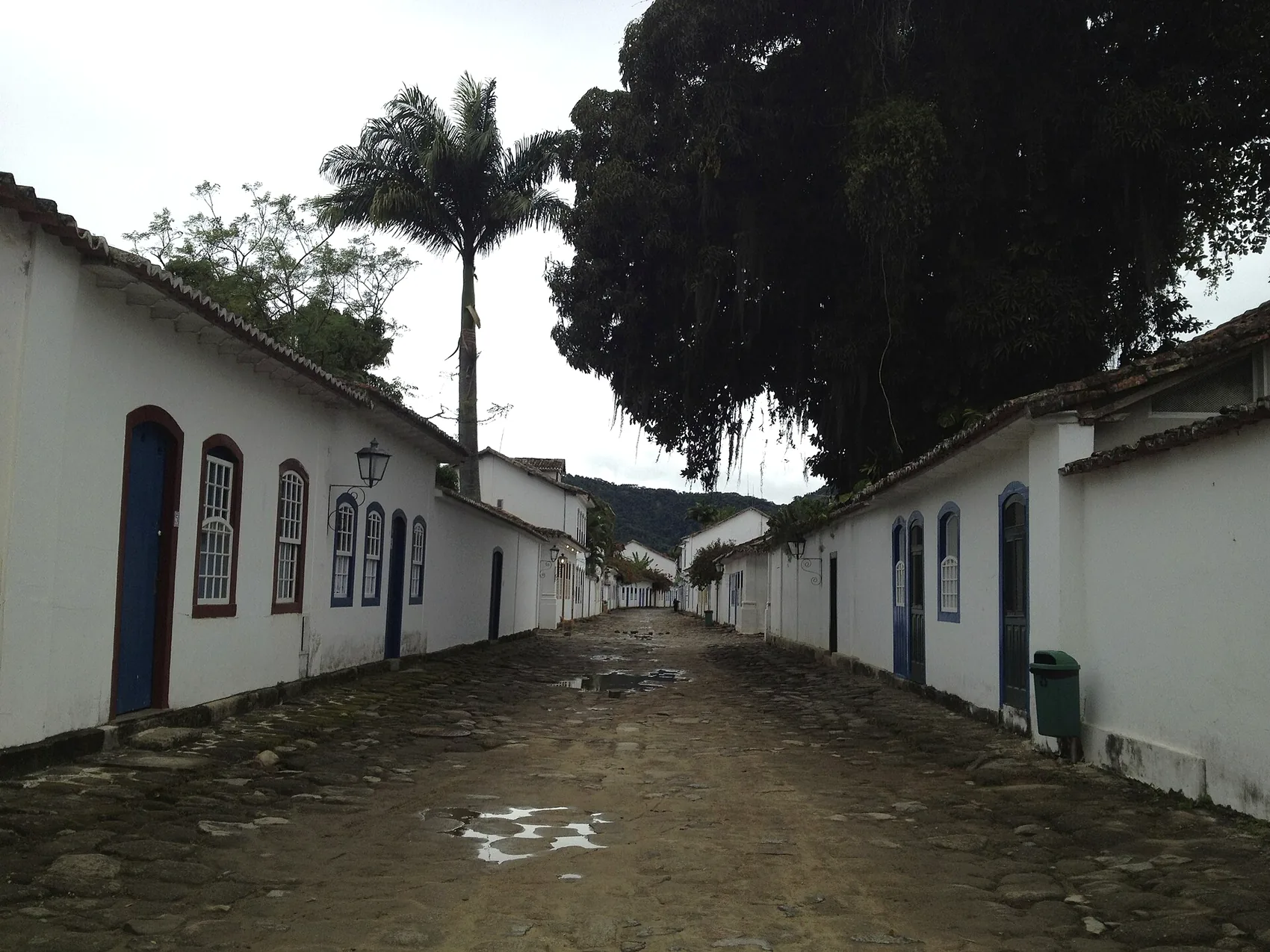
If Paraty has a smell, it is woodsmoke and warm sugarcane drifting out of the hills on a still afternoon. Long before the schooners and the literary festival, before the cobblestones were anything but a working port's streets, this was a sugar-and-spirit town. The bay shipped gold; the valleys behind it grew cane and turned it into cachaça. Three hundred years later the distilleries are still up there in the forest, many of them family-run, and a morning spent among them is one of the most honest things you can do here. It is also, done right, one of the most enjoyable.
We host guests on the ridge above all of this, and cachaça comes up in almost every conversation before a visit. People are curious, a little wary — they have met cachaça once, in a rough caipirinha somewhere, and assume that is the whole story. It is not. What follows is the long answer: what cachaça actually is, why Paraty of all places became known for it, how a tasting works, how to tell a grassy white spirit from a barrel-aged one worth sipping slowly, and how to do all of it without anyone having to think about driving home. For the wider context of where this fits in a Paraty trip, start with our complete guide to Paraty.
What cachaça actually is
Cachaça is a spirit distilled from sugarcane. That one sentence is enough to get you started, but the detail is where it gets interesting, and where the difference between a bottle worth carrying home and a bottle worth avoiding lives.
Most rum in the world is made from molasses — the thick, dark syrup left over after sugar has been crystallised and refined out of the cane. Cachaça is different at the very first step: it is made from fresh-pressed sugarcane juice, distilled soon after the cane is cut and crushed, before any sugar is taken out. That changes everything downstream. Where molasses-based rum tends toward caramel, toffee and dark sweetness, cachaça keeps a greener, brighter, more vegetal note — something of the living plant survives the still. People who know rhum agricole, the French-Caribbean style made the same way from cane juice, will recognise the family resemblance immediately.
By law cachaça is a Brazilian product, made in Brazil, bottled at roughly 38 to 48 percent alcohol. It comes in two broad worlds that have almost nothing to do with each other. The first is industrial cachaça: mass-produced, run through tall continuous column stills, made for scale and consistency and for being mixed into something else. This is the cachaça most foreigners have met, and it is the reason the spirit has an undeserved reputation as rough. The second is artisanal cachaça, the kind Paraty makes — small batches, pot-distilled in copper, made on the same farm that grew the cane. That is the cachaça worth travelling for, and it is a genuinely fine spirit.
Why Paraty, of all places
Cachaça is made all over Brazil, so why does Paraty wear it like a badge? The answer is in the town's history, and it goes back almost as far as the town itself.
Sugar came before gold
Paraty was a sugar coast before it was a gold port. The warm, wet valleys behind the bay were planted with sugarcane early in the colonial period, and with cane came the mills — the engenhos — that pressed it. By the 17th and 18th centuries the area held a large number of these mills, and where there is a sugar mill there is, sooner or later, a still. Crushing cane leaves you with juice; ferment the juice and distil it and you have a spirit. Paraty had the cane, the water running down off the mountains, and the copper to build stills, and it made cachaça in serious quantity. At its height the region counted distilleries by the dozens, and the spirit moved out through the same harbour that handled everything else.
Gold, ships and a spirit that travelled
Then came the gold. When the mines of Minas Gerais opened in the 1700s, Paraty became the port where the gold reached the sea, carried down out of the mountains on mule trains along the stone-paved Caminho do Ouro, the Gold Trail. You can still walk surviving stretches of that road in the forest above town. That trade made Paraty rich, but it did something else for cachaça: it gave the spirit a route to the world. Ships leaving for Rio, for Lisbon, for the ports of the African slave trade, carried cachaça as cargo. The spirit became money, traded and shipped and demanded far beyond the valley that made it.
When "parati" meant the spirit itself
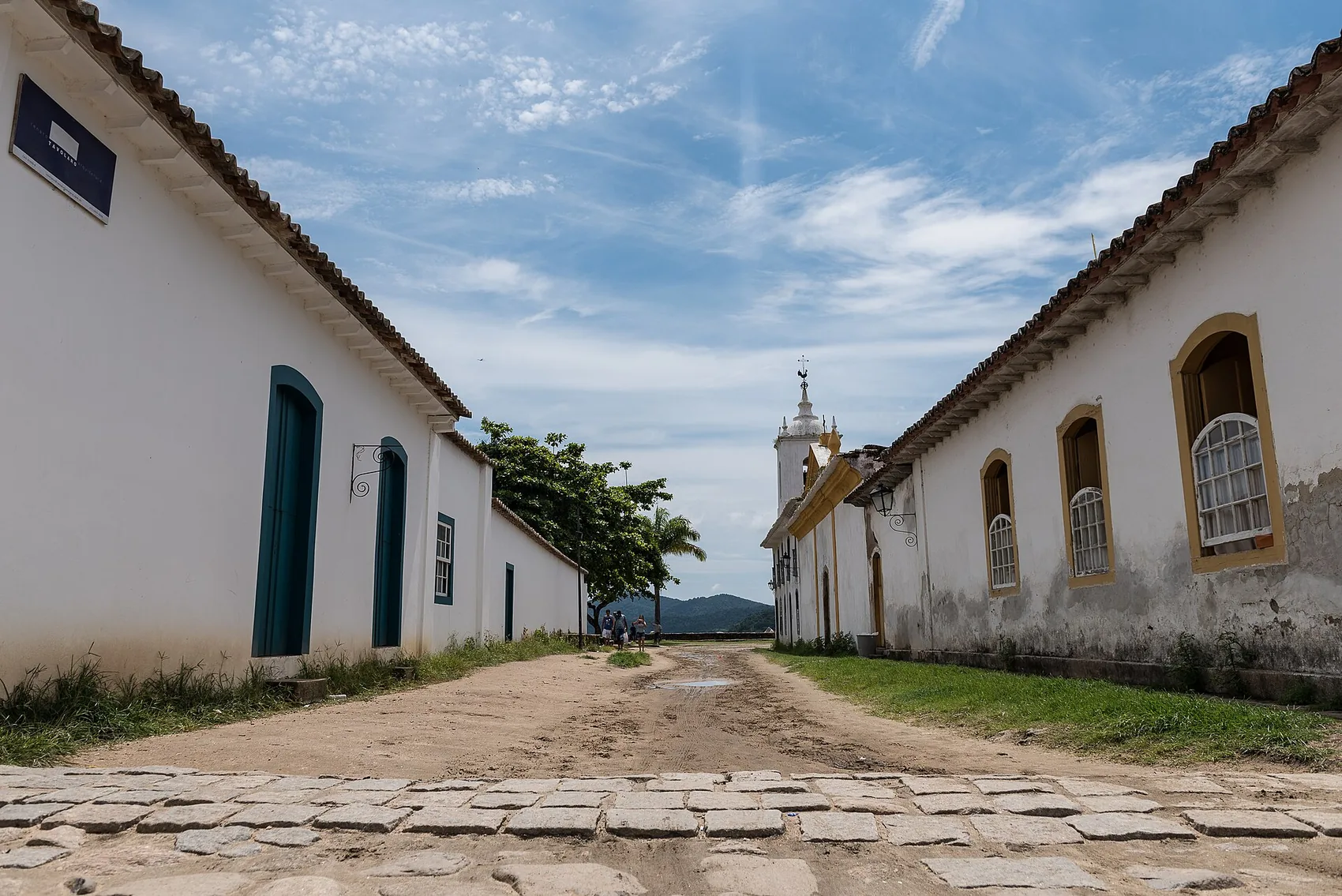
Here is the detail that tells you how famous the local product once was. For a stretch of Brazilian history, the cachaça made here was so well known that the town's name became a byword for the spirit. To order a "parati" in parts of old Brazil was to order a cachaça, the way you might once have asked for "a champagne" and meant any sparkling wine. The place and the drink had become, for a while, the same word. Not many towns can say their name was borrowed by their best product. For the deeper version of all this — the slavery the sugar economy ran on, the boom and the long quiet afterward — see our history of Paraty.
For a while the town's name was simply slang for the spirit. To ask for "a parati" was to ask for a cachaça.
The alambiques in the hills
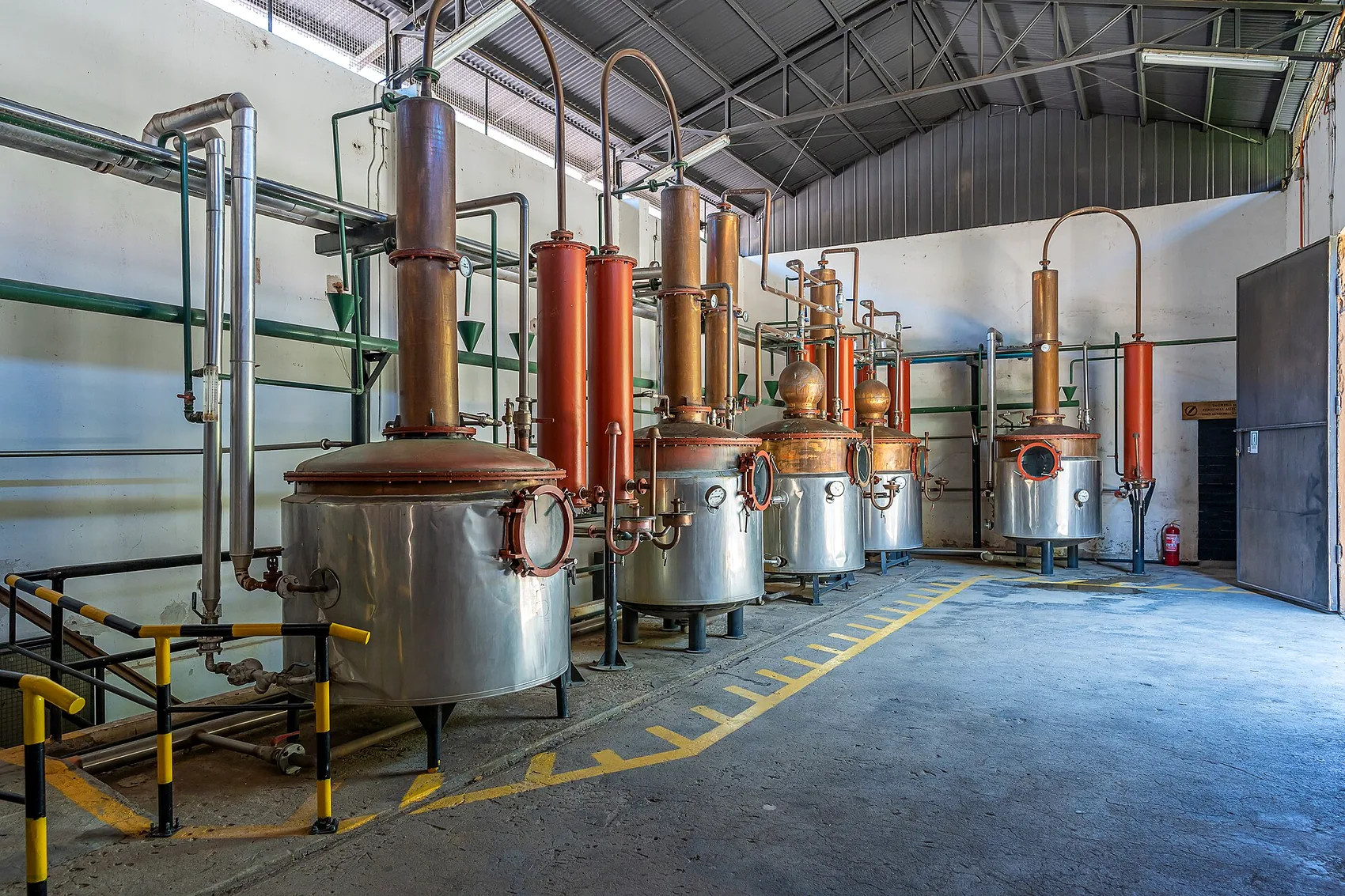
An alambique (al-am-BEE-kee) is, strictly, the copper pot still itself — but in everyday Paraty speech the word has come to mean the whole working distillery: the farm, the press, the fermentation shed, the still and the ageing room together. When a guest says they want to "do an alambique," they mean they want to visit one of these places, walk through it, and taste what comes out.
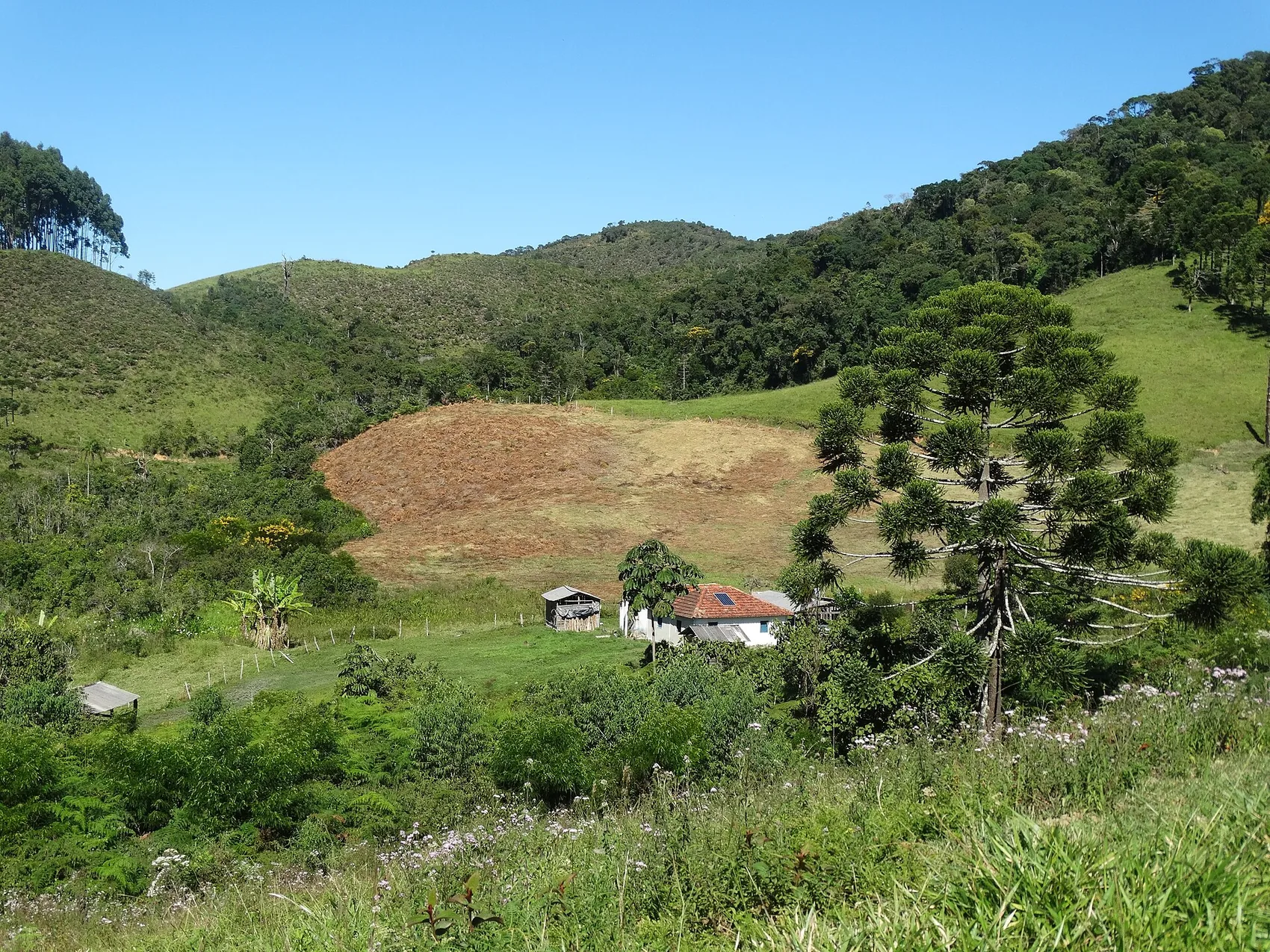
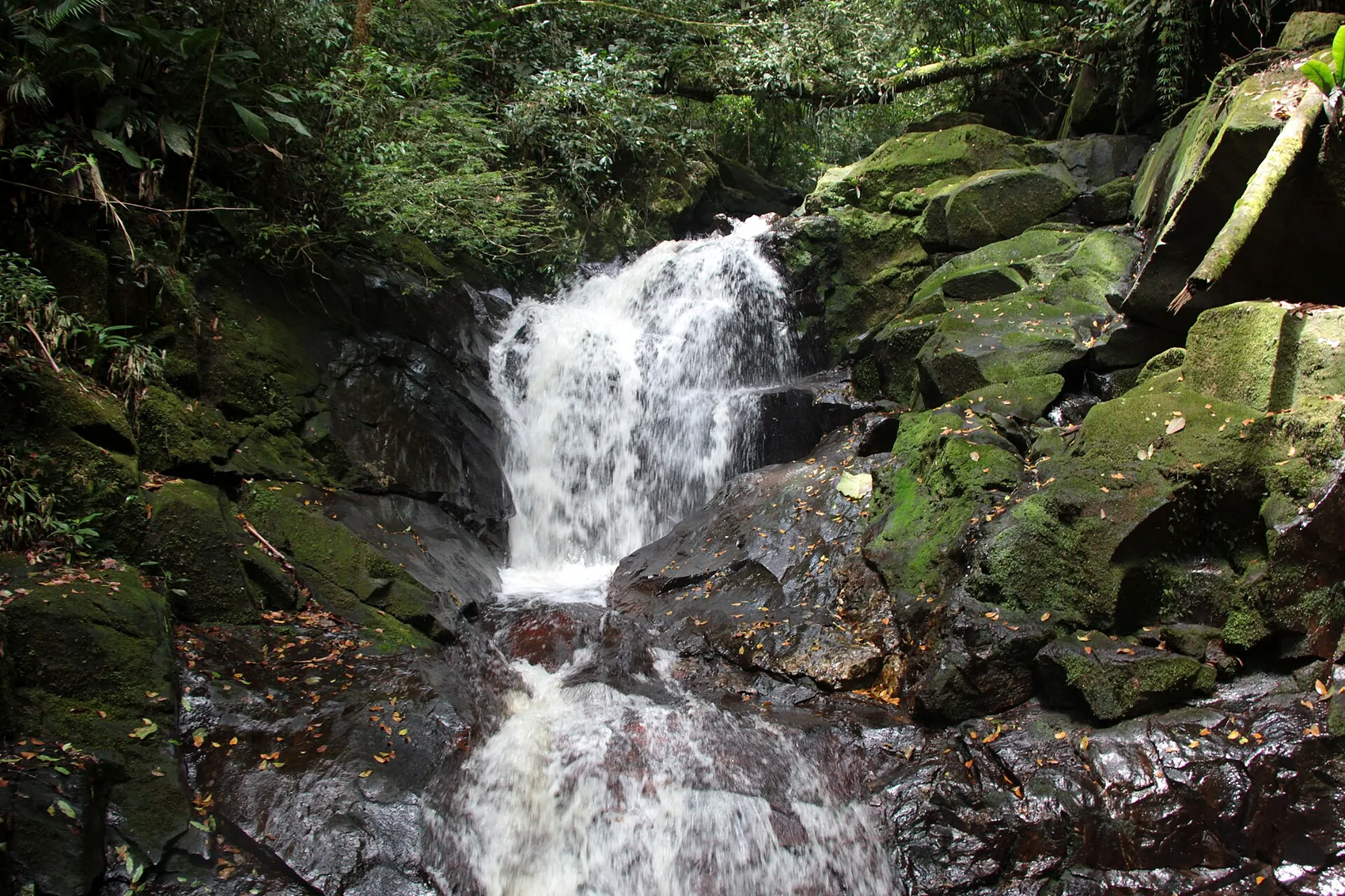
Most of the ones that welcome visitors sit in the green country behind the town, a number of them strung along the road that climbs toward the mountain village of Cunha. This is the same road that holds the forest waterfalls and surviving sections of the Gold Trail, which is what makes a distillery day so easy to plan: you are heading into beautiful country anyway, and the alambiques are simply stops along it. Many are working farms first and visitor attractions second, which is exactly their charm — you are not in a built-for-tourists showroom, you are in a shed that smells of fermenting cane with a dog asleep by the door.
We are going to do something deliberately here and not hand you a list of distillery names. There are good reasons. Which ones open to visitors, on which days, with which person pouring, shifts from season to season and year to year; a name we printed today could send you up a dirt road to a locked gate next winter. What does not change is the kind of place you are looking for and how to find it, and that is far more useful. Ask at your pousada or villa, ask the people who run boat trips, or ask us — a local recommendation on the morning you want to go will always beat a name from a guide written a year ago.
What you will see inside
The good news is that artisanal distilleries are all built on the same simple logic, so once you understand the shape of one you understand them all. A visit usually walks you through the process in order:
- The cane and the press. Sugarcane comes in from the fields and goes through a press — historically water- or ox-driven, now often a small mill — that crushes out the sweet juice, the garapa. In season you may see this happening; the fresh juice itself, drunk straight with a squeeze of lime, is a treat in its own right.
- Fermentation. The juice sits in open tanks where natural or cultivated yeast turns its sugar into alcohol over a day or so, producing a low-strength, cloudy "cane wine." The yeast a particular farm uses is part of why its cachaça tastes the way it does — producers will tell you, with real pride, that their fermentation is their fingerprint.
- The still. The fermented wash is distilled in the copper alambique. Copper matters: it strips harsh sulphur notes out of the spirit as it goes over, which is a large part of why pot-distilled cachaça is so much smoother than the industrial kind. The distiller cuts away the harsh "head" and "tail" of the run and keeps only the clean "heart" in the middle — the skill of knowing exactly where to cut is the craft of the whole business.
- The ageing room. Some of the spirit is bottled clear; the rest goes to rest in wooden barrels, which is where colour, softness and most of the interesting flavour come from. The ageing room, lined with barrels of different woods, is usually the best-smelling place on the property and the heart of any serious distillery.
How a tasting actually works
If you have only ever done a wine tasting, a cachaça tasting will feel familiar but looser, more generous, and a good deal more fun. Here is what to expect so you walk in knowing the rhythm.
The flight, from light to dark
A tasting is poured in a sensible order, and the order is always the same: lightest to heaviest, youngest to oldest, clear to dark. You will almost always begin with the white — the unaged spirit — because it is the purest expression of that farm's cane, yeast and water, with nothing from a barrel laid over the top. Tasting it first calibrates your palate; everything after is a variation on it. From there you move through whatever the house ages, usually in rising order of how long they have rested and how much wood character they carry, finishing on the oldest and most complex bottle they are proud of.
Pours are small. The point is to taste, not to drink, and a good host paces it so you leave with a clear head and a clear sense of the range. Take your time with each. Smell it first, then take the smallest sip and let it sit on your tongue. With the whites you are looking for freshness, a clean grassy or fruity note, the green snap of the raw cane. With the aged spirits you are looking for what the wood has done — vanilla, spice, caramel, dried fruit, sometimes a herbal or floral edge — and for smoothness, the absence of any burn.
What to ask, and what not to worry about
You do not need any expertise to enjoy this, and nobody expects you to perform connoisseurship. A handful of honest questions will get you a long way and tend to delight the person pouring, because they rarely get asked: Which wood is this one aged in? How long did it rest? Which of these is your own favourite at the end of the day? That last one is the best question in the room. The person who made the spirit almost always has a quiet preference, and it is almost always worth following.
One genuine piece of advice: do not feel you have to buy the most expensive bottle, or buy at all. A good distillery is happy to have shown you around. If something does stop you in your tracks, that is the bottle to take home — not the one with the highest price or the longest age statement, but the one your own nose picked out.
White versus aged: two different drinks
The single most useful thing to understand about cachaça is that "white" and "aged" are not better-and-worse versions of one product. They are two genuinely different drinks with different jobs, and the people who love this spirit love both for opposite reasons.
White (unaged) cachaça
White cachaça — cachaça branca or prata, "silver" — is the spirit as it comes off the still, rested only in steel or glass so that it stays crystal clear. Nothing from a barrel touches it. What you taste is pure cane: grassy, sometimes a little fruity or floral, with a clean bite. This is the soul of the spirit and the truest test of a distillery, because there is no wood to hide behind. A poorly made white is harsh; a well-made one is bright and almost delicate.
White cachaça is also the right and proper base for a caipirinha. The cocktail is built to show off that fresh, grassy character against lime and sugar, and a good local white transforms the drink completely. If your only experience of a caipirinha is a sour, rough one made somewhere with industrial cachaça, a version built on a proper artisanal white will not taste like the same drink.
Aged (barrel-rested) cachaça
Aged cachaça — cachaça amarela ("yellow") or envelhecida ("aged") — has rested in wooden barrels for anything from a few months to many years. The wood softens the spirit, draws out colour, and layers in flavour, turning a bright clear drink into something rounder, deeper and golden. These are sipping cachaças. You drink them the way you would a good aged rum or a whisky — neat or over a single large piece of ice, slowly, after dinner — not buried in a cocktail. Using a fine aged cachaça in a caipirinha would be a small waste; its subtlety would vanish under the lime.
The longer and slower the ageing, generally the smoother and more complex the result, and the most prized bottles in any distillery are usually the oldest. If you discover at a tasting that you have a sweet tooth for vanilla and spice, the aged shelf is where you belong.
The woods, and why they matter
Here is where Paraty's cachaça pulls away from almost every other aged spirit in the world. Whisky and most rum are aged in oak, full stop. Cachaça can be too — oak gives a familiar smooth, woody, vanilla-and-honey profile, and many fine cachaças use it. But Brazilian distillers also age in a whole palette of native Brazilian hardwoods, each of which leaves its own signature, and tasting your way across them is one of the real pleasures of a Paraty distillery. Unlike whisky barrels, these woods are usually not charred or toasted, so the flavour comes from the natural oils and saps of the wood itself.
A few of the woods you are most likely to meet, and what people taste in them:
- Amburana is the most famous and the most distinctive — sweet and spicy, with strong notes of vanilla and cinnamon that many people compare to a spiced biscuit. It is unmistakable, and either you love it or you find it too much; there is rarely a middle. If you try only one native-wood cachaça, make it this.
- Bálsamo tends toward herbal, green and complex, with a background of dried fruit and a slightly drying finish — a more savoury, grown-up profile.
- Jequitibá is gentle: it lets the spirit show through, adding smoothness, a soft floral quality and a hint of caramel without overwhelming the cane underneath. It is a common choice precisely because it ages without shouting.
- Ipê and other dense local hardwoods bring their own aromatic, sometimes more intense character, and you will meet others besides — the list of Brazilian woods used for cachaça is long, and part of the fun is that no two distilleries make exactly the same choices.
The takeaway is simple: when you taste the aged cachaças, ask which wood each one saw. You will quickly find you have a preference, and chasing that wood from bottle to bottle is the most rewarding way to drink your way deeper into the spirit.
Whisky has oak and only oak. Cachaça has a whole forest — amburana, bálsamo, jequitibá — and each one leaves its fingerprint.
How artisanal differs from industrial
It is worth being plain about this, because it explains why cachaça has two reputations and why the one you may have arrived with is probably wrong.
Industrial cachaça is made at scale in large factories, distilled in continuous column stills that run without stopping and produce a high-volume, lighter, more neutral spirit built for consistency and for mixing. It is cheap, it is everywhere, and at its worst it is the harsh stuff that gives the spirit a bad name abroad. It has its place — it is what most caipirinhas in the world are made with — but it is not why you came to Paraty.
Artisanal cachaça — de alambique — is the opposite in almost every way. It is made in small batches on the farm that grew the cane, fermented with that farm's own yeast, pot-distilled in copper, cut by hand and often rested in local woods. It carries the character of a particular place: the water that runs off these particular hills, the microclimate of this particular valley, the choices of this particular family. People who love it talk about it the way wine people talk about terroir, and they are not wrong to. This is the cachaça that rewards a tasting, and the gulf between it and the industrial kind is roughly the gulf between a supermarket table wine and a small grower's bottle. Both are wine; they are not the same experience.
The caipirinha, done right
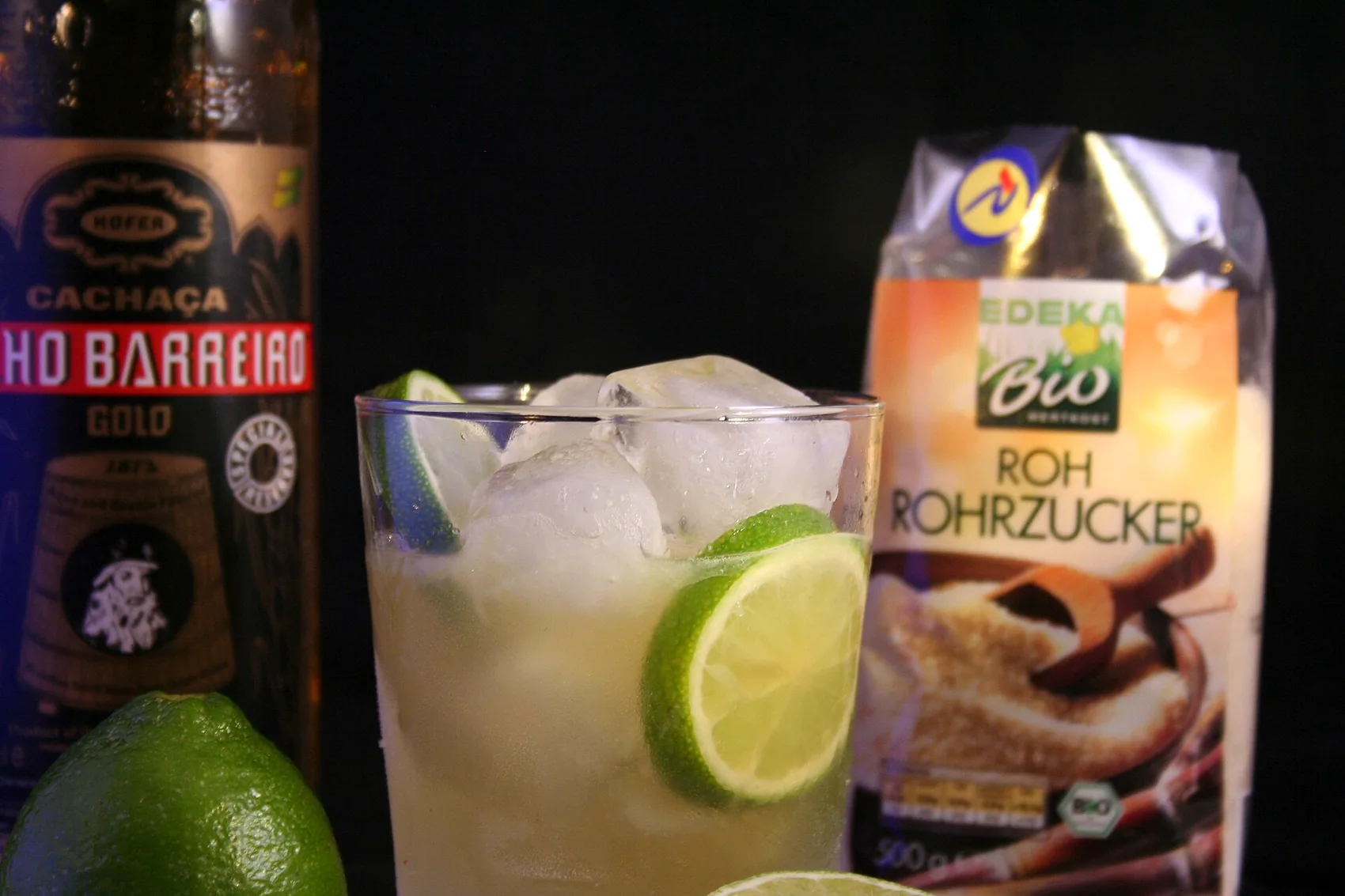
You will drink caipirinhas in Paraty — on the boat, on the beach, in the lantern-lit streets after dinner — and it is worth knowing what a good one is so you can tell when you are getting one. The caipirinha is Brazil's national cocktail and gloriously simple: cachaça, fresh lime, sugar, ice. That is the entire recipe. Everything depends on doing those four things properly.
How a real one is built
A proper caipirinha is built directly in the glass, not shaken up elsewhere and poured. The classic method runs roughly like this:
- Cut a fresh lime into wedges, trimming away the bitter white core, and drop them into a sturdy short glass.
- Add a couple of spoons of sugar — traditionally plain white sugar, not syrup.
- Muddle the lime and sugar together: press and twist with a muddler or the back of a spoon until the sugar dissolves into the juice and the lime releases its oils. This step is the whole drink. Done well it perfumes the glass; done lazily, you get a thin, sour mess.
- Fill with ice, pour a measure of good white cachaça over the top, and stir thoroughly so it all comes together.
The thing to taste for is balance — the three-way tension between sweet sugar, sour lime and the spirit, with no single one winning. Too sour and it is punishing; too sweet and it is a soft drink; too strong and the lime and sugar are just decoration. When it is right, all three hold hands and the grassy character of a real cachaça sings through the middle. That is why the white spirit matters so much here: the cocktail is a frame built to show it off.
Variations worth trying
Once you have had the classic lime version, the local variations are worth exploring. Bars across Paraty make caipirinhas with whatever tropical fruit is good that week — passion fruit (maracujá), tangerine, pineapple, cashew fruit, strawberry — muddled in place of or alongside the lime. There is also the caipiroska, the same drink made with vodka instead of cachaça, and the caipissima or caipfruta variants made with rum or fruit; these are softer and more approachable, and bartenders sometimes default to them for visitors. If you want the real thing, ask for a caipirinha "com cachaça" and, if you have a label you liked from a tasting, ask whether they can build it with a proper white. Where to find the bars doing this well is something we cover in the Paraty nightlife and bars guide.
The Festival da Cachaça
If your dates are flexible, it is worth knowing about Paraty's cachaça festival, because it turns the whole historic centre into a celebration of the spirit. It is typically held in August and runs over several days, with tasting tents set up through the cobbled streets pouring labels from distilleries across the region, alongside live music, food stalls and the general good-natured crowd of a Brazilian street party. It is one of the bigger events on the town's calendar and grew out of a festival first held back in the early 1980s, when it was created to promote the local distilleries and the town's culture together.
Two practical notes. First, the exact dates move every year, so do not lock in flights around a remembered date — check the current schedule before you commit. Second, festival time means the town is full: book your stay early, expect the historic centre to be busy in the evenings, and treat it as a trade-off — more atmosphere and access, less of the quiet that makes Paraty Paraty the rest of the year. If you would rather have the distilleries to yourself, almost any other month gives you the alambiques without the crowds. For how the festival fits into the wider calendar of when to come, the main Paraty guide has the season-by-season picture.
Visiting responsibly: do not drink and drive
This is the part we are most insistent about, because it is the one that actually matters for your safety. The distilleries are up in the hills on roads that are narrow, winding, sometimes unpaved, and shared with the same forest country you came to enjoy. A tasting, by definition, involves drinking. The two do not mix, and Brazil enforces a strict near-zero drink-driving limit. Plan from the start so that the person at the wheel is not the person tasting.
There are a few good ways to do this:
- Take an organised tour. The simplest option by far. Local operators run half-day cachaça circuits that bundle a driver, two or three distilleries and often a waterfall stop into one trip. You taste, someone else drives, and the route is already worked out. Ask at your pousada or villa, or ask us, for whoever is currently running them well.
- Hire a driver or a taxi for the morning. If you would rather set your own pace and pick your own stops, arranging a car and driver for a few hours lets you do exactly that without anyone going dry. Agree the route and price up front.
- Have a designated non-drinker. If you have your own car and you are a group, nominate a driver who genuinely abstains — not "just one," genuinely none — and let them be the one who buys the bottles to take home rather than the one who tastes them.
However you arrange it, point the morning at one or two distilleries rather than four. The pleasure is in lingering — asking questions, smelling the ageing room, sitting with a coffee afterward — not in racing a checklist. A rushed crawl of five alambiques is both less enjoyable and, frankly, a lot to drink. Pair the tasting with something sober, too: the same road holds forest waterfalls and stretches of the Gold Trail, so you can break a morning of spirits with a swim and a walk. A grey or rainy day is also no obstacle here — a distillery visit is one of the best things to do when the weather turns, which is why it features in our rainy-day Paraty guide.
Buying a bottle to take home
Almost everyone who does a good tasting wants to carry something home, and a bottle of artisanal Paraty cachaça is one of the best souvenirs the town offers — it is genuinely local, genuinely good, and almost impossible to buy where you live.
What to buy
Buy the bottle you liked. This sounds obvious, but people talk themselves into the most expensive or the oldest bottle on the shelf when the one that actually stopped them was a mid-range aged spirit or even a bright white. Trust your own tasting. If you want a rule of thumb: a good white is the bottle to bring home for making caipirinhas at your own table, and a barrel-aged one — ideally in a wood you fell for, amburana being the easiest to love — is the bottle to sip slowly and remember the trip by. Many people end up taking one of each, and that is a sound instinct.
You can buy directly from the distilleries, which is the nicest way and often gets you a bottle you cannot find elsewhere, or from the specialist shops in the historic centre, which carry a wide range of regional labels and can point you to good ones if you missed the tastings. Prices for artisanal bottles are very reasonable by the standards of fine spirits, so this is an easy place to be a little generous with yourself.
Getting it home
A few practicalities if you are flying:
- Pack it in checked luggage. A full bottle is well over the carry-on liquid limit, so it has to go in the hold. Wrap it in clothes or, better, buy a padded bottle sleeve; the cobblestones are not the only rough ride your bottle will take.
- Buy it sealed. An unopened, sealed bottle travels cleanly through customs anywhere. Keep the receipt if it is a pricier bottle.
- Check your own country's allowance. Most countries let you bring in a litre or two of spirits duty-free, with limits and duty above that. The rules are your home country's, not Brazil's, so check before you load up a case.
How to fit a cachaça morning into your trip
A distillery visit slots easily into a Paraty stay, and the easiest way to do it is to give it a morning rather than squeezing it around other things. The classic shape is a half-day loop on the Cunha road: head up into the forest after breakfast, visit one or two alambiques, break the spirits up with a stop at a waterfall for a swim, and be back in town for a long late lunch. It pairs naturally with the forest and the falls because they are literally on the same road, so you can build a single relaxed day that mixes nature, history and the tasting without backtracking.
It is also the perfect counter-programming for a day the bay is grey or the sea is rough. Save your boat day for the clearest forecast, and if a morning comes up overcast, point it at the hills and the distilleries instead — the ageing room is just as good in the rain. From the ridge where we host, the whole sweep of country these distilleries sit in is laid out below you, and there is a particular pleasure in tasting a spirit in the afternoon and then watching the light go down over the valley that grew it. If you want help arranging a tasting morning, a driver or a tour while you are with us, just ask us — it is one of the easiest good days to set up, and one we are always glad to point people toward.
The last word
Cachaça is not a novelty to tick off in Paraty; it is the oldest living thing the town does, the industry that was here before the gold and outlasted it, still made by hand in the same hills with the same copper. Treat it that way and it repays you. Go up into the forest, walk through one of the alambiques, taste the bright white spirit and then the barrel-aged ones, find the wood you love, and carry a bottle home. Do it slowly, do it sober behind the wheel, and let the person who made it tell you about it. A morning among the distilleries is one of the most genuinely Paraty things you can do — and long after the tan has faded, a sip of good amburana cachaça on a cold night will put you right back on the ridge, looking out over the bay where it all started. When you are ready to build it into a wider plan, our complete guide to Paraty ties the whole trip together.
Come stay above the bay
Chalé Bel Air sits on the ridge that looks over everything in this guide. Tell us your dates and what kind of trip you are after — we answer personally.
Ask about your datesFrequently asked questions
What is cachaca, and how is it different from rum?
Cachaca is a Brazilian spirit distilled from fresh-pressed sugarcane juice. Most rum is made from molasses, the leftover syrup after sugar is refined; cachaca is made from the raw juice straight off the press, which gives it a greener, more vegetal character. Artisanal cachaca is also usually pot-distilled in copper in small batches rather than run through industrial column stills.
Can you visit the cachaca distilleries in Paraty?
Yes. Several artisanal alambiques in the hills behind town, many along the road toward Cunha, welcome visitors for tours and tastings during the day. You walk through the press, the fermentation tanks and the ageing room, then taste a range of the house's spirits. Hours are usually daytime and can be seasonal, so it is worth checking current opening times before you set out.
What is the difference between white and aged cachaca?
White (or unaged) cachaca rests in steel or glass and stays clear, grassy and bright; it is the classic base for a caipirinha. Aged cachaca spends months or years in wooden barrels, which round it out and add colour, vanilla, spice or floral notes depending on the wood. The aged spirits are meant to be sipped slowly, like a good rum or whisky, rather than mixed.
When is the Festival da Cachaca in Paraty?
Paraty's cachaca festival is typically held in August and runs over several days in the historic centre, with tasting tents, music and food. It grew out of a festival first held in the early 1980s. Exact dates move from year to year, so check the current schedule before you plan a trip around it.
Can I bring a bottle of Paraty cachaca home?
Most distilleries sell their bottles on site, and shops in the historic centre carry a good range. If you are flying home, buy it sealed and pack it in checked luggage, since it is over the carry-on liquid limit. Check your own country's duty-free allowance and any limits on bringing in alcohol before you load up.