Paraty does not have one beach; it has dozens, scattered across a bay, a coast road and a set of trails, and each is reached a different way. This is the honest, sorted-by-how-you-get-there version of the advice we give guests before every trip.
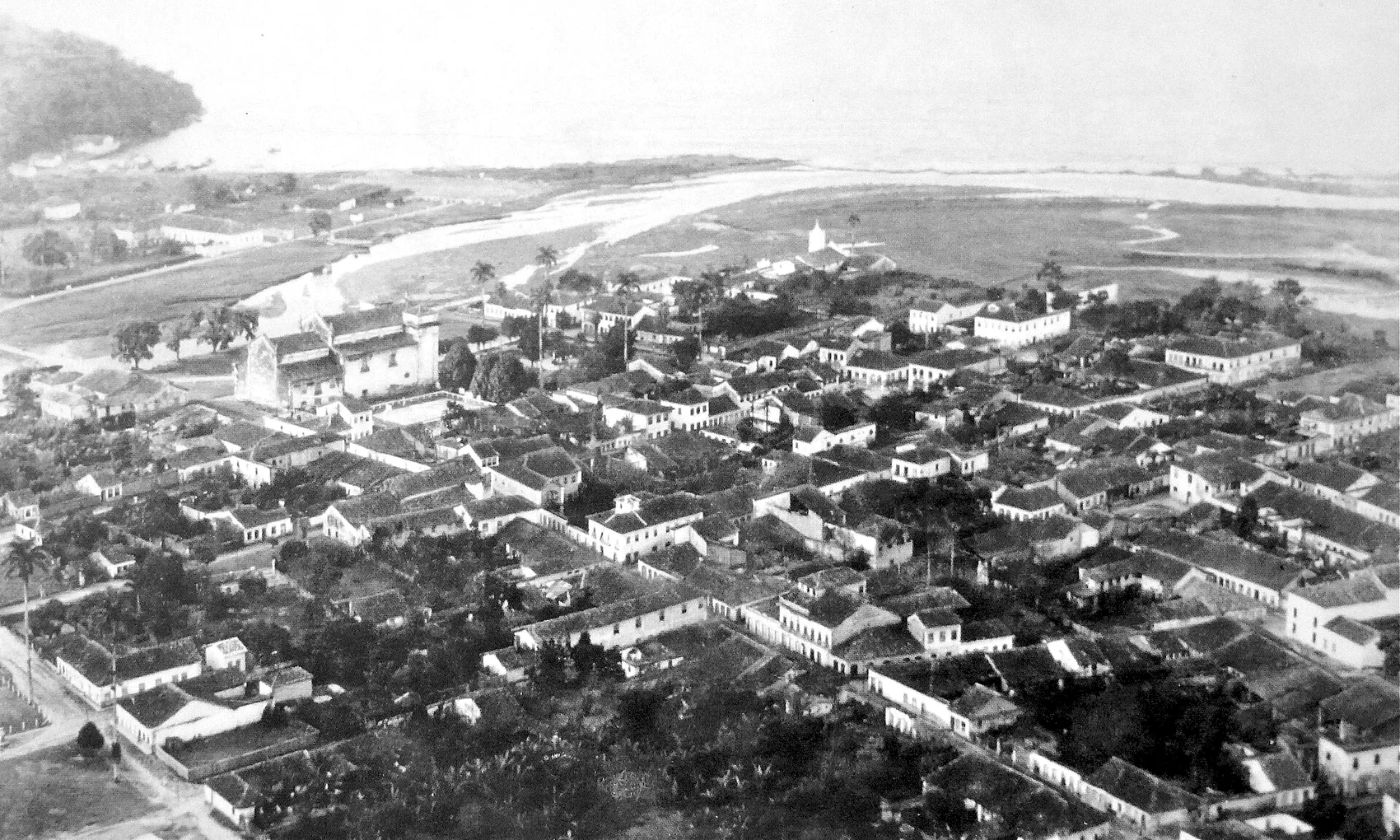
People arrive in Paraty expecting a beach town and are briefly confused. The historic centre sits on a flat, tidal edge of the bay, its famous cobblestones sometimes ankle-deep in seawater, and the first stretch of sand you see from the old port is working shoreline rather than a place you would lie down for the afternoon. The beaches, the real ones, are somewhere else. That is the first thing to understand about the coast here: Paraty is not one beach but a whole scattered archipelago of them, spread across a sheltered bay, a mountain coast road and a set of forest trails, and each is reached in a completely different way.
That is also why "which are the best beaches Paraty has" is the wrong question, or at least an incomplete one. The best beaches Paraty offers depend entirely on how you want to spend the day and how far you are willing to travel to earn the sand. A family with a toddler wants shallow, wave-free water a short walk from lunch. A pair of hikers wants an hour in the forest and an empty cove at the end of it. A boat day and a road-trip day are two different holidays. So this guide is organised the way we actually talk guests through it before a trip: not as a ranked list, but sorted by how you get there, with honest notes on which beach suits which kind of day, and where the trade-offs lie.
We host on the ridge above all of it, a hillside chalet with an infinity pool and a triple view down over the Bay of Paraty, Angra dos Reis and Ilha Grande, and this is the conversation we have on the terrace most evenings. Somebody has had a long, salty, happy day at Trindade or out on a schooner, and the talk turns to where to go tomorrow. What follows is that conversation, written down: the town beaches you can walk to, the bay beaches you reach by boat, the coast-road beaches you drive to, the trail beaches you walk to, and quiet Paraty-Mirim in its own category. Read it once before you come and you will plan a far better week. For the wider trip around it, our complete guide to Paraty sets the scene.
How Paraty's coast is put together
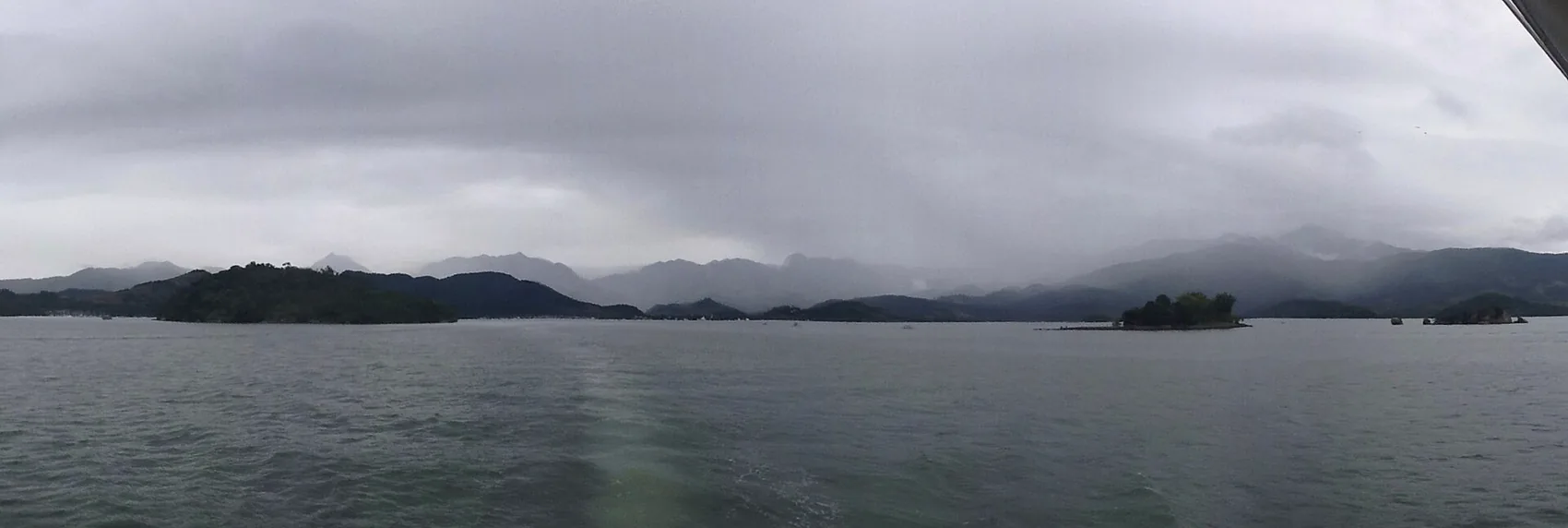
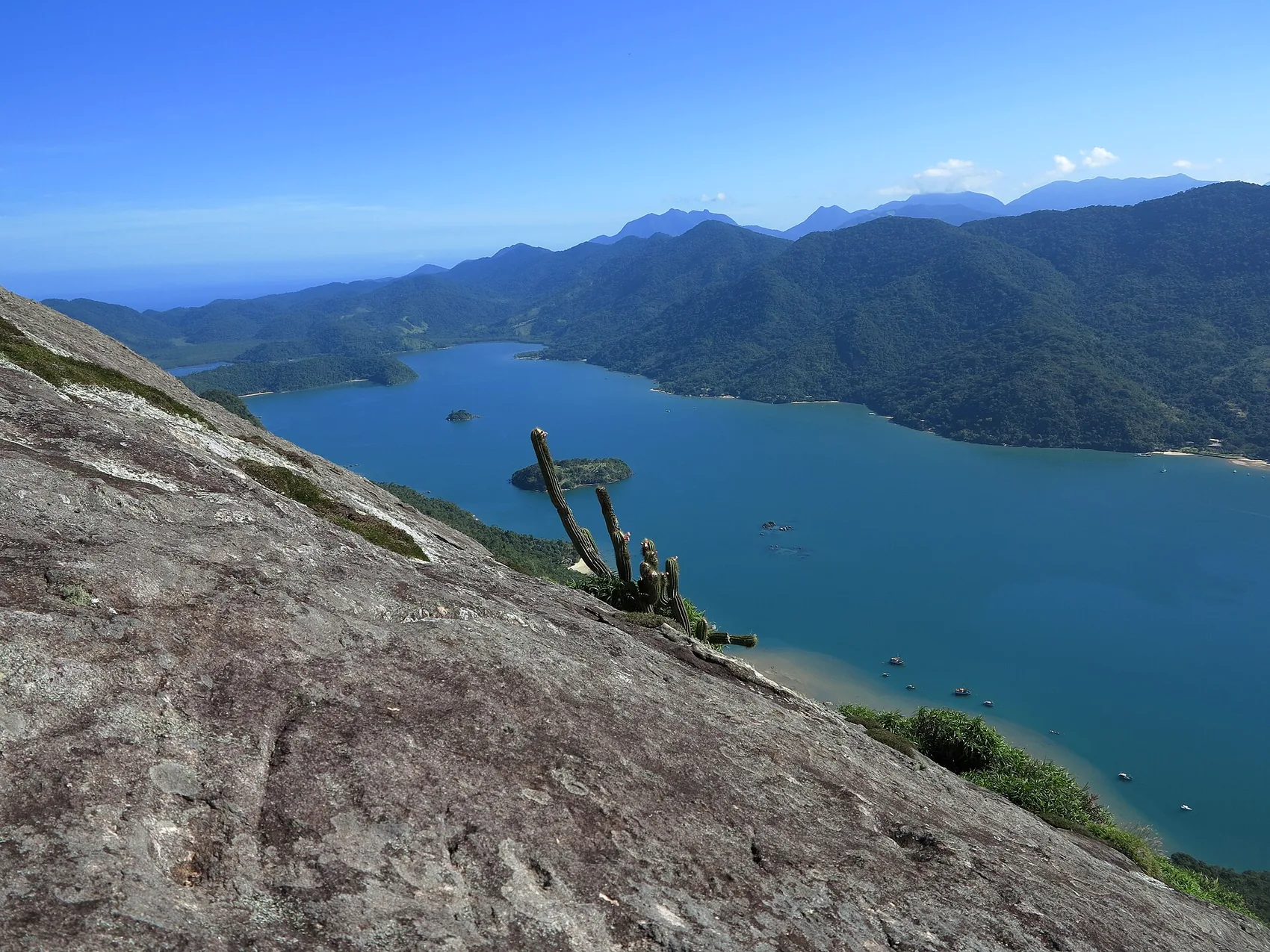
Before any single beach, it helps to picture the shape of the place, because the geography explains everything that follows. Paraty sits at the bottom of a deep, protected bay on Brazil's Costa Verde, the "Green Coast" between Rio de Janeiro and São Paulo, where the Serra do Mar mountains drop almost straight into the sea. That collision of steep forest and calm water is the whole character of the coast. It gives you hundreds of small beaches tucked into folds of the shoreline and onto dozens of islands, most of them with no road anywhere near them.
In practice the beaches sort into four families, and once you hold these four in your head the rest of this guide falls into place:
- Town beaches you can walk to from the historic centre. Convenient, ordinary, useful for a quick dip rather than a showpiece day.
- Bay and island beaches reached only by boat, out among the islands of the bay. This is where the calmest, clearest, postcard water lives.
- Road beaches south along the coast highway, chief among them Trindade, where the open Atlantic gives you surf, breadth and a village to base a day around.
- Trail and boat beaches such as Praia do Sono, wild sand you reach on foot through the forest or by a short boat hop, with little or nothing built on them.
Then there is Paraty-Mirim, which sits slightly apart: a road-reached but end-of-the-line pocket of quiet water and colonial ruins that acts as a gateway to the fjord-like inlet of Saco do Mamanguá. We will give it its own section. Keep the four families in mind and you will understand not just where each beach is, but why it feels the way it does when you get there.
The town beaches: a swim on foot
Let us be honest up front, because we would rather you arrive with the right expectations than be disappointed. The two beaches within walking distance of Paraty's historic centre are not the reason people fall in love with this coast. They are town beaches: handy, lined with kiosks, backed by road and houses, with water that is calm but not the glass-clear turquoise you will find out in the bay. What they are is genuinely, unfussily useful, and on a hot afternoon when you do not want to organise a boat or a drive, that counts for a great deal.
Praia do Pontal
Praia do Pontal is the closest sand to the old town, about a ten-minute walk. You cross the little bridge over the Perequê-Açu river at the northern edge of the historic centre, and the beach opens up on the far side: a tree-lined curve of darker sand with a string of kiosks and beach bars along it, busy and sociable, popular with locals as much as visitors. The water is flat and shallow, fine for a cooling swim, and the appeal here is less the sand than the atmosphere. This is where you come for a cold drink and grilled fish with your feet in the sand at the end of an afternoon wandering the cobblestones, watching the fishing and tour boats come and go across the river mouth. It works best as a social beach, not a swimming-and-snorkelling one.
Praia do Jabaquara
Keep walking north past Pontal, another fifteen minutes or so, and you reach Praia do Jabaquara, a broad, shallow bay that is the better of the two for actually getting in the water with children. It is roughly a half-hour walk from the centre in total, or a very short taxi. The bay is wide and the water stays shallow a long way out, with almost no waves, which makes it reassuring for small children and easy for stand-up paddle and kayak, both of which you can usually rent along the shore. There is a small island offshore you can paddle out to. A local curiosity: the seabed here holds a fine dark mud that people scoop up and smear on as a natural exfoliant, then rinse off in the sea. It is silly and fun and the children will love it. Of the two town beaches, Jabaquara is the one we point families toward.
Tide matters in town. Paraty's historic centre and its nearest shoreline are genuinely tidal; at the highest spring tides seawater flows up through the old streets by design, to flush them clean. It is a sight worth timing, but it also means the town-edge water can look muddy on a big incoming tide. For a clear swim, the bay and trail beaches are far less affected.
The bay beaches: the ones you reach by boat
This is the heart of it. When people picture Paraty's beaches, the clear, calm, tree-fringed coves on tiny islands, they are picturing the bay beaches, and the single most important thing to know is that you cannot reach the best of them by road. There is no road. They sit out among the islands of the Bay of Paraty, and the only way there is on the water. A boat day is not an optional extra here; it is the main event, and if you do one thing on this coast, do this.
The bay is sheltered, so the water is typically flat and clear, and because the islands break the swell, you get that stillness that makes for easy swimming and the best snorkelling on the coast. Most beaches out here are small, some are barely more than a strip of sand between forest and sea, and many have a single simple kiosk or a family selling grilled prawns and caipirinhas from a boat. For the full rundown of how to organise the day, see our guide to boat days from Paraty; here we will concentrate on the beaches themselves and what each is good for.
Praia da Lula
Praia da Lula is the one guests come back raving about. It is a small beach set against a wall of Atlantic forest that runs right down to the sand, with warm, clear, exceptionally calm water and very little built on it. Because it is so sheltered it stays flat almost whatever the weather, which makes it a reliable pick for families and for anyone who wants to float about rather than battle waves. It appears on many of the standard schooner itineraries and it is an easy target for a private small-boat charter. If your day only allows one swim stop, Lula is the one to ask your skipper to prioritise. Bring a mask; the rocky edges hold fish.
Praia Vermelha
Praia Vermelha, roughly an hour out by boat, is another regular on the bay circuit and another calm, warm, tropical-fish swimming stop. Soft sand, tranquil water, forest behind: it is the kind of place a schooner drops anchor for an hour so everyone can swim and snorkel before lunch. Its abundance of fish makes it a favourite mask-and-fins beach. Like Lula, it is best thought of as one bead on a string of stops rather than a destination you go to alone, which is exactly how the bay is meant to be enjoyed, hopping from cove to cove.
How a bay beach day actually runs
There are two ways to see the bay beaches, and they suit different people. The schooner (in Portuguese, a saveiro or escuna) is the classic: a large wooden two-masted boat that leaves the town pier most mornings, cruises out for several hours with music and a bar aboard, and anchors at three or four island beaches and swimming spots so passengers can jump in. It is sociable, inexpensive, undemanding and genuinely lovely, and it is the easy default if you have not booked anything. The trade-off is that you go where the boat goes, on the boat's timetable, with a crowd.
The alternative is a private small-boat charter, a local skipper in an open lancha or a smaller wooden boat, hired for the day or half-day. It costs more but it is transformative: you set the route, you linger where you like, you reach smaller and quieter beaches the big schooners skip, and you can time your stops to dodge the crowds. For a couple on a honeymoon, a family who want flexibility, or a group happy to split a cost, the private boat is the one we nudge people toward. Either way, a day on the bay is where Paraty's beaches are at their absolute best. If you are weighing how many of these days to build in, our advice on how many days to spend in Paraty covers the arithmetic.
If your day on the water allows only one swim, ask the skipper for Lula. It stays glass-flat when everywhere else has chop.
Trindade: the road-trip beach day
If the bay beaches are the calm, sheltered, boat-reached side of Paraty's coast, Trindade is the opposite and the perfect counterweight: open Atlantic, real surf on some beaches, a proper stretch of the leg, and a village at the end of the road where you can spend the whole day. It is the beach day you do by car or bus rather than by boat, and for a lot of guests it ends up being the single most memorable day of the trip.
Trindade sits about a 30-minute drive south of Paraty. You take the Rio-Santos coast highway (the BR-101) to the small settlement of Patrimônio, then turn down a steep, winding, well-signposted mountain road that drops you to the sea. There are regular local buses from the Paraty bus terminal, roughly hourly, taking about 50 minutes and costing only a handful of reais, which makes Trindade very easy to reach even without a car. The village itself is an old fishing and, once, hippie settlement that has grown into a laid-back beach town: simple pousadas, seafood shacks, surf shops and a genuinely relaxed feel. It fills up fast in peak summer, so the golden rule is to go early.
The beaches of Trindade, in order
Trindade is not one beach but a short chain of them, each with a different personality, and you can walk between several of them. From the surfy end to the sheltered end, roughly:
- Praia do Cepilho is the surf beach, with the strongest waves, loved by surfers and fine for watching them, less so for a gentle swim.
- Praia dos Ranchos (also called Praia de Fora) is the main village beach where most of the pousadas and restaurants sit, an easy, sociable stretch to base yourself for the day.
- Praia do Meio is the calmer family beach, more sheltered, good for a relaxed swim and the starting point for the walk to the natural pool.
- Praia do Cachadaço is the quiet, beautiful one at the far end, reached by a short forest trail, with calmer, clearer water and a more secluded feel.
The Cachadaço natural pool
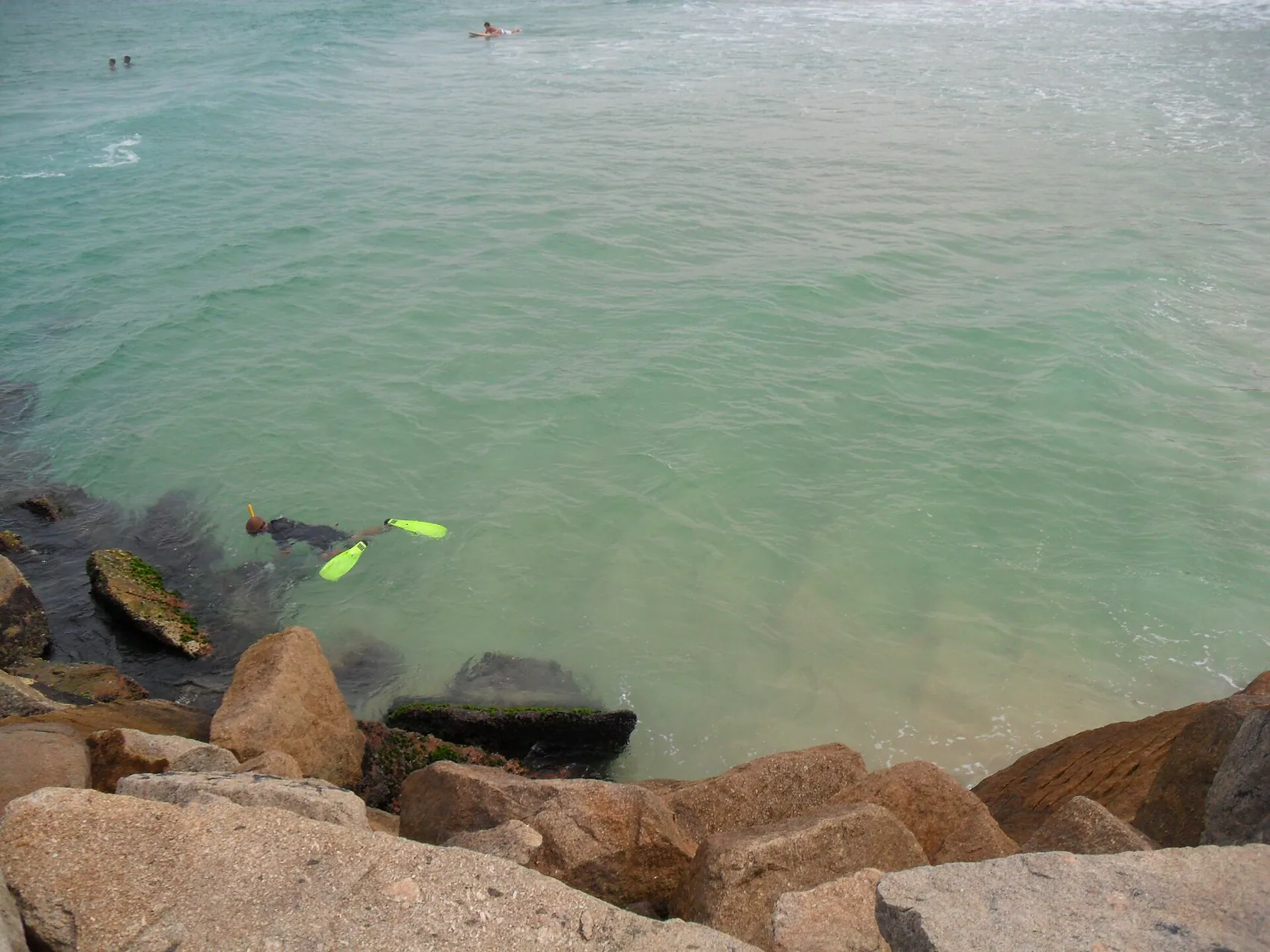
The thing everyone comes to Trindade for, and the reason to make the trip even if you never lie on the sand, is the Piscina Natural do Cachadaço, a natural rock pool at the far end of the coastline where a rim of boulders traps a basin of astonishingly clear, calm, turquoise water. It is one of the finest snorkelling spots on the whole coast: sheltered from the swell, alive with fish, and shallow enough to feel safe. You reach it by an easy forest trail of about twenty minutes that starts from Praia do Meio, or, when the sea is calm, by a five-minute boat hop that local boatmen at Meio offer for a small fee. Go in the morning before the crowds and the light is on the water, and it is genuinely one of the best hours you can spend in Paraty. For more on where the clear water is, see our guide to snorkelling and diving on the Costa Verde.
Trindade is inside a national park. The coast here falls within the Serra da Bocaina National Park, and the natural pool and trails are protected. Take your rubbish out, respect any signs and closures, and be aware that the open-ocean beaches (Cepilho especially) can have strong currents, so mind the flags and keep children in the calmer, more sheltered water at Meio.
Praia do Sono and the wild coast you walk to
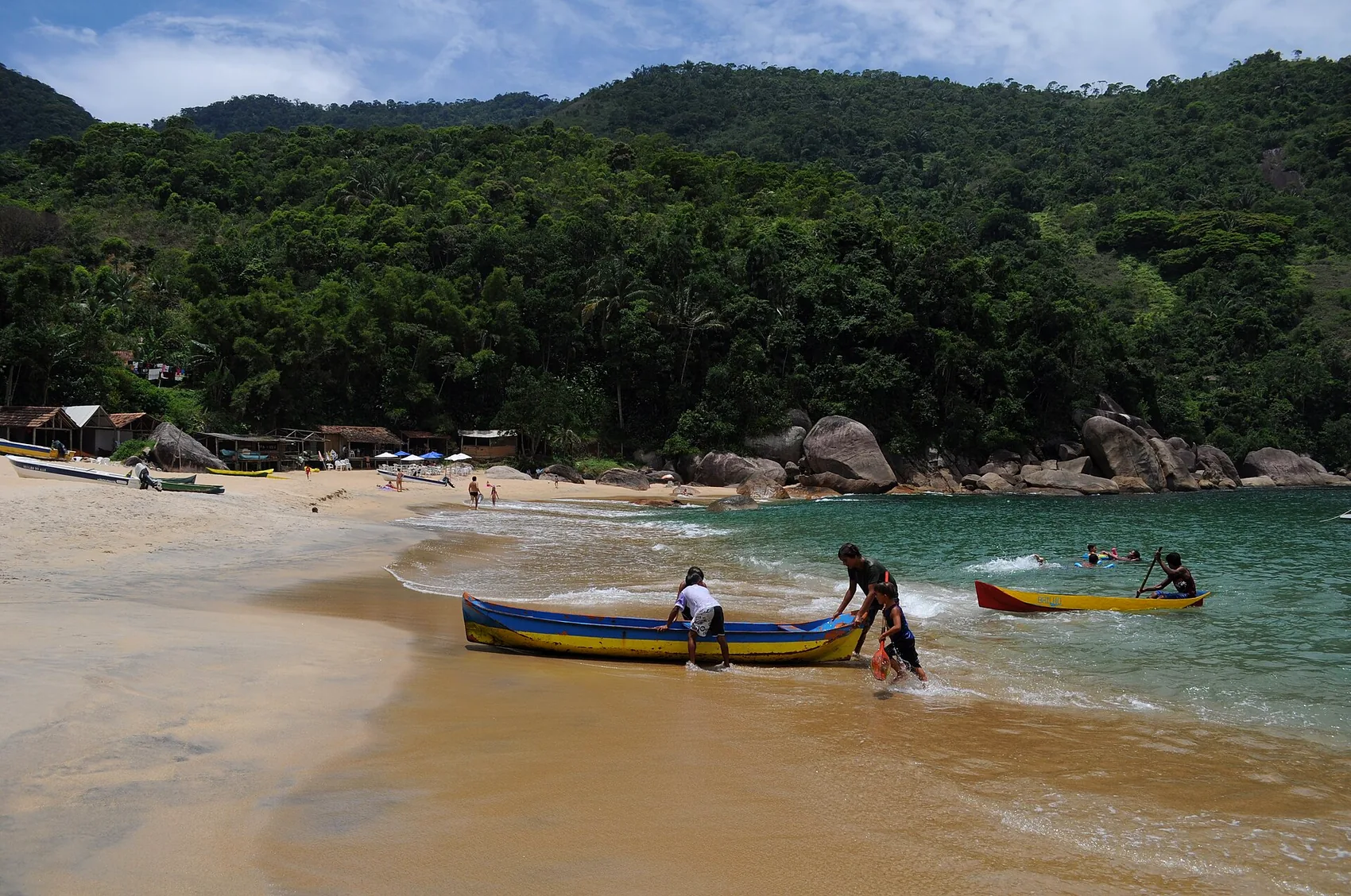
South of Trindade the coast turns genuinely wild, and here you find the beaches you earn on foot. Praia do Sono is the famous one: a long, broad crescent of sand backed by a small community with no road access, a place that has kept its end-of-the-world feel precisely because you cannot simply drive up and park. Reaching it is part of the point.
You start at the village of Laranjeiras, about a 40-minute drive or local bus ride south of Paraty along the coast highway. From the car park at Laranjeiras a forest trail climbs over a headland and down the other side to Sono, taking most people somewhere between an hour and an hour and a quarter. It is a real walk, not a stroll: expect climbs, descents, tree roots and muddy patches, and wear proper shoes rather than flip-flops. In calmer weather there is a gentler alternative, small boats run across from Laranjeiras to Sono for a modest fee, which is the sensible choice if you have young children, heavy bags or a bad knee, or simply want to save your legs for the beach. Our hiking guide has more on the trails around town.
What you get at the end is worth the effort: a wide, open beach with room to breathe, a scattering of simple beach bars and pousadas run by the local community, fresh fish, and the particular satisfaction of a place that took a little work to reach. It is busier than it once was, especially on summer weekends when the walk turns into a procession, so as always the trick is to go on a weekday, or early, or out of high season.
Praia dos Antigos and Antiguinho
For those who want to keep going, two smaller, wilder beaches lie beyond Sono, reached by a further trail from the far end of the beach. Praia dos Antigos is a striking cove framed by big rocks with calm, clear water, about a 40-minute walk on from Sono over another headland; smaller Antiguinho lies a little further still. These are genuinely quiet, near-deserted beaches on a weekday, the reward for people who treat the whole thing as a hike-and-swim expedition rather than a beach day. Take water, take food, take sun protection, and do not underestimate the return leg in the afternoon heat. This is the wild edge of Paraty's coast and it is one of the loveliest things here, but it asks for a bit of self-sufficiency.
Paraty-Mirim: quiet water and old stones
Paraty-Mirim sits slightly outside the four families, and we love it for exactly that reason. It is a small, quiet beach at the end of a road about 17 kilometres south of town, roughly nine of them on the paved coast highway and the last seven or so on a dirt road that winds down past river views to the sea. That final stretch of dirt keeps the crowds thinner than at Trindade, and the beach at the end is a gentle, shallow, sheltered curve, unshowy but calm and easy, the sort of place where a family can settle in for an undemanding afternoon.
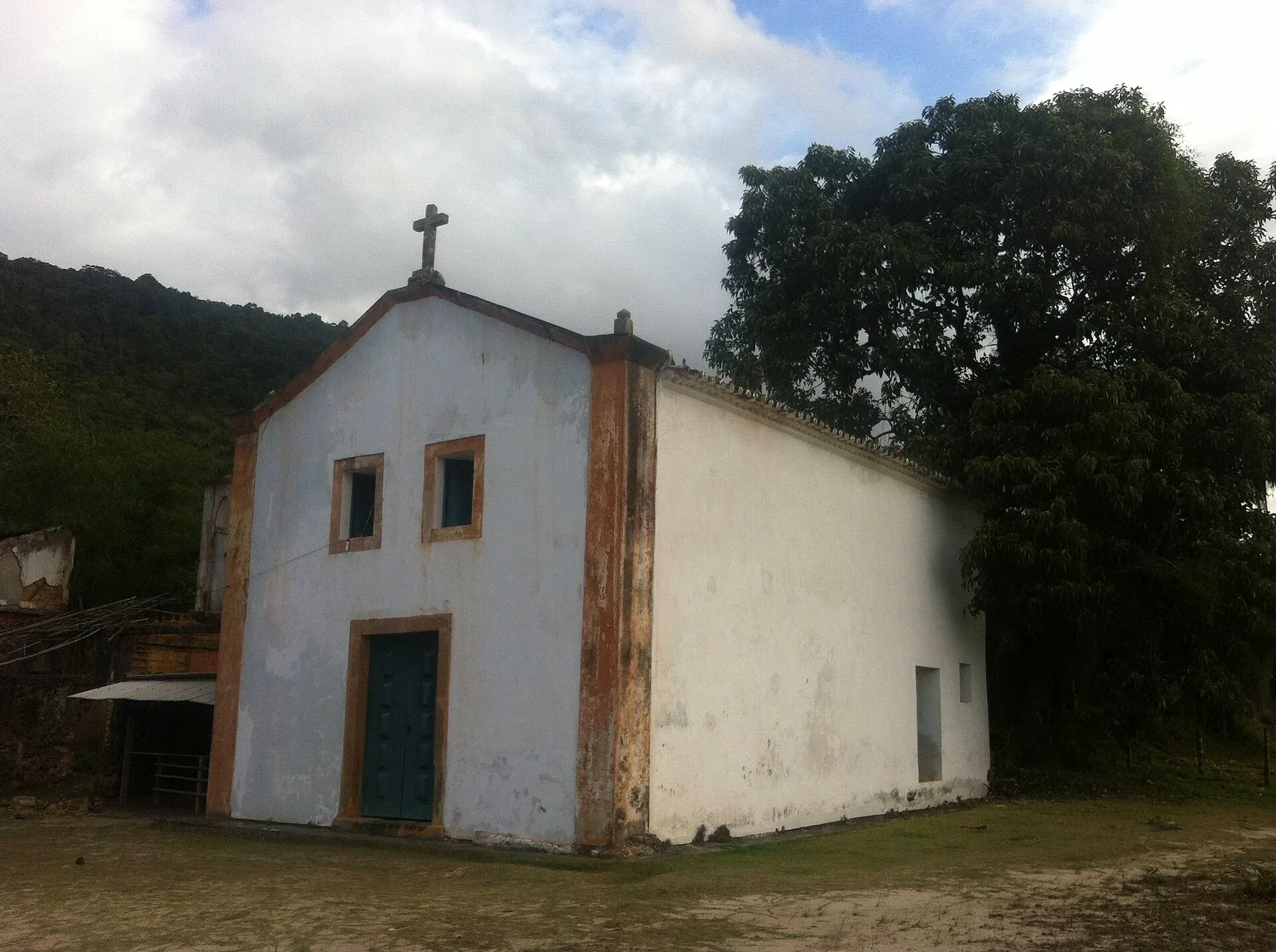
What makes Paraty-Mirim special is the history sitting right on the sand. This was one of the earliest settlements in the area, and the ruins of an old colonial church, Nossa Senhora da Conceição, dating to the first half of the 18th century, stand just back from the beach, along with scattered ruins of old houses being slowly reclaimed by the forest. It gives the place a quiet, layered feel that a pure beach does not have. It is also the launching point for boats into Saco do Mamanguá, a long, narrow, fjord-like tropical inlet ringed by forested peaks, sometimes called Brazil's only tropical fjord, where you can kayak the calm water and climb the Pico do Pão de Açúcar for a view back down the whole channel. For the fuller picture of the calm end of the coast, we have a dedicated guide to Paraty-Mirim and the quiet beaches.
Which beach for which kind of day
Now the useful part, the sorting we do out loud on the terrace. Tell us what you want from a beach day and we can point you at the right one. Here is how the choices actually break down.
Best beaches for young children
With small children you want three things: shallow water, no real waves, and easy access without a long walk. The clear winners are Jabaquara, a short walk from town with wide, shallow, wave-free water and paddle-boards to rent; Paraty-Mirim, calm and gentle if you do not mind the dirt-road drive; and on a boat day, the sheltered island beaches like Lula, which stay flat and clear. In Trindade, keep to Praia do Meio and the Cachadaço pool rather than the surf at Cepilho. Avoid the open ocean and any beach with a current warning until the children are strong swimmers. Our guide to Paraty with kids goes deeper on the family logistics.
Best beaches for peace and quiet
If you want space and silence, get away from the road and the schooner routes. On foot, the beaches beyond Sono, Antigos and Antiguinho, are near-empty on a weekday. On the water, a private small boat can take you to the smaller, harder-to-reach coves the big schooners skip, and to beaches on the far islands where you may share the sand with nobody. Paraty-Mirim on a weekday, out of high season, is quiet and slow. The universal rule for quiet here is simple: avoid weekends, avoid the December-to-Carnival peak, and go early. A beach that is a procession at noon in January is yours alone at nine on a June Tuesday.
Best beaches for snorkelling
Snorkelling wants calm, clear water and something for fish to live around, rocks or reefy edges. That points you firmly at the sheltered spots: the Cachadaço natural pool at Trindade, a rock-framed basin that is about as clear as this coast gets; and the bay and island beaches reached by boat, especially the rocky edges of places like Lula and Vermelha. Clarity is strongly seasonal: the drier winter months, roughly May to September, bring the best underwater visibility, while summer rain can cloud the water with run-off. Bring your own mask if you have one; rental gear on the schooners is hit and miss. The town beaches, with their soft, sometimes muddy bottoms, are not snorkelling beaches.
Best beaches for surf and a long walk
If you want waves, Trindade's Cepilho is the surf beach, and the broader Trindade strip gives you the space and the swell that the sheltered bay simply does not have. If you want the walk itself to be the day, the Sono and Antigos trail is the classic. These are the active, open-Atlantic side of Paraty's beach life, the antidote to a lazy boat day, and doing one of each in a week gives you the full range of what this coast can be.
How to reach each beach, in short
Because "how do you get there" is the organising question of this whole guide, here is the quick reference, all in one place. Distances and times are approximate and depend on traffic, weather and the state of the dirt roads.
- Pontal: a 10-minute walk from the historic centre, across the river bridge. No transport needed.
- Jabaquara: about a 30-minute walk from the centre, or a very short taxi.
- Bay and island beaches (Lula, Vermelha and the rest): by boat only, from the town pier. Schooner for the easy, sociable version; private charter for flexibility and quiet.
- Trindade (Cepilho, Ranchos, Meio, Cachadaço): about 30 minutes by car down the BR-101 via Patrimônio, or roughly 50 minutes by hourly local bus. The Cachadaço pool is a further 20-minute walk or short boat hop from Praia do Meio.
- Praia do Sono: drive or bus about 40 minutes to Laranjeiras, then an hour-plus forest walk over the headland, or a short boat across from Laranjeiras. Antigos and Antiguinho are a further trail beyond Sono.
- Paraty-Mirim: about 17 kilometres, roughly 40 minutes, south of town, the last stretch on dirt road. Boats onward into Saco do Mamanguá leave from here.
If you have a car you have real freedom to mix road beaches and town beaches; if you do not, the local bus network reaches Trindade and Laranjeiras cheaply and reliably, and the boats leave from the middle of town. For the full picture of transport, parking and taxis, see our guide to getting around Paraty. And if you are staying with us, the practical answer is often simplest of all: it is a short drive down the hill to the pier, the bus terminal or the coast road, and a shorter one back up to a swim.
Practical notes for a beach day
A few honest, unglamorous things that make the difference between a good beach day here and a slightly miserable one.
What to pack
Reef-safe sun protection, and more of it than you think, because the tropical sun off the water is stronger than it feels with a sea breeze on you. Water and snacks for the trail beaches, which may have only a single kiosk or none. Cash in small notes, because the boat vendors, the kiosks and the Laranjeiras boatmen mostly do not take cards, and signal is patchy. Proper walking shoes for Sono and the Trindade trails; the mud is real. A dry bag for phones and cameras on any boat. A mask and snorkel if you have your own. Insect repellent for the forest sections. Our full what to pack for Paraty list covers the rest, including the rainy-season kit.
Tides, currents and timing
The bay beaches are sheltered and generally very safe for swimming, which is a large part of their appeal. The open-Atlantic beaches, Trindade's Cepilho above all, can have real surf and currents, so respect any flags, keep to the calmer sheltered ends with children, and never swim alone at a beach you do not know. Time your day around the sun and the crowds rather than the tide for the outer beaches, but do remember the town-edge water is tidal and can look muddy on a big incoming tide. Mornings are your friend everywhere here: the light is on the water, the sea is often calmest, and you are ahead of the day-trippers.
The season, briefly
Beach conditions shift across the year. The Brazilian summer (December to March) gives the warmest sea, around 26 to 27 degrees, and the liveliest atmosphere, but also the heaviest rain, the biggest crowds and the highest prices, plus cloudier water for snorkelling after a downpour. The drier winter and shoulder months (roughly May to September) trade a slightly cooler sea for clearer water, thinner crowds, lower prices and the best snorkelling visibility of the year. Neither is wrong; they are different trips. Our month-by-month guide to the best time to visit Paraty lays it out in full, and the short version for beach-lovers is that winter is quietly the connoisseur's season on this coast.
A week of beaches, the way we would plan it
To turn all of this into something you can actually use, here is how we would sequence a beach-focused week for a couple or a family staying up on the hill, mixing the four families so no two days feel the same. Adjust freely; it is a template, not a rulebook.
Give yourself an easy first afternoon to arrive, unpack and swim in the pool, then wander down to Pontal for grilled fish and a first look at the water. On the second day, do the bay: a schooner or, better, a private boat out to Lula, Vermelha and a couple of quieter island coves, with a mask, a picnic and no fixed plan beyond swimming. Take the third day slower, historic-centre in the cool of the morning, an afternoon dip at Jabaquara, an early dinner. On the fourth, drive south to Trindade, base yourself at Ranchos or Meio, and walk to the Cachadaço pool before the crowds. Keep the fifth day for the walk to Sono, or the gentler boat version, with a long lazy lunch at a beach bar at the far end. Use the sixth for Paraty-Mirim and, if the group is up for it, a kayak into Mamanguá. Leave the last day deliberately empty, for whichever beach you did not want to leave. If you would rather have this drawn out day by day, our seven-day Costa Verde itinerary does exactly that, and the three-day version compresses it for a shorter trip.
The thread running through that week is variety. Paraty's coast rewards you for not doing the same kind of beach twice. A boat day and a trail day and a road day are three different pleasures, and stitched together they give you a truer sense of this stretch of the Costa Verde than any single beach ever could. The town beaches fill the gaps; the bay beaches supply the postcards; Trindade and Sono supply the adventure; Paraty-Mirim supplies the quiet.
The swim you come back to
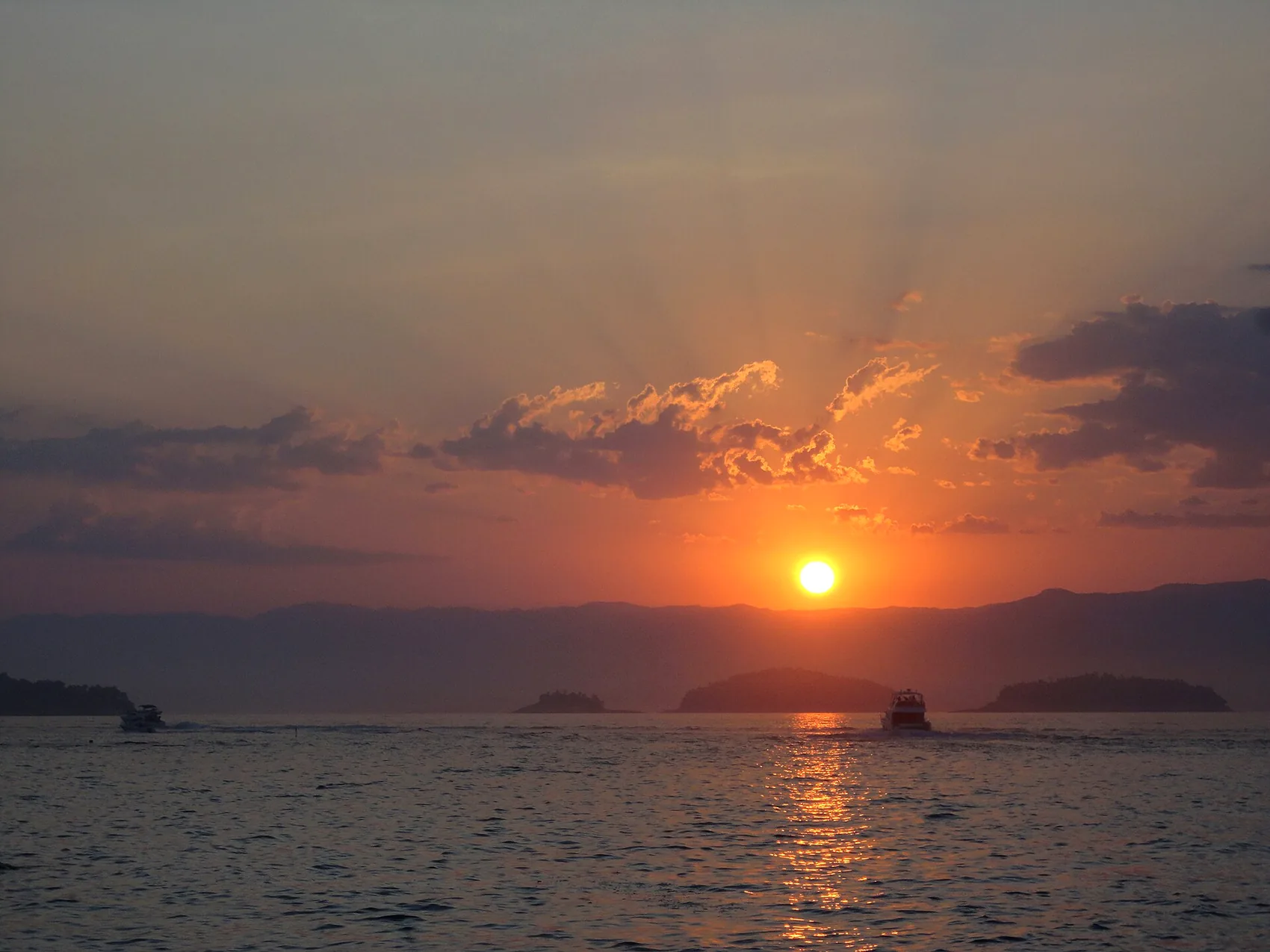
There is one more beach in all this that is not a beach, and we would be poor hosts not to mention it. After a day of salt, sand, sun and, if you have done it properly, a fair bit of walking, the thing you most want is not another beach but a shower, a long cool drink and a swim with nobody else in it. That is the role the chalet plays. The infinity pool sits on a deck about 400 metres above the town, with a single sweep of view taking in the Bay of Paraty, Angra dos Reis and Ilha Grande, and it is where the beach days end: rinse off, slide in, watch the light go down over the water you were swimming in an hour ago. It is not a substitute for the beaches. It is the place you come back to between them, and a good deal of the pleasure of a Paraty beach week is having somewhere quiet and high to return to at the end of each one.
If we can help you match the beaches to your particular trip, whether that is a family who need shallow water and short walks, a couple after the quietest coves in the bay, or a group who want to walk to Antigos and back, that is the conversation we most enjoy having before guests arrive. Tell us what you want from the water and we will point you at the right sand and the right way to reach it. Have a look at what else is around Paraty, and when you are ready to plan, get in touch. The bay has been here a long time, and it is at its best when you have somewhere to come home to at the end of the day.
Come stay above the bay
Chalé Bel Air sits on the ridge that looks over everything in this guide. Tell us your dates and what kind of trip you are after — we answer personally.
Ask about your datesFrequently asked questions
What are the best beaches in Paraty?
There is no single best beach, because they serve different trips. For calm, family-friendly water reached by boat, Praia da Lula and Praia Vermelha are the classic bay picks. For a proper coastal day with surf and a natural pool, drive to Trindade. For wild, quiet sand you earn on foot, walk to Praia do Sono. And for the closest swim, Pontal and Jabaquara are a short stroll from the historic centre.
Which Paraty beaches are best for young children?
Look for shallow, wave-free water and easy access. Praia do Jabaquara, a short walk from town, has calm, shallow water and space to spread out. On a boat day, the sheltered island beaches such as Praia da Lula stay flat and clear. Paraty-Mirim is another gentle option with quiet water and an easy shoreline. Skip the open-ocean surf beaches at Trindade with toddlers.
How do you get to Praia do Sono in Paraty?
Drive or take a local bus about 40 minutes south to the village of Laranjeiras, then walk a forest trail of roughly an hour to an hour and a quarter over a headland. It is a real walk with climbs, descents and muddy sections, so wear proper shoes. In calmer weather you can also arrange a small boat across from Laranjeiras instead of walking.
Can you walk to a beach from Paraty's historic centre?
Yes. Praia do Pontal is about a ten-minute walk across the bridge at the north edge of the old town, and Praia do Jabaquara is roughly fifteen minutes further on, or about half an hour from the centre. Both are easy, flat walks. They are town beaches rather than postcard sand, but they are genuinely useful for a quick swim.
How do you get to Trindade from Paraty?
Trindade is about a 30-minute drive south of Paraty: take the Rio-Santos highway (BR-101) to the village of Patrimônio, then a steep, signposted mountain road down to the sea. Regular local buses run from the Paraty bus terminal and take around 50 minutes. In peak summer the small village fills quickly, so arrive early.
Are Paraty's beaches good for snorkelling?
The best clarity is at the sheltered bay and island beaches reached by boat, where calm water and rocky edges hold fish, and at the Cachadaço natural pool in Trindade, a rock-framed basin that is one of the clearest spots on the coast. Visibility is best in the drier winter months. The town beaches are for swimming, not snorkelling.
Do you need a boat to see the best Paraty beaches?
Not for all of them, but a boat opens up the bay's calmest, clearest island beaches, which you cannot reach any other way. Trindade, Praia do Sono and Paraty-Mirim are reached by road and trail without a boat. The ideal Paraty beach week mixes at least one schooner or small-boat day with one or two land-based beach days.