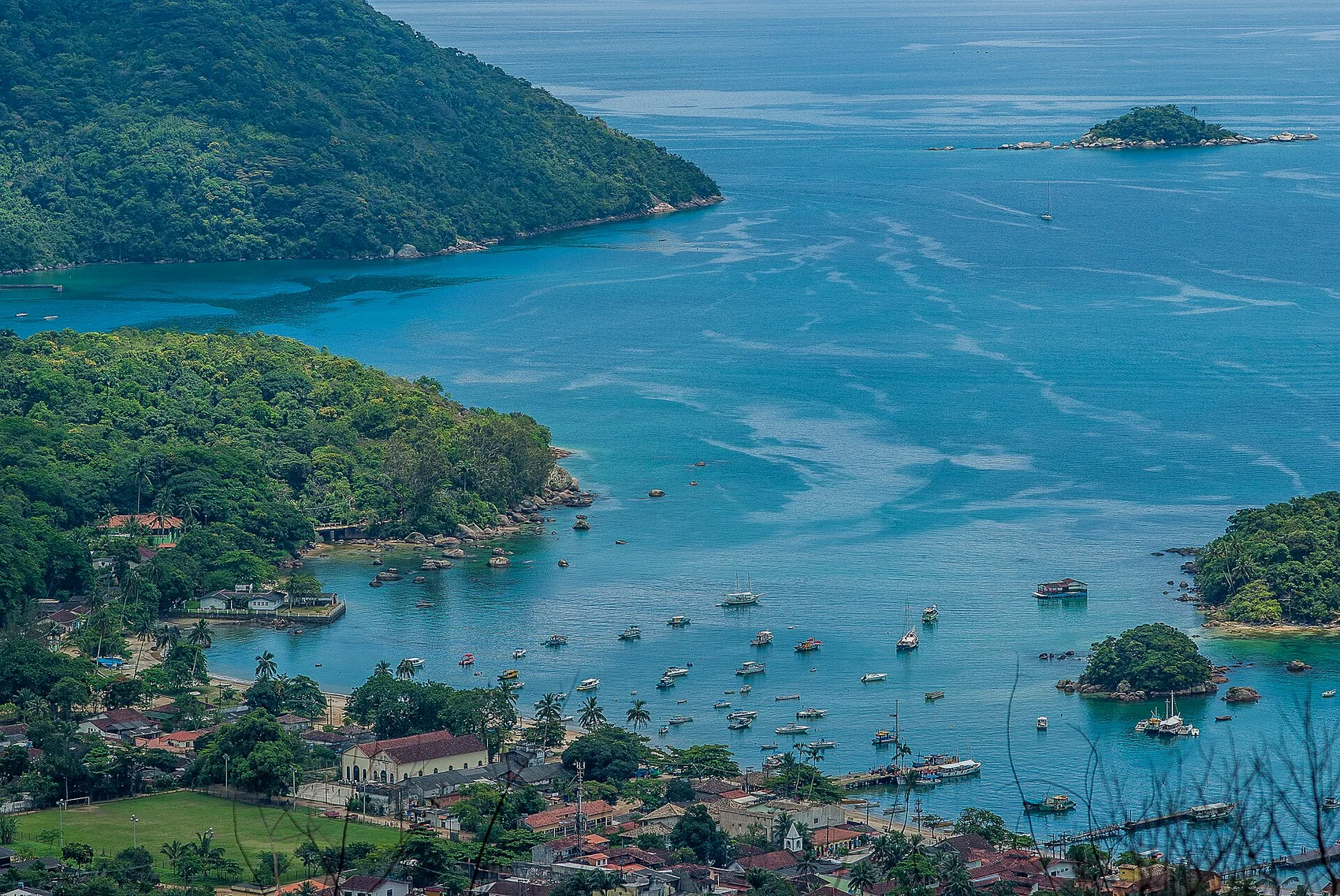
From the chalé's deck you watch the boats fan out across the bay every morning. Sooner or later you'll want to be on one. Here is how a Paraty boat day actually works, and how to pick the version that suits your group.
Schooner or speedboat?
Two kinds of trip leave Paraty's pier, and they are genuinely different days.
The schooner is the classic: a big wooden sailing boat carrying a few dozen passengers on a fixed loop of the bay, usually departing mid-morning and returning late afternoon. There's music, a bar on board, shade under the canopy, and long swimming stops where everyone jumps off the side. It is sociable, inexpensive, and zero-effort — you buy a ticket at the pier or through your hosts the day before, show up, and the day runs itself. The trade-off is the fixed route and the fixed clock: everyone swims at the same stop at the same time.
The private speedboat (locals call small motorboats lanchas, and simple covered fishing boats barcos de táxi) flips that. You charter the boat for the day with a skipper, and the route is yours. Want to skip the busiest cove and spend two hours snorkeling at an island instead? Done. Want to push further out toward the Saco do Mamanguá or a far beach the schooners don't reach? That's exactly what a charter is for. It costs more, but split between a family or two couples it is usually worth it — especially if you care about snorkeling or quiet anchorages.
Our honest advice: do the schooner once for the atmosphere, then charter for the days you want the bay on your own terms.
The classic five-stop route
Most schooner loops and many charters follow a version of the same circuit around the inner bay. The exact stops vary with weather and tide, but the shape of the day is consistent:
- Out past the fort. The boat leaves the pier, slides past the colonial waterfront and the Forte Defensor Perpetuo headland, and the town shrinks behind you.
- A first swimming cove. Typically a calm, jungle-backed inlet on the bay's near shore. The water here is sheltered and warm — the easy warm-up swim.
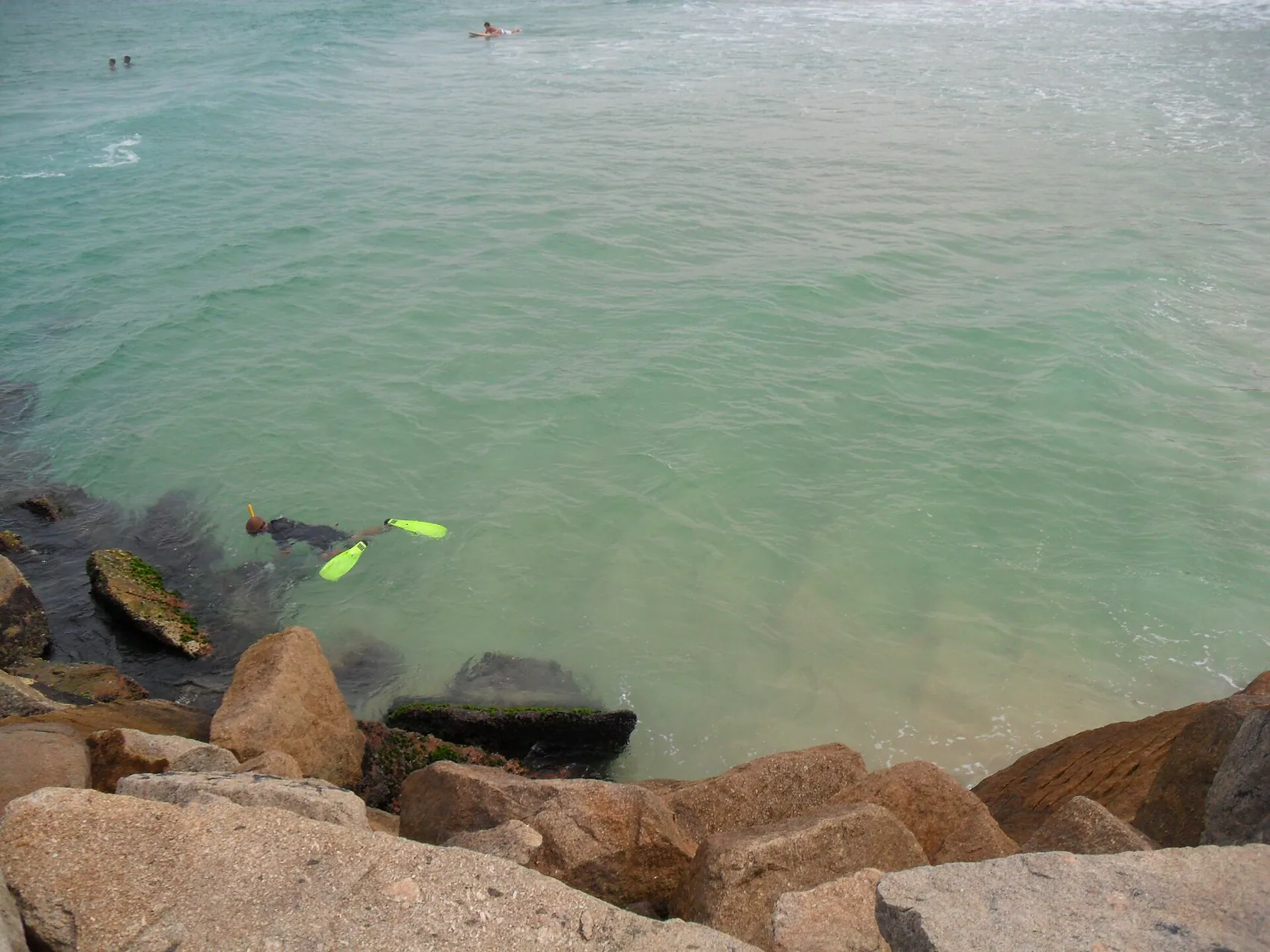
- An island stop. The bay is scattered with small private and public islands; the boats anchor off one with clear water for the best swimming and snorkeling of the day.
- A beach lunch stop. The longer stop, usually at a beach with simple seafood restaurants behind the sand. Lunch is rarely included in the ticket — bring cash or a card.
- One last swim, then home. A final anchorage on the way back, timed so you return to the pier with the late-afternoon light on the mountains. From the water you can pick out the ridge where the chalé sits.
What to bring
- Reef-safe sunscreen and a hat. The light off the water is stronger than it feels under the canopy.
- A dry bag or zip-lock for phone and wallet — you will be wading or swimming to some beaches.
- Mask and snorkel if you have them; boat-supplied gear exists but varies.
- Cash for the lunch stop and drinks on board.
- A light layer for the ride home — the breeze picks up in the afternoon.
- Seasickness tablets if you're prone; the inner bay is calm, but the stretch toward Ilha Grande can roll. More in our packing guide.
How the swimming stops work
The boats anchor in open water more often than they dock. You go in off the ladder or the side, swim to the beach if you want it, and the crew keeps loose track of time with a horn or a shout. The water on this coast is famously green and clear over sand, warmest from December to March and perfectly swimmable year-round. If anyone in your group is a nervous swimmer, ask for a noodle or vest when you board — every boat carries them, and on a schooner nobody bats an eye.
Timing and weather
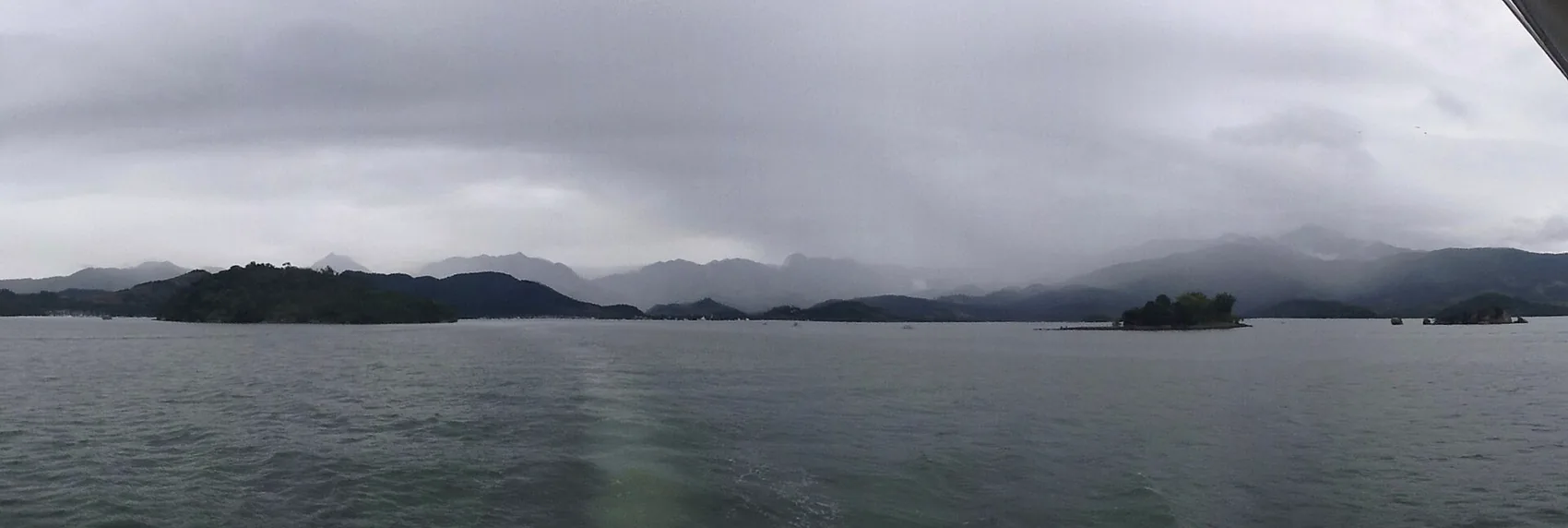
Boats run all year. Summer (December–February) brings the warmest water and the afternoon thunderstorm pattern — morning departures get the best of the day. Winter (June–August) is drier, clearer and a touch cooler: arguably the best visibility for snorkeling. If a rain front settles in, swap the boat for a rainy-day plan in town and go out the day after, when the bay is rinsed clean.
Come stay above the bay
Chalé Bel Air sits on the ridge that looks over everything in this guide. Tell us your dates and what kind of trip you are after — we answer personally.
Ask about your datesFrequently asked questions
Should I take a schooner or charter a private boat in Paraty?
Do the schooner once for the atmosphere — it is sociable, inexpensive and effortless on a fixed loop of the bay — then charter a private speedboat (a lancha) for the days you want your own route, quiet coves and longer snorkelling stops. Split between a family or two couples, a charter is usually worth the extra cost.
What does the classic Paraty boat route include?
A typical loop runs out past the Forte Defensor Perpétuo, a first sheltered swimming cove, an island anchorage with clear water for snorkelling, a beach lunch stop with simple seafood restaurants, and one last swim on the way home in the late-afternoon light. The exact stops vary with tide and weather.
What should I bring on a Paraty boat day?
Reef-safe sunscreen and a hat, a dry bag for phone and wallet, your own mask and snorkel if you have them, cash for the lunch stop and onboard drinks, a light layer for the breezy ride home, and seasickness tablets if you're prone.
What time of year is best for boat days in Paraty?
Boats run all year. Summer (December–February) brings the warmest water and an afternoon thunderstorm pattern, so morning departures get the best of the day. Winter (June–August) is drier, clearer and a touch cooler — arguably the best visibility for snorkelling.