Paraty is a UNESCO Creative City of Gastronomy, and you feel it at the table: the fish came in this morning, the cachaca was distilled up the road, and the recipes are older than the country. This is what to eat here, where to find it, and how to order it like you have done it before.
People come to Paraty for the cobblestones and the bay, and then they remember it for the food. That always surprises first-timers, and it shouldn't. This is a town where the boats that supply the kitchens are tied up two streets from where you eat, where the fruit on the breakfast table grew within an hour's drive, and where the spirit in your evening drink was distilled in the hills you can see from the water. In 2017 UNESCO made Paraty a Creative City of Gastronomy — not for white-tablecloth invention, but for the way the place still eats from its own coast and forest. You taste that connection at every level, from a plastic plate on the sand to a candlelit dinner in a colonial house.
We host guests up on the ridge, and "where should we eat" is the question we answer second only to "what should we do." So this is the honest version. We are not going to hand you a list of restaurant names — the good ones change hands, the great ones get booked out, and a list written today is half-wrong by the time you read it on the plane. Instead we will tell you what to eat, where each thing is found, and how to order it so you eat like someone who has been here before. Learn the dishes and the settings and you can walk into any room in town and order well.
The caiçara table: where this food comes from
To understand what is on your plate in Paraty you need one word: caiçara. The caiçaras are the traditional coastal people of southeast Brazil — fishing and small-farming communities whose culture is a three-way braid of Indigenous, Portuguese and African roots. Their cooking is what Paraty cooking really is, even in the smartest restaurants. It is a cuisine of the sea and the forest's edge: whatever the boats bring in, cooked simply, stretched and rounded out with the plants that grow easily in the heat — cassava, banana, palm, coconut.
That history matters at the table because it explains the logic of the food. The Indigenous base gave the coast its fish-and-cassava bones and its way of cooking things wrapped in banana leaf over fire. The Portuguese brought the salt cod, the olive oil, the egg-and-sugar sweets and the bacalhau habit. The enslaved Africans brought dende — the orange-red palm oil — coconut milk and the deep, layered seasoning that turns a plain fish into a moqueca. Put those three together on one of the wettest, most fertile coasts on earth and you get a food culture that is generous, unfussy and built almost entirely around freshness rather than technique.
The practical upshot for you is this: the best meals in Paraty are rarely the most elaborate ones. A whole fish off the morning boat, grilled over charcoal, with rice, beans, farofa and a squeeze of lime, is the high point of the cuisine, not a budget version of it. Order for freshness, not for fanciness, and you will eat better here than people who chase the most expensive thing on the menu. If you want the deeper background on the people behind this cooking, we go into it in our piece on caiçara culture on the Costa Verde.
Moqueca: the dish to order first
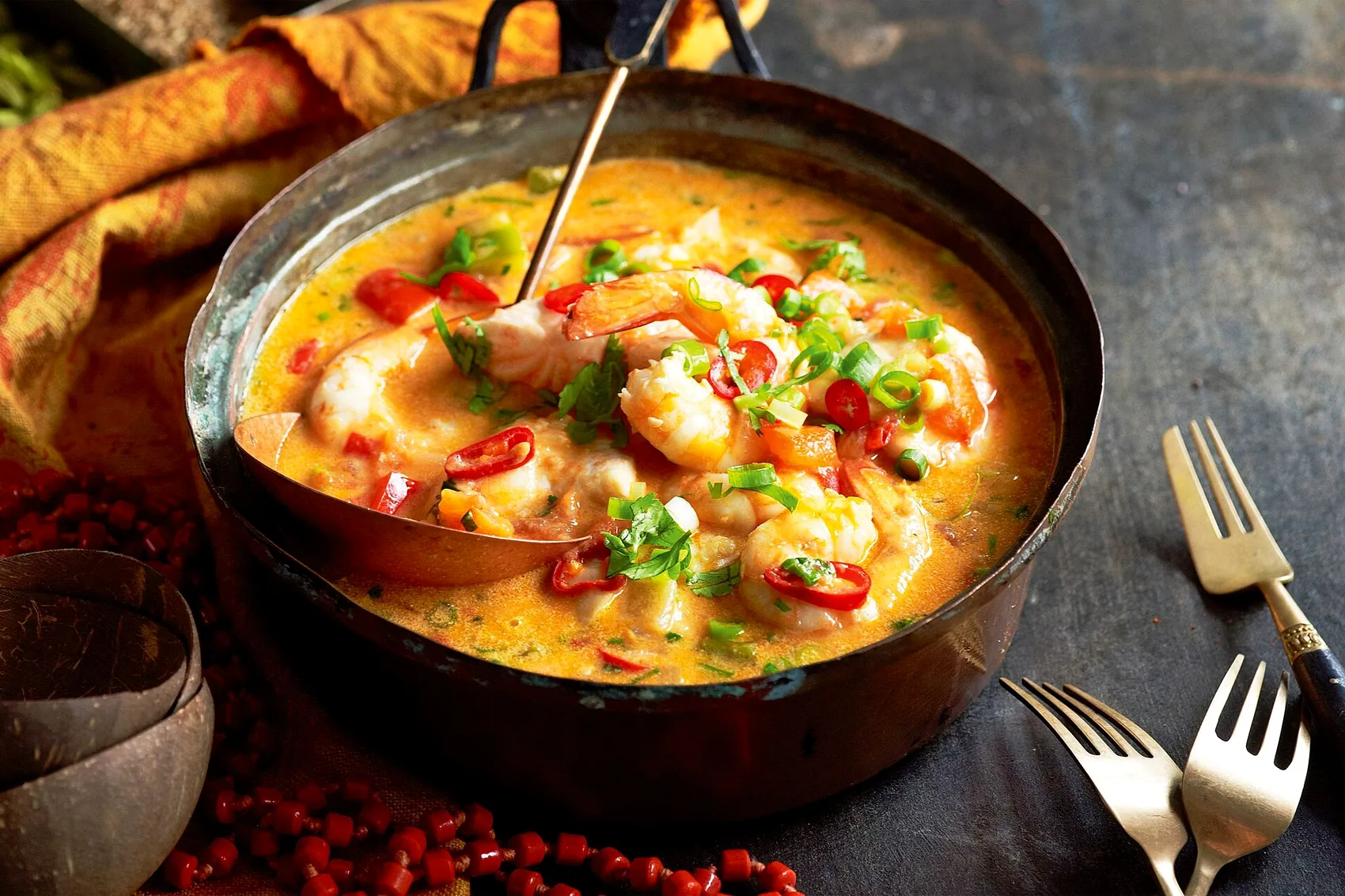
If you eat one thing in Paraty, make it moqueca (moh-KEH-kah). It is the great dish of the Brazilian coast and the one most worth crossing a room for. At its simplest, moqueca is a slow-simmered seafood stew, but the version you usually meet here is the Bahian style: fish or prawns cooked gently with coconut milk, tomato, onion, garlic, plenty of fresh coriander, lime, and a generous slug of dende, the orange-red palm oil that gives the broth its colour and its faintly smoky, nutty depth. It arrives at the table still bubbling in a heavy clay pot, and the smell alone tells you why people get sentimental about it.
A few things to know so you order it right. Moqueca is almost always made for two — it is a sharing dish, and a single portion is rare — so it is the natural centre of a dinner rather than a solo lunch. It comes with a supporting cast that is half the pleasure: white rice to soak up the broth, pirão (a smooth, savoury porridge thickened with cassava flour and the cooking liquid), and farofa (toasted cassava flour, sometimes with bits of egg or banana) to sprinkle on top for texture. You build each spoonful yourself.
You will see two main kinds. Moqueca de peixe is made with firm white fish; moqueca de camarão with prawns; and many kitchens do a mixed seafood version with prawns, fish and sometimes squid or mussels. There is also a milder, paler tradition — the capixaba style from the neighbouring state of Espírito Santo, made with annatto instead of dende and no coconut — but on this coast the rich Bahian-leaning version is what you will mostly find. If you do not love coconut or strong palm oil, say so when you order; a good kitchen can steer you to a lighter fish preparation instead.
Fresh fish and seafood: the heart of it
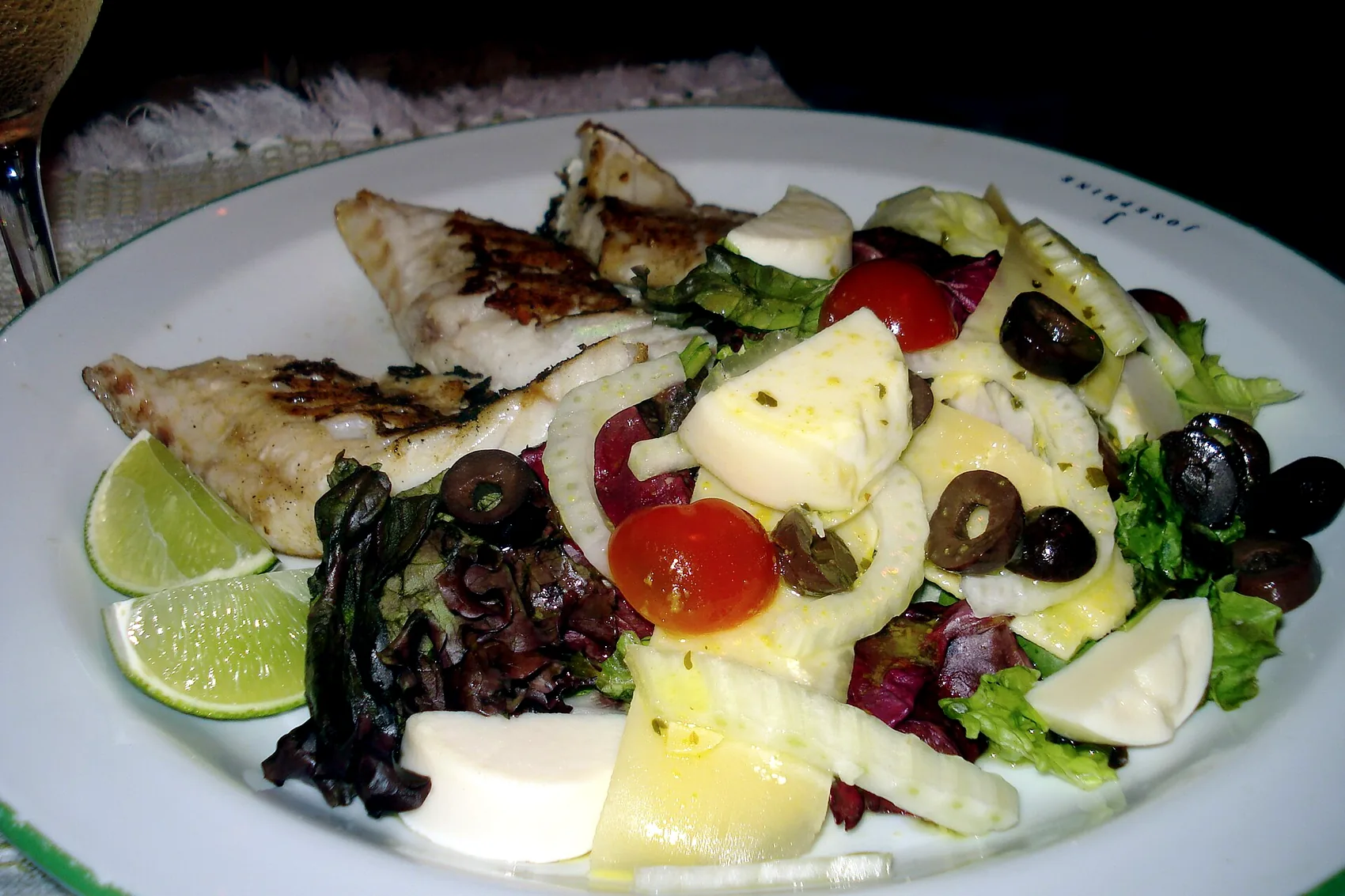
Moqueca is the famous dish, but the everyday glory of Paraty is simpler: fresh fish, grilled or fried, off the day's boats. Paraty still has a working fishing fleet and a fish market on the waterfront, and a real chunk of what lands on plates here was swimming that morning. That freshness is the whole game, and the best way to eat it is the plainest: a whole fish (peixe inteiro) grilled over charcoal, or fish fillets pan-fried, served with rice, beans, a salad and farofa. Add lime and you are done.
The fish you will meet most often are firm-fleshed coastal species — robalo (snook), badejo and garoupa (groupers), dourado and the small, sweet tainha (mullet) in season. You do not need to memorise them. The single most useful phrase at any seafood table here is "qual é o peixe do dia?" — what is the fish of the day — because menus everywhere list far more species than any one kitchen actually has fresh on a given afternoon. Order the catch of the day and you sidestep the freezer entirely.
Prawns and shellfish
The prawns deserve their own line. Costa Verde camarão runs from small and sweet to enormous tiger prawns, and they turn up everywhere: in moqueca, grilled on skewers at a beach kiosk, fried whole and eaten shell-and-all with a cold beer, or — a regional favourite — served inside a hollowed-out wedge of grilled pineapple or a baked squash. A plate of garlic prawns (camarão ao alho e óleo) with rice and a green salad is one of the most reliable good lunches in town. You will also see lula (squid), polvo (octopus) and, after a rain when the tide is right, oysters and mussels, often from small local cultivators out in the bay.
One honest note: prawns are not cheap here, and the very biggest ones are priced by weight. That is normal — they are excellent and labour-intensive to catch — but it is worth knowing so the bill doesn't surprise you. If you want the flavour without the splurge, a prawn moqueca shared between two, or prawns folded through a seafood rice, spreads them further than a plate of jumbo grilled ones.
Two caiçara classics worth seeking out
Beyond moqueca, two dishes will tell you that you have found genuine caiçara cooking rather than tourist seafood. The first is bobó de camarão: prawns in a thick, golden purée of cassava cooked down with coconut milk and dende. It is moqueca's richer, creamier cousin, and on a cool evening it is hard to beat. The second is the one that surprises people most: peixe azul-marinho, or "navy-blue fish." Fish is stewed with unripe green bananas, and a reaction between the banana and the pot turns the broth a strange blue-grey — hence the name. It is one of the oldest dishes on this coast, with deep Indigenous roots, and if you see it on a menu in a family-run place, order it. It tastes far better than a blue stew has any right to.
The best meal in Paraty is usually the simplest one: a whole fish off the morning boat, charcoal, lime, and the patience to eat it slowly.
Cassava, banana and palm: the supporting cast that runs everything
Three humble ingredients hold caiçara cooking together, and once you start noticing them you see them everywhere. The most important is cassava — also called manioc, mandioca or aipim — the starchy root that is to this coast what the potato is to Europe. It appears boiled and fried as a side; ground into farinha and toasted into the farofa you scatter over everything; thickened into pirão; and fried into crisp sticks (mandioca frita) that arrive as a bar snack and disappear faster than chips. There is also tucupi, a tangy yellow sauce pressed from cassava, more common up in the Amazon but increasingly used by ambitious Paraty kitchens.
Banana is the second pillar, and it is not just dessert. Green cooking bananas and plantains go into savoury dishes — the azul-marinho above, banana purée served under grilled fish, fried banana alongside a main course. Ripe ones turn up grilled with cinnamon, blended into juices, or in the simple, perfect banana da terra roasted until it caramelises. Do not be thrown when banana shows up next to your fish rather than at the end of the meal; that is the tradition working exactly as intended.
The third is palm heart (palmito) — the tender inner core of certain palms, sliced into salads, baked into savoury pies, grilled in thick rounds that eat almost like a scallop, or served as a starter with a squeeze of lime. The best of it is fresh local pupunha palmito, sustainably farmed, which is a world away from the tinned version most visitors know. If you see grilled palmito on a menu, it is a lovely, slightly unexpected vegetarian thing to start with.
Tropical fruit, juices and açaí
Brazil's fruit is a genuine reason to visit, and the Costa Verde grows or trucks in an absurd variety of it. Some you will know — mango, pineapple, papaya, passion fruit, coconut. Others will be new: caju (the soft, astringent cashew fruit, not the nut), graviola (soursop), cupuaçu (a creamy Amazonian cousin of cacao), jabuticaba (a grape-like fruit that grows straight out of the tree trunk), pitanga, acerola, maracujá (passion fruit) and cajá. The easiest way to meet them all is the same way Brazilians do, as a suco — a fresh fruit juice, blended to order with water (com água) or milk (com leite), and as sweet or unsweetened as you ask. Order one you cannot pronounce. That is the whole adventure.
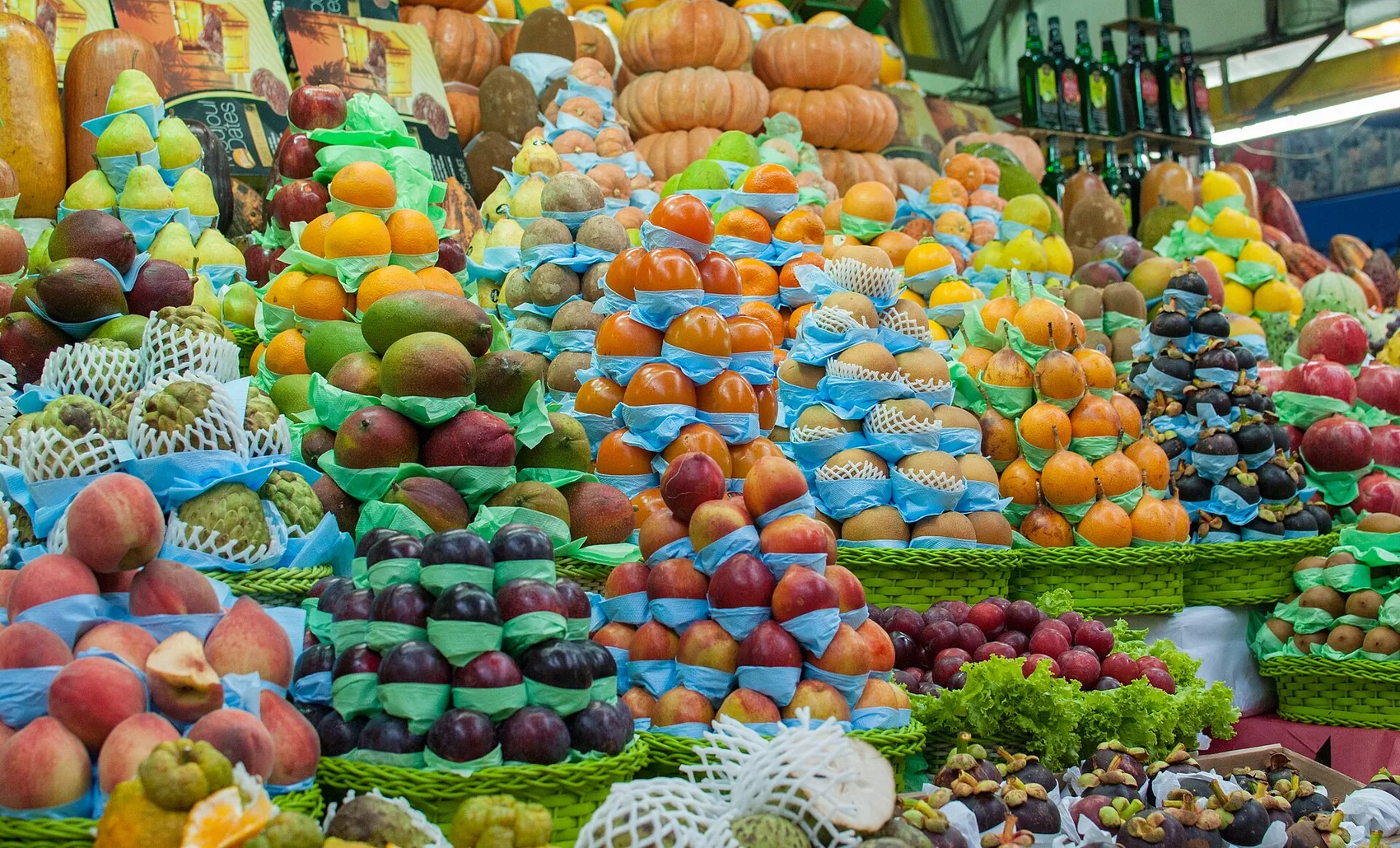
Then there is açaí (ah-sah-EE). It is worth being clear about what it actually is, because the version sold abroad has drifted a long way from home. Açaí is the pulp of a palm fruit from the Amazon — almost all of it grown far to the north in Pará — and in its home region it is eaten thick and savoury, with fish and cassava flour. What you will eat on this coast is açaí na tigela, "açaí in the bowl": the frozen pulp blended to a dense, dark sorbet, sweetened (often with guaraná syrup) and topped with granola, banana and sometimes honey or condensed milk. It is cold, energising and genuinely good after a hot day on the water or a long trail. Beach kiosks and juice bars do it best; treat it as a snack or a light breakfast rather than a dessert and you will understand why Brazilians are obsessed with it.
Feijoada and the inland flavours
Not everything in Paraty comes from the sea. The town sits at the foot of mountains that climb to Minas Gerais, and the heartier, meatier cooking of the interior shows up too — most famously in feijoada, the black-bean-and-pork stew that is as close to a national dish as Brazil has. Feijoada is a slow, smoky braise of black beans with various cuts of pork and beef — sausage, ribs, and traditionally the cheaper cuts — served with rice, sautéed collard greens (couve), farofa, orange slices to cut the richness, and a fiery little dish of pimenta on the side.
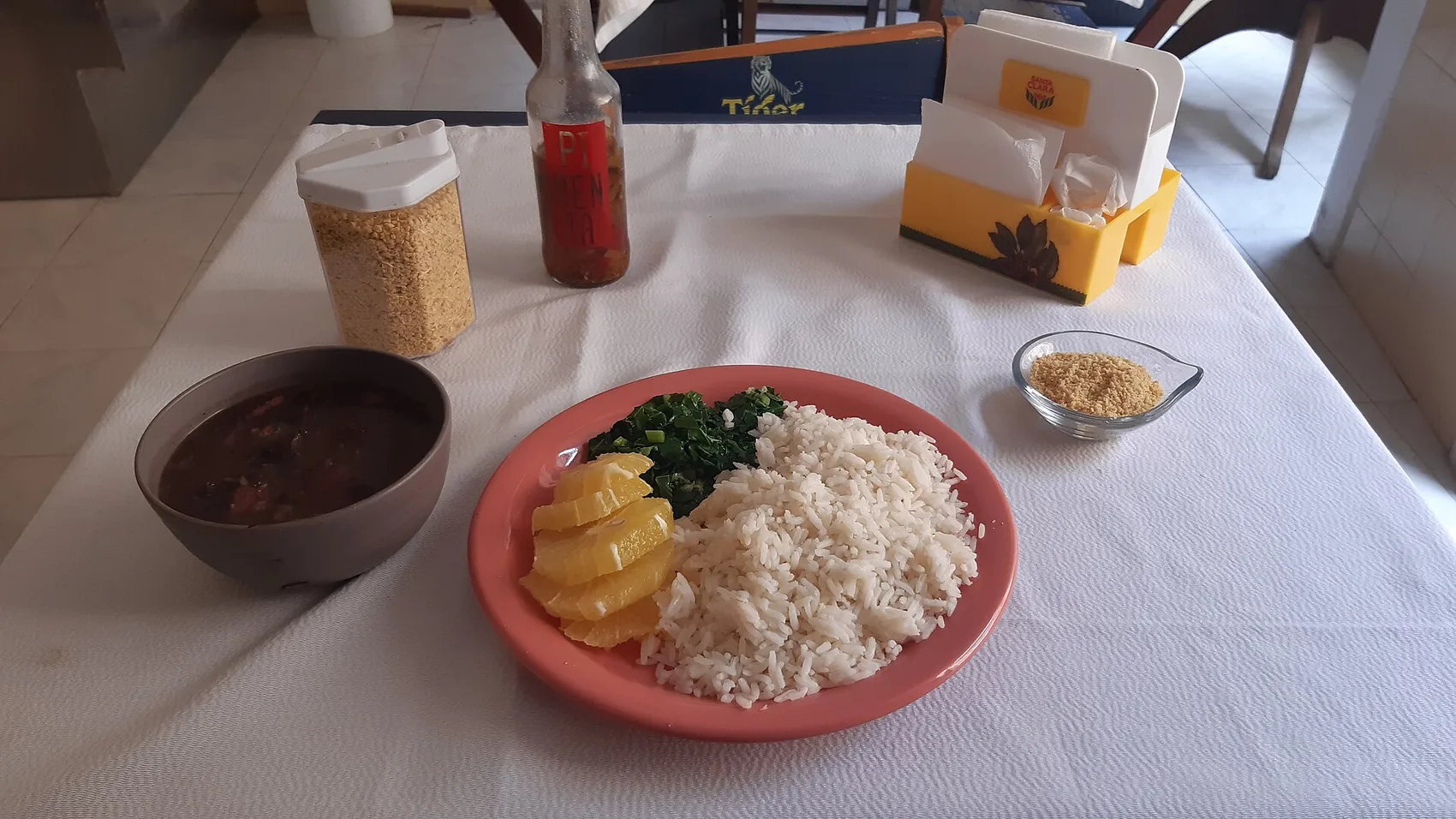
The thing to know is when. Feijoada is traditionally a weekend lunch — Wednesdays and Saturdays especially — because it is heavy, it takes hours, and it is meant to be a long, social, slightly sleepy midday meal, not a quick weeknight dinner. Many restaurants that serve it only do so on those days. If a proper feijoada is on your list, build a slow Saturday afternoon around it, order a caipirinha or an ice-cold beer alongside, and do not plan anything strenuous afterwards. It is a meal you nap off, not one you walk off.
You will also meet other comforting standards: frango com quiabo (chicken with okra), various carne de panela (pot-braised beef) dishes, and the ubiquitous everyday plate that quietly underpins all Brazilian eating — rice, beans, a piece of grilled meat or fish, salad and farofa, sold as the prato feito ("PF") at lunch counters for a fair price. The PF is the cheap, honest local lunch, and it is often where the cooking is most homely and most real.
Where to find what: the three Paraty dining worlds
Where you eat in Paraty shapes what you should order as much as your appetite does. There are roughly three settings, and each does some things brilliantly and others not at all. Knowing which is which is most of what saves you from a mediocre meal.
The historic centre
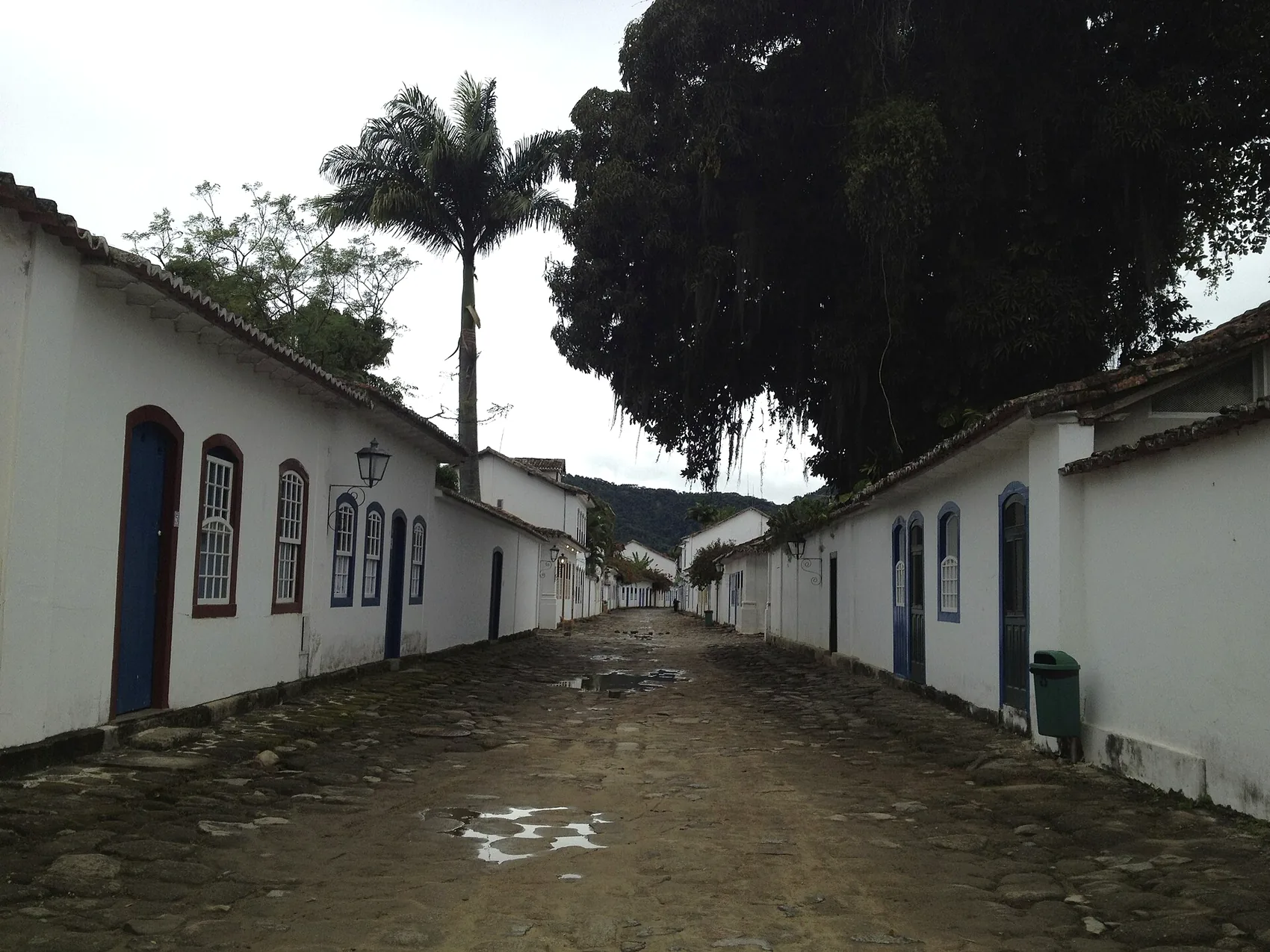
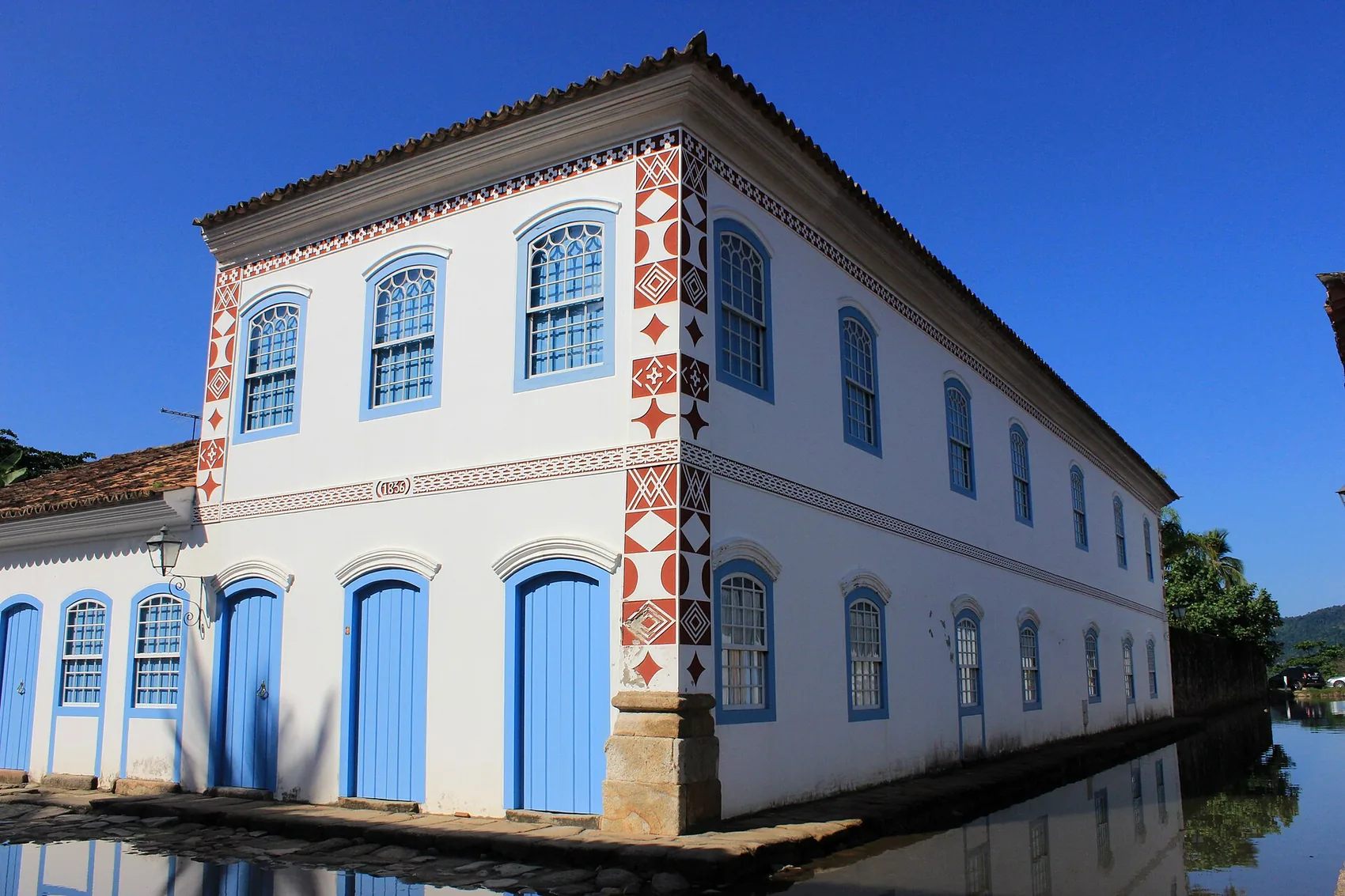
The colonial grid is where you will eat most of your dinners, and rightly so. Inside the whitewashed houses are everything from simple seafood rooms to a handful of genuinely accomplished kitchens — Paraty's UNESCO gastronomy status is built on the latter, where chefs take caiçara ingredients and cook them with real ambition. This is where to come for a proper moqueca, for refined takes on fish with banana and palmito, for a special dinner. The setting helps: tables spill onto the cobblestones, candles and lanterns come out after dark, and live music drifts between the buildings. It is also the priciest zone, and the most tourist-facing, so the spread of quality is wide. Our rule: avoid the places with photo menus and a tout at the door, and look instead for a short menu, a full room of Brazilians, and a chalkboard listing today's fish. The centre is also the heart of the after-dinner scene, which we cover in the nightlife and bars guide.
The waterfront and the fish market
Down on the water, two different pleasures. The fish market (the mercado do peixe / mercado do pescador) on the waterfront is where the boats land and the kitchens shop — go in the morning to watch the catch come in, and you will understand the whole food chain of the town in ten minutes. Around and near it sit simpler, salty seafood spots where the fish has travelled about thirty metres from boat to grill; these are not fancy, and that is exactly why they are good. This is also where you sit with a cold beer and a plate of fried fish or prawns and watch the schooners come and go. For the freshest, plainest seafood at a fair price, the waterfront beats the smart centre.
Beach kiosks and the boats
Out of town, eating gets simpler and often better. The beach kiosks (quiosques) — little shacks behind the sand at beaches near and far — do grilled fish, prawns, casquinha de siri (a baked crab gratin in its shell), fried pastéis (crisp stuffed pastries, often with prawn or palm heart), and ice-cold drinks, all eaten with your feet more or less in the sand. Vendors walk the beach selling grilled cheese (queijo coalho) on a stick, fresh prawns, and shrimp acarajé. It is informal, cash is handy, and it is some of the most enjoyable eating you will do here. We go deeper into the beach-day food rhythm in our guide to a day on the water.
Eating on a boat day
A day on the bay comes with its own food logic, and getting it right turns a good day into a great one. Most boat trips — whether a big shared schooner or a private charter — build a beach lunch into the middle of the day, and how that works depends on the boat.
On a schooner (escuna), there is usually a bar on board and a lunch stop at an island or beach with a restaurant, where you order off a short menu of grilled fish, prawns and the like. It is convenient but it is not where the best food of your trip will be; eat lightly and save your appetite for dinner ashore. On a private charter (lancha), you have far more control: you can ask the skipper to stop at a particular beach restaurant known for its kitchen, you can bring your own cooler of drinks and snacks, and you can time lunch to the quiet window before the schooners arrive. The single best boat lunch on this coast is a whole grilled fish at a small island or beach restaurant, ordered the moment you land so it is ready when you have had your swim.
Breakfast, Brazilian style
Breakfast (café da manhã) is a real meal here and one of the quiet joys of staying in Paraty. The classic Brazilian spread is generous and savoury-leaning: fresh tropical fruit and juices, cheese and ham, scrambled or fried eggs, warm bread and the small cheese-bread balls called pão de queijo (chewy, gluten-free, dangerously easy to overeat), cake (bolo), tapioca crêpes made from cassava starch and filled sweet or savoury, and strong coffee — cafézinho — usually pre-sweetened, so say "sem açúcar" if you take it without. Pousadas in the centre put on a particularly good morning table as part of the room, and it is often the most leisurely meal of your day.
If you are self-catering up in the hills or in a villa, the morning market and the bakery (padaria) are your friends. A padaria does fresh bread, pão de queijo, pastries and a quick coffee standing at the counter; the market and small grocers stock the fruit, cheese and eggs to build your own spread on a terrace with a view. Honestly, for many of our guests a slow self-made breakfast looking over the bay beats any restaurant, and it sets up a day on the water perfectly.
Cachaça and the caipirinha
You cannot write about eating in Paraty without drinking, because the town's defining product is in your glass. Cachaça is the sugarcane spirit at the root of all of this — distilled from fresh-pressed cane juice, not molasses, which is what separates it from rum. Paraty was a serious cachaça town long before it was a tourist one; for a stretch of history "parati" was simply slang for the spirit across Brazil, and the artisanal distilleries in the hills behind town are the direct heirs of that trade. A tasting at one of them is one of the best half-days here, and we cover them properly in the cachaça distilleries guide.
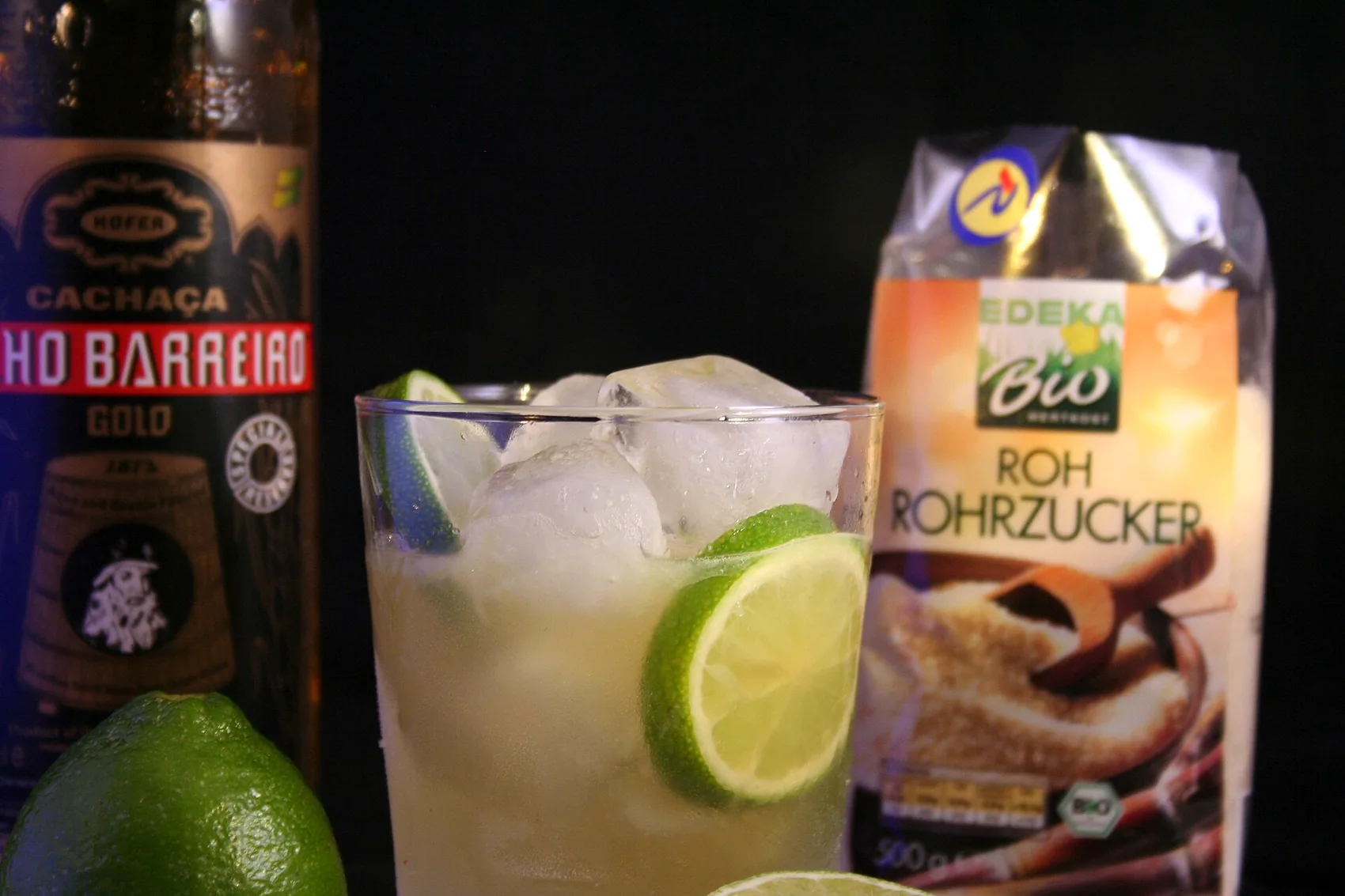
There are two broad styles. Cachaça branca (white, unaged) is clear, grassy and a little fiery — this is what goes into a caipirinha. Cachaça amarela / envelhecida (yellow, barrel-aged) is rounder, softer and meant to be sipped neat or over ice, like a fine aged rum; the best of it, rested for years in local hardwoods, is genuinely complex. Buy a bottle of the good stuff to take home — it is a far better souvenir than a fridge magnet, and the artisanal Paraty bottles are hard to find abroad.
The drink you will actually order most is the caipirinha — Brazil's national cocktail, and a revelation when it is made with real local cachaça. The genuine article is just three things: cachaça, fresh lime muddled with its skin, and sugar, served over ice. That is it. Made well, with good cachaça and ripe limes, it is bright, balanced and dangerous. Made badly, with cheap spirit and too much sugar, it is a headache in a glass — which is why the difference between a beachfront tourist caipirinha and one from a proper bar is so stark. Variations abound: a caipifruta swaps in passion fruit, strawberry, cashew fruit or pineapple; a caipiroska uses vodka instead of cachaça (order the real thing instead, at least once). And if you want something gentler, a batida — cachaça blended with fruit and sweetened milk or condensed milk — is the easy-drinking cousin.
Dietary notes: vegetarians, allergies and the things to flag
Paraty is a seafood and meat town at heart, but it handles dietary needs better than you might expect, especially in the centre. A few honest pointers:
- Vegetarians and vegans do fine but should be proactive. Palm heart, the abundance of tropical fruit, beans, rice, cassava in every form, grilled vegetables, and the tapioca crêpes give you plenty to build on, and the more ambitious kitchens always have thoughtful meat-free plates. Watch out for the hidden meat: beans are often cooked with pork, and farofa and pirão can be made with animal fat or fish stock. The phrase to learn is "sem carne e sem peixe" (no meat and no fish), and for vegans, "sem leite, sem ovo, sem manteiga" (no milk, egg or butter).
- Coconut and dende are everywhere in the seafood dishes. If you dislike either, say so — many fish dishes can be done grilled and plain instead.
- Shellfish and nut allergies need clear communication; cross-contamination in a busy seafood kitchen is a real risk, so flag it firmly and simply. Carry a written card in Portuguese if your allergy is severe.
- Gluten-free travellers are quietly well served here, because cassava and corn do so much heavy lifting — pão de queijo, tapioca crêpes and most of the rice-and-bean plates are naturally gluten-free. Always confirm, but the staple foundations are on your side.
How to dine here: couvert, hours, tipping and ordering well
A handful of customs trip up first-timers, and knowing them in advance makes every meal smoother.
Couvert and the service charge
Soon after you sit down, a small plate of bread, spreads, pastes or olives may appear that you did not order. This is the couvert — an optional, charged starter. It is not free and it is not a scam; it is simply the convention. If you want it, enjoy it; if you do not, a polite "não, obrigado" sends it back at no cost. Separately, most sit-down restaurants add a service charge of around ten percent (serviço) to the bill, which stands in for a tip. It is customary to pay it and not strictly obligatory; if service was poor you can ask to have it removed, but in practice most people leave it.
Hours and pace
Brazilians eat late and linger, and Paraty runs on that clock. Lunch spreads from around midday into the mid-afternoon. Dinner rarely gets going before about 8pm and runs late; turn up at 7 and you may find a quiet room and a kitchen still warming up. Many centre restaurants stay open right through the afternoon, but the smaller, better and family-run places keep their own hours and can close on a quiet midweek day, so on a short visit it is worth checking the day you want to go. Meals are unhurried — the bill does not come until you ask for it ("a conta, por favor"), and a waiter clearing your plates is not a hint to leave. Settle in.
Booking, paying and a few useful words
For an ordinary dinner you can usually just walk in, especially outside the peak summer holidays and festival weekends. For the handful of standout kitchens, and for anything during Carnival, the literary festival or New Year, book ahead — those rooms are small and they fill. Cards are widely accepted in town, but carry cash for beach kiosks, boat lunches, the smaller distilleries and the market, where signal and machines are unreliable. A scatter of Portuguese is warmly received: "o peixe do dia" (the fish of the day), "para dividir" (to share), "bem passado / mal passado" (well done / rare), "a conta, por favor" (the bill, please), and "estava ótimo" (it was great). For the wider practical context of travelling and eating here, our complete guide to Paraty ties it all together, and our resources page has the maps and phrasebook downloads.
A perfect day of eating in Paraty
If you want the whole thing in one shape, here is how we would string a day of eating together. Start slow with a long pousada or terrace breakfast — fruit, pão de queijo, a tapioca crêpe, strong coffee — and a cold açaí bowl if it is already hot. Take a boat out and order a whole grilled fish at a beach restaurant the moment you land, eating it barefoot in the early afternoon with your swim already behind you. Back in town, rest through the heat. As the day cools, drift into the historic centre, take a table on the cobbles, and start the evening with a proper caipirinha made from local cachaça. Then order a moqueca to share, build each spoonful with rice, pirão and farofa, and let it take as long as it takes. Finish with a sip of aged cachaça neat, and follow the live music out into the lantern-lit streets. That single day — fruit, fish, fire, stew and spirit — is the whole of Paraty's table in miniature.
The last word on eating in Paraty
Paraty rewards the eater who slows down and trusts the place. You do not need a reservation list or a ranking; you need to know that the morning's fish is better than the menu's longest description, that moqueca is worth waiting for, that the simplest grilled plate is often the best one, and that the spirit in your glass was made up the road. Order the fish of the day, the dish you cannot pronounce, the juice you have never heard of. Wave away the couvert if you do not want it, leave the service charge if you do, and never rush a meal that the kitchen is clearly taking its time over. Eat like that and you will leave understanding why a small colonial town on a green coast wears its UNESCO gastronomy badge so lightly and so well — and why, of everything you came here to see, the table is the thing you will most want to come back for. When you are ready to plan the rest of the trip around it, our complete guide to Paraty and our contact page are the next stops.
Come stay above the bay
Chalé Bel Air sits on the ridge that looks over everything in this guide. Tell us your dates and what kind of trip you are after — we answer personally.
Ask about your datesFrequently asked questions
What food is Paraty known for?
Paraty is a seafood town on Brazil's Costa Verde, so its signature is caicara coastal cooking: moqueca, the slow seafood stew of coconut milk, palm oil and coriander; grilled whole fish straight off the day's boats; prawns; and the local trick of cooking fish with green banana. Cassava, palm heart, tropical fruit and the town's artisanal cachaca run through nearly everything.
What is moqueca?
Moqueca is a slow-simmered seafood stew, the great dish of the Brazilian coast. The version you usually meet in Paraty leans Bahian: fish or prawns cooked down with coconut milk, tomato, onion, coriander, lime and orange-red dende (palm) oil, served bubbling in a clay pot with rice, pirao and farofa. It is built to share between two.
Is the seafood in Paraty fresh?
Generally yes. Paraty still has a working fishing fleet and a fish market on the waterfront, and much of what reaches kitchens was landed that morning. Ask what the catch of the day is and order it; menus list far more than any one kitchen actually has fresh on a given day.
What is couvert in a Brazilian restaurant?
Couvert is a small paid starter brought to the table before you order, usually bread, a spread, olives or pastes. It is optional and it is charged, so if you do not want it you can simply wave it away. A separate service charge of around ten percent is also typically added to the bill in place of a tip.
When do restaurants serve in Paraty?
Brazilians eat late. Lunch runs roughly from midday into mid-afternoon, and dinner rarely gets going before about 8pm, with kitchens busy until late. Many places in the historic centre open all afternoon, but the smaller and best ones keep their own hours, so it is worth checking the day you want to go.