Paraty makes an unusually good place to marry, renew vows, or mark a big birthday: a car-free colonial town, a bay full of islands, and the kind of intimate scale that suits a small, personal celebration far better than a grand one. Here is how we help guests think it through.
People come to Paraty for a lot of reasons, and more of them than you would guess are coming to mark something. A wedding. A vow renewal on a round-number anniversary. An elopement that two people want to keep small on purpose. A sixtieth birthday, a retirement, a reunion of friends who have scattered across the world and want one good week back together. We host guests on the ridge above the bay, and the celebrations are some of the trips we remember best, partly because Paraty is so well suited to them and partly because so few people realise it before they arrive.
This guide is the long version of the conversation we have with those guests. What kinds of places you can actually hold a celebration. When to come so the weather is on your side. How to get a group of people here without it turning into a logistics project. And the one thing that trips up nearly everyone who imagines getting legally married on a Brazilian beach: the difference between the ceremony you picture and the paperwork that makes a marriage real under Brazilian law. We will be honest about what Paraty does brilliantly and where it asks more of you than a resort would, because a celebration is not the moment to be surprised.
Why Paraty suits a celebration
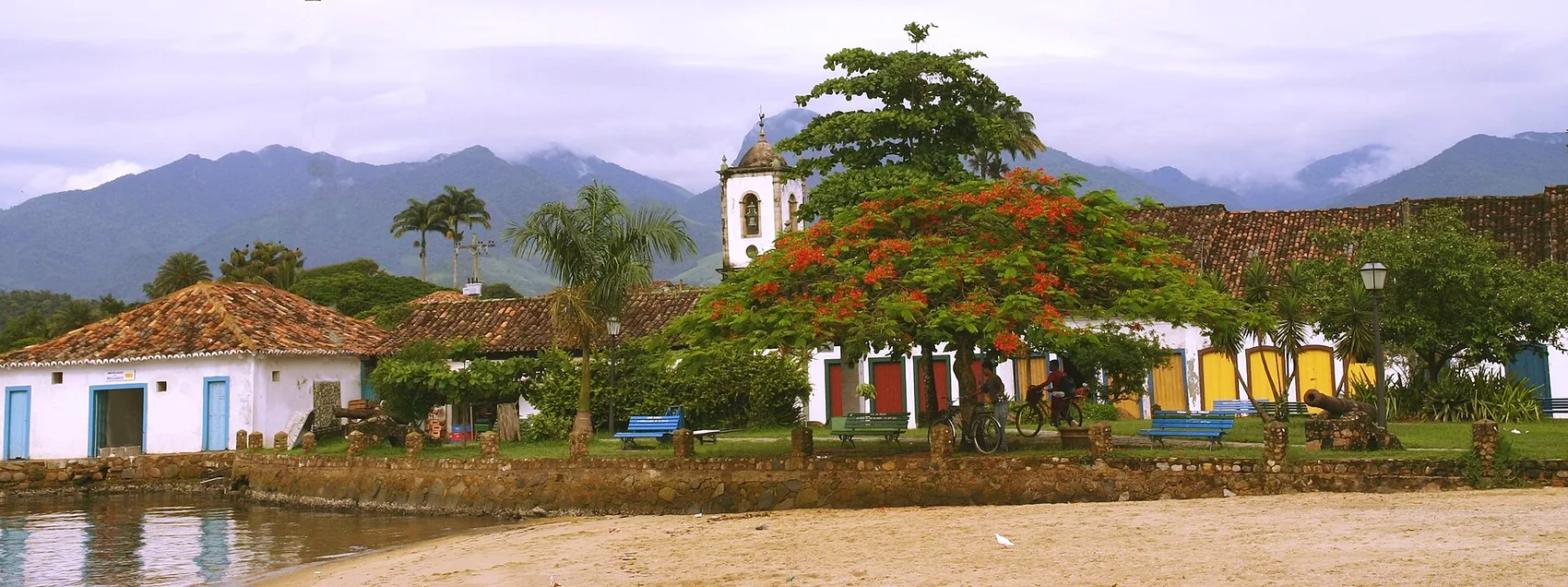
Most destination-wedding towns are built around the wedding. Paraty is not. It is a working colonial town with a bay in front of it and rainforest behind, and a celebration here borrows that setting rather than manufacturing one. That is exactly why it works. The backdrop is real — two-and-a-half-century-old whitewashed houses, cobblestone lanes closed to cars, water full of islands — so your photographs and your guests' memories are of a place, not a venue.
The scale is the other thing. Paraty is small. The historic centre is walkable corner to corner in ten minutes, the lodging is intimate rather than vast, and the rhythm of a day here is slow. That makes it a poor fit for a five-hundred-person production and a wonderful fit for the kind of celebration that has been quietly coming back into fashion: small, personal, unhurried, with the people you actually want there. An elopement for two. A dozen of your closest. A few dozen family and friends who turn the long weekend into a shared holiday. If that is the shape of what you are planning, Paraty rewards it.
It helps that the town was made Brazil's first mixed UNESCO World Heritage Site in 2019 — recognised at once for the colonial culture of the town and the biodiversity of the bay and forest around it. That status is not a marketing line; it is why the centre still looks the way it does and why the bay is as clean and green as it is. You are celebrating inside a protected landscape, which is part of the quiet luxury of the place.
The kinds of celebration Paraty does well
Before venues and seasons, it is worth being clear about which celebrations fit here, because not all of them do equally well.
Small weddings
This is the sweet spot. A wedding of two to fifty people, held at a private villa, a colonial courtyard, a beach or on the water, with a symbolic ceremony and a long dinner. Everything Paraty offers — the setting, the food, the boat days, the slowness — is built for this size. The town becomes the wedding: guests stay scattered in pousadas and rentals, gather for the ceremony and the party, and fill the days around it with the bay and the beaches.
Elopements and tiny ceremonies
Paraty may be the best elopement town within reach of Rio. Two people, an officiant, a photographer, perhaps a witness or two, and a setting that needs no decoration. You can say your words on a quiet beach, in a colonial courtyard, on the deck of a boat in the middle of the bay, or on a ridge with the whole coast below you, and then simply go to dinner. No floor plan, no seating chart, no two hundred RSVPs. For couples who want the moment without the machinery, this is hard to beat.
Vow renewals
A vow renewal carries none of the legal weight of a first marriage — there is no paperwork to register, no banns to post — so it is purely the part you want: the words, the people, the setting. Couples marking ten, twenty-five or fifty years often choose Paraty precisely because it lets them skip the production and keep the meaning. A renewal on a boat at golden hour, or on a beach as the light goes, is one of the simplest and most moving things you can stage here.
Milestone birthdays, anniversaries and reunions
Not every celebration is a wedding. A landmark birthday, a retirement, a family reunion, an anniversary — Paraty handles all of them, and often better than a wedding does, because the bureaucracy disappears entirely. Rent a villa with room for the group, charter a boat for a day on the water, book a long table at a restaurant in the centre, and let the place do the rest. For a milestone, the formula is gloriously simple.
Venue types: where a celebration actually happens
We deliberately avoid naming specific venues, because the right one depends entirely on your group, your dates and your budget, and the details that matter — capacity, pricing, what is available — change from season to season. What does not change is the menu of types. Here is how to think about each.
A private villa or hillside chalet
For a small wedding or a milestone, a private rental is often the single best decision you can make. You get one place that is yours for the duration — somewhere to gather, get ready, hold a welcome dinner, and host the celebration itself, with no venue hire clock running and no closing time. A villa with a pool and a view turns the whole stay into the event rather than a single afternoon. It also solves the photography: a hillside setting gives you the bay, Angra dos Reis and Ilha Grande in one sweep, which is exactly the kind of backdrop a flat town centre cannot offer. Chalé Bel Air sits up on the ridge for that reason; our broader thinking on rentals versus hotels is in the guide to luxury vacation rentals in Paraty.
A beach
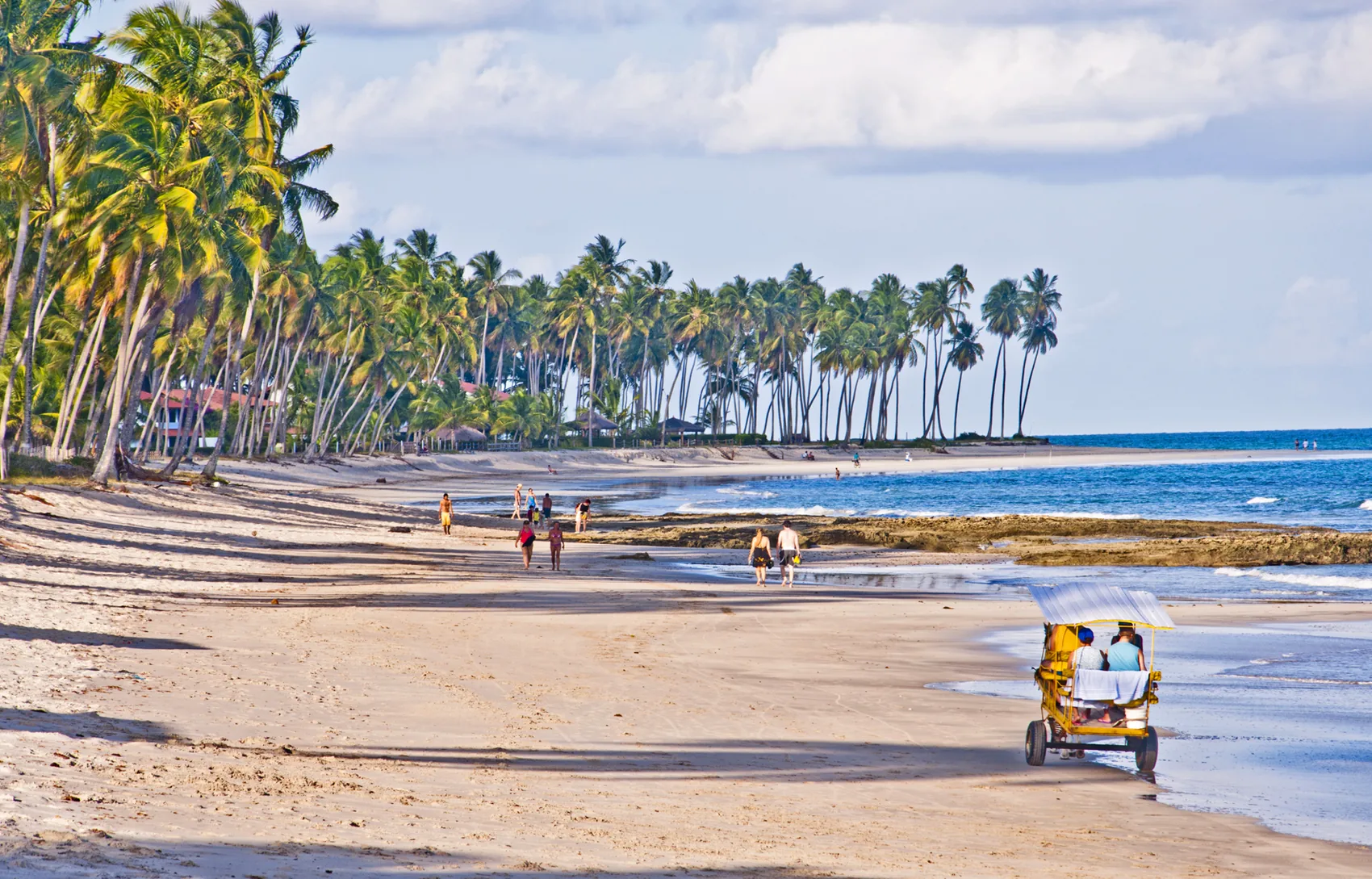
The beach wedding is the cliché for a reason, and Paraty has the beaches for it — though not all the same kind. The calm, shallow beaches near town are easy to reach and easy for guests but are pleasant rather than spectacular. The boat-access coves of the inner bay and the roadless beaches reached by trail are the postcard, but they take effort to get a group to, which can be charming or stressful depending on your crowd. Be honest about your guests: a beach that needs a forty-minute boat ride is magical for a fit group and a problem for one with small children or limited mobility. Whichever you choose, plan around the tide and the afternoon light, and have a covered backup, because an open beach has no roof.
A colonial building or courtyard in the centre
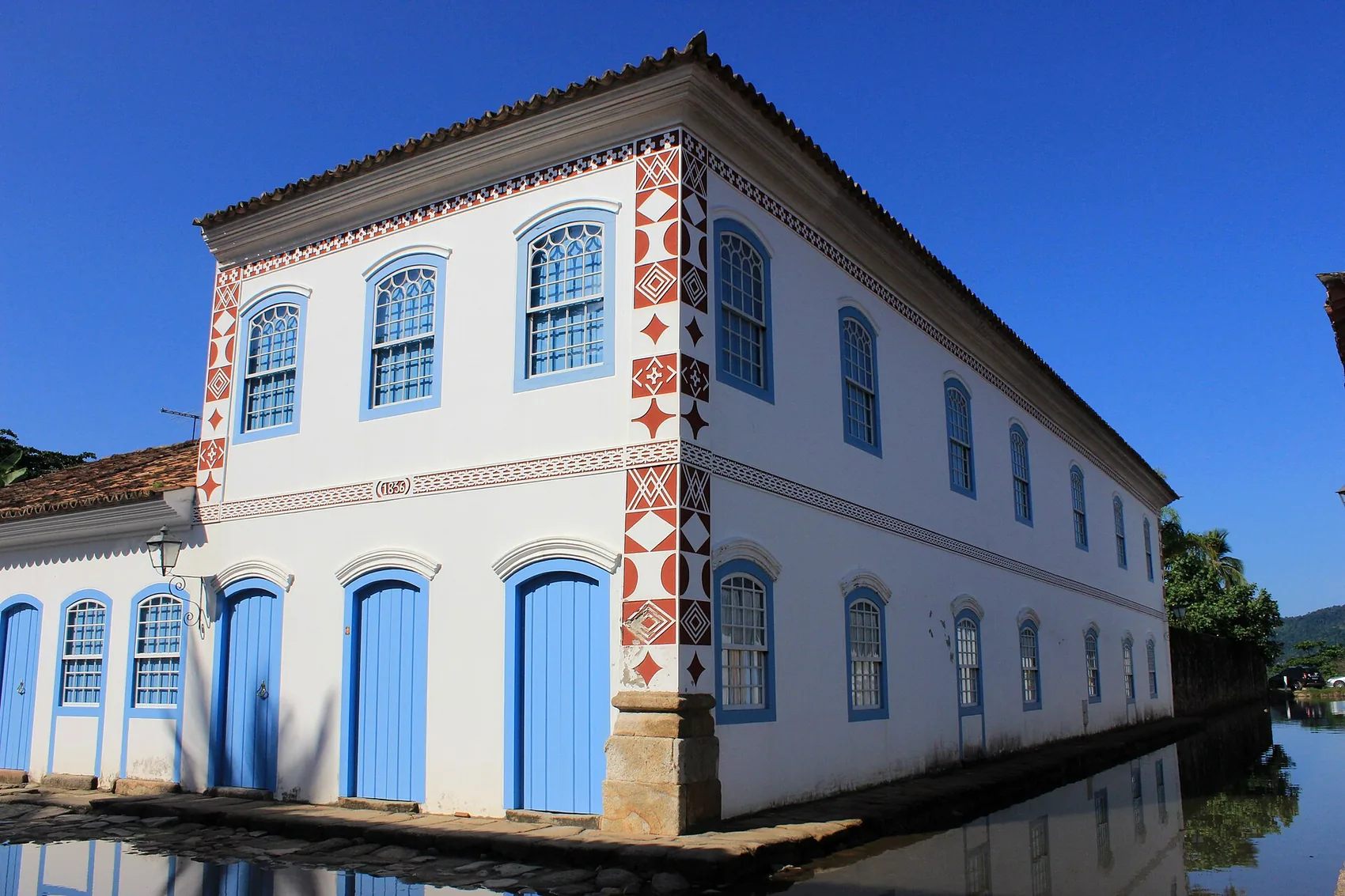
The historic centre holds the most atmospheric indoor and courtyard spaces in Paraty — old merchant houses and pousadas with gardens, thick whitewashed walls, and the cobblestones right outside the door. These suit a more formal, town-centred celebration: a ceremony in a courtyard strung with lights, a dinner under a colonial roof, and the lantern-lit streets as your party venue afterwards. The trade-off is logistics. The centre is car-free, so everything — guests, flowers, catering, a piano — arrives on foot or by handcart over those famous stones. It is doable, and planners do it constantly, but it is not effortless.
On the water
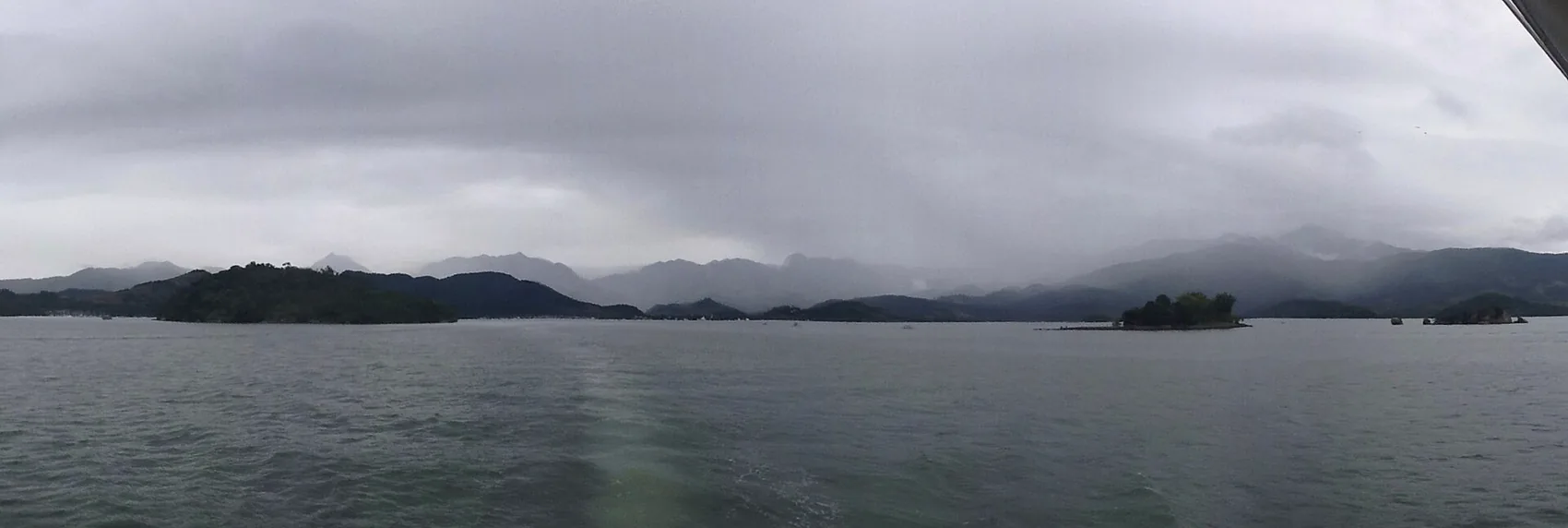
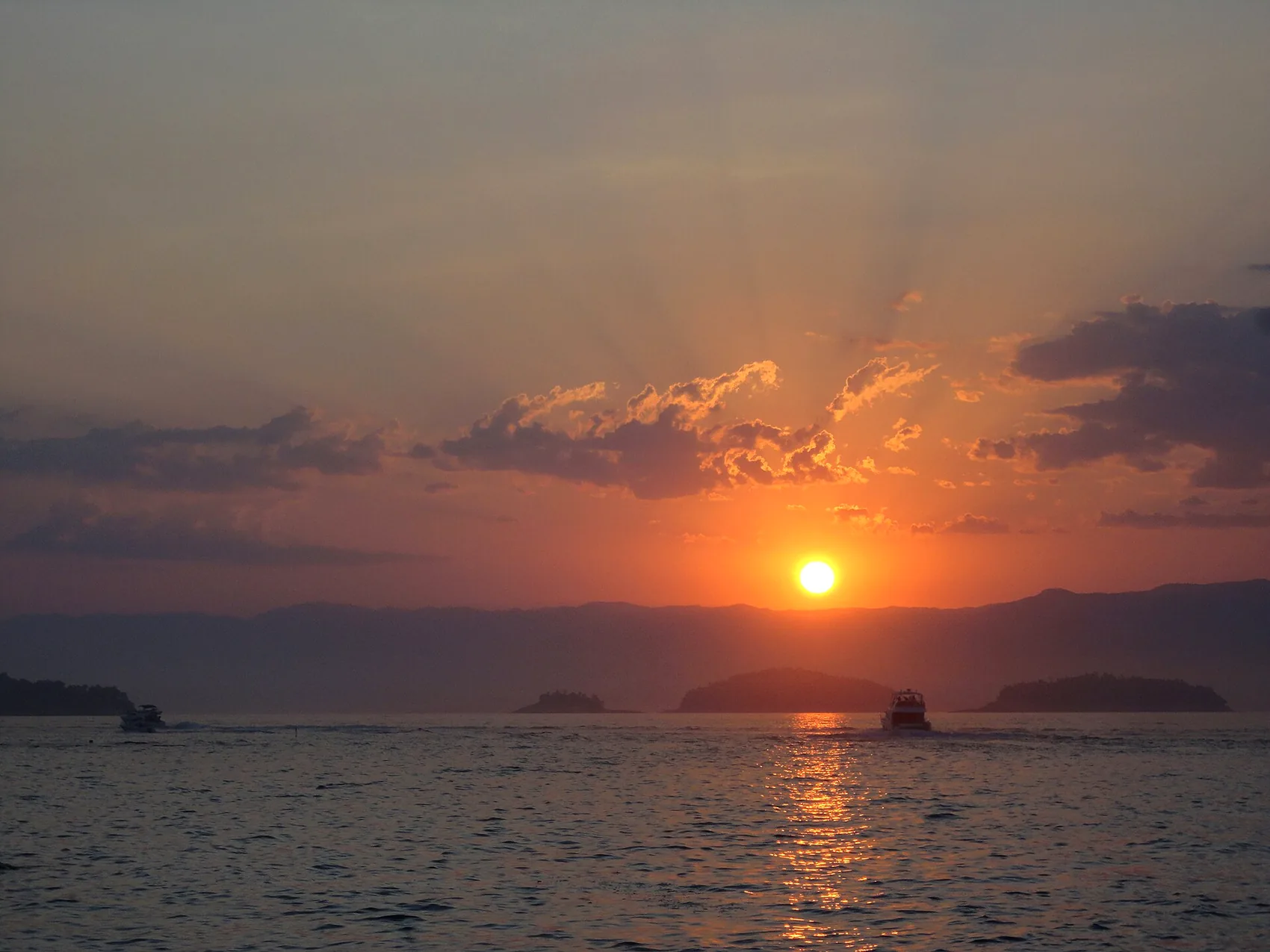
A boat is the most distinctly Paraty venue of all. You can hold a small ceremony on the deck of a chartered schooner or a private launch, anchored off an island with the bay all around you, and then turn the same boat into the party as it cruises back at sunset. It is intimate by nature — boats limit numbers, which for a small wedding is a feature — and it removes the venue question entirely, because the venue moves. We cover how a day on the water is organised in our guide to boat days; for a celebration you would charter privately rather than join a public schooner, and you would build the timing around the light.
Inside the chapels and churches
Paraty's colonial churches are beautiful, and a religious ceremony in one can be deeply moving. Two things to know. First, availability and permission for weddings vary by church and are managed by the parish, not by you or a venue — a planner handles this. Second, and this is the part that surprises people: a church wedding in Brazil is not, by itself, a legal marriage. We come back to that below, because it matters more than almost anything else on this page.
The part everyone gets wrong: legal marriage versus a symbolic ceremony
If you read one section of this guide carefully, make it this one. The single biggest misunderstanding about getting married in Brazil — and in Paraty specifically — is the gap between the ceremony you picture and the marriage the law recognises. They are not the same thing, and confusing them can turn a beautiful day into a legally empty one.
What makes a marriage legal in Brazil
In Brazil, the only marriage that carries legal weight is the civil marriage, registered at a local civil registry office — the cartório de registro civil. A ceremony on a beach, in a villa garden, or even inside a church does not, on its own, make you legally married. The legally binding step is the civil registration, with the registrar, the documents and the witnesses. A religious or symbolic ceremony held without that registration is, in the eyes of the law, simply a celebration — lovely, meaningful, and not a marriage.
What a symbolic ceremony is — and why most couples choose it
A symbolic ceremony is the part you actually imagine when you think of a destination wedding: an officiant or celebrant, your vows, your witnesses, your music, your people, your setting. It has no legal effect whatsoever, and that is precisely why so many couples who marry abroad choose it. They handle the legal marriage quietly at home — at their own city hall or registry office, where the paperwork is in their own language and their own system — and then come to Paraty for the symbolic ceremony, which becomes the real wedding as far as their guests and their memories are concerned. Nobody at the celebration knows or cares which day the certificate was signed. This is, in our experience, the path the large majority of international couples take, and it removes an enormous amount of friction.
If you want the legal marriage itself to happen in Brazil
It can be done, but go in with clear eyes. As a general matter, foreign nationals are allowed to marry in Brazil, and the law does not treat them differently from Brazilians once the paperwork is in order. But the paperwork is the catch. Foreign documents — birth certificates, proof that you are free to marry, divorce decrees if relevant — typically need to be apostilled and officially translated into Portuguese, and the process at the registry office (the habilitação) involves a formal application and a waiting period during which the intent to marry is publicly posted. That waiting period is commonly described as around two weeks of public notice, with the whole process from start to finish taking longer — often a month or more, and sometimes considerably more. Witnesses are required at the civil ceremony. None of this is impossible; people do it. But it is real bureaucracy in a foreign language, and it does not bend to your wedding date.
Because the exact requirements, timelines and document rules change and vary by registry office, we will not pretend to give you a definitive checklist here — that would be exactly the kind of fragile, out-of-date advice that gets people into trouble. If you intend to be legally married in Brazil, retain a Brazilian lawyer or work directly with the cartório, and confirm the current process in writing before you build any plans around it. Treat anything you read online — including this page — as a starting point for that conversation, not a substitute for it.
Marry legally at home, celebrate symbolically in Paraty. For most couples coming from abroad, that one decision removes ninety per cent of the stress.
The practical upshot is simple. If a legally binding Brazilian marriage matters to you for a specific reason — say one of you is Brazilian, or you intend to live here — get professional guidance early and plan generously around the timeline. If, like most visitors, you simply want the wedding to happen here, do the legal part at home and let Paraty be the celebration. Either way, do not assume; verify with someone qualified.
The best season for a celebration
Weather is the variable you cannot negotiate with, so it should shape your dates more than anything else. The honest headline: for a celebration with any outdoor element, the dry winter — roughly June to September — is the most reliable window in Paraty, and it is what we steer most couples toward.
Winter (June to September): the reliable choice
These are the driest, clearest months. June, July and August see the fewest rainy days of the year, the skies are most often that deep cloudless blue, the sea is calmest and clearest for boat days, and the town is at its most relaxed outside the big holiday peaks. Days are warm and comfortable rather than sweltering; evenings can cool down enough to want a light layer, which is worth knowing if your dress code is summery. The main caveat is that a cold front can occasionally push up from the south and bring a grey, drizzly day or two — uncommon, but possible, and another reason to have a covered backup. For the reliability that a wedding needs, though, winter is the safest bet.
Summer (December to March): green, warm, and a gamble
Summer is hot, humid and at its most lush, with the warmest sea for swimming and the longest evenings. It is also the rainiest stretch, and the rain here is dramatic — a brilliant morning can turn into a hard afternoon thunderstorm with little warning. For a beach or boat celebration, that is a real risk to plan around. Summer also brings the biggest crowds and the highest prices over the Brazilian holidays and Carnival, when the small town fills up and lodging gets scarce and expensive. None of this rules summer out — a green, warm wedding with a solid covered backup can be wonderful — but it asks for more contingency planning.
The shoulder months: the quiet sweet spot
April, May, October and November sit between the extremes: still-warm water, thinner crowds, gentler prices, and weather that is more settled than high summer though less bone-dry than deep winter. For couples who want the balance — and who can stay flexible about an exact day — the shoulders are often the connoisseur's choice. Our full month-by-month breakdown of weather, sea temperature, crowds and cost is in the best-time-to-visit guide, and it is the right next read once your venue type is settled.
Getting your people here: guest logistics
The hardest part of a Paraty celebration is rarely the celebration. It is getting a group of guests to a town with no airport, over a mountain road, and then housed and moved around once they arrive. Solve this early and the rest falls into place.
How everyone actually arrives
There are no scheduled commercial flights into Paraty — part of why the town is the way it is. Almost everyone comes by road. From Rio de Janeiro it is about 236 kilometres and roughly four hours down the BR-101 Rio–Santos coastal highway; from São Paulo it is around five hours. Most international guests fly into Rio or São Paulo and then continue by private transfer, a Costa Verde coach, or a rented car. For a wedding party, the kindest move is to give guests one clear, written recommendation — a specific airport, a specific way onward, and a suggested arrival window — rather than letting forty people each solve it differently. Pooled private transfers from Rio are popular for groups. The route options are laid out in our complete guide to Paraty, and the on-the-ground detail of moving around once here is in getting around.
Build in a buffer day
This is the single most useful piece of advice we give wedding parties: do not schedule the celebration for the day your guests arrive. The road is long, transfers run late, and a four-to-five-hour journey after an international flight leaves people frayed. Have everyone arrive at least a full day before the main event. A welcome dinner the night before turns that buffer into part of the celebration and gives stragglers a margin. It is the cheapest insurance you will buy for the whole trip.
Where to put everyone
Lodging in Paraty is intimate and spread out rather than concentrated in big hotels, which is lovely for a couple and a small puzzle for a group. The usual pattern for a wedding is a mix: the couple and immediate family in a private villa or chalet that doubles as the gathering point, and other guests in pousadas in or near the centre within walking distance of the evening. If your celebration is at a hillside rental, remember guests will need transport up and down — sort that in advance. We weigh the villa-versus-hotel trade-offs honestly in the vacation rentals guide, and the wider relaxed-stay logic is in our luxury long weekend guide.
Give guests a reason to make a holiday of it
The best Paraty celebrations are not single afternoons; they are long weekends or weeks where the wedding is the centrepiece and the days around it are a shared holiday. Point your guests at the things that fill those days — a boat charter for the group, a cachaça distillery visit, a morning in the historic centre, a waterfall swim, a beach. A short welcome note or a simple printed card with three or four suggestions does more for the mood of a wedding party than almost anything else. Our main Paraty guide and the explore section are useful to share; the resources page gathers the practical pieces in one place.
Boat days and parties on the water
If there is one experience we tell celebration groups not to skip, it is a day on the water — and for a wedding party it can be both an activity and a venue. Chartering a private boat for the group is the most Paraty way to spend a wedding day-before or day-after: you motor out past the fort, anchor off an island, swim in clear green water, eat a long seafood lunch, and come back in the late light. It scatters the group across a boat for a few hours in the best possible way, and it gives everyone a shared memory that has nothing to do with seating charts.
The ceremony itself can happen on the water too. A symbolic ceremony on the deck of a chartered launch or schooner, anchored in a quiet spot with the bay around you, is intimate by design — the boat caps your numbers, which for a small wedding is exactly what you want — and then the same vessel becomes the party as it cruises home at sunset with a drink in everyone's hand. Two practical notes: the water is calmest and clearest in the dry winter, which is another argument for those dates; and a boat is utterly exposed to weather, so a water-based plan needs a land-based fallback even more than a beach does. How a boat day is organised, and the difference between a public schooner and a private charter, is covered in our boat days guide.
Food, drink and the style of a Paraty party
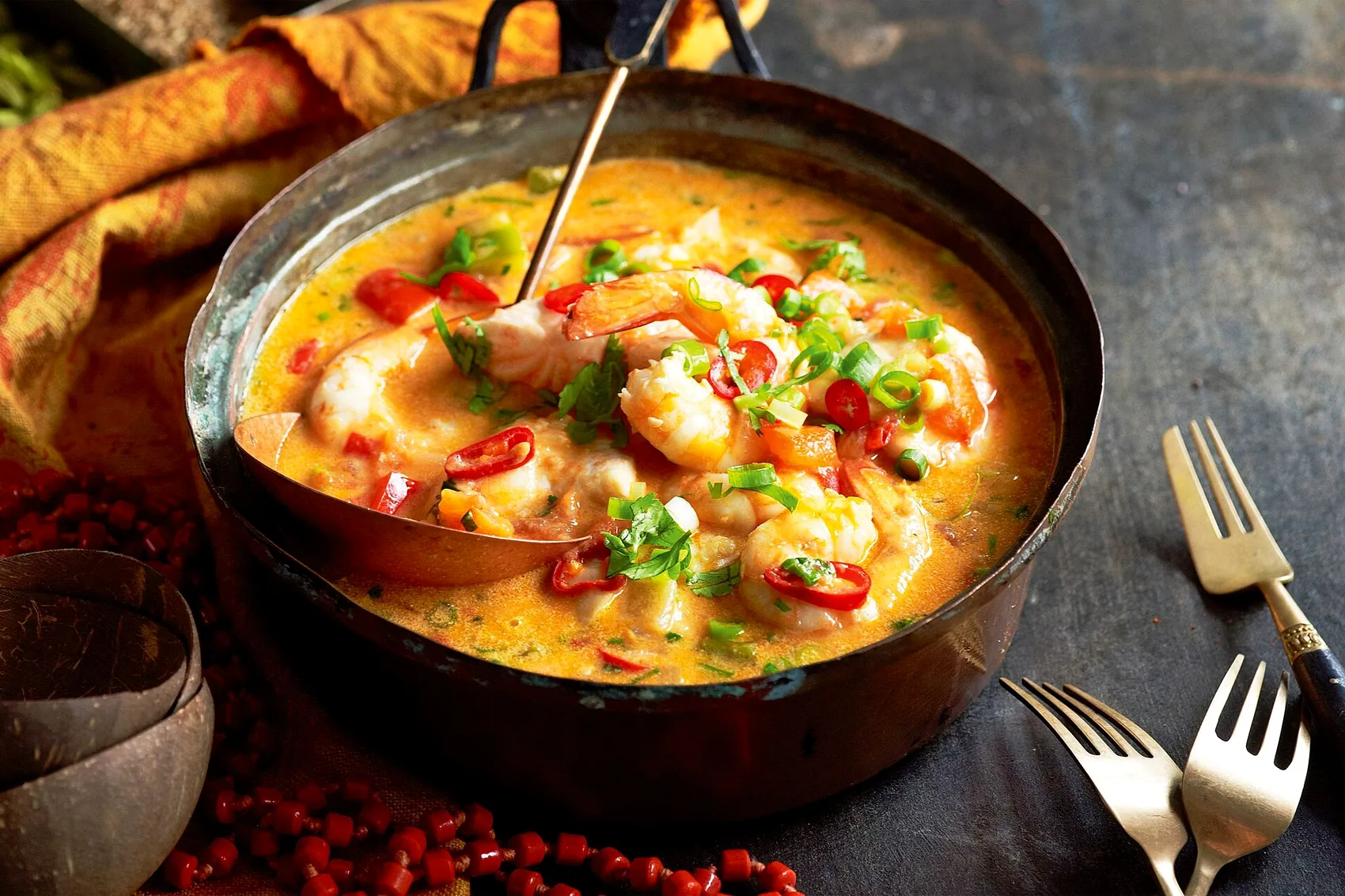
Paraty eats and drinks far above its size, and the local style of a celebration leans into that rather than fighting it. The food that makes sense here is the food of the coast: grilled fish straight off the day's boats, prawns, and above all moqueca, the slow seafood stew of coconut milk, palm oil, tomato and coriander that is the great dish of this coast. A celebration menu built around fresh seafood, tropical fruit, and the inland classics like feijoada for a relaxed daytime gathering feels right here in a way that an imported fine-dining menu never quite does. Lean into the place.
The drink, inevitably, is cachaça. Paraty was a sugar-and-spirit town long before it was a tourist one, and the artisanal distilleries in the hills behind the centre are the direct descendants of that trade. A caipirinha made with genuine local cachaça is a different and far better drink than the airport version, and a welcome round of them, or a small cachaça tasting as a pre-wedding activity, is a lovely and very Paraty touch. A distillery visit makes an easy group outing for the days around a celebration; the background is in our main guide.
On catering style, the practical advice is the same as on venues: work through a local planner or caterer who knows the kitchens, the suppliers and what is genuinely available in your season, rather than trying to specify a menu from abroad. The best celebrations here are seasonal and local by design — what is fresh that week, cooked simply, served generously. That is both the easiest path and the most authentic one.
Music and the evening
Paraty's evenings have a built-in soundtrack: the historic centre hums after dark with live music — bossa nova, samba, the accordion-driven forró of the northeast — drifting out of small rooms and open doors. A celebration can plug straight into that. Hire local musicians for the ceremony and dinner, then let the party spill into the lantern-lit streets, where the town's own music carries on. One honest note: Paraty is not a late-night-clubbing town, and the centre winds down gracefully rather than raging until dawn. If your idea of a wedding party is a 3am dancefloor, a private villa with its own sound system is the better bet than relying on the town. For most celebrations, the town's gentler rhythm is exactly the charm.
Planning it without a planner — and when to hire one
For a true elopement — two people, an officiant, a photographer — you can reasonably arrange things yourself: book a rental, hire a celebrant and a photographer who work in Paraty, choose a spot, and go. The simplicity is the point, and there is little to coordinate.
For anything larger, hire a local wedding planner. We say this plainly because it is the single best money a destination couple spends here. A good Paraty planner speaks Portuguese, knows which venues take weddings and what they actually cost, has working relationships with caterers, florists, musicians and boat operators, and — crucially — understands the bureaucracy and can steer you through the legal-versus-symbolic question with current, local knowledge. They turn a project that is genuinely hard to run from another country into a handful of decisions. We do not run weddings ourselves and we will not pretend to; what we can do is point guests toward the kinds of professionals to look for and help with the parts that touch a stay on the ridge. When you are ready to talk through how a celebration might work around a hillside base, our contact page is the place to start.
Who a Paraty celebration is — and isn't — for
A last honest word, because the happiest celebrations here are the ones that fit the place. Paraty is for couples and groups who want something small, real and unhurried, set in a genuine town rather than a manufactured venue, and who are relaxed about a little bureaucracy and a long road in exchange for a setting nowhere near a resort strip can match. It rewards people who treat it as a shared holiday, not just a one-afternoon event.
It is a harder fit if you want a very large wedding, total predictability, a 3am party scene, or a venue you can reach without effort. The town is small, the lodging is spread out, some of the best settings need a boat or a cobblestone walk, and the weather and the road both ask for flexibility. If those things would stress you, a dedicated resort elsewhere will serve you better, and we would honestly rather tell you that now than have you discover it on the day. But if the small, the real and the slow is what you are after — if you want to marry or celebrate somewhere that has been quietly beautiful for three hundred years and will not stage-manage your day — there are very few places that do it as well as this one.
The last word
The celebrations we remember from up on the ridge are almost never the most elaborate ones. They are the small wedding where forty people took over a villa for a week and the ceremony was the least of it; the couple who eloped with two witnesses and a photographer and came back glowing; the family who chartered a boat for a sixtieth birthday and anchored off an island to sing. What they had in common was that they let Paraty be Paraty — they picked the dry season, kept the group the right size, matched the venue to the people, handled the legal paperwork at home, and then simply settled into the place.
Do that, and the celebration mostly takes care of itself. Plan the logistics, get qualified help for anything legal, build in a buffer day, and then let the town, the bay and the slow pace do the work they have been doing for centuries. When you are ready to think about it as a stay rather than an event, start with the complete guide to Paraty and the honeymoon guide, and reach us through contact when you want to talk it through.
Come stay above the bay
Chalé Bel Air sits on the ridge that looks over everything in this guide. Tell us your dates and what kind of trip you are after — we answer personally.
Ask about your datesFrequently asked questions
Can foreigners legally get married in Paraty?
Yes. Brazilian law lets foreign nationals marry, but a legally binding marriage in Brazil is a civil one registered at a local registry office (cartorio de registro civil), and the paperwork is involved: foreign documents usually need to be apostilled and translated, and there is a waiting period. Many couples handle the legal marriage at home and hold a symbolic ceremony here. Always confirm the current process with a Brazilian lawyer or the cartorio before you plan around it.
What is the difference between a symbolic ceremony and a legal wedding?
A symbolic ceremony is the part most couples picture: an officiant, vows, witnesses and a celebration, with no legal effect. A religious or symbolic ceremony on its own does not make you married under Brazilian law. The legal marriage is the separate civil registration. Many destination couples marry legally at home first, then hold the symbolic ceremony in Paraty as the real event for their guests.
When is the best time to get married in Paraty?
The dry winter months, roughly June to September, are the most reliable for an outdoor celebration: less rain, clearer skies and calmer water for boat days. The summer (December to March) is hotter and greener but brings heavier afternoon rain and the biggest crowds. No season is rain-proof, so build a covered or indoor backup into any outdoor plan.
How many guests can a small Paraty wedding handle?
Paraty suits small to mid-size celebrations best. A private villa, a colonial courtyard or a beach works beautifully for an intimate group; very large weddings are harder here because the town is small, lodging is spread out, and access to some venues is by boat or cobblestone alley. For most of our guests the right number is an elopement, a dozen, or a few dozen close people rather than a few hundred.
Do we need a wedding planner in Paraty?
For anything beyond a true elopement, a local planner is worth it. They speak Portuguese, know the venues and vendors, understand the bureaucracy, and can manage boat charters, catering and guest logistics that are hard to coordinate from abroad. We can point you toward the kinds of professionals to look for, though we do not run weddings ourselves.
.jpg)
.jpg)


