The short answer is three nights, and the long answer is everything below. Here is how each length actually plays out in Paraty, what it unlocks, and where the time really goes once the town, the bay and the forest start competing for your days.
This is the question we field more than any other, usually a few weeks before someone arrives: how long do we actually need? It is a fair thing to ask, because Paraty is deceptive. On a map it is one small town, and you would think a day or two would cover it. In practice it is three different places stacked on top of each other — a colonial town, a bay full of islands, and a wall of rainforest — and each of them wants a day of its own. Get the length wrong and you either rush past the best of it or pad out an extra day you did not need.
So here is the honest version, the one we give guests rather than the one the booking sites give you. We will go length by length, from the day trip that disappoints almost everyone to the slow ten-night stay, and tell you plainly what each one unlocks and what it makes you skip. The headline, if you only read this far: three nights is the sweet spot, two is the floor, and a week is where the wider Costa Verde opens up. Everything else is detail — but the detail is where the good trips are won.
Why a day trip from Rio disappoints
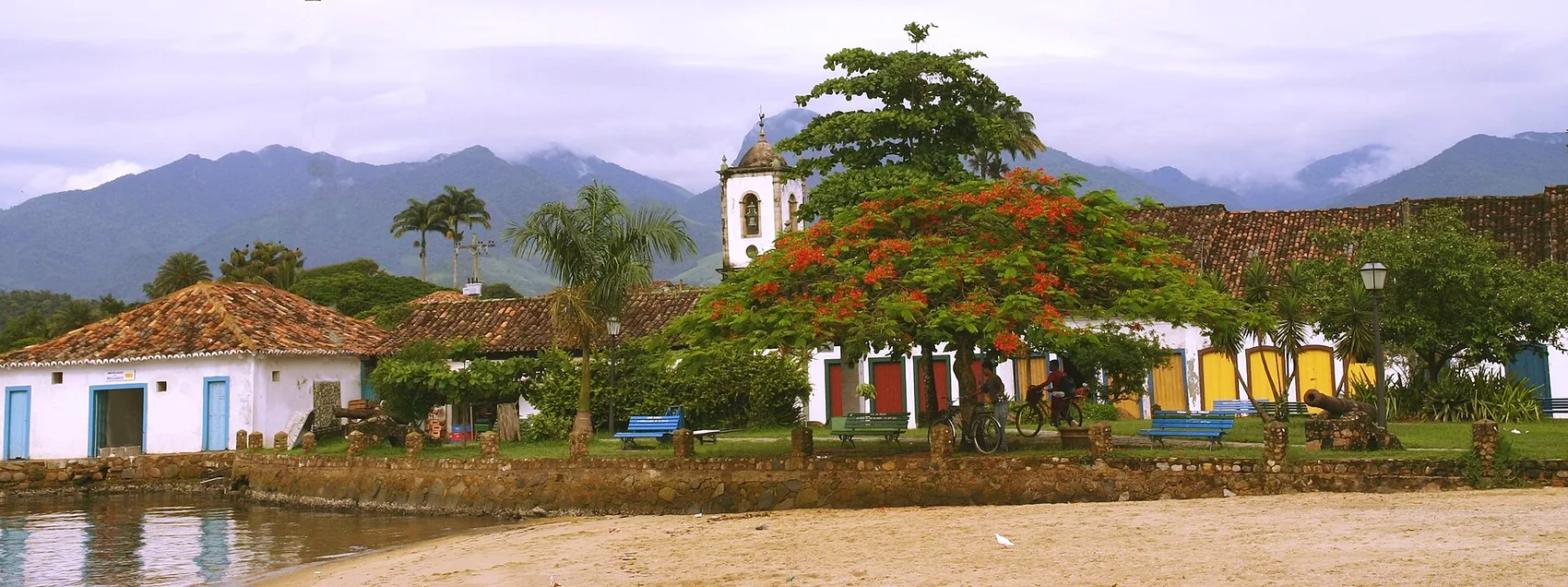
Let us start with the option the tour operators sell hardest and we recommend least. You can do Paraty as a day trip from Rio de Janeiro. It is roughly 236 kilometres down the coast, about four hours each way on the BR-101 Rio–Santos road, and there are full-day coach tours that leave Rio early and bring you back the same night. People take them every day. Almost none of them see Paraty.
Do the arithmetic with us. A day-trip coach leaves Rio around dawn and reaches Paraty by late morning. Allow for the inevitable traffic getting out of the city and a stop along the way, and you have perhaps three hours on the ground before you have to turn around to be back in Rio for dinner. Three hours buys you a guided walk around the historic centre, a coffee, and a souvenir — and that is the whole visit. You will not get on the water. You will not reach a single beach worth the name. You will not see a waterfall, a distillery, or the forest. You will see the prettiest three streets in Brazil and then sit in a coach for four hours watching them recede.
The cruelty of it is that the historic centre, lovely as it is, is the least exclusive part of Paraty. It is the part you can see in photographs, the part the day-trippers crowd into between eleven and three, the part that looks much the same whether you have ten minutes or ten days. The things that actually make people fall for this coast — the bay, the islands, the empty coves, the late light, the town after the coaches leave — all happen on a clock the day trip cannot reach. You are paying eight hours of road to see the one thing you could have understood from a postcard.
There is one defensible exception. If you are driving your own car from Rio to Sao Paulo (or the reverse) and Paraty falls roughly on the route, breaking the journey here for a few hours beats not stopping at all. But that is a lunch and a walk en route to somewhere else, not a visit to Paraty. The town only becomes Paraty once you have slept in it and watched a morning start from the water's edge.
Two nights: the honest minimum
Two nights is the shortest stay we would call a real visit, and it is a perfectly good one if you spend it well. Two nights gives you, in practice, one full day plus two half-days — the afternoon you arrive and the morning you leave. That is enough to do the two things you must not miss and a little more.
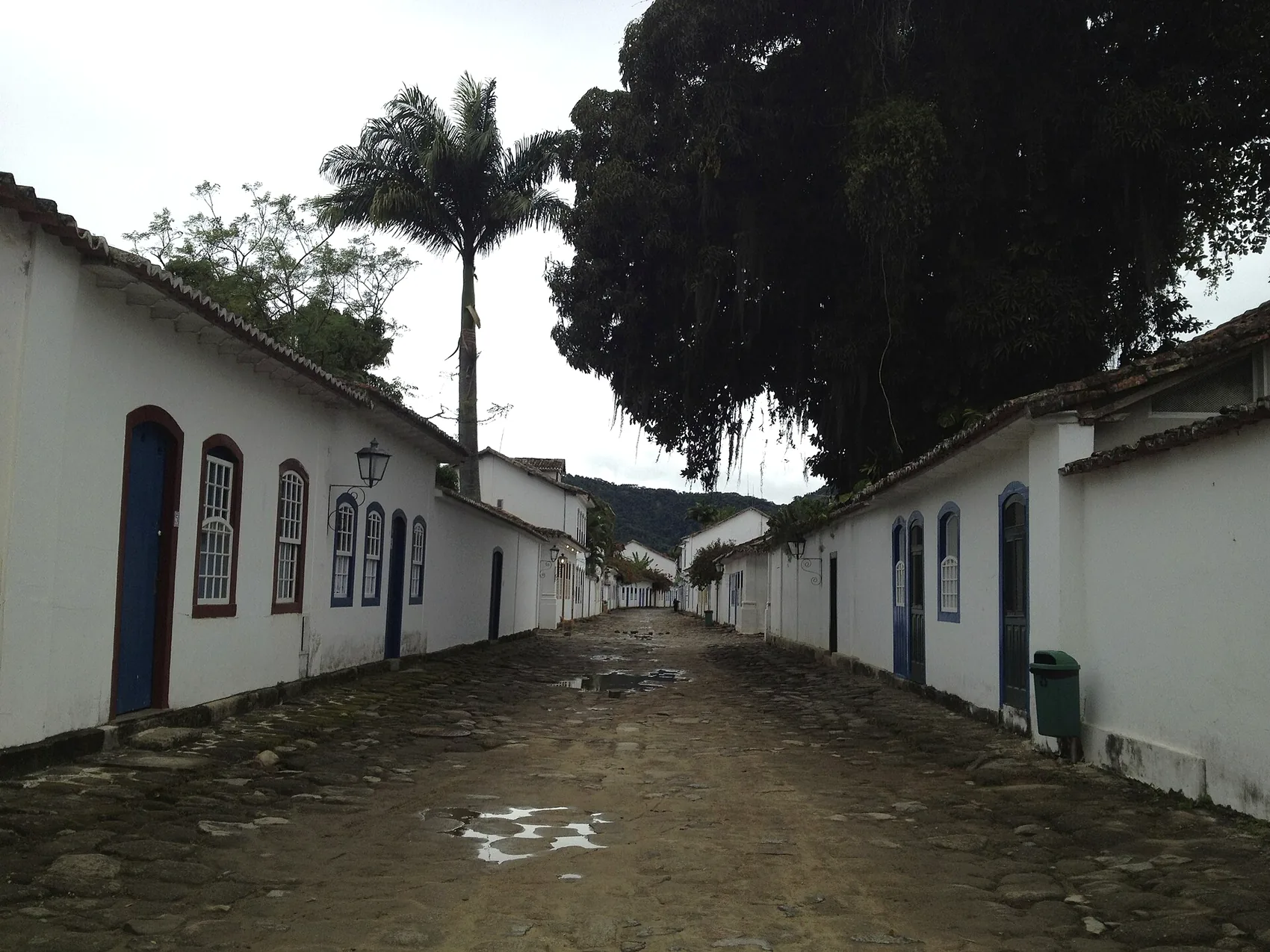
The shape we recommend is simple. Arrive in the afternoon, drop your bags, and spend the first evening on the historic centre — walk the cobblestones as the day-trippers thin out, find the two churches, eat dinner outdoors, have one proper caipirinha made with real local cachaça. The next morning, the only full day, goes entirely to the water: a boat out into the bay, swimming stops at two or three islands, lunch behind a beach, a last swim in the late light. That single day on the bay is the heart of any Paraty trip and the reason two nights beats one so decisively — you finally get the experience the day trip can never fit. On the last morning, before you drive out, you have time for one more thing: a quick waterfall on the Cunha road, or a slow breakfast and a final wander through the centre.
What two nights costs you is the margin for error. You have exactly one shot at the boat day, so if that single full day comes up grey and rough, you have to choose between going out in poor conditions or losing the bay entirely. You will also leave having seen none of the down-coast beaches — no Trindade, no Praia do Sono — and none of the forest beyond a roadside cascade. Two nights is the town and the bay, and almost nothing else. For a lot of people on a tight schedule, that is genuinely enough, and we would rather host you for two good nights than have you skip Paraty for lack of three. But know what you are trading.
Three nights: the sweet spot
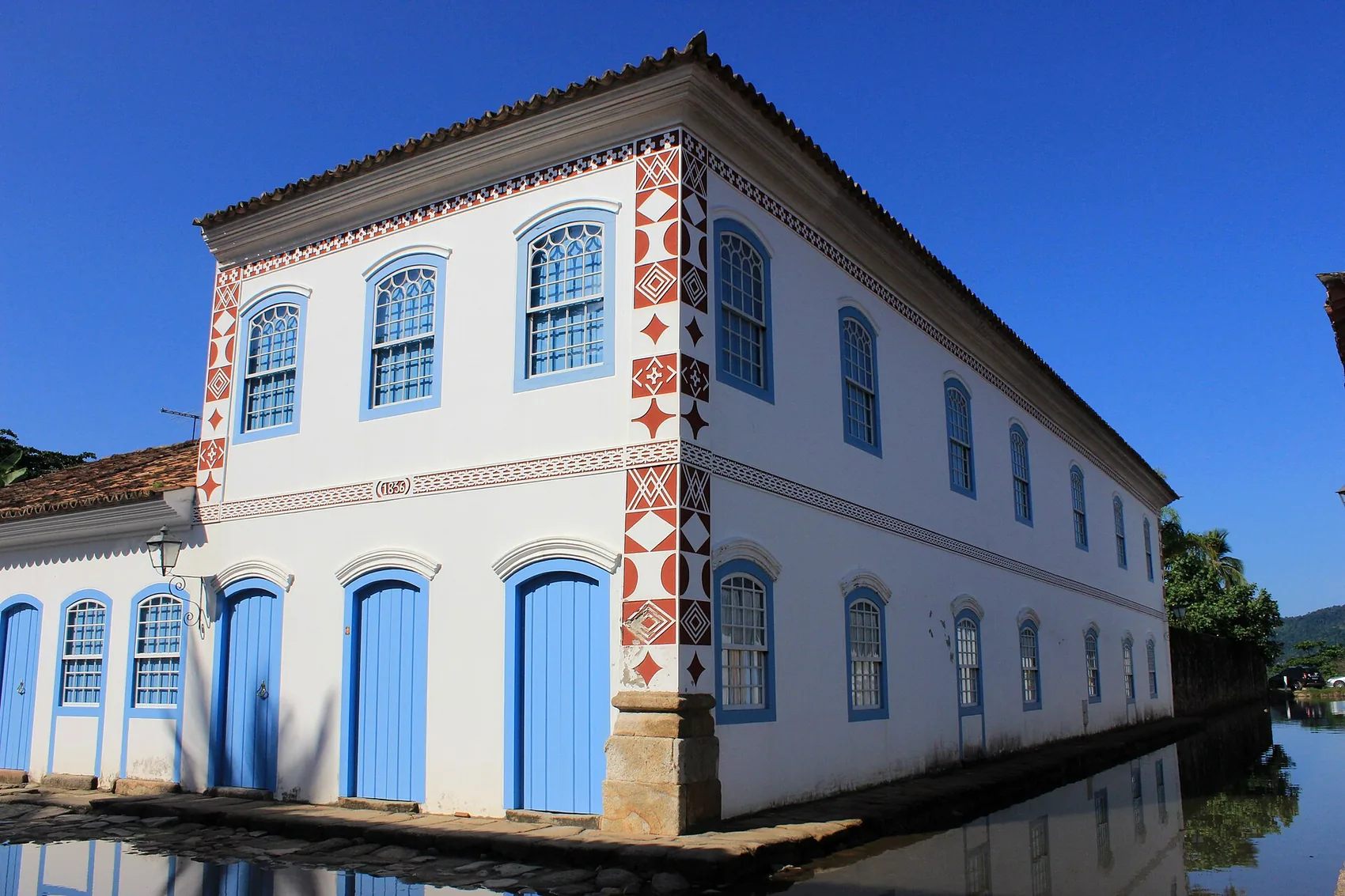
If you ask us — and you did — three nights is the answer. It is what almost every honest guide lands on, and it is what we land on too, because it is the first length where Paraty's three faces each get a day and nobody has to fight for time. Town, water, forest: one each, with the arrival evening as a free gift on top.
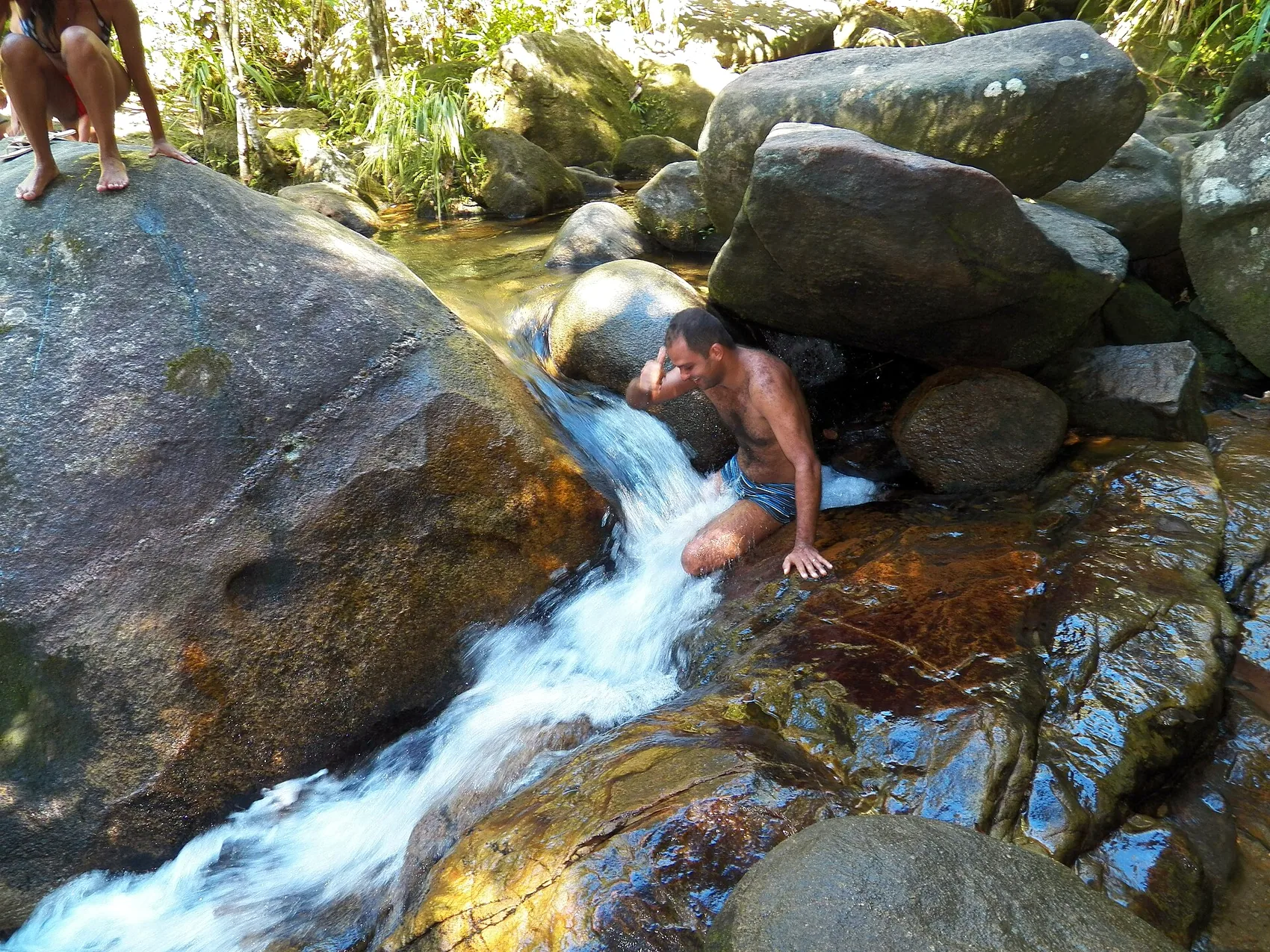
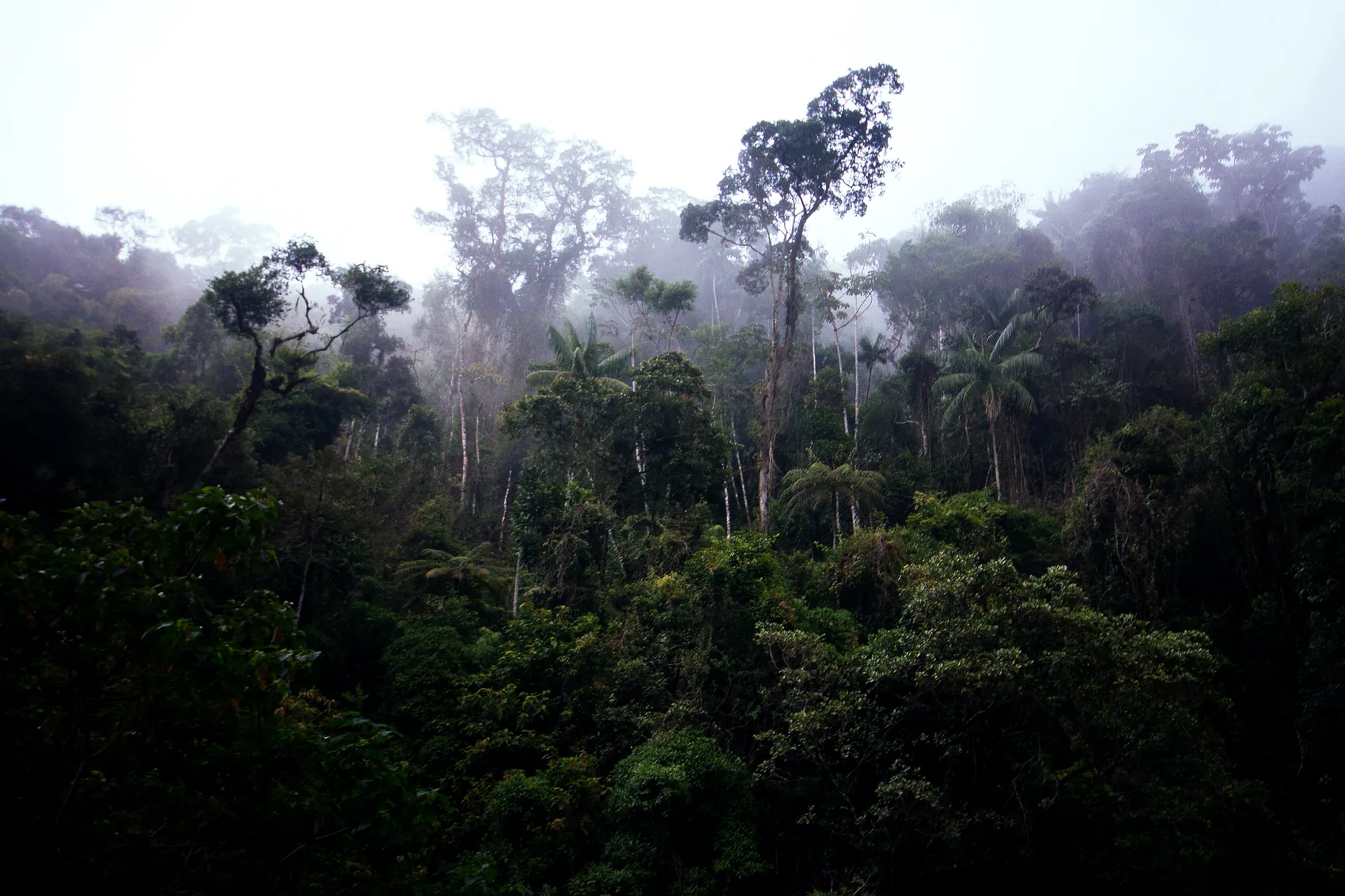
The classic three-night day-shape goes like this. Day one is the town. Walk the historic centre in the morning before the coaches, see the churches, climb to the old fort for the view, eat a long lunch, and keep the afternoon loose — a pool, a hammock, the streets again as the lanterns come on. Day two is the water, and you put it on the clearest forecast of your three days: a schooner or a chartered boat out among the islands, the whole day given over to swimming, snorkelling and a seafood lunch on the bay. Day three is the forest or the coast — your pick. Either turn inland for the waterfalls and a cachaça distillery on the Cunha road, or head forty minutes south to Trindade and its boulder-ringed natural pool, or walk in to Praia do Sono if you want a roadless beach. Three days, three completely different Paratys, and you have skipped nothing essential.
The quiet advantage of three nights over two is not just the extra day — it is the buffer. With three days on the calendar you can move the boat day to whichever morning looks best and let the weather, not the schedule, decide the order. That single piece of flexibility is the difference between a good trip and a frustrated one, because the one thing you cannot control here is the sky. We map this exact stay out hour by hour in our three-day Paraty itinerary, and if you read only one of our planning guides before you come, make it that one.
Three nights is the first length where the town, the bay and the forest each get a full day — and the first where the weather can ruin one of them without ruining the trip.
Who should stop at three? Most first-time visitors, honestly, especially anyone fitting Paraty into a wider Brazil trip alongside Rio or the northeast. Three nights here, well planned, leaves you satisfied rather than rushed and still hungry to come back — which, for the record, a great many people do.
Four to five nights: the comfortable stay
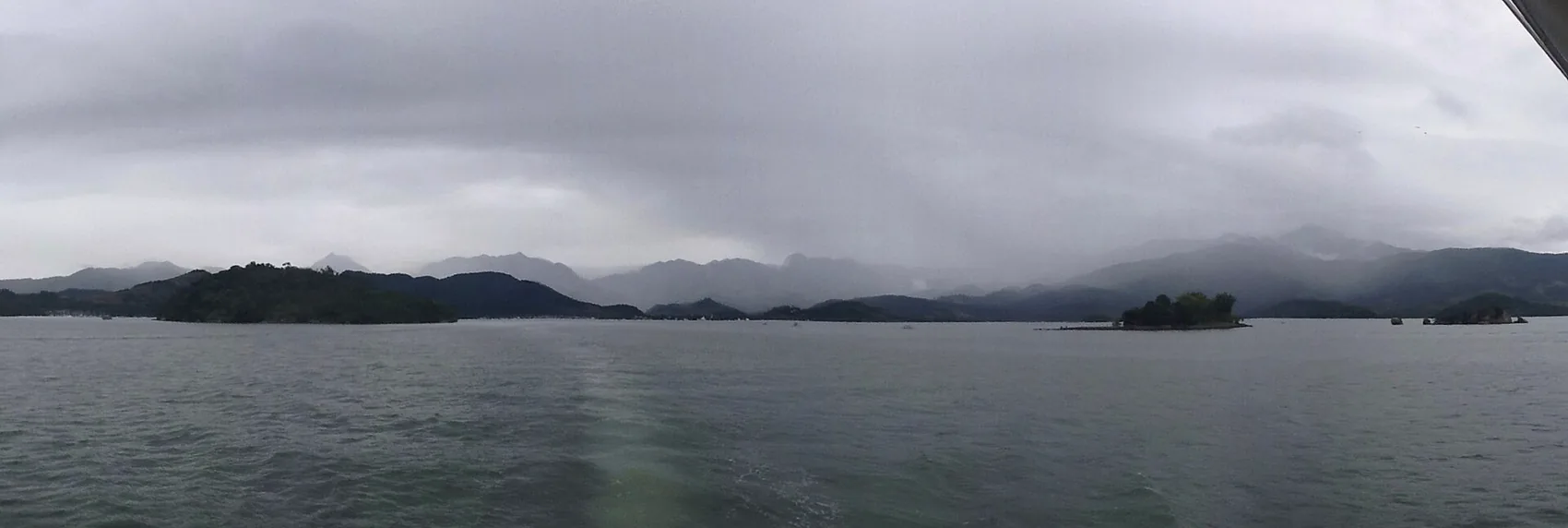
Here is where the trip stops being an itinerary and starts being a holiday. Four or five nights gives you the three-night essentials plus the thing the shorter stays never have: a day with nothing on it. And in Paraty, a day with nothing on it is not wasted time — it is the point.
With four nights, we would keep the three-night core — town, water, forest — and add a second water day or a proper beach day. The bay is big and varied enough that two days on it are not repetitive: do the classic island circuit on one and a quieter charter into the Saco do Mamanguá or out to the roadless southern coves on the other. Alternatively, give the extra day entirely to the down-coast beaches, which the three-night stay can only sample — a full unhurried day at Trindade, or the trail in to Praia do Sono and a long afternoon doing nothing on the sand.
With five nights, add a rest day on purpose. Sleep in. Stay around the pool through the heat. Read. Go down into town only in the evening. This is the day that turns a trip into the kind people remember, and it is the day that the two- and three-night stays simply cannot afford. Five nights is also the first length where you can absorb a genuinely bad-weather day — a full day of rain in the wet season — and lose nothing, because you have the margin to write it off and still do everything you came for.
Four to five nights suits couples who want the trip to breathe, families who need the pace a child sets, and anyone who has flown a long way and does not want to spend the holiday checking items off a list. It is, if we are honest, the length we most enjoy hosting, because it is the one where guests stop asking us what to do and start telling us what they found.
A week: Paraty plus Ilha Grande and Angra
A week — five to seven nights — is where the trip grows beyond Paraty itself and takes in the wider Costa Verde. This is the length to choose if Paraty is the main event of your Brazil trip rather than a side stop, and it is the one that lets you reach the two big neighbours: Ilha Grande and the island-scattered bay of Angra dos Reis.
Adding Ilha Grande
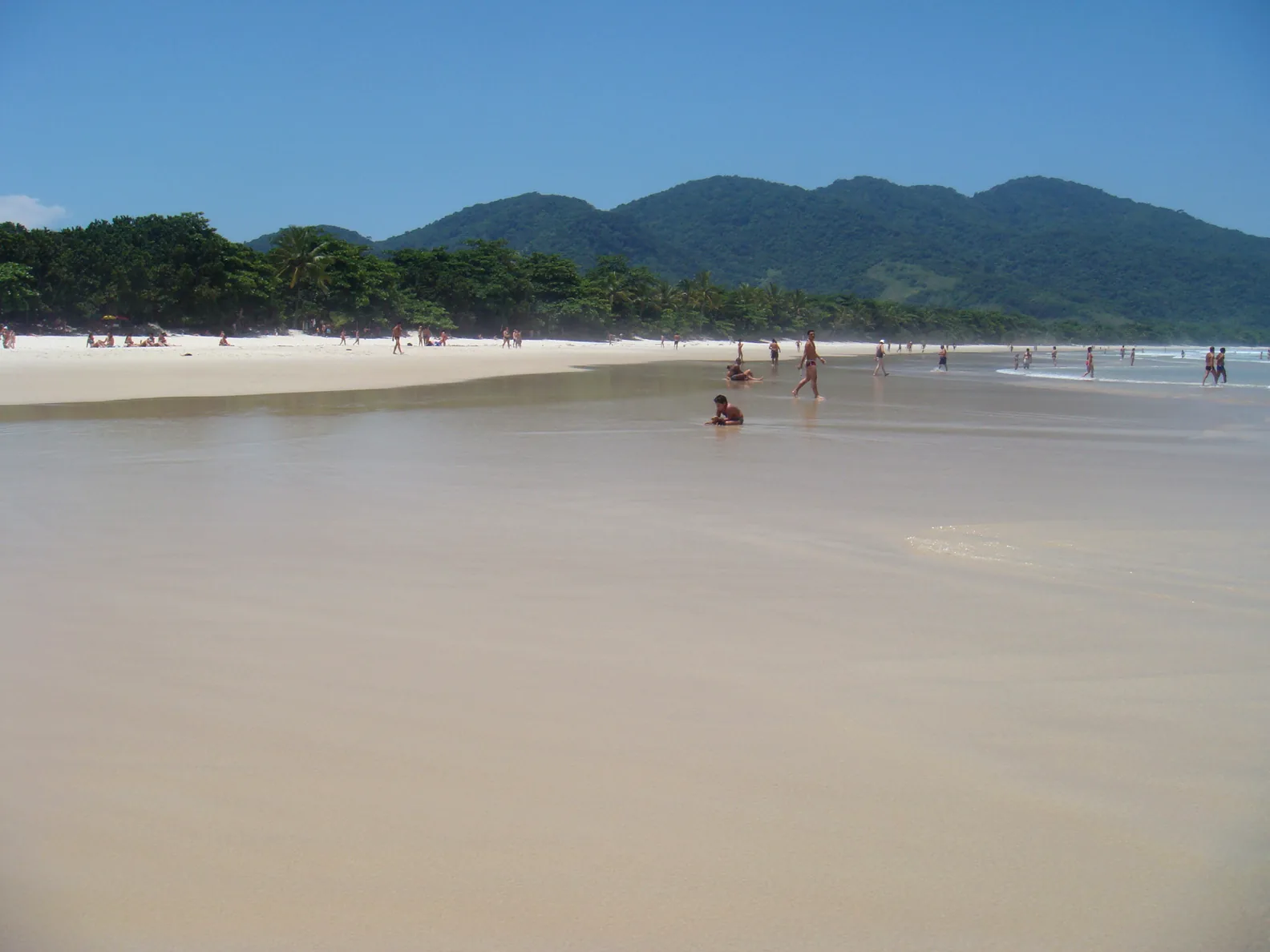
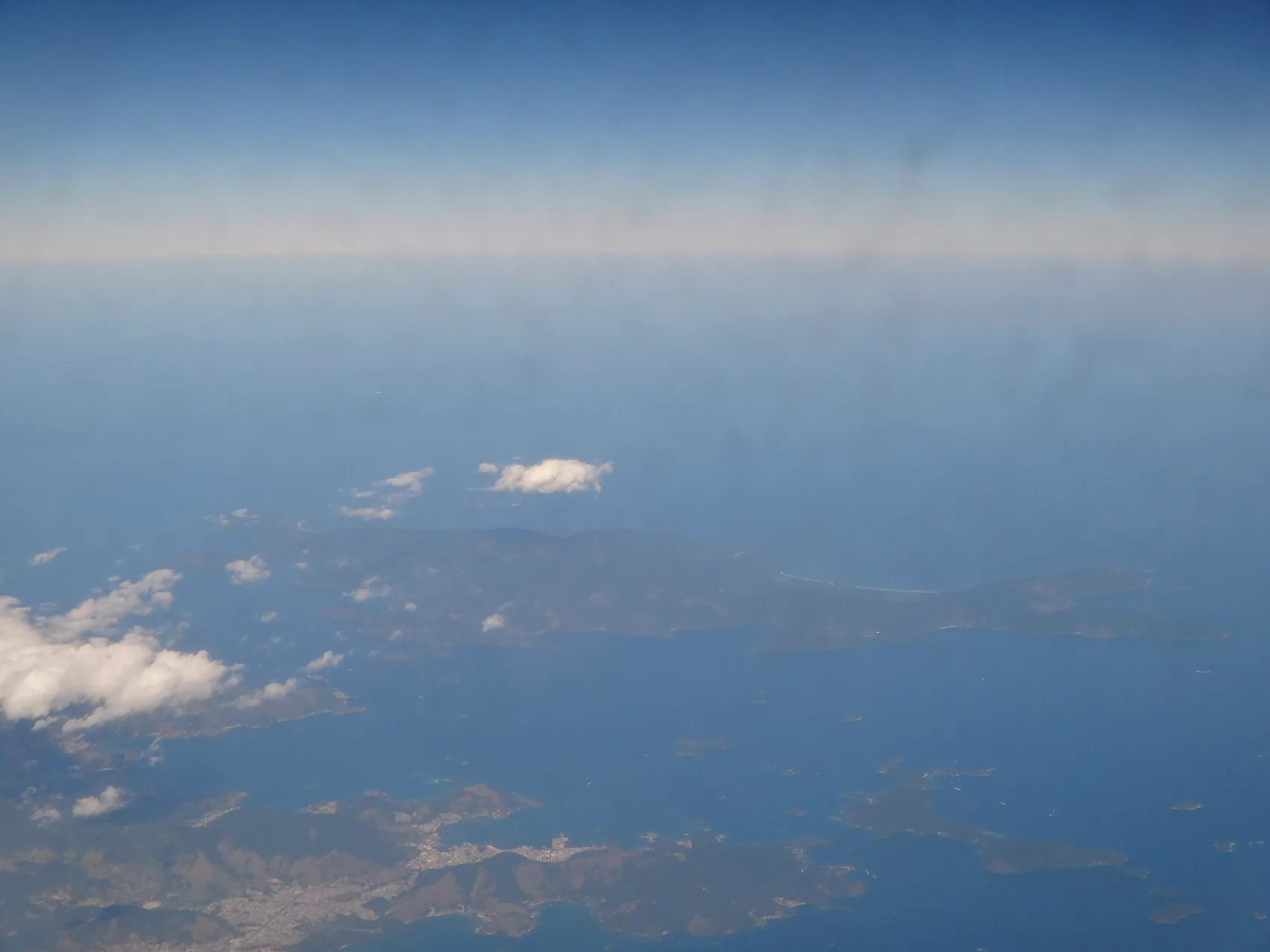
From the high ground above town, the long blue ridge on the horizon is Ilha Grande, the great car-free island that shares Paraty's UNESCO listing — the two were inscribed together in 2019 as Brazil's first mixed World Heritage Site, recognised at once for colonial culture and for nature. There are no roads and no cars on the island. You arrive by boat at the single village of Vila do Abraão and get everywhere on foot, by trail, or by water-taxi. Its prize is Lopes Mendes, three kilometres of squeaky white sand regularly called one of the most beautiful beaches in Brazil, reached by a boat-taxi to a neighbouring cove and a forest walk.
You can visit Ilha Grande as a long day trip from Paraty, and people do, but we steer guests away from it. The island is slow by design — boats, tides, trails, no shortcuts — and a day trip turns the whole visit into a transit problem, with the best beaches reached just as you have to leave. Give it an overnight, or better two. Spend three nights in Paraty, then move across and sleep two or three nights on the island, and you get Lopes Mendes in the morning light with nobody on it, the famous T-trails properly walked, and the slow island evenings that are half the reason to go. The crossing logistics — which port, which boat, how long, and how to handle luggage on a car-free island — are worth getting right, and we lay them out in the complete Ilha Grande guide.
Adding Angra dos Reis
The other neighbour is Angra dos Reis, the wide bay just up the coast that markets itself, with only mild exaggeration, as the bay of 365 islands. Where Paraty's bay is intimate and Ilha Grande is wild, Angra is sprawling and glossy — hundreds of islands, a livelier boat scene, and clear water for snorkelling and diving. You do not need to base yourself there; the easiest way to taste it is a full-day boat trip from Paraty or from one of the marinas along the coast road between the two. On a week-long stay, one day given to Angra's islands rounds out the picture of this coast nicely, though if forced to choose between it and a second Paraty water day, we would usually keep the day on home water.
A sensible week, then, looks like this: three nights in Paraty for the town, the bay and the forest; two or three nights on Ilha Grande for the island; and a day to Angra worked in from either base. That is the trip the seven-day Costa Verde itinerary spells out in full, and it is the most complete version of this coast that a week can hold without ever feeling rushed.
Ten nights and the slow stay
Beyond a week, you are no longer fitting Paraty into a trip — you are living here for a while, and that is when this coast does its best and least famous work. We are biased, of course, because the long slow stay is the one a hillside chalet is built for. But the bias points at something true: Paraty rewards slowness more than almost any small destination we know.
What does a tenth night give you that a third did not? Mostly, it gives you the off-the-list days. The deep cuts. The hike out along the Juatinga peninsula to coves that take a boat and a sweat to reach. The full traverse of the Saco do Mamanguá — Brazil's nearest thing to a tropical fjord, properly a ria — with the climb up its sugarloaf for one of the great views on the coast. A second, lazier pass at Ilha Grande. The waterfalls you skipped, walked to without a clock running. A cachaça day that turns into a long afternoon comparing barrel-aged spirits with the people who distil them. And the simple, unglamorous luxury of repeating things: the beach you liked enough to go back to, the restaurant where they now know your order, the swim you take every morning because you can.
The slow stay also dissolves the weather problem entirely. Over ten nights or two weeks, the rain stops being a threat to your one boat day and becomes just weather — you go out on the clear days and read on the wet ones, and it all comes out even. This is the length where Paraty stops being a destination you are visiting and becomes, for a couple of weeks, simply where you live, with the schooners leaving the pier each morning whether you join them or not. If you have the time and the inclination, it is the version of this place we would wish on anyone. The town never quite runs out, and the longer you give it, the more of itself it shows you — which is the same thing we say at the end of our wider guide to Paraty, because it keeps turning out to be true.
Sample day-shapes, by length
It helps to see the lengths side by side rather than as prose. Here is the same set of must-do experiences — the town, the bay, the forest, the down-coast beaches, the islands beyond — distributed across each stay, so you can see at a glance what gets in and what gets cut.
Two nights
- Arrival evening: historic centre on foot, dinner outdoors, live music.
- Full day: the bay — boat trip, islands, swimming, seafood lunch.
- Departure morning: one quick waterfall or a last slow wander, then the road.
- Cut: down-coast beaches, the forest beyond a roadside stop, any weather margin.
Three nights
- Day one: the town — centre, churches, fort, long lunch, evening streets.
- Day two: the bay, placed on the clearest forecast.
- Day three: your pick — waterfalls and a distillery, or Trindade, or Praia do Sono.
- Cut: Ilha Grande, Angra, and a dedicated rest day.
Four to five nights
- The three-night core, plus a second water or beach day.
- A deliberate rest day with nothing on it.
- Room to absorb one full day of bad weather and lose nothing.
- Cut: a proper Ilha Grande overnight, the wider Costa Verde.
A week
- Three nights in Paraty: town, bay, forest.
- Two or three nights on Ilha Grande: Lopes Mendes, the trails, slow island evenings.
- One day to Angra dos Reis, worked in from either base.
- Cut: very little — this is the complete picture of the coast.
Ten-plus nights
- Everything above, unhurried, with the deep cuts: Juatinga, the full Mamanguá, repeat days.
- Weather ceases to be a problem; you simply go out on the good days.
- The luxury of returning to places rather than rushing to new ones.
Combining Paraty with Rio or Sao Paulo
Very few people fly all the way to Brazil only for Paraty, and you should not feel you have to. The town sits almost exactly between the two great cities of the southeast — about four hours from Rio de Janeiro and about five from Sao Paulo on the coastal road — which makes it a natural second or third act in a longer trip rather than a destination in isolation.
With Rio de Janeiro
This is the classic pairing, and the one most of our guests do. The drive down from Rio along the BR-101 is itself one of Brazil's great coastal roads, hugging the green coast past Angra dos Reis the whole way. Our strong advice is to do Rio first, Paraty second: hit the city while you still have the energy for it — Christ the Redeemer, the beaches, the bustle — then drive down and let the trip wind down in Paraty rather than the reverse. Ending slow, on a quiet ridge above a bay, beats ending in city traffic. A common and very good shape is three or four nights in Rio and three or four in Paraty, which fills a relaxed ten-day Brazil trip nicely. Once you have decided, our guide to the best time to visit will help you line the dates up with the right season.
With Sao Paulo
From Sao Paulo the drive is a little longer — around five hours — and prettier in a different way, either down the mountain on the old Cunha road or out to the coast via the beach towns of the northern Sao Paulo shoreline. Sao Paulo is the business-and-food capital rather than a beach city, so the pairing tends to be a couple of nights there for the restaurants and the museums, then the long unwinding in Paraty. If you are flying internationally, check which city your flights favour; many long-haul routes are easier through Sao Paulo, and Paraty is reachable from both.
The Rio–Paraty–Ilha Grande loop
For two weeks, the loved-by-everyone version strings all of it together: a few nights in Rio, the drive down to Paraty for three or four, across to Ilha Grande for two or three, and back to Rio to fly home — a clean circle that takes in the city, the colonial town, the bay and the island without ever doubling back. It is the trip we quietly wish more people gave themselves the time for, and it is the natural extension of the seven-day Costa Verde itinerary with a city bookend added at each end.
The weather buffer — the part most plans get wrong
We have mentioned it at every length because it is the single biggest reason trips here go sideways, so it earns its own section. Paraty's weather is not bad — it is just decisive, and it does not consult your itinerary.
The pattern in the hot months, roughly December to March, is famous and reliable: a brilliant blue morning that grows heavier and more humid through the day and breaks into a dramatic afternoon thunderstorm. The storms are usually short and even rather wonderful to watch from a covered terrace, but they will end a boat day early, and a full wet-season day can simply rain from dawn. The cooler, drier months — roughly May to September, with July and August the clearest — are far more settled, with better underwater visibility and calmer seas, which is why we point snorkellers and anyone on a tight schedule toward the winter. The full month-by-month breakdown lives in our best-time-to-visit guide.
Whatever season you choose, the planning lesson is the same and it is the most useful thing in this whole article: do the weather-dependent things on the best forecast, not on a fixed day. The boat trip, the open-water snorkelling, the down-coast beach — these are the days you keep flexible. The town, the churches, a distillery tasting, a long lunch, the museum of sacred art — these are the rainy-day pleasures that do not care about the sky. Structure your stay so the indoor and outdoor options can swap at a day's notice, and start the outdoor days early; mornings are reliably the clearest part of the day in summer. A two-night stay has almost no room to do this, which is the real argument for three. Every extra night you add buys you another roll of the weather dice, and on this coast that is worth more than another item on the list.
The quick answer, by traveller
If you have skipped to the bottom — and we understand — here is the whole thing in a paragraph each.
- You have one day from Rio: don't. Spend it in Rio. Paraty needs at least a night.
- You have a long weekend: two nights works, three is much better. Protect a boat day and put it on the best forecast. Start with the three-day itinerary.
- You want Paraty to breathe: four to five nights. The three-night core, a second water or beach day, and one rest day with nothing on it.
- Paraty is the main event: a week. Three nights here, two or three on Ilha Grande, a day to Angra. See the seven-day Costa Verde itinerary.
- You have real time: ten nights or more. This is the version the place is built for, and the one we most love to host.
Whatever length you land on, the principle underneath it does not change. Paraty is small but layered, and the layers — town, water, forest, and the islands beyond — each want a day and a clear sky. Give it the time to show you more than its three prettiest streets, keep one day loose for the weather, and the place will overdeliver on everything that matters. When you are ready to turn a length into an actual plan, the complete guide to Paraty is the place to start, the three-day itinerary is the next, and our trip-planning resources tie the logistics together. And if a hillside base above the bay — with the whole sweep of Paraty, Angra and Ilha Grande in one view — sounds like the right place to do your slowing down, you are welcome to get in touch and ask us anything before you book.
Come stay above the bay
Chalé Bel Air sits on the ridge that looks over everything in this guide. Tell us your dates and what kind of trip you are after — we answer personally.
Ask about your datesFrequently asked questions
Is one day enough for Paraty?
Not really. A day trip from Rio means roughly eight hours in a car for three on the ground, and you will see the historic centre and none of the bay, the beaches or the forest that make Paraty worth the drive. If a single day is all you have, spend it in Rio instead and save Paraty for a trip where you can sleep at least two nights.
How many days do you need in Paraty?
Three nights is the sweet spot: one day for the colonial centre, one full day on the water, and one for the waterfalls or a down-coast beach. Two nights works if you protect a boat day. A week lets you add an overnight on Ilha Grande and the islands of Angra dos Reis without rushing.
Is Paraty worth more than a weekend?
Yes, if you have the time. Beyond three nights, Paraty opens up rather than runs dry: Ilha Grande, the Saco do Mamangua, the roadless beaches of the Juatinga peninsula and the slow rhythm of the town all reward extra days. It is one of the few small destinations that gets better the longer you stay.
Should I combine Paraty with Rio or Sao Paulo?
Most people do, and it works well. Paraty sits about four hours from Rio and five from Sao Paulo on the coastal road, so it pairs naturally with either city. We suggest doing the big city first, then unwinding in Paraty rather than the reverse, so the trip ends slow.
How many days do I need for Paraty and Ilha Grande together?
Plan on at least five to seven nights to do both properly. Give Paraty three nights, then move across to Ilha Grande for two or three more. Ilha Grande is car-free and slow to get around, so a long day trip never does it justice and an overnight is far better.
.jpg)
.jpg)


