Three of the best-known escapes within reach of Rio pull in completely different directions: Buzios is a chic beach peninsula, Ilha Grande a car-free island, and Paraty a colonial town on a bay full of islands. Here is the honest comparison we give guests trying to pick one.
People come to us already half-decided, and almost always with the same three names on the list: Paraty, Búzios and Ilha Grande. They are the three classic escapes within reach of Rio de Janeiro, they all appear on the same kind of list, and from the photos they can blur into one another — blue water, green hills, a beach. They could hardly be more different in person. One is a beach-and-nightlife peninsula on the dry side of the state. One is a roadless island you reach only by boat. And one — the one we happen to live above — is an 18th-century colonial town floating on a bay full of islands with rainforest at its back. Picking the wrong one for the trip you actually want is the easiest mistake to make, and the most avoidable.
So this is the comparison we wish more people read before booking. We will be honest about all three, including the parts where another place beats ours. We host on the ridge above Paraty, and we think it is the most complete of the three for most travellers — but "most complete" is not the same as "right for you," and by the end of this you should know which of these is your trip. We will cover the vibe of each, how far they are from Rio, the beaches, the food and nightlife, how walkable and family-friendly they are, roughly what they cost, and — the question we get most — whether you can sensibly combine two in one go. We will also put in a word for a fourth name that keeps coming up: Angra dos Reis.
The quick answer, before the detail
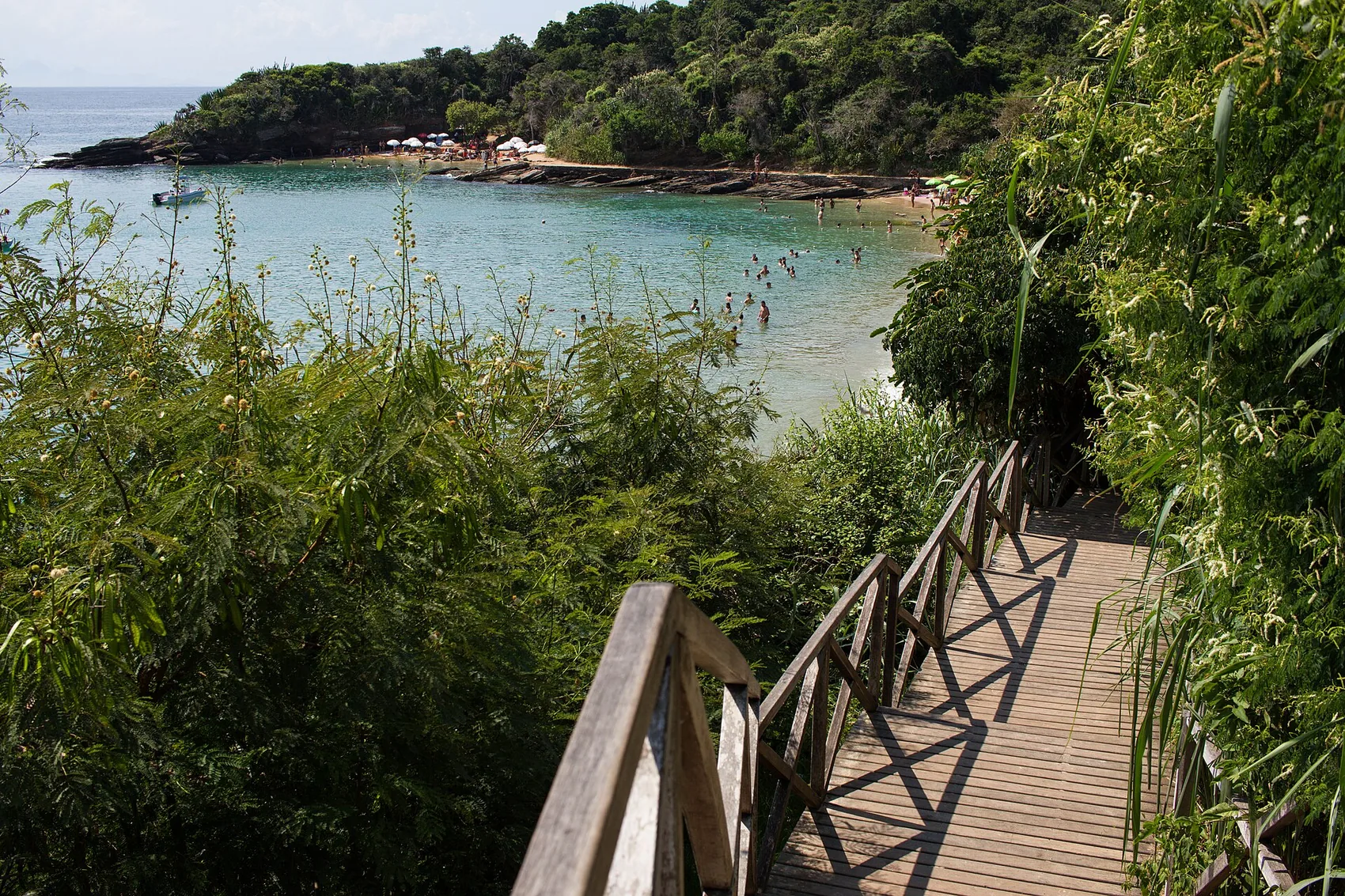
If you have thirty seconds, here is the whole article in shorthand. Choose Búzios if your trip is mainly about beaches, swimming, eating well and going out — a stylish, easy, sun-sure beach holiday close to Rio. Choose Ilha Grande if you want to switch off completely on a car-free island, walk forest trails to wild beaches, and don't mind that getting there and around takes effort. Choose Paraty if you want the most varied few days — a living colonial town to walk in the evenings, a bay of islands to spend a day on the water, rainforest and waterfalls behind it, and Ilha Grande itself within reach.
The geography matters more than people expect, so fix it in your head first. Búzios is east of Rio, on the dry, sunny Região dos Lagos. Paraty and Ilha Grande are southwest of Rio, on the green, rainy, forested Costa Verde. That single fact — opposite sides of a big city — is why Paraty and Ilha Grande combine naturally and Búzios mostly doesn't. Everything below is really a longer version of those two paragraphs. Our full picture of this stretch of coast is in the complete guide to Paraty, but read on first if you are still choosing between the three.
Vibe: the single biggest difference
The thing that really separates these three is not the scenery — it is the mood, and they are genuinely distinct.
Búzios: chic, social, dressed-up beach town
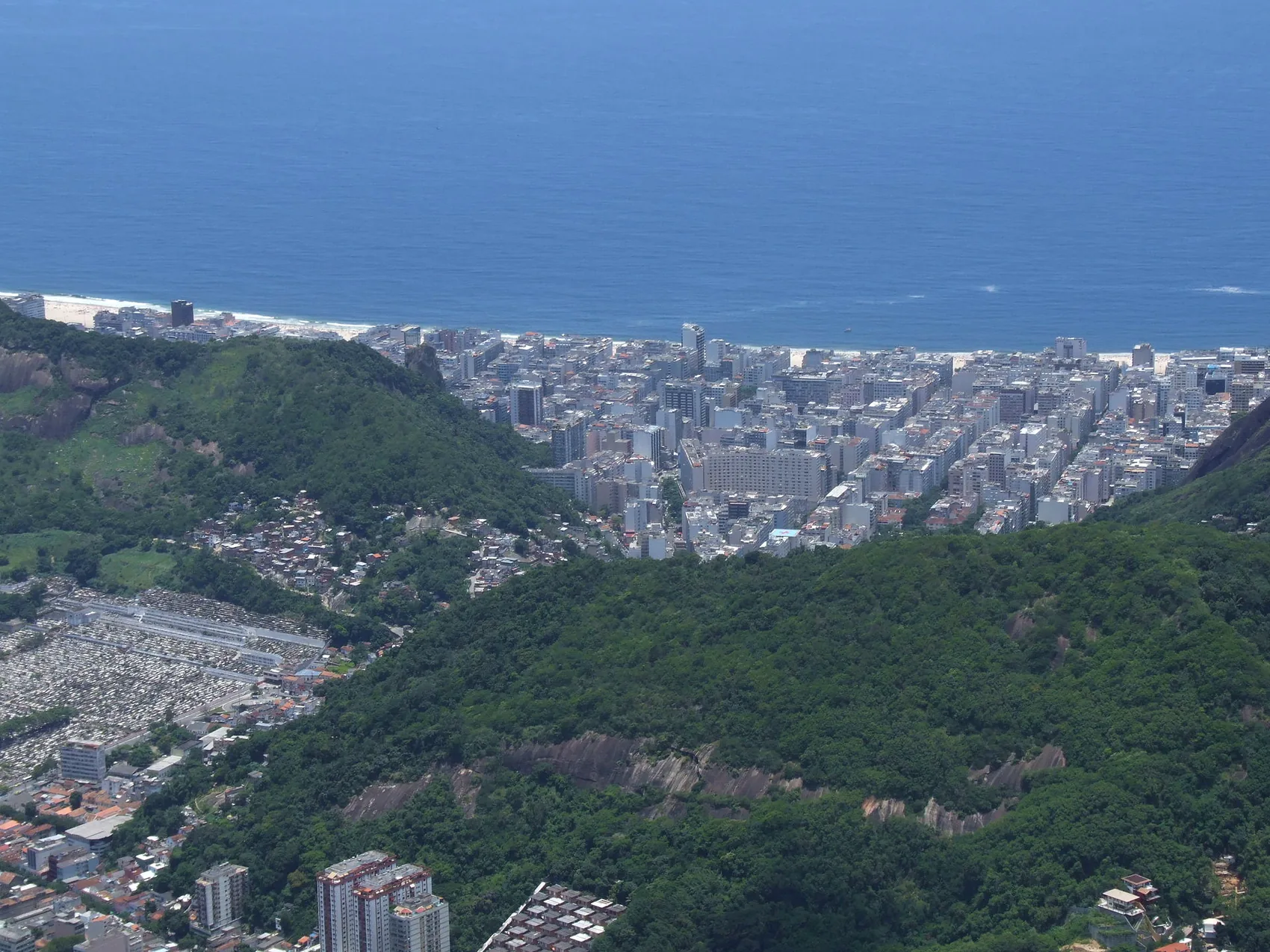
Búzios trades on a story that is mostly true. In the 1960s it was a quiet fishing village; the French actress Brigitte Bardot spent time here, the word got out, and over the decades it grew into one of Brazil's most fashionable beach resorts — often, and not unreasonably, called Brazil's answer to Saint-Tropez. Today it is polished, international and a little glamorous. The central streets are lined with boutiques, beach bars, galleries and restaurants from half a dozen cuisines, and the crowd is dressed for being seen. It is the most "resort" of the three by a wide margin: comfortable, lively, easy, and aimed squarely at people who want sun by day and somewhere good to eat and drink by night. If that sounds like a holiday rather than an expedition, that is exactly the point.
Ilha Grande: barefoot, slow, off-grid
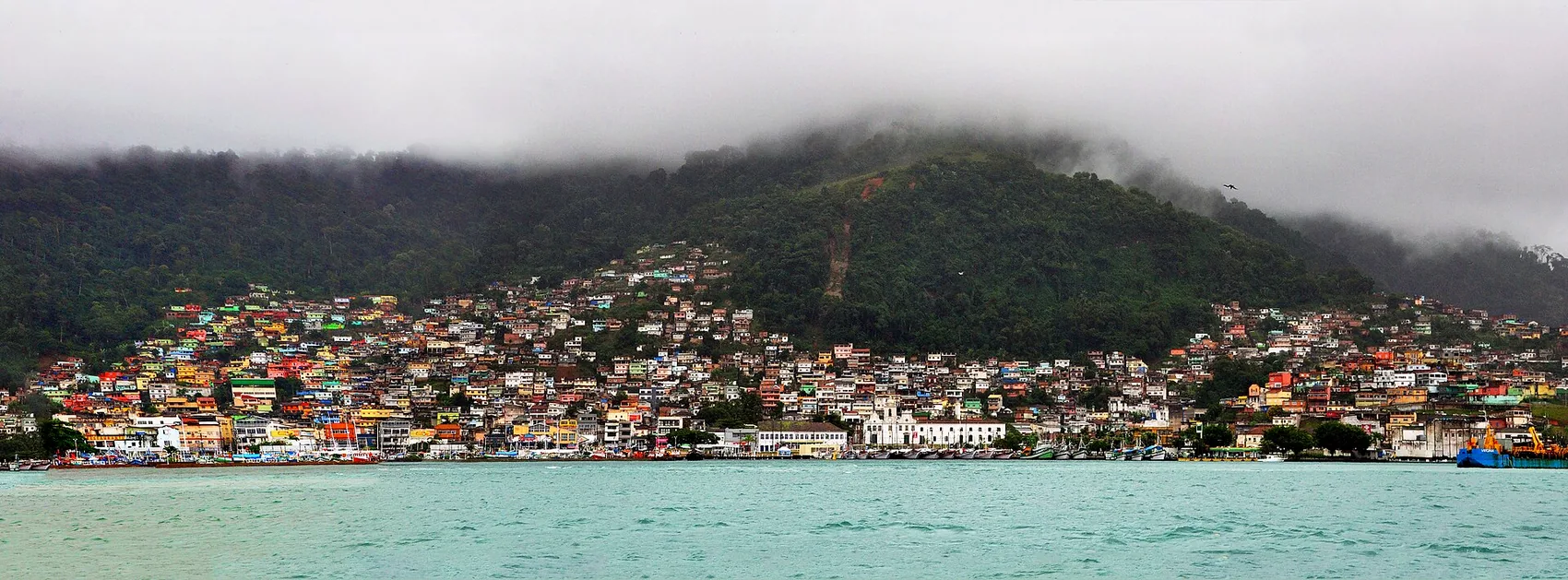
Ilha Grande is the opposite. There are no cars on the island at all — no roads to speak of, no traffic, no engine noise except the boats. You arrive by water at the single main village, Vila do Abraão, and from there you walk, take a trail, or hop a boat-taxi to the beaches. The mood is barefoot and unhurried, with roots in its backpacker years and a slowly growing boutique side; you will find everything from simple pousadas to a handful of polished places, but the island itself stays rough-edged and green. It carries a strange piece of history, too: a high-security prison operated here until it closed in 1994, and the island's isolation kept it wild for decades. That past is part of why it feels so untouched now. Come here to read, swim, hike and let your phone run flat.
Paraty: a living colonial town on a bay
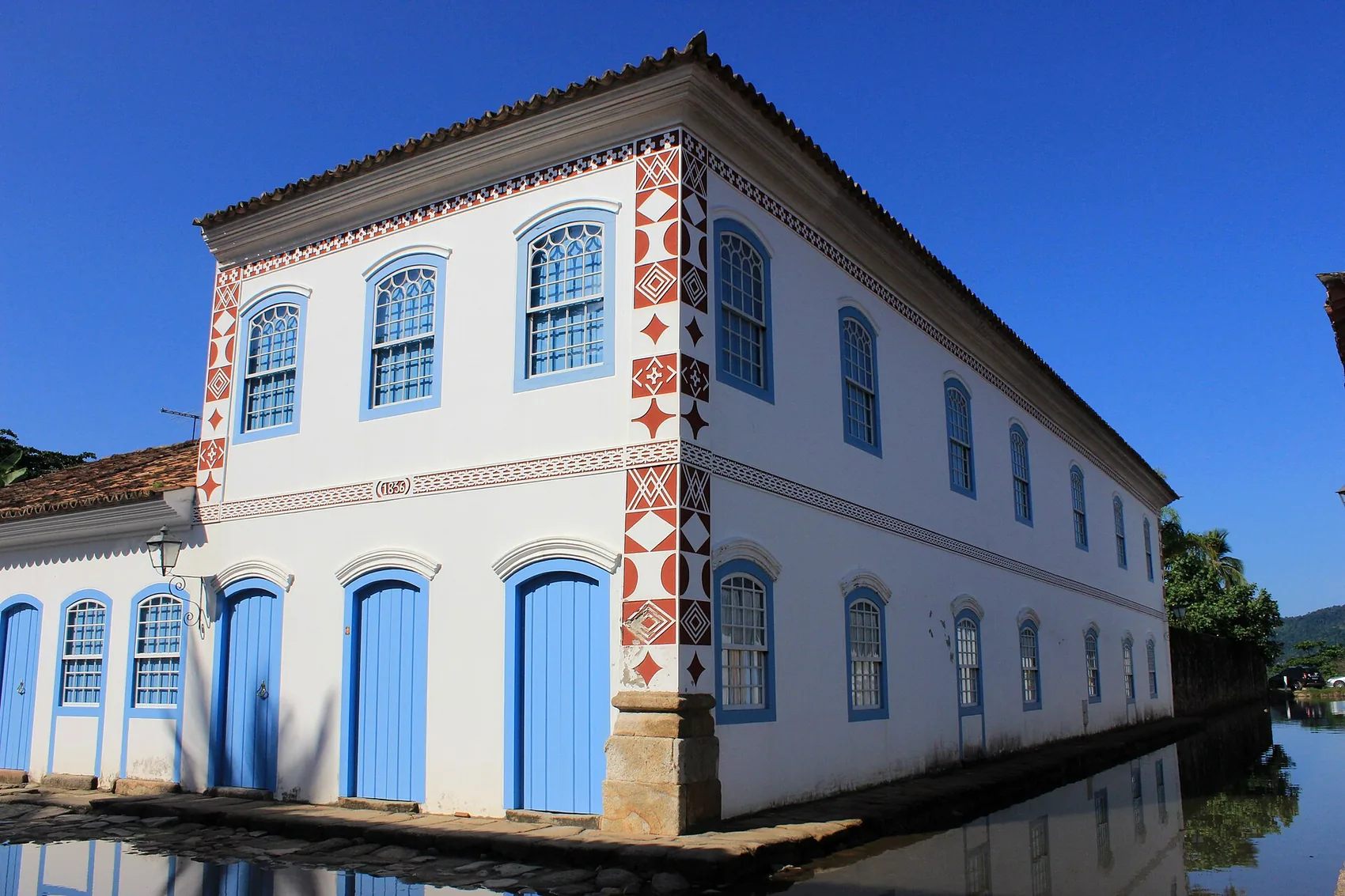
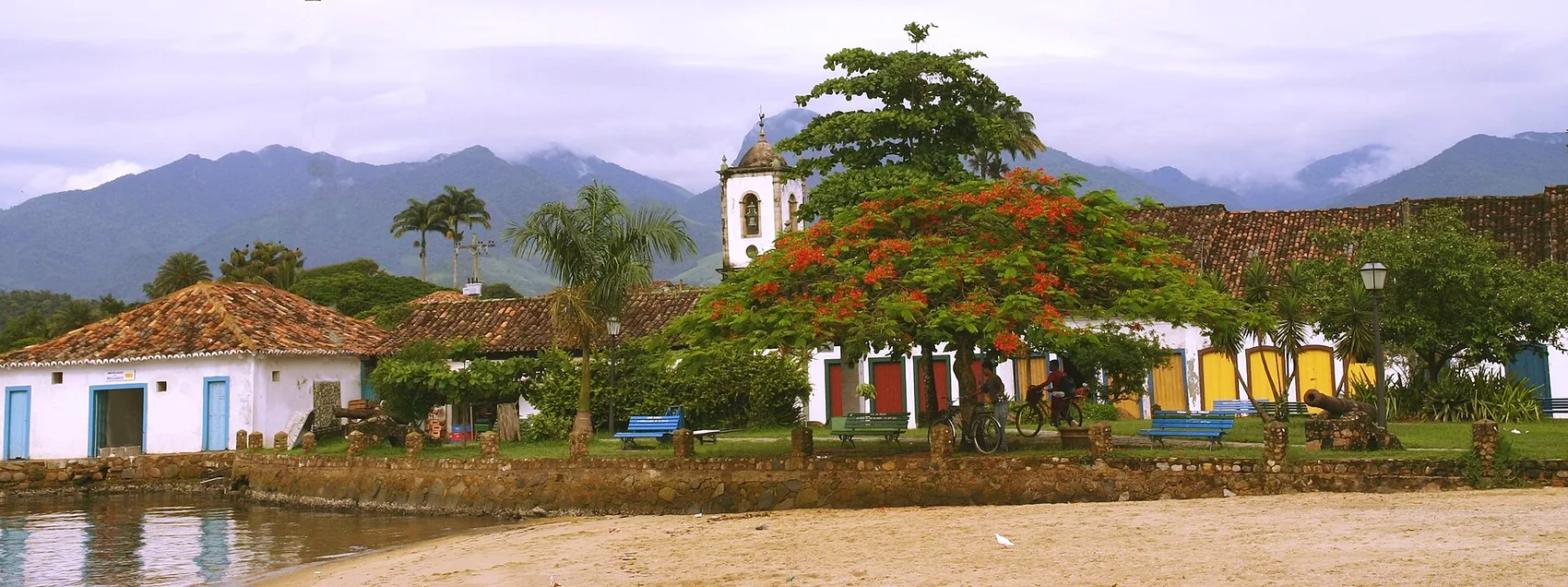
Paraty is the one that does not fit a single word, which is its whole appeal. The historic centre is a small grid of whitewashed, brightly trimmed colonial houses on hand-laid cobblestones, closed to cars, almost unchanged since the 1700s. But it is not a museum — people live and work and cook and play music in it. Wrap that town in a bay scattered with islands, back it with steep Atlantic rainforest full of waterfalls, and you get a place that is cultural and natural at once. The evenings are candlelit and musical rather than loud; the days can be spent on the water, in the forest, or simply wandering. It is the most layered of the three, and the one that rewards curiosity. We say more about how that town actually feels, hour by hour, in the Paraty guide.
Búzios is somewhere you go to be on holiday. Paraty is somewhere you go to be somewhere.
Distance and time from Rio
Most people start their Costa Verde or Costa do Sol trip in Rio, so the drive matters — both how long it is and which direction it points you. Here is the honest version. None of these have meaningful scheduled commercial flights, so road is how you arrive.
- Búzios: around 170 km east of Rio, usually two and a half to three hours by car or shuttle, out along the lakes region. The drive is flatter and less scenic than the coast road south, but it is straightforward.
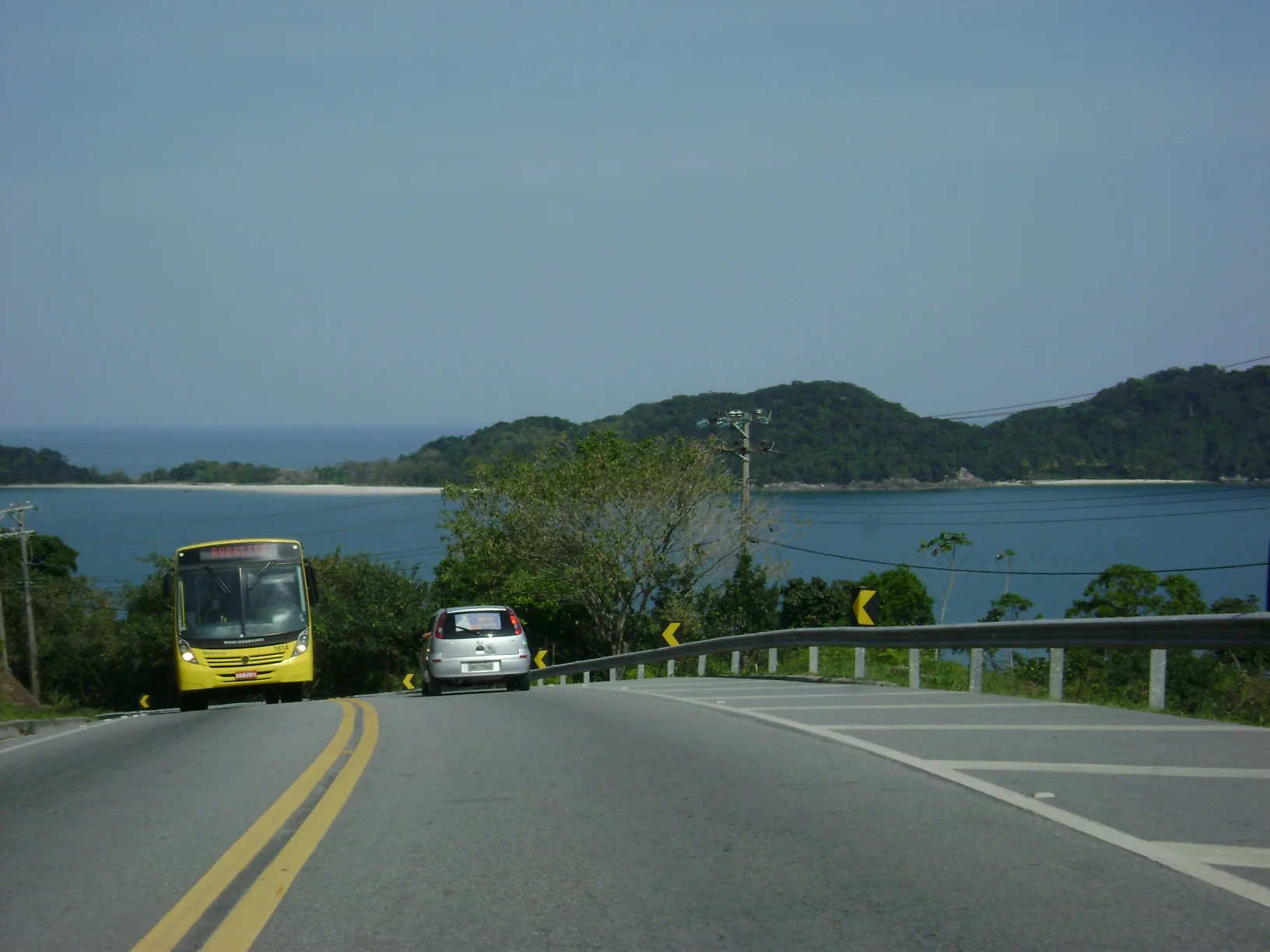
- Paraty: about 236 km southwest of Rio, around four hours down the BR-101 Rio–Santos coastal highway — one of Brazil's great scenic drives, hugging the green coast past Angra dos Reis the whole way. From São Paulo it is around five hours. The detail, including coaches and private transfers, is in our Rio to Paraty guide.
- Ilha Grande: there is no bridge, so you drive to a mainland port and cross by boat. The ports are Conceição de Jacareí (the closest, with fast boats crossing in around twenty minutes), Angra dos Reis (fast boats around forty minutes, plus a slower traditional ferry), and Mangaratiba. Allow roughly two to three hours of driving from Rio to the port, then the crossing. The full crossing logistics are worth getting right, and we lay them out in the complete Ilha Grande guide.
The takeaway is the direction. Búzios pulls you east into a separate region; Paraty and Ilha Grande pull you southwest into the same one. If you are planning to see Rio anyway, all three are realistic add-ons — but two of them sit naturally on the same string, and one is its own journey.
The beaches: quantity, quality and character
All three have wonderful water. But the kind of beach experience is different in each, and this is where a lot of people quietly choose wrong.
Búzios: dozens of beaches, easy to sample
Búzios is built for beach-hopping. The peninsula has more than twenty distinct beaches packed into a small area, each with its own character, and the local trick is to follow the wind: the west and north-facing beaches stay calm and clear and are ideal for swimming and families, while the east-facing beaches open onto the Atlantic and pick up surf and a livelier scene. On a single short stay you can sample a handful — a sheltered cove in the morning, a busier beach with bars and music in the afternoon. The sand is good, the water is warm and the variety is genuinely the draw. Because the region is drier and sunnier than the Costa Verde, you also get more reliable beach weather across the year.
Ilha Grande: fewer beaches, but some of the best in Brazil
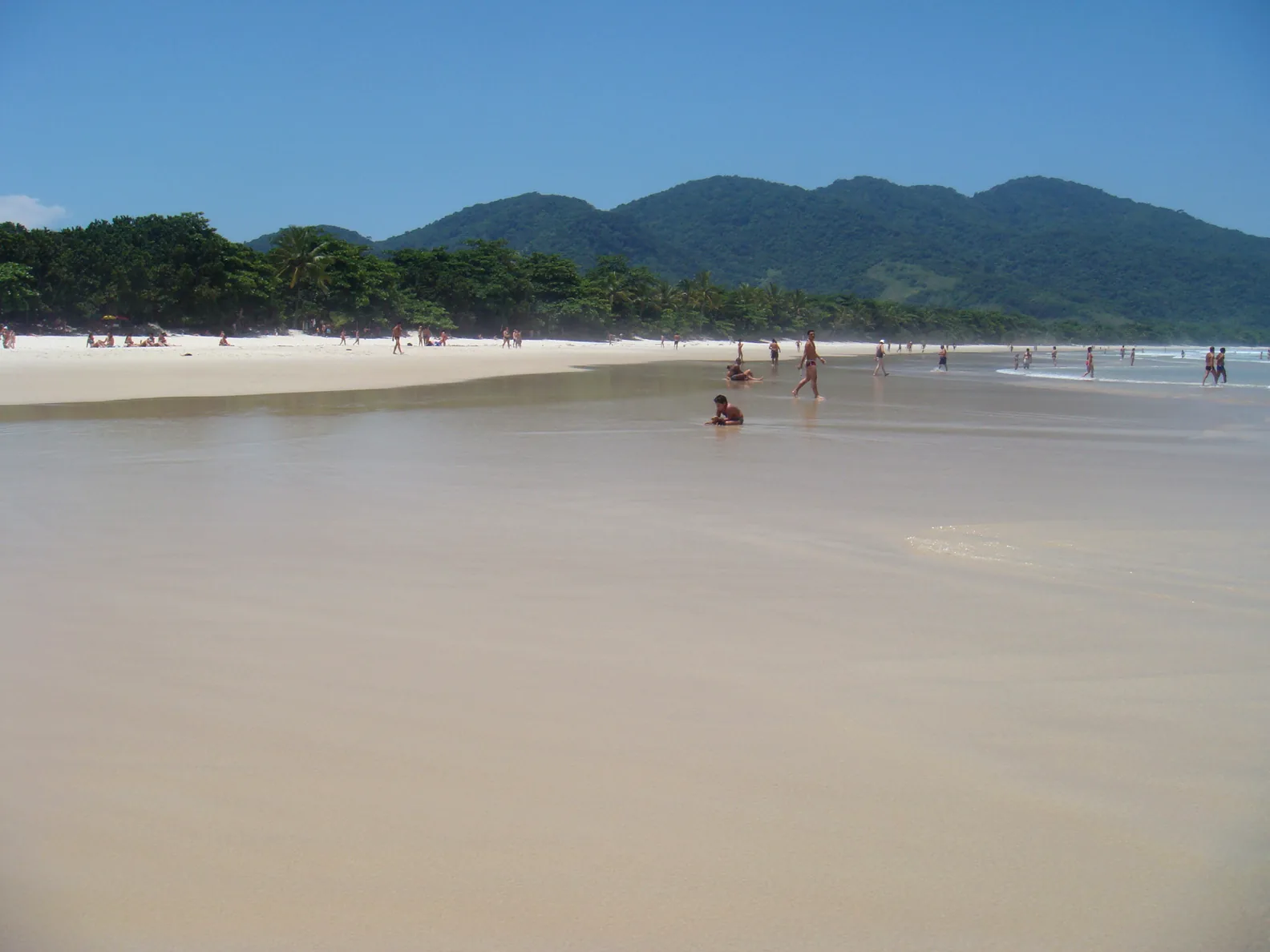
Ilha Grande does not do convenience, it does quality. Its signature is Lopes Mendes, regularly ranked among the most beautiful beaches in Brazil: a long arc of fine white sand and clear surf, reached by a boat-taxi to a neighbouring cove and a short forest walk. There is no kiosk strip, no road, no parking — that is the point. Elsewhere on the island you find quiet coves, snorkelling spots and the calm, pale-sand inlets you reach by trail or boat. The catch is effort: nothing here is a roll-out-of-the-car beach. You earn every one of them with a walk or a short crossing, and for a lot of people that is precisely why they remember them.
Paraty: the bay, the boat days, and the wild coast
Paraty is the odd one out, and you need to understand it before you judge it on beaches. The beaches you can walk to from the historic centre are pleasant but not the postcard — calm and convenient rather than spectacular. The beauty is offshore and down the coast: the boat-access coves of the inner bay, the roadless caiçara beaches like Praia do Sono reached by forest trail, and the surf beaches around Trindade forty minutes south. In other words, Paraty's great beach experience is a boat day — out among the islands, swimming off the side of a schooner or a small charter, lunch behind a quiet cove — rather than a beach you stroll to. If your mental image of a beach holiday is sand a two-minute walk from your room, Búzios delivers that and Paraty does not. If your image is a clear-water cove you reach by boat with almost no one else there, Paraty wins easily. We map the whole coast, town beaches to wild ones, and how the water days work, across the wider Paraty guide.
Nightlife and going out
This is the cleanest split of all, so it is worth being blunt.
Búzios is the nightlife winner, and it isn't close. The famous Rua das Pedras and the Orla Bardot waterfront are the heart of it — a stone-paved strip of cocktail bars, restaurants, boutiques and galleries that fills up after dark and keeps going. If part of what you want from a trip is dressing up, eating somewhere stylish, and moving on to bars and music until late, Búzios is built for exactly that and the other two are not.
Paraty has evenings, not nightlife — and they are lovely on their own terms. The historic centre after dark is candlelit and full of small rooms with live music: bossa nova, samba, the accordion-driven forró of the northeast. You eat outdoors, follow the music by ear, have a caipirinha made with real local cachaça, and the night winds down gracefully rather than ramping up. It is romantic and sociable but it is not a party town, and you should not come expecting one.
Ilha Grande is quieter still. Vila do Abraão has a cluster of bars and simple restaurants that get cheerful in high season, and you will find a beer and music by the water — but the island goes to bed early, and most people are out hiking or swimming the next morning, so that is the rhythm. Come for calm, not for late nights.
Food and drink
All three eat well, because this is a coast and the seafood is excellent everywhere. The differences are in range and in signature.
Búzios has the broadest and most international menu of the three — Italian, French, Japanese, contemporary Brazilian, plus the seafood you would expect — matching its dressed-up, resort character. It is the easiest place to have a genuinely fancy dinner.
Paraty punches far above its size and leans into where it is. The defining product is cachaça: the artisanal distilleries in the hills behind town run daytime tastings, and Paraty's spirit was once so well known that "parati" was simply slang for cachaça across Brazil. On the plate the star is moqueca, the slow seafood stew of coconut milk, palm oil, tomato and coriander that is the great dish of this coast, alongside grilled fish straight off the day's boats. It is the most distinctive food-and-drink culture of the three.

Ilha Grande is the simplest, and honestly that suits it. Expect fresh fish, prawns, simple grills and beach-kiosk plates rather than fine dining — wholesome, local and unfussy. You do not go to Ilha Grande for the restaurants; you go for everything around them.
Walkability and getting around
How you move once you arrive is a bigger part of the experience than people expect.
Paraty's old town is the most charming to walk and the most punishing underfoot. The colonial centre is car-free and tiny — ten minutes corner to corner — so you simply wander, which is half the pleasure. But the streets are paved with huge, irregular, hand-laid cobblestones that are genuinely hard going; flat, grippy shoes are non-negotiable and heels are out. Beyond the centre you need a boat for the bay and a car or transfer for the down-coast beaches and waterfalls. Base once and day-trip in every direction.
Ilha Grande is car-free by necessity, and that defines it. You walk everywhere in and around Vila do Abraão, and you reach the further beaches on foot via forest trails or by boat-taxi. It is the most "leave the car behind" of the three — liberating if you are mobile and keen to walk, harder if you have heavy luggage, limited mobility, or very small children, since even getting from the boat to your room means walking.
Búzios is the easiest to get around in the ordinary sense. The town centre is strollable, the beaches are short hops apart, and taxis, buggies and transfers make the whole peninsula simple to cover. There is no equivalent of Paraty's cobblestone obstacle course or Ilha Grande's no-car rule. If frictionless logistics matter to you, Búzios is the most relaxed.
Family-friendliness
All three can be wonderful with children; the right one depends mostly on the age and energy of the kids.
Búzios suits the youngest travellers best. The calm, shallow west-facing beaches are ideal for small children, the distances are short, the logistics are easy, and there is plenty to keep everyone fed and entertained without long journeys. For a straightforward beach holiday with toddlers, it is the path of least resistance.
Paraty is excellent for families who base themselves well. The car-free old town means children can roam the centre safely, and the mix of a pool day, a gentle boat trip and the calmer near-town beaches gives a good rhythm. The one thing to plan around is that the marquee beaches and some waterfalls take a boat or a walk, and the cobblestones are tricky for strollers — so a base with a pool and a flexible plan works far better than trying to march small children across town. A hillside villa with a pool, in particular, turns the midday heat into a feature rather than a problem.
Ilha Grande is best for older, active children. The trails, boat-taxis and walk-in beaches are an adventure for kids who can walk and swim happily, but the same features — no cars, lots of walking, boat crossings — make it harder work with toddlers or a lot of gear. Teenagers tend to love it.
Price: what each costs
We will keep this general on purpose, because specific prices go stale fast and vary wildly by season — and all three swing hard with the calendar, peaking over the Brazilian summer holidays (December to February) and Carnival, and easing in the cooler, quieter months. The currency everywhere is the Brazilian real (R$). With that said, the broad shape holds up.
- Búzios is generally the priciest of the three at the top end. Its resort positioning means polished hotels, smart restaurants and a fashionable crowd, and the bill reflects that. There are affordable options, but Búzios is where it is easiest to spend a lot.
- Paraty spans the widest range. You can do it simply with a centre pousada and beach lunches, or do it as a high-end stay in a boutique hotel or a private hillside villa with a pool and a chartered boat. That flexibility is one of its strengths — it scales to your trip rather than forcing a single price bracket.
- Ilha Grande is usually the cheapest to do simply, thanks to its backpacker roots and plentiful pousadas, though its growing boutique end can climb. If value-for-money and a low-key stay are priorities, it tends to come out ahead — just budget for the boat crossings and remember that everything on a car-free island has to be carried in, which nudges some costs up.
When each one shines
Season changes these places differently, and it is worth matching your dates to the right one.
Búzios shines in the sun, which is most of the year. Being on the drier lakes region, it gets more reliable beach weather across the seasons than the rainy Costa Verde, so it is the safest bet if your trip is short and you cannot afford to lose a beach day to weather. It is at its most glamorous and most crowded over the Brazilian summer and New Year.
Paraty has two faces. The summer (roughly December to March) is hot, lush and lively with the warmest sea — but also the rainiest, with dramatic afternoon storms, and the most crowded over the holidays. The winter (roughly June to August) is drier, clearer and calmer, with the best underwater visibility for snorkelling and cooler evenings that want a light layer. The shoulder months either side are the connoisseur's choice. Paraty also has an outsized cultural calendar — a well-known international literary festival and a cachaça festival among others — though the dates move year to year, so check current listings rather than trusting a fixed date.
Ilha Grande shines when the sea is calm and the trails are dry, which favours the clearer, drier months for hiking and boat-taxis, though it is rewarding whenever the weather cooperates. Heavy rain can make the forest trails slick and the crossings bumpier, so it pays to keep your plans flexible.
A word on Angra dos Reis
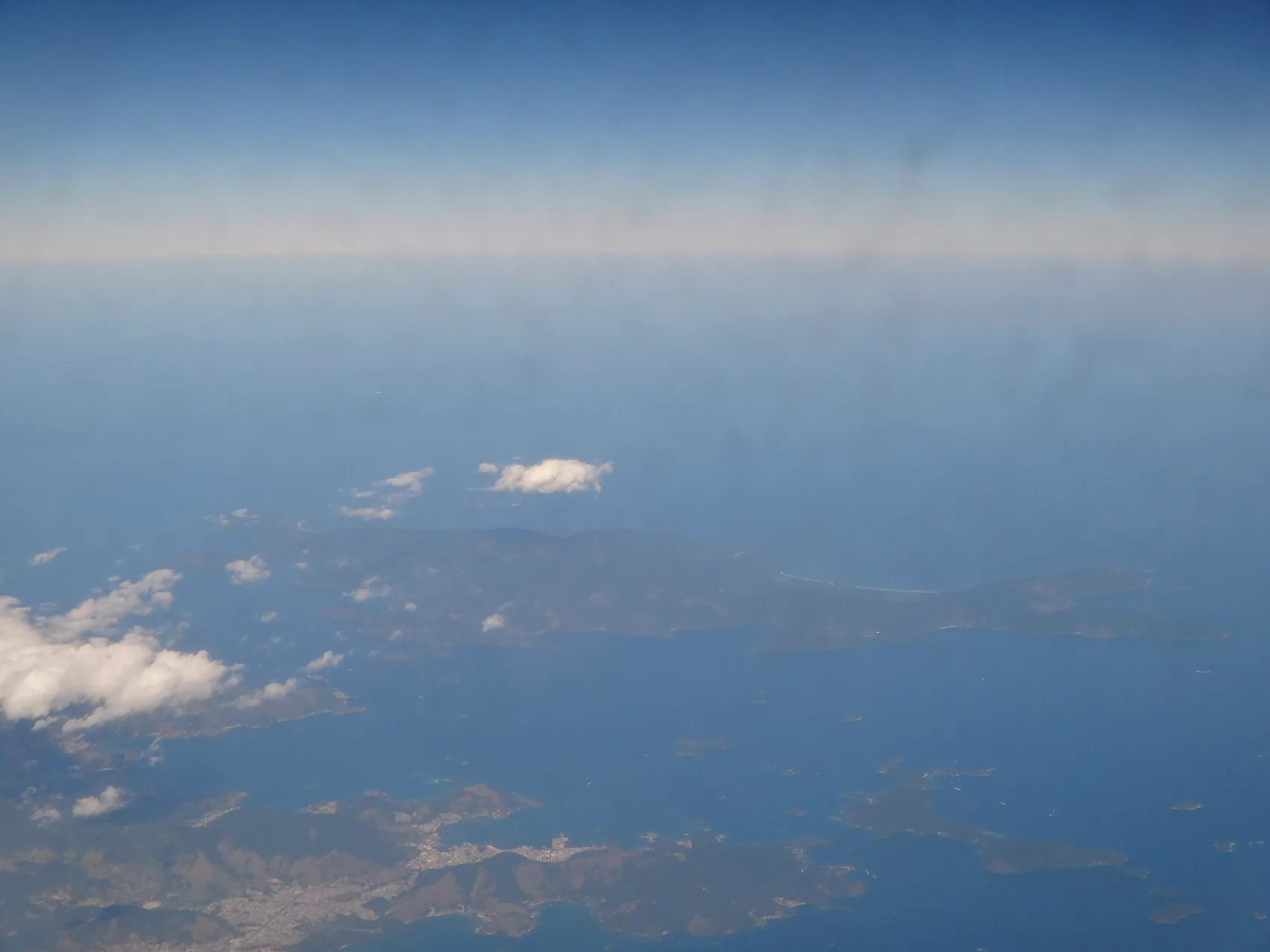
One more name comes up constantly, so let us place it: Angra dos Reis. It sits between Rio and Paraty on the same Costa Verde, about 155 km from Rio, and its claim to fame is its bay — marketed, with only mild exaggeration, as the "bay of 365 islands." It is one of the main gateways to Ilha Grande, and the sailing and island-hopping here are genuinely superb.
Our honest take is that Angra is a fantastic bay but a less compelling base for most travellers. The town itself is more of a working port and marina hub than a charming destination, and much of its best property is private islands and gated resorts. If you love boats above all and want to be on the water constantly, Angra is worth serious thought. For most people, though, Paraty makes the better base for the same waters — you get the colonial town and the rainforest as well as the islands — and you can still reach Ilha Grande and the wider archipelago from there. Think of Angra as a brilliant day on the water rather than a rival to the three above.
Who each one suits, in plain terms
If you have read this far and still feel torn, this is the section to trust. Be honest about which traveller you are.
Choose Búzios if: your trip is mainly about beaches and going out; you want reliable sun and easy logistics; you like a stylish, social, dressed-up scene; you are travelling with young children who want calm, shallow water and short distances; or you simply want a low-effort, high-comfort beach holiday close to Rio.
Choose Ilha Grande if: you want to switch off completely; the idea of no cars sounds like heaven rather than a hassle; you are happy to walk forest trails and take boats to reach beaches; you value calm and nature over restaurants and nightlife; and you don't mind that getting there and around takes some effort.
Choose Paraty if: you want the most varied few days and find it hard to choose because you want a bit of everything; you care about history and culture as well as beaches; you like the idea of a boat day among islands; you want rainforest and waterfalls within reach; you want good food and cachaça and candlelit evenings without needing a party; and you want a single base you don't have to leave to see a lot. It is also, not by accident, the one that lets you fold in Ilha Grande without changing regions.
If you can only pick one and you genuinely want a bit of everything, that is the trip Paraty was built for.
Can you combine two in one trip?
Often, yes — but some pairings are far smarter than others, and this is where the geography from earlier pays off.
Paraty + Ilha Grande: the natural pair
This is the obvious and best combination, and the one we help guests plan most. They share the same coast, the same bay system and the same UNESCO listing — Paraty and Ilha Grande were inscribed together in 2019 as Brazil's first mixed World Heritage Site, recognised at once for colonial culture and for biodiversity. You can base in Paraty and visit Ilha Grande, or split your nights between the two. A common shape is a few days in Paraty for the town, the bay and the forest, then a couple of nights on Ilha Grande to unplug, or the reverse. Because they are so close and so complementary — one cultural, one wild — they make a single, coherent trip rather than two disconnected ones. The crossing details that make this smooth are in the Ilha Grande guide, and how many nights to give the pair is covered in how many days you need.
Adding Búzios: possible, but plan around Rio
Combining Búzios with either Paraty or Ilha Grande is harder, and it is purely about direction. Búzios is east of Rio; Paraty and Ilha Grande are southwest. To go from one to the other you generally have to pass back through or around Rio, which eats the better part of a day and breaks the rhythm of a trip. It is entirely doable on a longer holiday — a classic two-week Brazil itinerary might pair a few days in Rio with Búzios on one side and Paraty on the other — but it is not a quick hop, and we would not try to squeeze it into a short trip. If your time is limited, pick the side of Rio that matches the holiday you want and commit to it.
Using Rio as the anchor
For most visitors, the cleanest way to think about it is to treat Rio as the hub and these as spokes. See Rio for a few days, then branch out: southwest to the Costa Verde for Paraty and Ilha Grande, or east to the lakes region for Búzios. On a one-week trip, pick one spoke and do it properly. On a two-week trip, you can reasonably do Rio plus both sides. Trying to do all three on a short trip is how people end up spending their holiday in transit. Getting from Rio down to our side of the coast is the part we know best, and we have set out every option in the Rio to Paraty guide.
For those few days in Rio, Art de Vivre rents furnished apartments and villas in Ipanema, Copacabana and other parts of the city.
If you land on Paraty
We will declare our bias openly, because by now you can weigh it yourself: we think Paraty is the most rewarding of the three for travellers who want range, and that is why we host here. From up on the ridge, about 400 metres above the town, you look out over a triple view — the Bay of Paraty, the islands of Angra dos Reis, and Ilha Grande on the horizon — all in one sweep, which is the one thing the town centre at sea level cannot give you. You get the colonial town for the evenings, the bay for your boat days, the forest at your back, and Ilha Grande in sight and within reach. For the trip that wants a bit of everything from a single base, that is hard to beat.
If Paraty is where you are leaning, the natural next steps are to read the full Paraty guide for the complete picture, work out the length of your stay with how many days in Paraty, sort the journey from the city with the Rio to Paraty guide, and browse the practical pieces in our resources. When you want to talk through dates, a boat day or how the ridge view actually feels at sunrise, you can always get in touch — we would rather help you plan the right trip than the most expensive one.
The bottom line
There is no universal best among these three, only a best for you, and the choice is genuinely simple once you are honest about the holiday you want. Búzios is the chic, sun-sure beach town for sand and nightlife close to Rio. Ilha Grande is the car-free island for switching off, hiking and a couple of world-class beaches you happily walk for. Paraty is the colonial town on an island-filled bay with rainforest behind it — the most varied of the three, and the one that lets you fold in Ilha Grande without leaving the region.
Match the place to the trip, not the trip to the place. If you want one beach holiday with reliable sun, go east to Búzios. If you want to disappear onto a roadless island, cross to Ilha Grande. And if you want a few days that change shape from one to the next — a morning on the water, an afternoon in the forest, an evening under colonial lanterns — come southwest to the Costa Verde, where Paraty and Ilha Grande sit side by side, and where, from a certain ridge above the bay, you can see most of this guide laid out in front of you at once.
Come stay above the bay
Chalé Bel Air sits on the ridge that looks over everything in this guide. Tell us your dates and what kind of trip you are after — we answer personally.
Ask about your datesFrequently asked questions
Which is better, Paraty or Buzios?
It depends on what you want. Buzios is a stylish beach-and-nightlife peninsula with dozens of beaches and a buzzing restaurant street, best if your trip is mainly about sun, sea and going out. Paraty is a preserved colonial town on an island-filled bay with rainforest behind it, best if you want history, boat days and a slower pace. Buzios is the easier party; Paraty is the deeper place.
How far are Paraty, Buzios and Ilha Grande from Rio?
They sit on opposite sides of Rio. Buzios is around 170 km east, roughly two and a half to three hours by road in the Regiao dos Lagos. Paraty is about 236 km southwest down the Costa Verde, around four hours. Ilha Grande is in between, reached by a drive to a port such as Conceicao de Jacarei or Angra dos Reis and then a short boat crossing.
Can I combine two of them in one trip?
Yes, and Paraty and Ilha Grande are the natural pair because they share the same coast and the same UNESCO listing. You can base in Paraty and reach Ilha Grande by boat, or split nights between the two. Combining Buzios with either is harder, because it is on the far side of Rio and means driving back through the city.
Which is best for families with children?
All three work, but in different ways. Buzios has many calm, shallow west-facing beaches and short distances, which suits younger children. Paraty pairs a safe, car-free old town with pool-and-bay days and is easy if you base in a villa with a pool. Ilha Grande involves boats, walking and trails, so it suits older, more active kids better than toddlers.
Where should first-time visitors to Brazil go?
If you only have time for one and want variety, Paraty is the most complete: town, bay, beaches, forest and Ilha Grande all from a single base, without needing a car once you arrive. Choose Buzios instead if your idea of the trip is purely beaches and nightlife, and Ilha Grande if you want to unplug on a roadless island.

.jpg)


