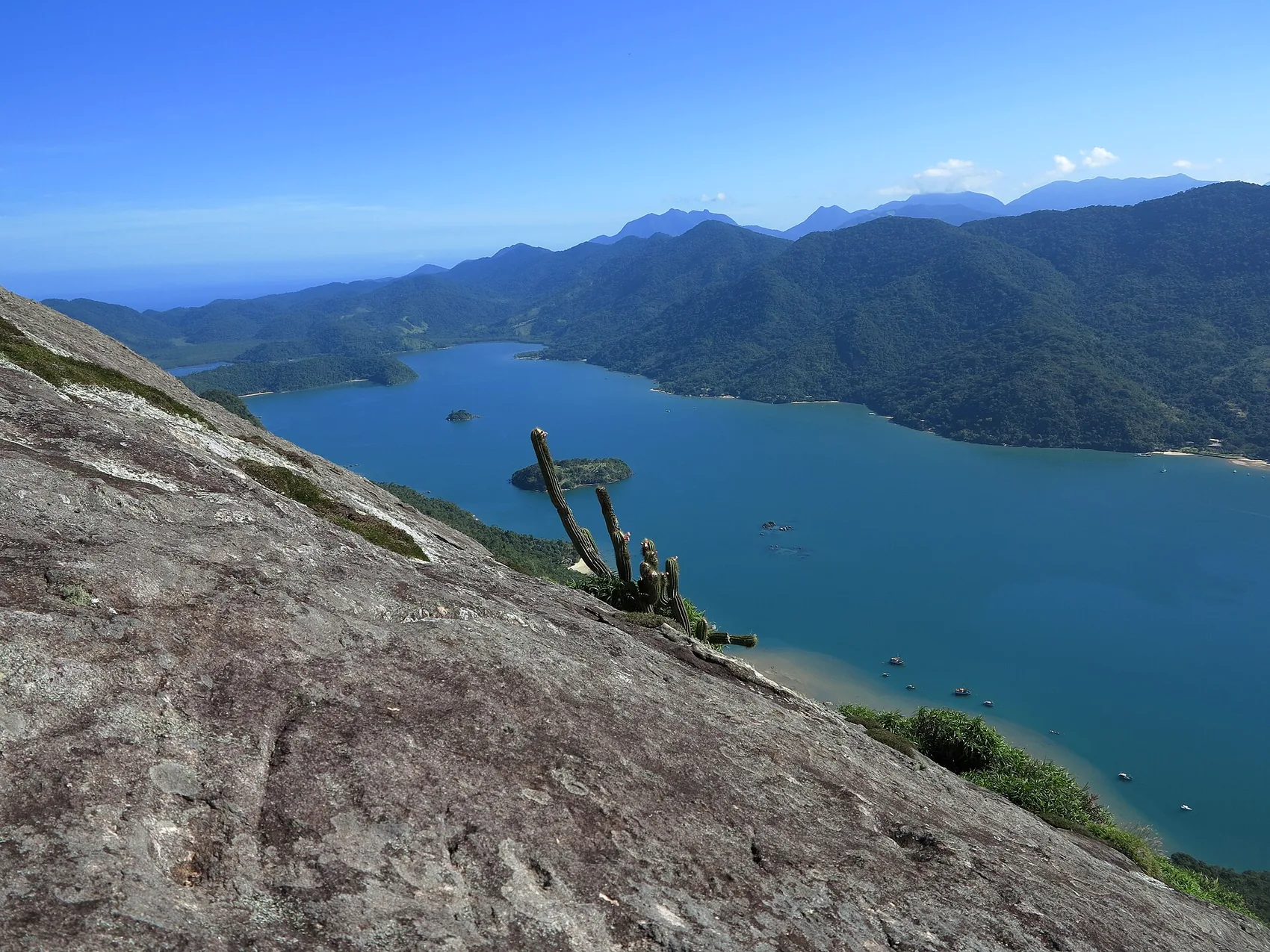
The reason this coast looks the way it does — unbroken forest to the waterline, roadless beaches, water clean enough to read the bottom — is that most of it is protected, and the people who live in it have defended it for generations. Visiting well means understanding both halves of that sentence.
What's protected, exactly
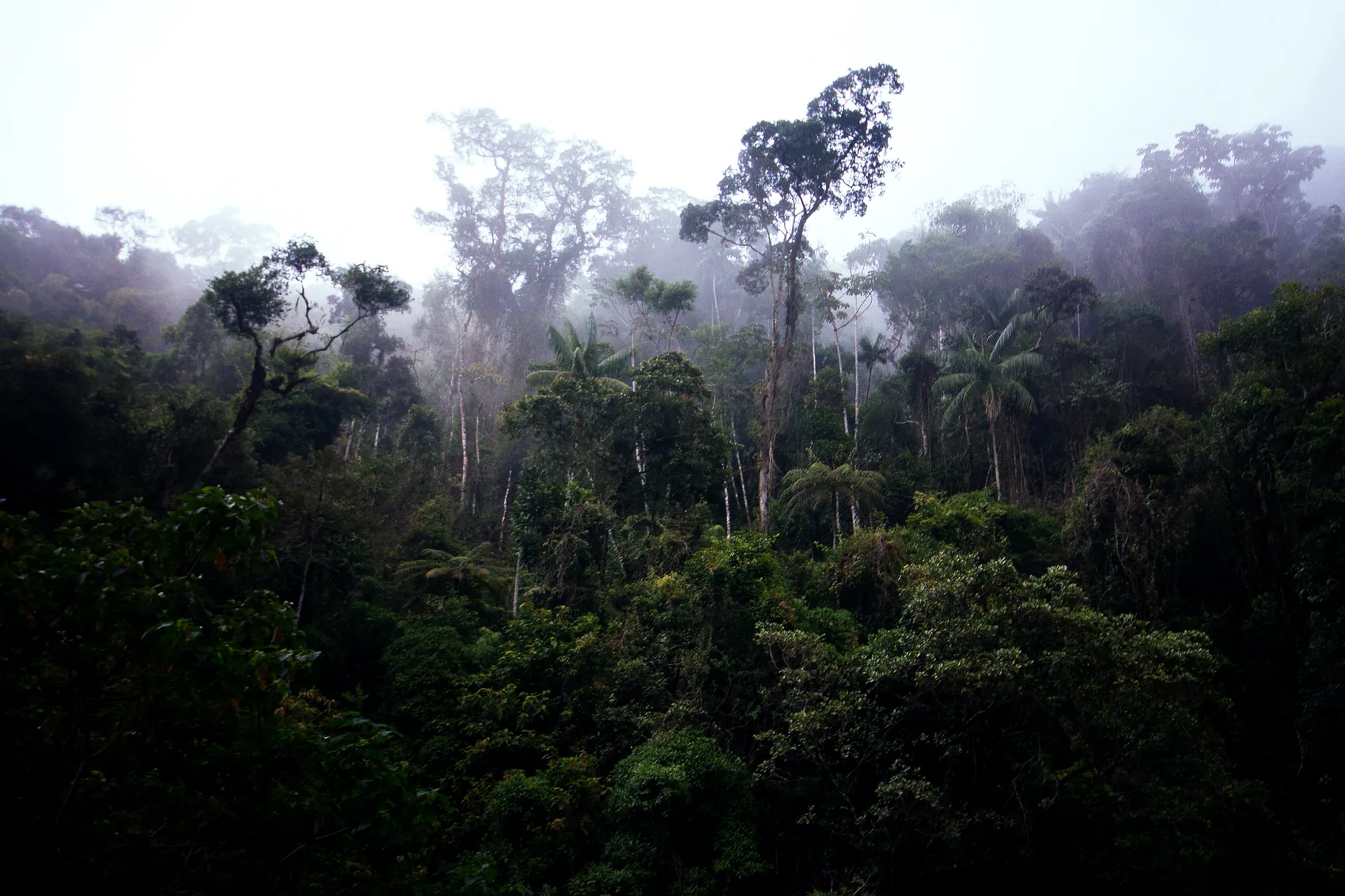
The chalé sits inside one of the most layered conservation landscapes in Brazil. In 2019 UNESCO inscribed “Paraty and Ilha Grande — Culture and Biodiversity” as a mixed World Heritage site, recognising the rare combination of colonial town, Atlantic rainforest and traditional communities. Within that umbrella:
- APA Cairuçu — a federal environmental protection area covering the peninsulas and waters south of Paraty, including Paraty-Mirim and the Saco do Mamanguá. “APA” status means people live and work inside it under managed rules.
- Reserva Ecológica da Juatinga — the stricter state reserve over the wild Juatinga peninsula: Praia do Sono, Ponta Negra, the lighthouse trails.
- Serra da Bocaina National Park — the high forest behind town, through which the colonial Gold Trail climbs.
- Around Ilha Grande, state park and marine reserves protect both the island's interior and chunks of its surrounding water.
The Atlantic rainforest — Mata Atlântica — that all of this defends is one of the most threatened biomes on Earth: only a small fraction of its original extent survives, and the Costa Verde holds some of the best of what's left. The forest around the chalé's ridge is the real thing.
Leave-no-trace, localised
The universal rules apply, but a few have specific local force:
- Carry everything out — roadless beaches like Sono and the Mamanguá coves have no collection service; whatever's left becomes someone else's burden or the sea's.
- Stay on the cut trail. Shortcutting switchbacks in this terrain starts erosion gullies that a single rainy season turns permanent.
- Nothing leaves with you — no shells, no orchids, no “just one” cutting. It's both the ethic and, in the reserves, the law.
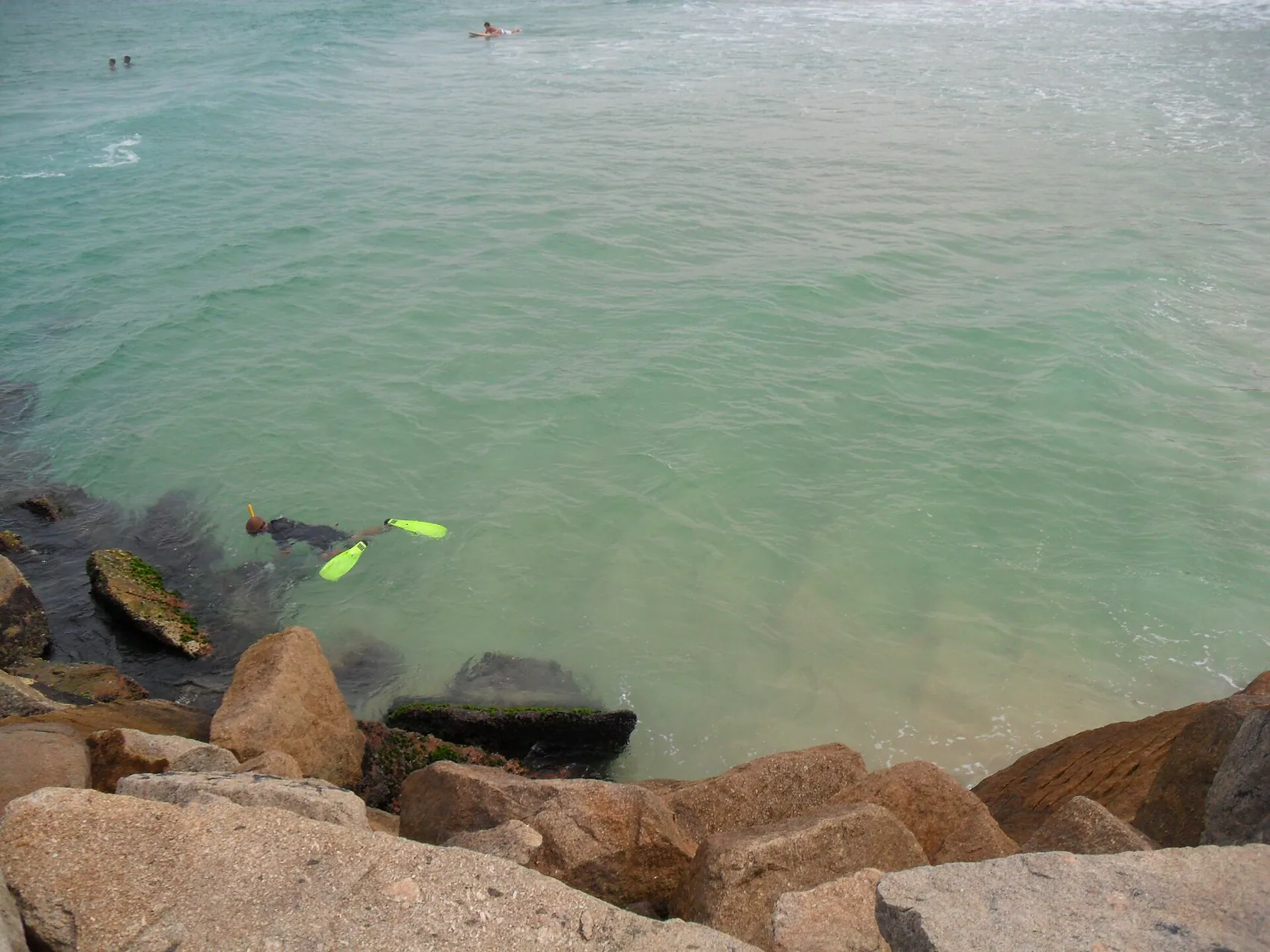
- Reef-safe sunscreen, or a rash top instead. The snorkel coves are small and enclosed; what washes off you stays in them.
- No campfires on beaches, and camp only where communities run sites.
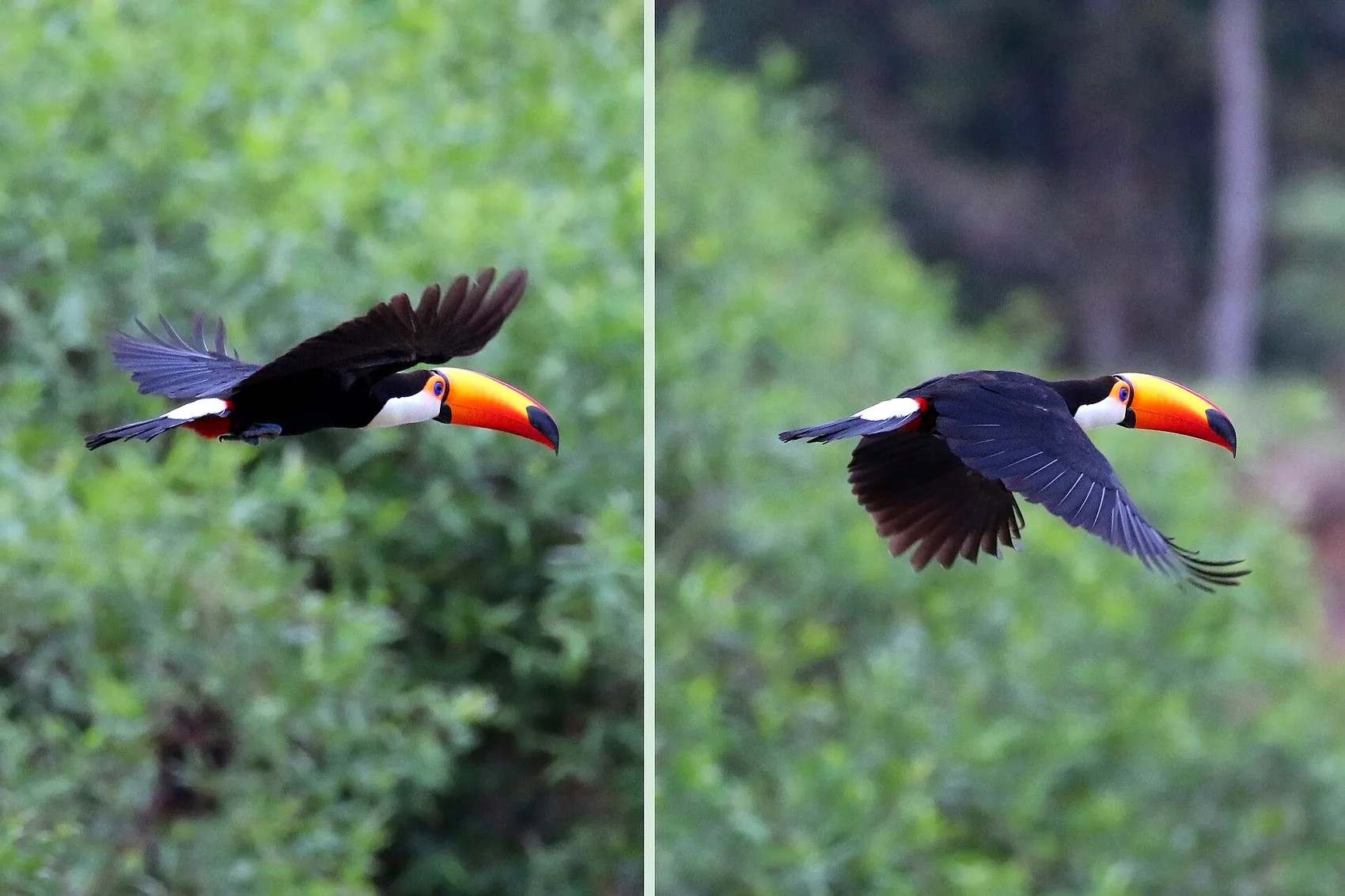
- Wildlife stays wild — feeding monkeys and coatis rewires them into pests that eventually get removed. Photograph, don't provision.
The caiçara half of the story
The traditional communities of this coast — caiçara fishing families of mixed Indigenous, Portuguese and African descent, plus quilombola and Indigenous communities inland — aren't background colour; they're the reason places like Sono and the Mamanguá still exist intact, and their right to remain has been hard-fought. Travelling well here means putting money directly into those communities:
- Eat at the family restaurants on the roadless beaches — fish landed metres away, prices fair.
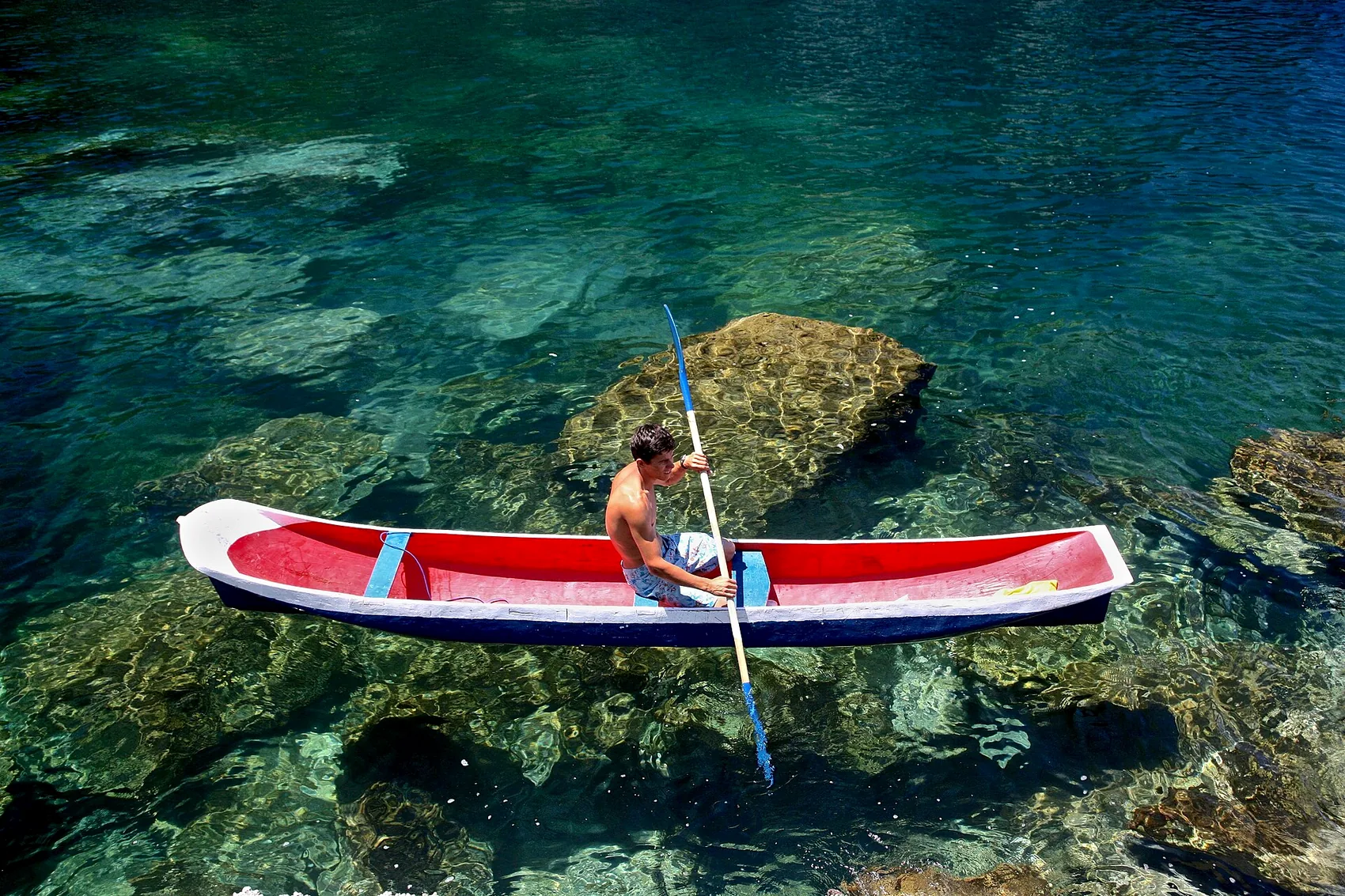
- Hire local boat-taxis and community guides rather than importing services from town.
- Buy crafts and cachaça at the source.
- Ask before photographing people and homes — a village is not a viewpoint.
How we run the chalé
Our own rules are simple: build small and keep the forest, hire and buy locally, no lights blasting the canopy at night, and send guests toward the operators and communities doing things right. Ask us when you book — pointing visitors in good directions is the most useful thing a host on this coast can do. Then go enjoy the place; thoughtful visitors are part of what keeps the protection politically alive.
Come stay above the bay
Chalé Bel Air sits on the ridge that looks over everything in this guide. Tell us your dates and what kind of trip you are after — we answer personally.
Ask about your datesFrequently asked questions
What protected areas surround Paraty?
Several, layered. The 2019 UNESCO mixed World Heritage site “Paraty and Ilha Grande — Culture and Biodiversity” covers the region. Within it sit APA Cairuçu (a federal protection area including Paraty-Mirim and the Saco do Mamanguá), the stricter Reserva Ecológica da Juatinga, Serra da Bocaina National Park behind town, and state park and marine reserves around Ilha Grande.
What are the leave-no-trace rules for Paraty's beaches and trails?
Carry everything out — roadless beaches like Sono and the Mamanguá coves have no collection service. Stay on the cut trail to avoid erosion gullies, take nothing (no shells, orchids or cuttings — it's the law in the reserves), use reef-safe sunscreen or a rash top, light no beach campfires, and never feed wildlife.
Who are the caiçara communities?
The caiçara are the traditional fishing families of this coast, of mixed Indigenous, Portuguese and African descent, alongside quilombola and Indigenous communities inland. They are the reason places like Sono and the Mamanguá still exist intact, and their right to remain has been hard-fought.
How can I support local communities when visiting the Costa Verde?
Put money directly into them: eat at the family restaurants on the roadless beaches, hire local boat-taxis and community guides rather than importing services from town, buy crafts and cachaça at the source, and ask before photographing people and homes — a village is not a viewpoint.

_in_flight_composite.jpg)
