Paraty is a UNESCO Creative City of Gastronomy, and its best kitchens take that seriously: contemporary caiçara cooking, seafood landed that morning, tasting menus and chef’s tables that reward a booking and a slow evening. Here is how to eat at the top of the town.
Most people arrive in Paraty expecting the food to be good in the way a beach town's food is good — a whole fish on a plate, a cold beer, a caipirinha at sunset — and it is. But there is a second layer to this town that many visitors never quite find, and it is the reason we wrote a separate guide for it. Paraty is a UNESCO Creative City of Gastronomy, one of only a handful in Brazil to hold that title, and behind the casual harbour kitchens sits a real fine-dining scene: chefs cooking contemporary caiçara food, tasting menus built around the morning's catch, small rooms in restored colonial houses where a dinner can turn into the memory you take home.
This is a guide to that second layer. If you want the broad where-and-what-to-eat picture — moqueca, the fish market, how couvert works, ordering a good caipirinha — that lives in our Paraty food guide, and it is the place to start. What follows here is narrower and deeper: fine dining Paraty at the top of the town, the upscale and contemporary kitchens, the chef's tables and tasting menus, what to drink, how to book, what it costs, and how to build a great dinner into a trip that is otherwise spent on boats and beaches. We host guests on the ridge above all of it, and dinner plans come up in almost every conversation before a visit, so this is the long answer we usually give.
A word on how we have written it. You will not find a numbered list of restaurant names below, and that is deliberate. The chefs and rooms at the top of Paraty's scene move, open, close and change hands from one season to the next; a name we printed today could send you to a locked door or a kitchen past its best next winter. What does not change is the shape of the scene — the kinds of kitchen, how they work, when to go, how to book — and that is far more useful, and it travels. When you want an actual name for the week you are here, ask us; a current, local recommendation beats a year-old list every time.
A gastronomy town, and why that matters
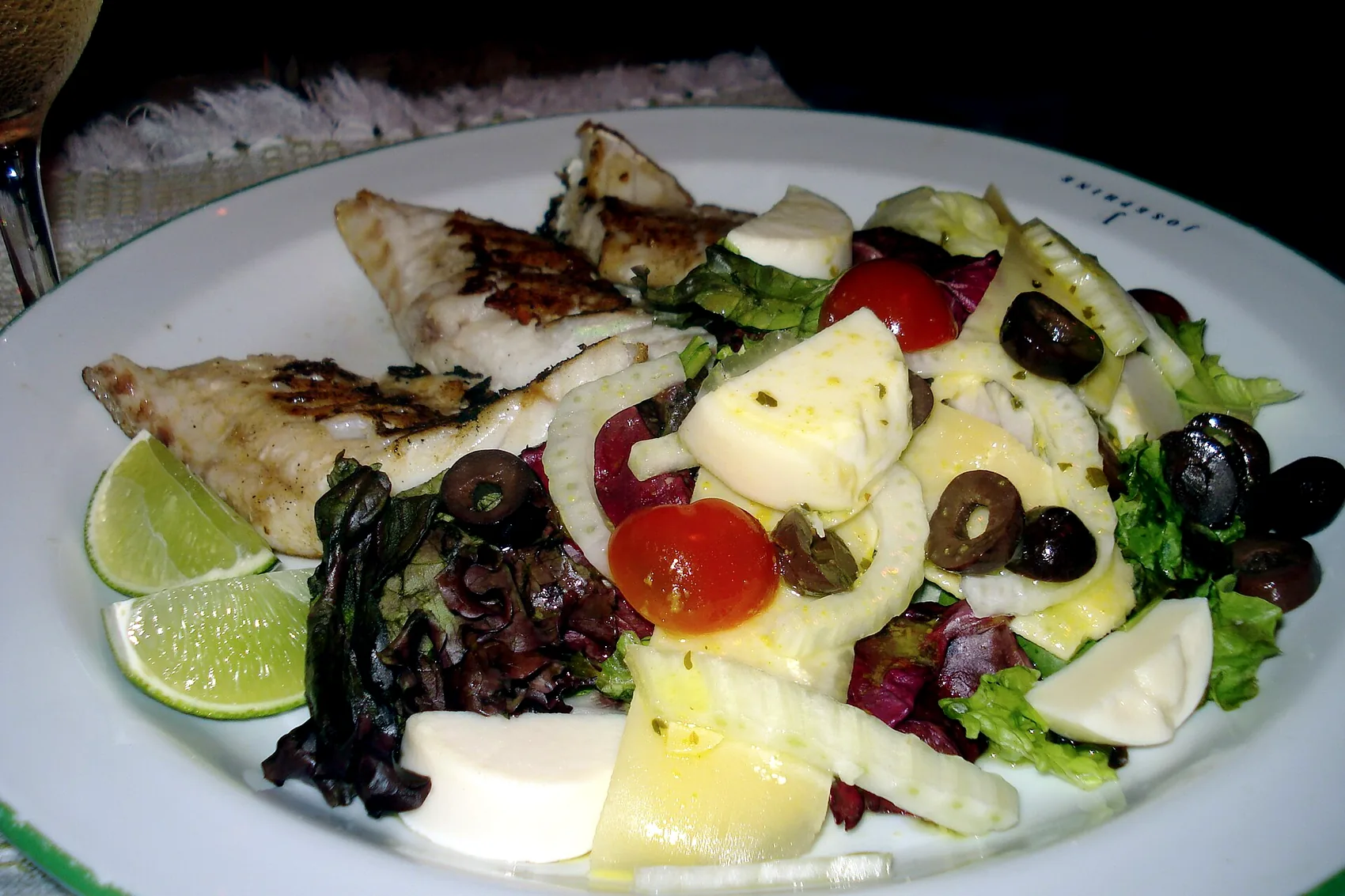
Paraty's UNESCO Creative City of Gastronomy status is not a marketing line the tourist board invented. The town joined the UNESCO Creative Cities Network as a City of Gastronomy in 2017, one of a small number of places worldwide to earn the designation for food specifically, and the recognition was built on something real: a coastal cooking tradition that goes back centuries, a farming and fishing culture still alive in the hills and the bay, and a community of chefs who have chosen to work here rather than in the big cities down the coast.
What the title actually buys you, as a diner, is intent. In a town that has staked part of its identity on food, the good kitchens compete on cooking rather than on view alone. There is an annual gastronomy festival that has run for years and pulls in dozens of chefs, including some of the biggest names in Brazilian cooking, for tastings, dinners and talks. There is a strong current of agroecology and small-farm sourcing behind the plates, so the palm heart, the cassava, the honey and the fruit often come from named producers up the valley rather than from a wholesaler. And there is a genuine pride in caiçara food — the cooking of the coast's traditional fishing communities — that keeps the fine-dining kitchens rooted in place instead of chasing whatever is fashionable in São Paulo.
For a traveller, the practical upshot is that eating seriously well here is possible in a way it simply is not in most beach towns of comparable size. You can have a barefoot fish lunch on the sand at midday and a genuinely considered, multi-course dinner the same night, ten minutes' walk apart. That range is the town's quiet luxury, and it is worth planning for.
What fine dining means in Paraty, honestly
Set your expectations correctly and you will enjoy this far more. Fine dining in Paraty is not the white-tablecloth, hushed-room, tasting-menu-with-tweezers experience of a European capital, and you would not want it to be in a colonial port on a tropical coast. It is its own thing, and understanding the difference is half the pleasure.
First, the honest disclaimer people search for: there are no Michelin stars in Paraty. The Michelin Guide does not cover the town or the Costa Verde, so any list promising you starred restaurants here is simply wrong. What Paraty offers instead is a scene where several kitchens cook at a level that would earn attention anywhere, without the guide's stamp or the prices that follow it. If your idea of fine dining is tied to stars, recalibrate; if it is tied to a chef who cares, a short menu that changes with the boats, and a room worth lingering in, you are in exactly the right place.
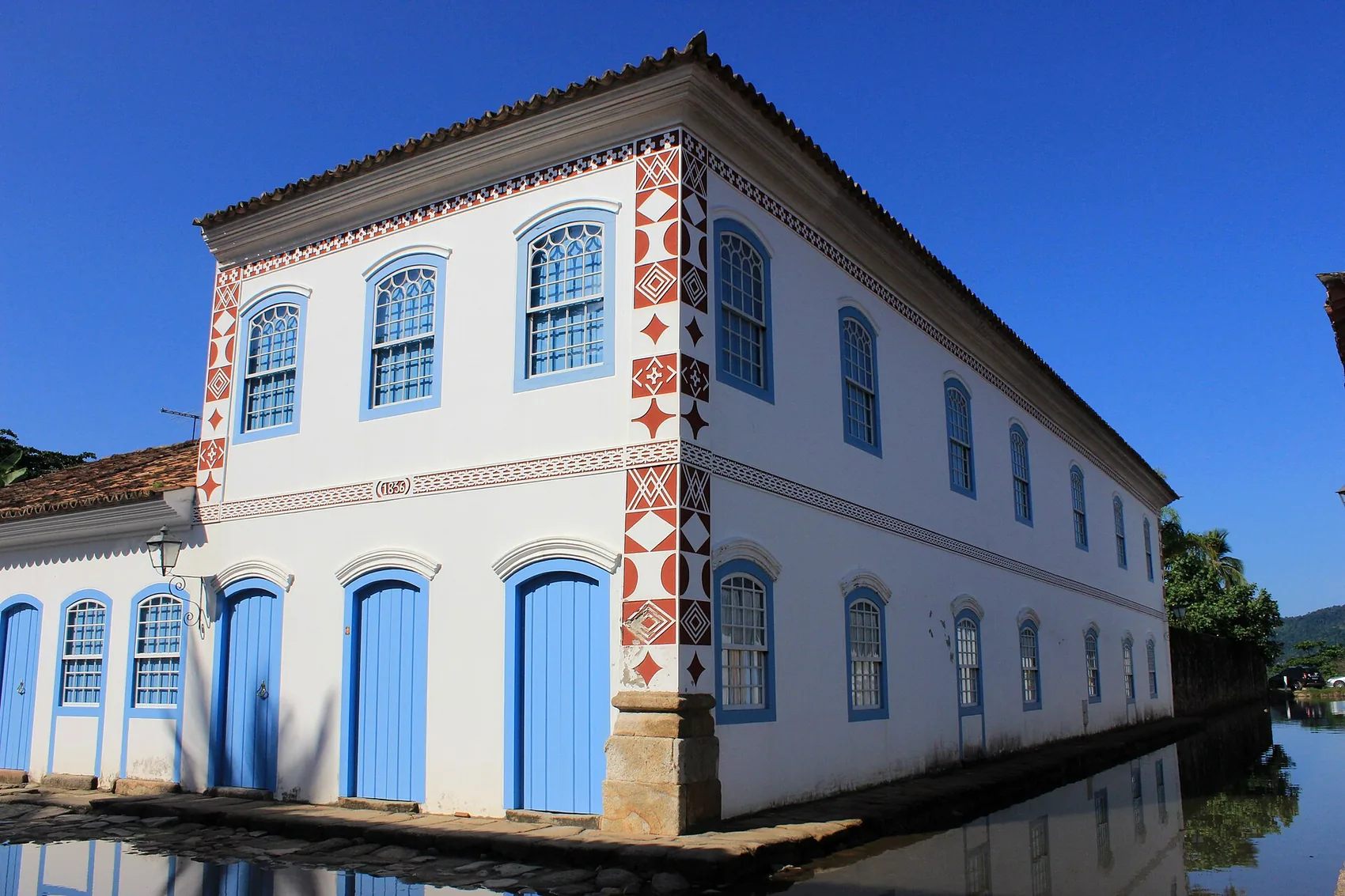
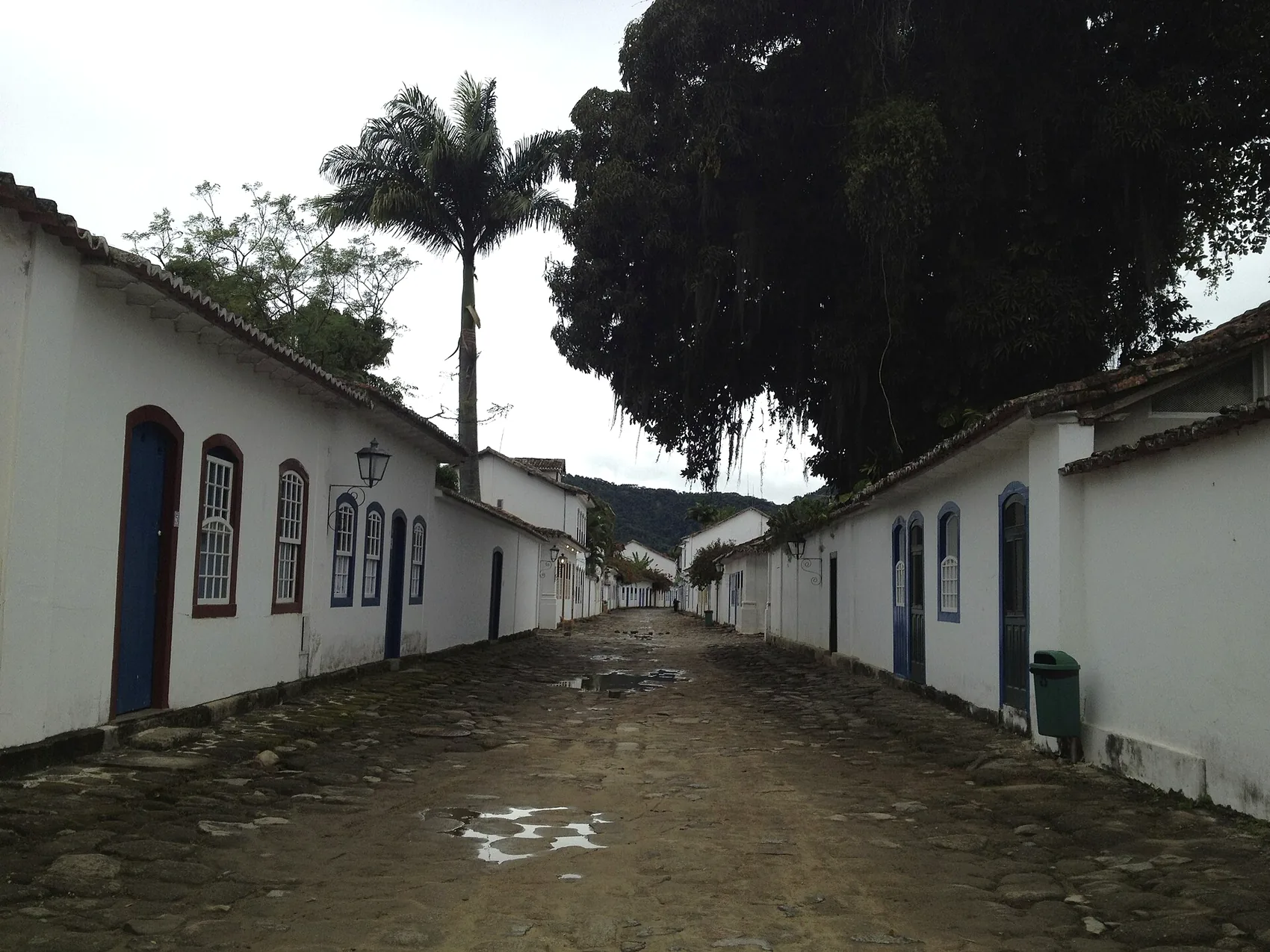
Second, the atmosphere is relaxed by design. The best rooms are small, often set in a restored 18th- or 19th-century house with thick whitewashed walls, a leafy courtyard and candlelight against the stone. Service is warm and personal rather than formal and drilled. Nobody will make you feel underdressed for wearing linen and good sandals, because that is what everyone wears. The luxury here is in the cooking, the sourcing and the setting, not in ceremony.
Third, the value is remarkable. A serious multi-course dinner with wine for two, at the top of the Paraty scene, costs a fraction of the equivalent in Rio, São Paulo, London or New York. This is one of the few places where you can eat at the very top of the local ceiling without the bill that usually implies, which means the occasion dinner you might ration to once a trip elsewhere can happen more than once here.
You can have a barefoot fish lunch on the sand at midday and a genuinely considered, multi-course dinner the same night, ten minutes' walk apart.
The styles of upscale kitchen you will find
The top end of Paraty dining is not one thing. It helps to know the main types before you go, so you can pick the evening you actually want rather than the first pretty door you pass. Broadly, the serious kitchens fall into four families, and the best trips sample more than one.
Contemporary caiçara
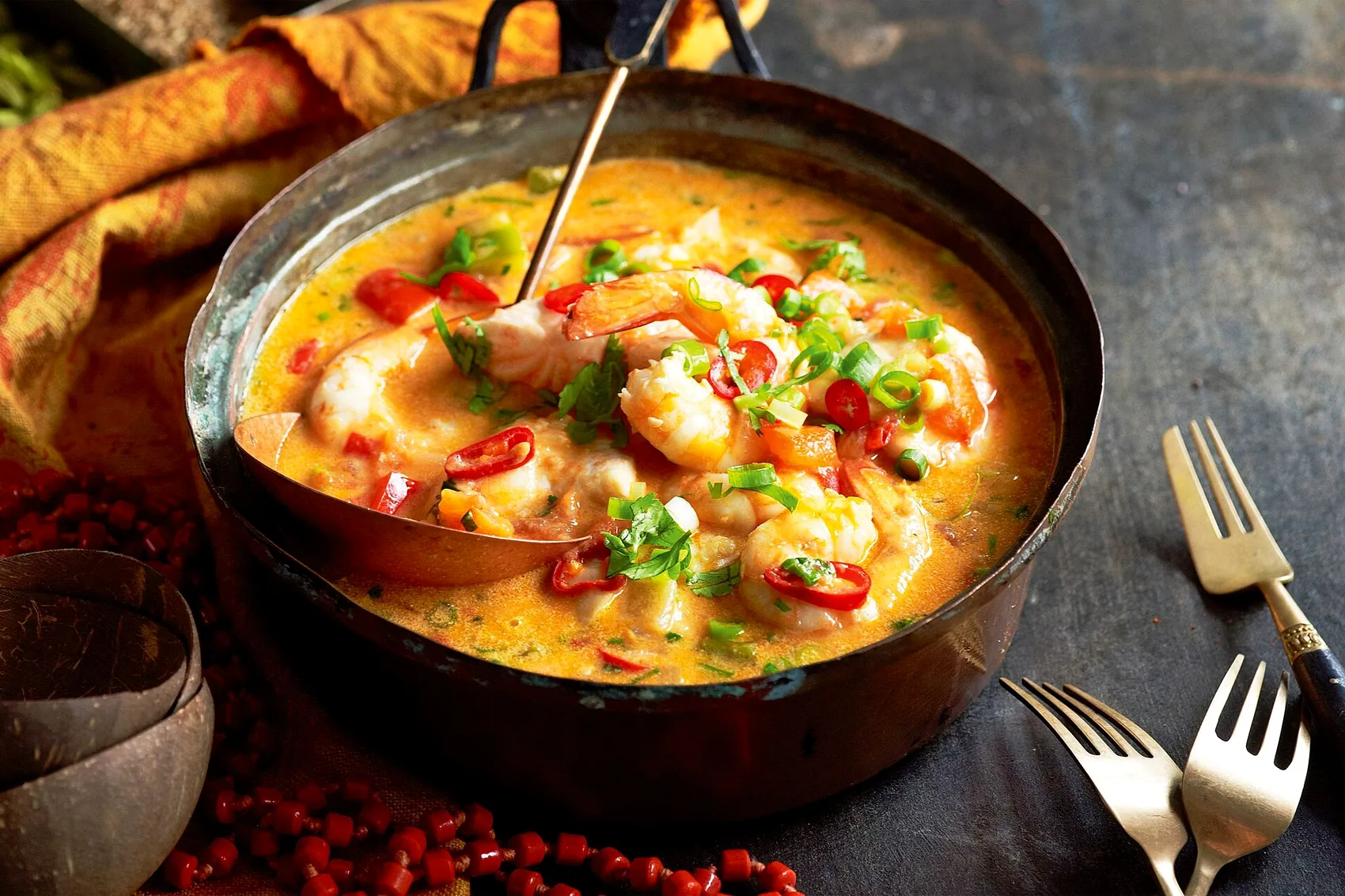
This is the style that most makes Paraty worth a dedicated food trip, and the one you cannot easily get elsewhere. Contemporary caiçara kitchens take the everyday coastal cooking of the region — fish, cassava and its flours, palm heart, green banana, tropical fruit, coconut — and refine it with modern technique and plating without stripping out its soul. A moqueca might arrive deconstructed; a humble local fish might be cured, smoked or aged; banana and manioc might appear three ways across a menu. The point is not novelty for its own sake but a chef showing you the depth in food that is usually served plainly. When people talk about Paraty's gastronomy status meaning something, this is what they mean.
Elevated seafood houses
A step from the barefoot beach kitchens are the upscale seafood restaurants, often at the harbour end of town or looking over the water, where the cooking is more polished, the wine list is real, and the daily catch is treated with care rather than just thrown on the grill. These are the places to go when you want the platonic version of the local plate — a perfect whole fish, prawns done properly, a moqueca built for sharing between two — rather than a reinvention of it. Ask what came in that morning and order that; the menus list far more than any kitchen has fresh on a given day.
Modern Brazilian and regional
Some of the strongest kitchens look beyond the coast to the wider Brazilian larder — the beef and cheeses of Minas Gerais just over the mountains, ingredients from the Amazon and the cerrado, techniques from the country's celebrated São Paulo dining scene. These rooms give you a broader, more ambitious tasting of what modern Brazilian cooking can do, with the seafood as one thread among several. They are where a chef with big-city training but a preference for small-town life often lands.
The pousada dining rooms
Do not overlook the restaurants inside Paraty's better small hotels. Several of the town's most considered kitchens sit within a pousada, open to non-guests, cooking a short contemporary menu in a courtyard or a candlelit room that the casual visitor walks straight past. They tend to be quieter, calmer and better for conversation than the busier street-front places, which makes them a natural choice for an anniversary or a first night. If you want a serious dinner without a scene, the pousada dining rooms are often the smart pick.
Chef's tables and tasting menus
The most memorable meals in Paraty tend to be the ones where you hand the decisions to the kitchen. A tasting menu — a fixed sequence of small courses the chef has chosen — is the surest way to see what a serious Paraty cook can really do, and a chef's table, where you eat at or beside the pass and the chef talks you through the plates, is the fullest version of that.
These are not everywhere; only a handful of kitchens run them, and they are the rooms most worth booking ahead. A Paraty tasting menu usually leans hard on the sea and the season, so it will look different in the height of summer than in a cooler, rainier month, and that is the point — you are eating what the boats and the farms are giving up this week. Expect somewhere between five and a dozen courses depending on the kitchen, often with an optional wine or cachaça pairing, and expect it to take the whole evening. Go hungry, go early enough to enjoy it slowly, and do not plan anything demanding afterward.
A chef's table, where a kitchen offers one, is worth seeking out for a special night. Sitting close to the cooking, hearing why a dish is built the way it is, tasting a producer's palm heart or a line-caught fish while the person who sourced it explains it — that is the experience that justifies the word "fine" in fine dining far more than any tablecloth. Because seats are few, these need booking days ahead, sometimes with a deposit, and they reward a little flexibility on the date. If a chef's table is the thing you most want from your trip, tell us early and we will help you line it up; it is exactly the kind of evening we like arranging for guests, and it pairs beautifully with a slow day beforehand at the chalet, saving your appetite by the pool.
Book the tasting menus first. If a chef's table or a set tasting menu is the meal you most want, treat it as the fixed point of your food plans and build the rest of the trip around it — not the other way round. Seats are few, they often need a deposit, and the best nights sell out over holidays and festivals. Lock it in before you shape your boat days.
The ingredients that define the plate
You will enjoy Paraty's better kitchens far more if you recognise what is on the plate and why it matters here. Fine dining in a place like this is, at bottom, a conversation about local ingredients, and a few of them turn up again and again in the serious rooms.
The catch
Paraty still has a working fishing fleet and a fish market on the waterfront, and much of what reaches the good kitchens was landed that morning. On any given day that might mean robalo (snook), a local grouper, dourado, prawns, squid or whatever the bay and the open sea gave up. The mark of a serious kitchen is that it cooks what is fresh rather than promising the whole menu every night — so the short, daily-changing list is a good sign, not a limitation. When a chef's table or tasting menu is built around a single fish that came in hours earlier, you are eating as well as it is possible to eat on this coast.
Cassava, palm heart and green banana
These three are the backbone of caiçara cooking and the ingredients a contemporary kitchen most loves to play with. Cassava (manioc) appears as flour, as farofa, as purée, as crisp; palm heart — the fresh, local kind, a world away from the tinned version — turns up grilled, raw, or standing in for pasta; green banana thickens and enriches dishes in a way that surprises first-timers. Watching a good chef turn these humble staples into something refined is one of the quiet pleasures of eating here, and it is a large part of what the UNESCO gastronomy label is really pointing at.
Cachaça, honey and tropical fruit
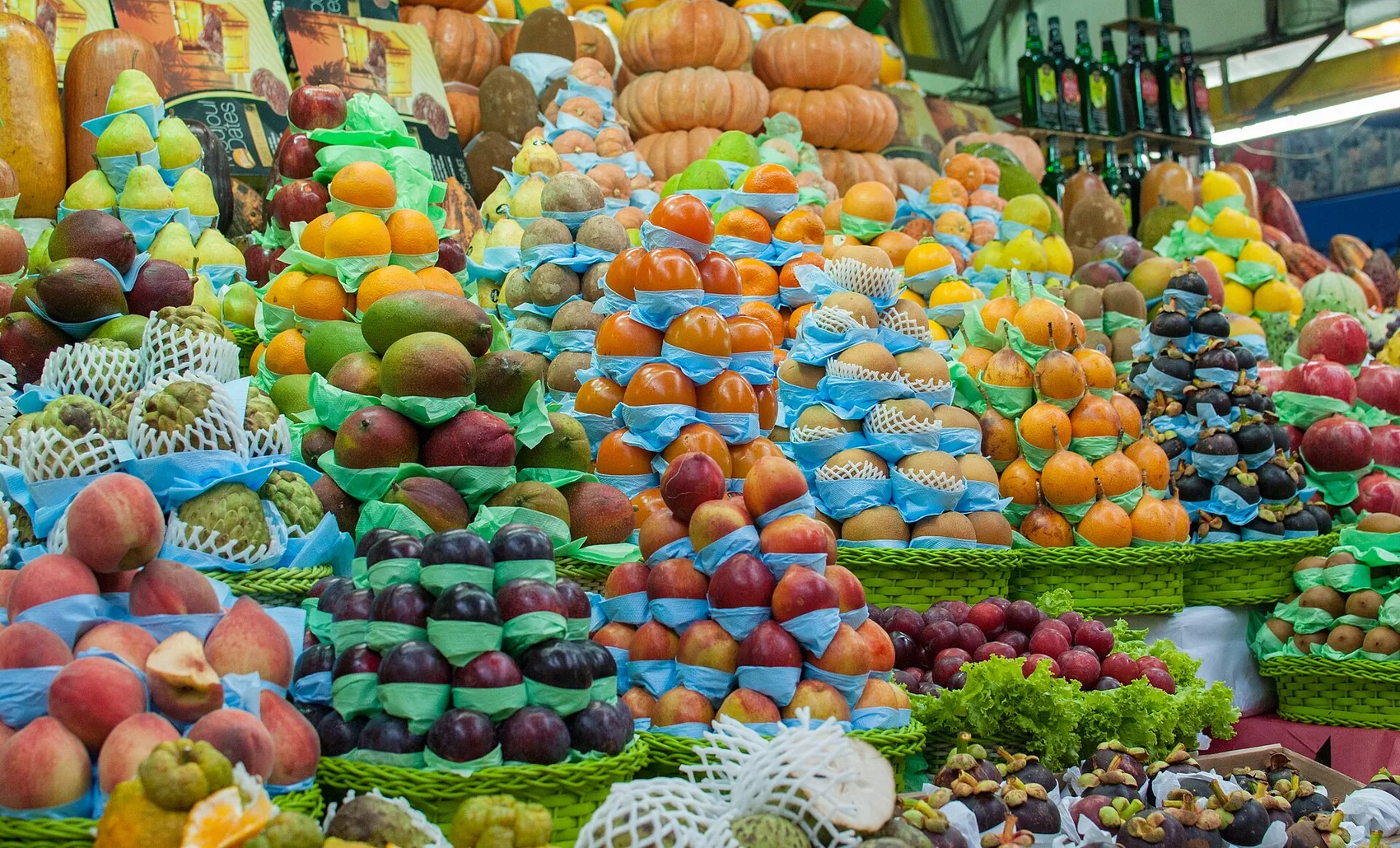
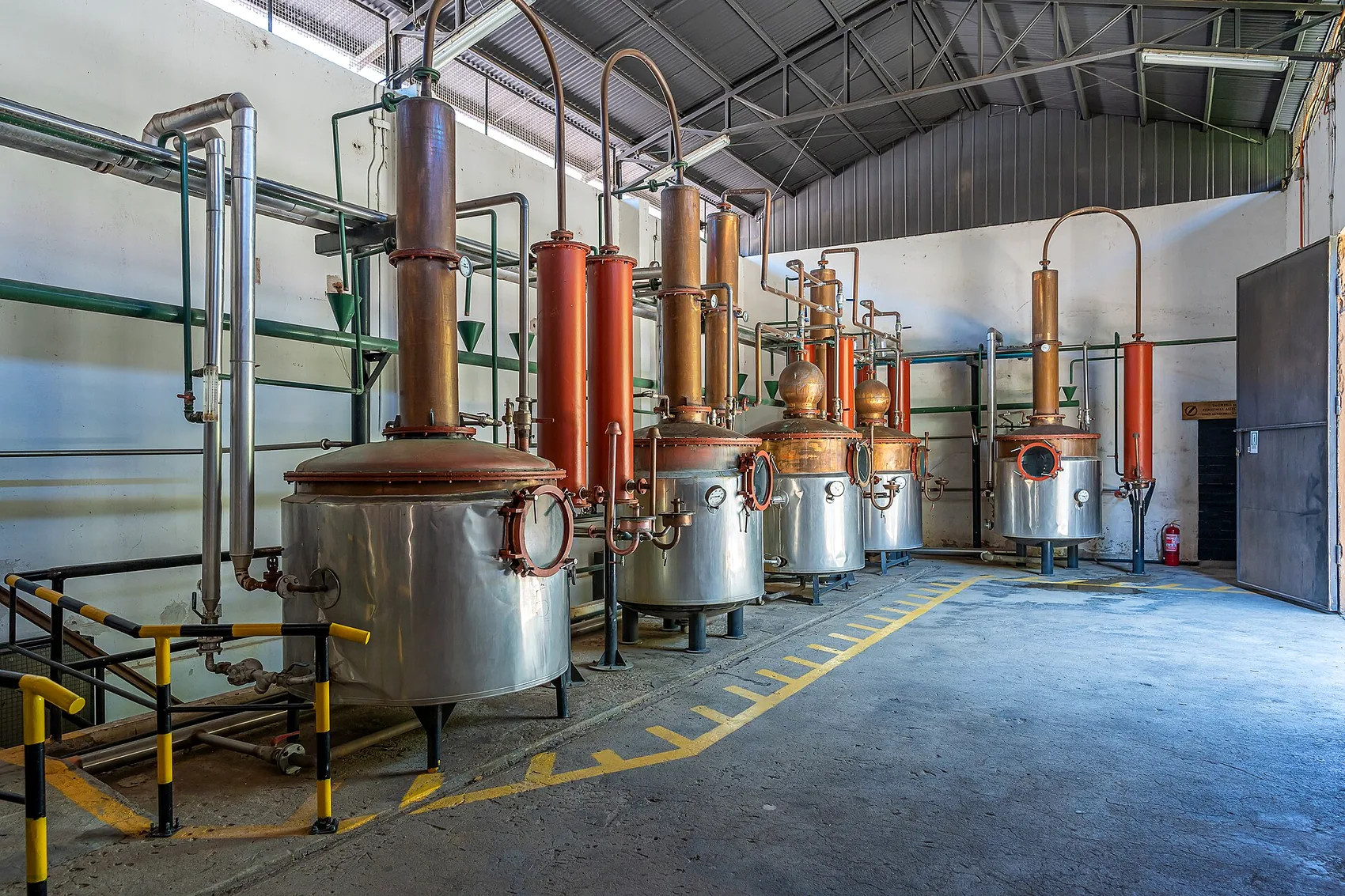
The town's artisanal cachaça, distilled in the hills behind Paraty, runs through the food as well as the glass — in sauces, in cures, in desserts, in the caipirinhas that open a meal. So do the tropical fruits and the forest honey of the region. A dessert course at a good Paraty restaurant often reads like a tour of the surrounding valleys. If the distilling side of that story interests you, our cachaça distilleries guide covers a morning up among the alambiques, which pairs neatly with an evening of tasting the spirit at the table.
Wine, cachaça and what to drink with dinner
A serious dinner deserves a serious think about what is in the glass, and Paraty gives you two good directions to go.
Wine
Brazil is not a famous wine country, but the good news for a diner is that the top Paraty restaurants carry proper lists drawn from across South America — strong Argentine and Chilean bottles, increasingly good Brazilian sparkling and southern reds, and a smattering from Europe. Because import duty makes wine relatively expensive in Brazil, a bottle here costs more than the food might lead you to expect, so this is the one place your fine-dining bill can climb. Two useful moves: ask the room to recommend a South American bottle that suits the menu, since the sommelier or owner usually knows their list far better than any label will tell you; and consider ordering by the glass across a tasting menu rather than committing to one bottle, which lets the wine follow the courses. Where a kitchen offers a pairing, it is often the best value and the least stressful choice.
Cachaça at the table
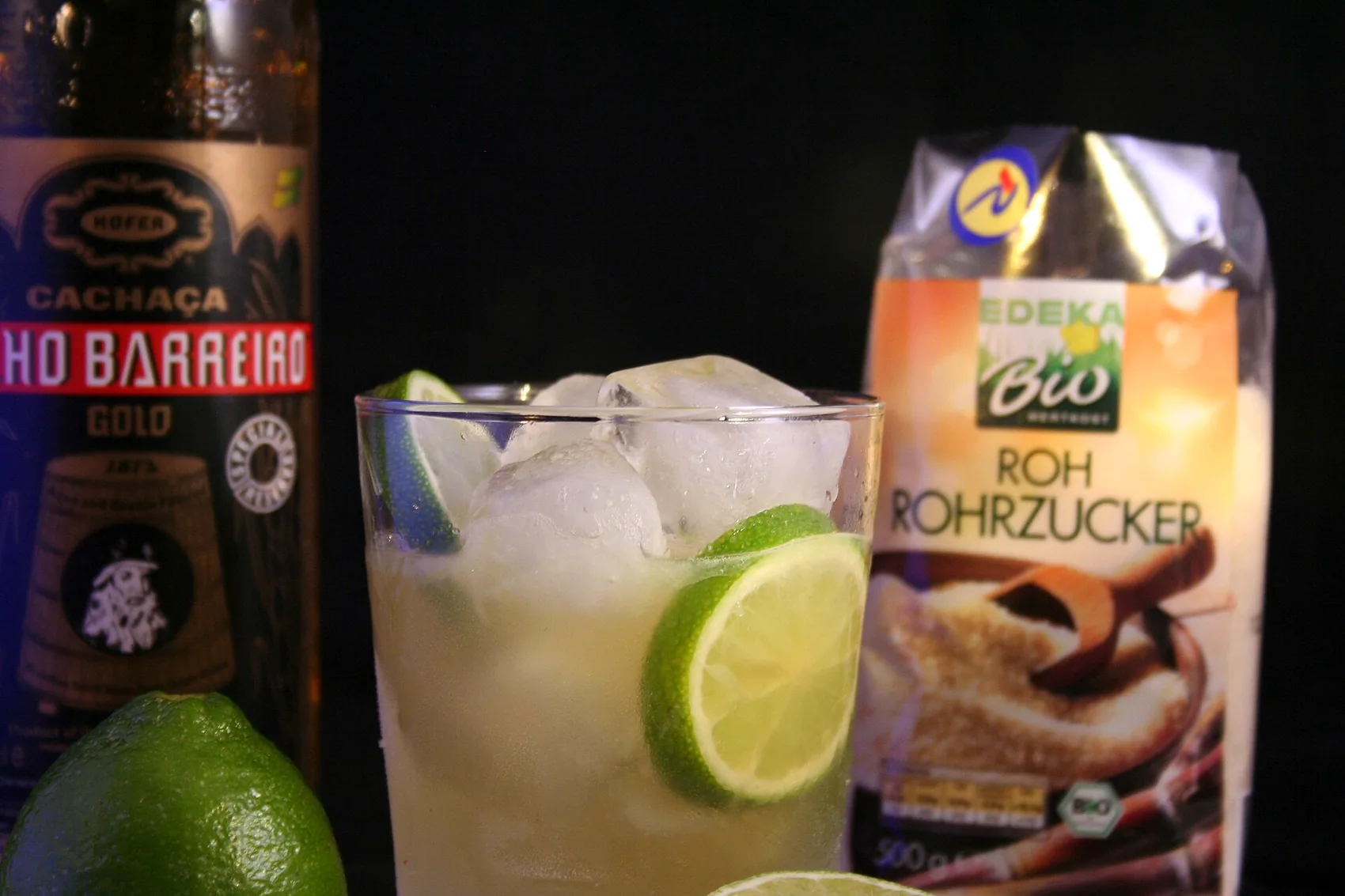
The more distinctive choice, and the one we usually steer guests toward, is to drink the local spirit properly. Paraty makes some of Brazil's finest artisanal cachaça, and a good dinner is the ideal place to take it seriously: a bright white cachaça in a well-made caipirinha to start, and a barrel-aged, sipping cachaça — the kind rested in native woods like amburana — after the meal, in place of a digestif. Some kitchens will build a cachaça pairing or a cocktail flight to run alongside the food, which is a genuinely local alternative to a wine pairing and often more interesting. Ask whether the bar has aged cachaças to sip; the person pouring almost always has a quiet favourite, and it is almost always worth following.
Booking: how to get the table you want
The single practical thing that separates a great Paraty food trip from a frustrating one is booking. The best rooms are small — a dozen tables, sometimes fewer — and the town's popularity has long outgrown its restaurant capacity on peak nights. Here is how to get in.
Reserve ahead for anything at the top. Tasting menus and chef's tables should be booked days in advance as a matter of course. The good à la carte rooms fill on summer weekends, over Brazilian holidays, and during the two events that flood the town: the international literary festival, FLIP, usually in the winter months, and the cachaça festival, typically in August. On those dates, a table you have travelled for is worth locking in as soon as you have your nights.
Off-season and midweek are far easier. Come in a quieter month or on a weeknight and you can often walk into rooms that would be impossible on a summer Saturday. The trade-off is that a few of the smallest kitchens reduce their hours or close midweek in low season, so it is worth confirming the day you want to go rather than assuming.
Language and logistics. Many Paraty restaurants take bookings by phone or messaging app, sometimes only in Portuguese, and some of the best have no slick online system at all. This is exactly where a host earns their keep: we are glad to call ahead in Portuguese, confirm a chef's table, arrange a dietary need or a birthday surprise, and sort a taxi back up the hill afterward. Just tell us what you are hoping for and roughly when, and we will handle the parts that are fiddly from abroad.
From abroad, plan the anchor dinners before you fly. If you are travelling from overseas, the couple of standout dinners are the reservations to secure before you arrive, because they are the hardest to fix last-minute and the easiest to build a day around. Leave the casual lunches loose and spontaneous; pin down the tasting menu and the chef's table. Time zones and Portuguese-only bookings are precisely what a host is for.
When to go for the best dinners
Paraty's kitchens are not equally good all year, and knowing the rhythm helps you plan. The scene is strongest when the town is busiest, because that is when chefs staff up, the daily menus run longest, and the best cooks are actually in their kitchens.
High summer, December to March, is the peak: the fullest menus, the liveliest rooms, the widest choice — and the hardest booking, and the highest prices. This is the season to eat ambitiously if you are willing to reserve everything in advance.
The shoulder months either side are, for many people, the sweet spot for dining: the good kitchens are open, the food is arguably better as the crowds thin, and you can get tables that would be gone in January. A cooler, rainier stretch is no enemy of a great dinner — quite the opposite, since a long tasting menu is the ideal way to spend an evening the bay has turned grey. That is one reason a serious dinner features in our rainy-day Paraty guide.
Festival dates are a special case. FLIP, the literary festival, and the August cachaça festival both bring an influx of chefs, pop-up dinners and special menus, and a real buzz to the historic centre — along with full rooms and booked-out weekends. If you love a scene, aim for them and reserve early. If you want the food without the crowd, come just before or after. Our festivals and events guide and the best-time-to-visit guide lay the calendar out in full.
Dining for a special occasion
A great many of our guests come to Paraty to mark something — an anniversary, a honeymoon, a milestone birthday, a proposal — and the town's dining is one of the best tools you have for making a night of it. A few things are worth knowing if the dinner has to be special rather than merely good.
Choose the room for the mood, not just the food. For a romantic anniversary, a small candlelit courtyard in a colonial house or a quiet pousada dining room beats a busy street-front restaurant, even if both cook well. For a celebration with friends or family, a livelier seafood house with a big shared moqueca in the middle of the table is the better call. Tell us which of these you are after and we will steer you accordingly.
Tell the kitchen in advance. Paraty's restaurants are warm and personal, and a good one will happily mark an occasion — a written dessert, a glass of something on arrival, a quiet table in the corner — if they know it is coming. This is the kind of small arrangement that lands far better made a few days ahead in Portuguese than sprung on the night, and it is one we are glad to set up for guests.
Think beyond the restaurant. The most memorable celebration meals are not always in a dining room at all. A private chef cooking a tasting menu at the chalet — seafood carried up from the market that morning, dinner served on the deck as the light goes down over the triple bay view — is, for many couples, the evening they remember most. It turns the meal into the whole event, with no drive home and the pool waiting afterward. If you are planning something larger, our guides to honeymoons in Paraty and celebrations and weddings go deeper, and a private-chef dinner is one of the easiest good nights we help guests arrange.
What it costs, and how tipping works
Money is worth being plain about, because it is one of the happier surprises of eating well here. By the standards of fine dining anywhere else, Paraty is a bargain.
A considered multi-course dinner for two with a bottle of wine at a top Paraty restaurant lands well below what the same experience costs in Rio or São Paulo, and a long way below Europe or North America. A full chef's table tasting menu — the most expensive thing you can order in town — is still gentle by international standards. The one line that can push a bill up is wine, because import duty makes bottles relatively pricey; the food itself is the good value. Drink the local cachaça and a South American wine by the glass and your bill stays very reasonable indeed.
Two charges will appear that visitors from abroad sometimes query. The first is the couvert: a small paid starter — bread, spreads, olives — brought to the table before you order. It is optional and it is charged, so if you do not want it, simply wave it away. The second is a service charge of around ten percent added to the bill, which stands in for a tip; you are not expected to add more on top, though rounding up for exceptional service is always welcome. For the fuller breakdown of these customs, the Paraty food guide spells them out.
How to order well at the top end
You do not need any expertise to eat well here, but a few habits will get you a noticeably better meal, especially in the serious kitchens.
- Ask what is fresh today. The best kitchens run on the day's catch, and the menu lists more than they actually have. "What came in this morning?" is the most useful question you can ask, and it tends to delight the person answering it.
- Take the tasting menu when it is offered. If a kitchen has gone to the trouble of building a set menu, it is showing you its best thinking. Unless you have a firm reason not to, let the chef drive.
- Share the big dishes. A moqueca and many of the seafood platters are built for two. Order one to share and something else each, rather than one heavy dish per person, and you will eat better and taste more.
- Trust the room on the wine. With import quirks and a South-America-heavy list, the owner or sommelier usually knows what over-delivers far better than any label. Give them a price and a preference and let them choose.
- Go late, and slow. Brazilians eat late; dinner rarely gets going before eight, and the good rooms are built for a long evening. Book for later than you think, and do not schedule anything demanding afterward.
- Flag dietary needs when you book. Small kitchens are flexible if warned. Vegetarian, allergy and other needs are much easier to accommodate a few days ahead than on the night — another thing we are happy to arrange in Portuguese.
The best kitchens run on the day's catch, and the menu lists more than they actually have. "What came in this morning?" is the most useful question you can ask.
Fitting fine dining around the rest of your trip
A great dinner is better when the day around it is built to earn it, and Paraty makes that easy. The natural rhythm here is active and outdoors by day, indulgent by night: a boat out into the bay, a beach, a hike or a swim in a forest waterfall while the sun is up, then a long, considered dinner in the historic centre after dark. Save your ambitious meals for the evenings and keep lunch light and casual, and both ends of the day are better for it.
If you are pacing a longer stay, spread the standout dinners rather than stacking them — a tasting menu one night, a relaxed seafood house another, a private chef at the chalet a third, with simpler meals in between so your palate and your appetite stay fresh. Our three-day Paraty itinerary and luxury long-weekend guide show how the dinners slot around the boats and beaches, and the wider complete guide to Paraty ties the whole trip together. When you want to plan the boat side of it, our boat days page and the explore section lay out the days on the water that a good dinner rewards.
There is also a real pleasure specific to staying above the town. From the ridge where we host, you look down over the bay, the islands and the valleys that fill your plate — the water the fish came from, the hills the cachaça and palm heart came from. Coming back up after a long dinner to a quiet chalet, a nightcap on the deck and a swim in the pool under the stars is a different and better end to the evening than a room in the middle of a busy street. It is a short drive down to dinner and a short drive back to somewhere still.
Dress, timing and practicalities
A few loose ends that come up often, gathered in one place.
What to wear
Smart-casual, everywhere. Paraty has no jacket-and-tie culture, and even the best rooms are relaxed. A linen shirt, a summer dress, clean trousers, a decent pair of sandals — you are dressed for anywhere in town. Leave the beach shorts, swimwear and flip-flops for daytime. One genuinely practical note: the historic centre's streets are large, uneven cobblestones that flood at high tide, so choose shoes you can actually walk in over the stones, in the dark, possibly through a little seawater. Our packing guide goes into this in more detail.
Getting there and back
The historic centre is pedestrianised and best explored on foot, so plan to park or be dropped at its edge and walk in. For a dinner in town from up the hill, a taxi each way is the simplest answer — you are not driving after wine or cachaça, and the roads back up are dark and winding. We can arrange a car to take you down and collect you, which for a special dinner is worth doing so nobody has to think about the drive. Our getting-around guide covers taxis, transfers and the walk into the centre.
Timing your evening
Kitchens open for dinner from around seven, but the town eats late and the rooms come alive after eight or nine. Book for later than feels natural at home, arrive unhurried, and treat the meal as the evening rather than a stop before something else. If you want a drink first, the bars and the caipirinha spots of the historic centre are a short stroll from most restaurants; our nightlife and bars guide maps out where to start and where to end up.
Who this is for, and who it is not
It is worth being honest about fit, because fine dining is not the right lens for every Paraty trip. If you have come for barefoot beach lunches, a cold beer with your feet in the sand, and grilled fish eaten with your fingers, you can have a wonderful time here and skip almost everything above; the general food guide is your page, not this one. There is no snobbery in it — a perfect simple fish on the sand is one of the great meals Paraty offers.
Where this guide earns its place is for the travellers who plan a trip partly around the table: the couple marking an occasion, the food-curious visitor who reads menus for fun, the group that wants one big blow-out dinner in a week of easy ones, the honeymooners who want the meal to be an event. For them, Paraty over-delivers, because it offers a level of cooking that its size and its beach-town looks do not advertise, at prices that make saying yes easy. If that is you, build one or two serious dinners into the trip deliberately, book them early, and let the rest of the days stay loose.
Families are not left out, either. Paraty's fine-dining rooms are warmer toward children than their equivalents elsewhere, and an early tasting menu or a shared seafood feast can work well with older kids who are up for it; our Paraty with kids guide has more on eating out as a family. Solo travellers, too, will find the bar seats and open kitchens of the better rooms an easy, friendly place to eat alone.
A sample food evening, start to finish
To make it concrete, here is the shape of a good fine-dining night in Paraty, the way we would set one up for a guest who wanted the full version.
- Late afternoon at the chalet. A swim, a rest, a light snack so you arrive genuinely hungry rather than starving or full. Save the appetite; a tasting menu is long.
- A drink in the historic centre first. Down the hill by taxi, a caipirinha built with proper local white cachaça at a bar in the cobbled streets as the light goes, to open the evening slowly.
- Dinner, booked days ahead. A chef's table or tasting menu at a small kitchen — five to a dozen courses built on the day's catch and the season's produce, with a wine or cachaça pairing, taken at the pace it deserves.
- An aged cachaça to close. In place of a digestif, a barrel-rested sipping cachaça — amburana if you liked it at a distillery — neat or over one big piece of ice.
- Back up the hill. A car collects you, and the evening ends where it should: a nightcap on the deck, the bay dark below, a last swim in the pool under the stars, and no drive to think about.
That is the version worth travelling for, and none of it is hard to arrange with a little notice. The bookings, the driver, the private chef if you would rather bring the kitchen to you — those are the pieces we are glad to put together, and they are what turn a good dinner into the night you talk about afterward.
The last word
Fine dining Paraty is one of the town's genuine surprises. A place this size, with this much beach and this many boats, has no obligation to cook at the level it does, and yet its best kitchens — the contemporary caiçara rooms, the elevated seafood houses, the quiet pousada dining rooms, the handful of chef's tables — hold their own against far bigger cities, at a fraction of their prices, in settings those cities cannot match. The UNESCO gastronomy title is not a boast; it is a fair description of a town that decided its food was worth taking seriously.
Take it seriously in return. Book the standout dinners before you arrive, especially from abroad; drink the local spirit and a good South American wine; ask what came in this morning; go late and eat slowly; and give at least one evening of your trip over entirely to the table. Do that from a base above the town — a quick drive down to dinner, a quiet chalet and an infinity pool to come home to over the triple bay view — and Paraty feeds you as well as anywhere in Brazil. When you are ready to plan it, ask us, and the complete guide to Paraty will tie the food into the rest of the trip.
Come stay above the bay
Chalé Bel Air sits on the ridge that looks over everything in this guide. Tell us your dates and what kind of trip you are after — we answer personally.
Ask about your datesFrequently asked questions
Where is the best fine dining in Paraty?
The highest-end kitchens cluster in and just around the historic centre, in restored colonial houses and a handful of pousada dining rooms, with a few standout tables out along the coast and up in the hills. We deliberately describe them by type rather than by name, because the chefs and rooms at the top of the town move around, but the pattern is stable: look for the contemporary caiçara kitchens and the seafood houses that print a short, daily menu. Ask us the week you arrive and we will point you at whoever is cooking best right now.
Does Paraty have Michelin-starred restaurants?
No. The Michelin Guide does not currently cover Paraty or the wider Costa Verde, so there are no starred restaurants here, and any list claiming otherwise is mistaken. What Paraty has instead is UNESCO Creative City of Gastronomy status and a serious contemporary-Brazilian scene. Several of its chefs would hold their own in São Paulo or Rio; the town simply sits outside the guide’s map.
Do I need a reservation for fine dining in Paraty?
For anything at the top end, yes, especially in high summer, over holidays and during festivals like FLIP and the cachaça festival. The best rooms are small, and chef’s tables and tasting menus almost always need booking days ahead. Off-season and midweek you can often walk in, but a dinner you have travelled for is worth securing in advance. We are glad to make the call in Portuguese for guests.
What is caiçara cuisine?
Caiçara cooking is the food of the traditional fishing communities of Brazil’s southeast coast, blending Indigenous, Portuguese and African techniques. It leans on the day’s catch, cassava and its flours, palm heart, green banana and tropical fruit. In Paraty’s best kitchens this everyday coastal cooking is refined into contemporary tasting menus without losing its roots.
How much does a fine-dining dinner in Paraty cost?
Far less than the equivalent in São Paulo, Rio or Europe. A serious two-person dinner with wine at a top Paraty restaurant is usually a fraction of a big-city tasting menu, and a multi-course chef’s table is still gentle by international standards. Budget for a couvert charge brought before you order and a service charge of around ten percent added to the bill; both are normal and the service charge stands in for a tip.
What should I wear to a fine-dining restaurant in Paraty?
Smart-casual, always. Paraty is a beach and colonial town with no jacket-and-tie culture, so a linen shirt, a summer dress, clean trousers and decent sandals will take you anywhere. Skip beach shorts, swimwear and flip-flops at dinner. The cobblestones are uneven and often wet at high tide, so choose shoes you can actually walk in.
When is the best time to eat well in Paraty?
The kitchens are strongest when the town is alive: the summer season from December to March, the festival dates, and busy holiday weekends, when chefs staff up and the daily menus are longest. The trade-off is that you must book. Shoulder months are quieter and easier, though a few of the smallest rooms keep reduced hours or close midweek in low season, so it is worth checking the day you want to go.


.jpg)