Paraty sits at the bottom of a sheltered, island-scattered bay, which makes it one of the calmest, most forgiving places in Brazil to pick up a paddle, and this is the honest guide we give guests before they get on the water.
There is a particular kind of quiet you only get on the water under your own power. No engine, no music, no schooner crowd, just the drip off the paddle and the sound of the forest coming down to the shoreline. Paraty is one of the easiest places in Brazil to find that quiet, because the town sits at the bottom of a deep, sheltered bay broken up by islands, and that geography turns the sea into something closer to a lake for much of the morning. If you have ever wanted to try sea kayaking or stand-up paddle but been put off by the idea of surf, chop and open water, this is the coast to start on. This is our honest, host's guide to kayak and SUP in Paraty: where to go, how to read the conditions, when to take a guide, and how to do it with children.
We should say up front that we are not a paddle-sports operator and we are not going to send you off with false confidence. The sea is still the sea, even a calm one, and the difference between a lovely morning and a frightening one usually comes down to wind, tide and timing rather than skill. So this guide is as much about judgement as it is about places. We will tell you which water is genuinely forgiving, where the mangroves and the Mamanguá fjord reward a slow paddle, when to rent and when to hire a guide, and the honest trade-offs of each. The good news is that Paraty gives beginners a lot of margin for error, more than almost anywhere else on the Brazilian coast.
We host on the ridge above all of it, a hillside chalet with an infinity pool and a triple view down over the Bay of Paraty, Angra dos Reis and Ilha Grande, and paddling is the activity guests come back from looking the most pleased with themselves. There is something about having moved across the water on your own that a boat day does not quite give you. You come up the hill salty and tired, drop your things, and slide straight into the pool with the bay laid out below you. What follows is the conversation we have on the terrace the evening before, written down. For the wider trip around it, our complete guide to Paraty sets the scene.
Why Paraty is made for a paddle
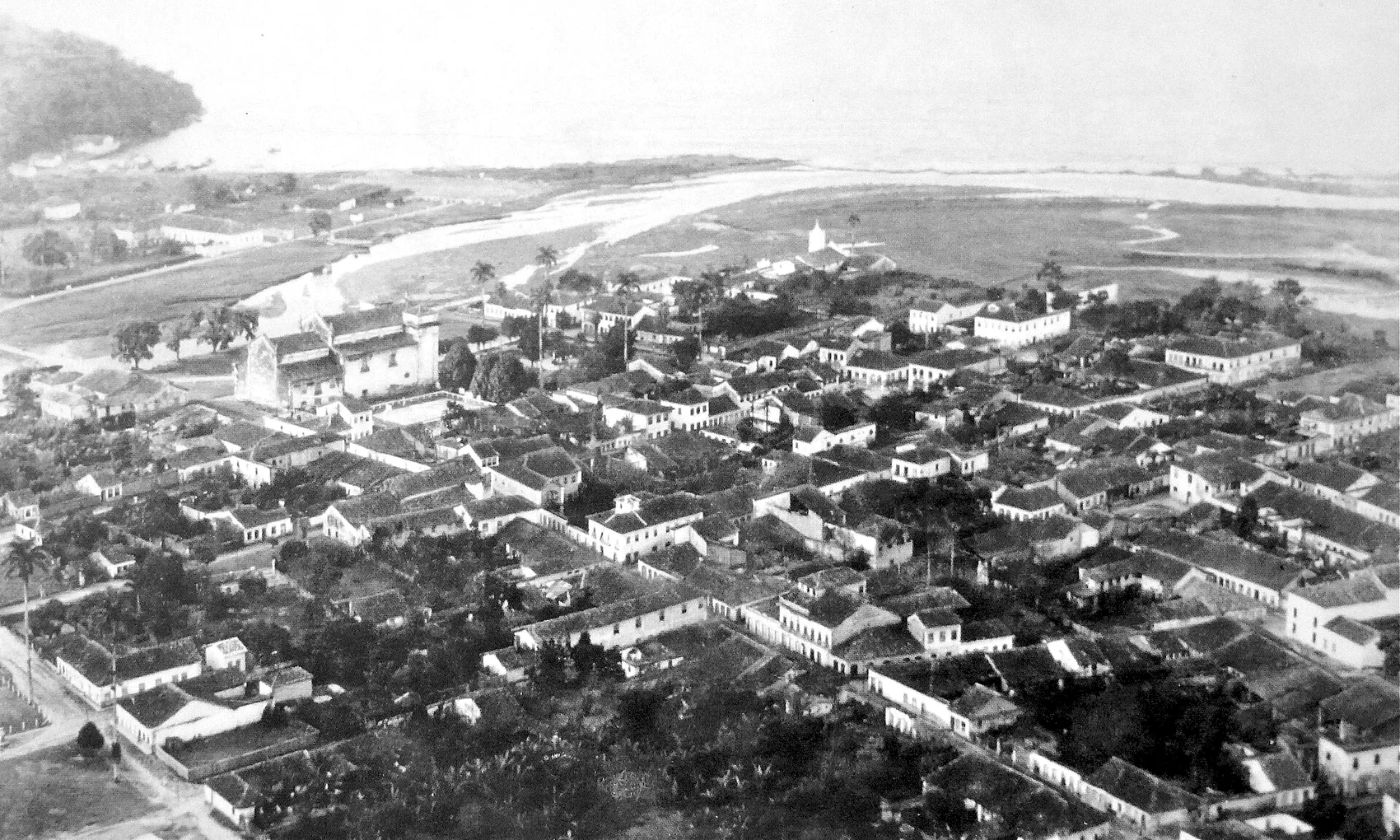
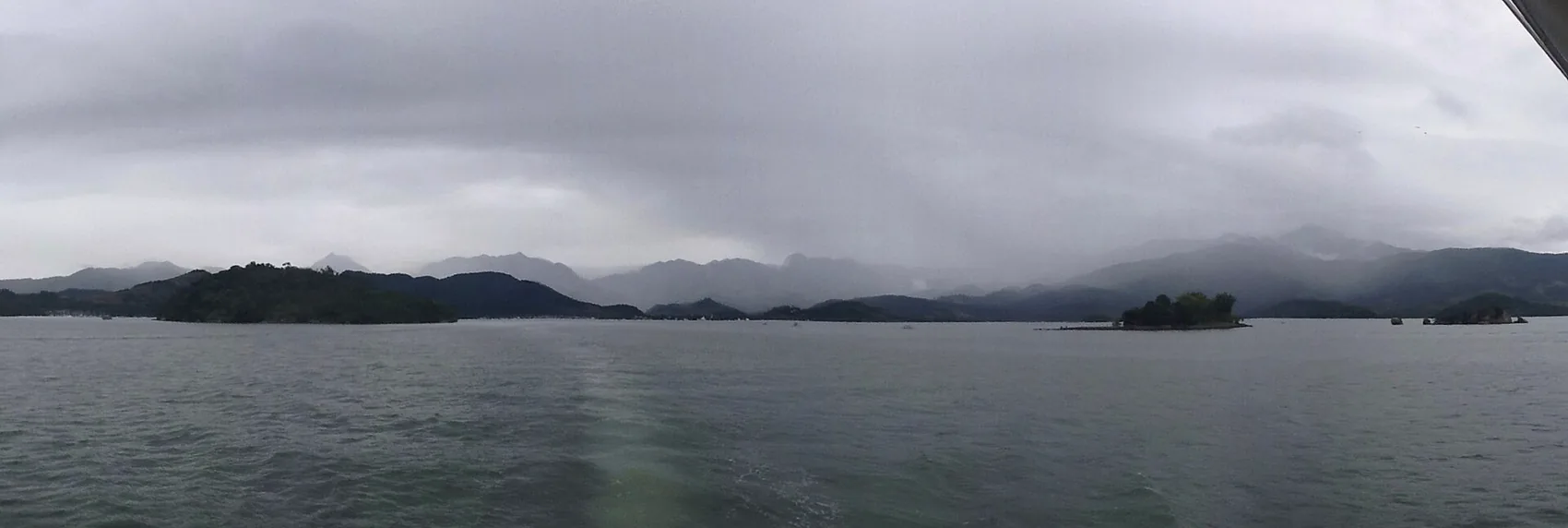
Before any single route, it helps to understand why kayak and SUP in Paraty works so well, because the reason is geography, not marketing. Paraty sits at the head of a large, protected bay on Brazil's Costa Verde, the green coast between Rio de Janeiro and São Paulo, where the Serra do Mar mountains fall almost straight into the sea. That collision of steep forest and calm water gives you two things a paddler wants above all else: shelter and interest. The islands and headlands break up the swell, so the open Atlantic rarely reaches you as anything more than a gentle ripple, and the same folded coastline gives you an endless supply of coves, channels, beaches and mangrove mouths to poke into.
Compare that to a straight, exposed beach where the wind has a clear run and the waves dump on the sand, and you can see why the bay is so forgiving. On a settled morning, large stretches of the Bay of Paraty are close to flat, warm, and shallow enough near shore that a capsize is an inconvenience rather than a drama. The water is warm year-round, so you are not fighting cold, and there is almost always a beach or a rock to rest on within easy reach. For a first-timer, a nervous swimmer, or a family, that combination is rare and valuable. It is also why Paraty and the neighbouring Mamanguá fjord have a real reputation among sea kayakers, not just as pretty places to float but as genuinely good paddling water.
The other thing worth saying is that the bay rewards slowness. A schooner covers a lot of water and shows you three or four beaches in a day, which is wonderful, and we send plenty of guests off on exactly that; our guide to boat days from Paraty covers it. But an engine skims the surface. A paddle lets you go where the boat cannot, into the shallow mangrove channels, along the quiet fringe of an island, into a cove barely a boat-length wide, at a pace where you actually notice the herons and the crabs and the way the light moves under the surface. The two ways of seeing the bay are complementary, and the best Paraty weeks include both.
Kayak or paddleboard: which to choose
The first practical question is which craft to get on, and the honest answer is that it depends on the day and on you. Both are widely available to rent around Paraty, and neither is difficult, but they suit different moods and different water.
The sea kayak
For most people, most of the time, a sit-on-top kayak is the easier and more capable choice. You sit low, your centre of gravity is down near the water, and it takes real effort to tip one over, which is exactly what a beginner wants. A sit-on-top is stable enough to relax in, forgiving of clumsy technique, and if you do come off it is trivial to climb back on. A double kayak lets a stronger and a weaker paddler share the work, or an adult carry a child, and it is our default recommendation for a family. Kayaks also carry more gear, cope better with a bit of wind and chop, and cover distance more efficiently, which matters the moment you want to go somewhere rather than just potter about. If your plan involves the mangroves, a longer crossing, or anything beyond a short outing off the beach, the kayak is the tool.
The stand-up paddleboard
The paddleboard, or SUP, is the more playful and the more social of the two, and on genuinely calm water it is a joy. Standing up gives you a completely different view; you can see down into clear water and across the surface in a way you cannot from a kayak seat, and there is something meditative about the balance of it once it clicks. The trade-off is that a board is far more exposed to wind, harder in any chop, and less forgiving if you are tired or nervous. Standing means falling in more, which on a warm day is part of the fun rather than a problem, but it makes a SUP a poorer choice for a long crossing or a breezy afternoon. Our rule of thumb: SUP for a short, calm, close-to-shore paddle when the water is glassy, kayak for anything with a destination or any doubt about the wind. Plenty of guests do both across a week and enjoy the contrast.
The Saco do Mamanguá: the tropical fjord
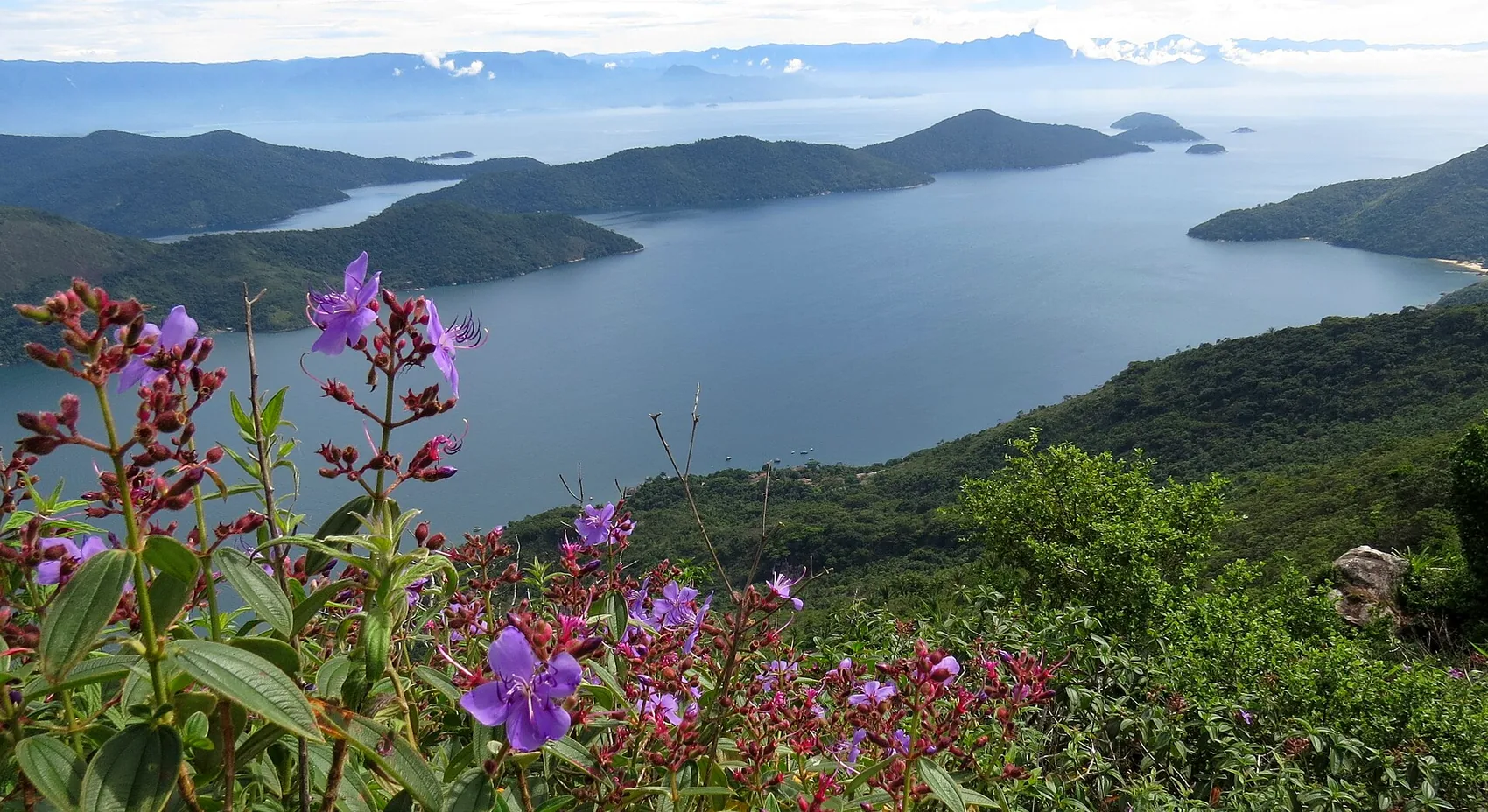
If there is one paddle that defines this coast, it is the Saco do Mamanguá, and it deserves its own long section because nothing else in the area is quite like it. The Mamanguá is a long, narrow arm of the sea that reaches roughly eight kilometres inland between two walls of forested mountain, so sheltered and so shaped that it is often described as the only tropical fjord in Brazil, and one of very few in the world. Whether or not it is a fjord in the strict geological sense, the feeling on the water is unmistakable: still, glassy channels of protected sea running deep into the Serra, with the peaks rising green on either side and small caiçara fishing communities dotted along the shore. It sits inside a protected reserve, it has no through road, and the quiet of it is the whole point.
Because it is so enclosed, the Mamanguá is some of the calmest, most reliable paddling water on the coast, which is why it has a genuine name among sea kayakers. You can explore it as a long guided day trip, launching from the water near Paraty-Mirim, or, better if you can spare the time, stay a night or two at one of the simple places along the fjord and paddle at dawn and dusk when the day-trippers have gone and the water is at its most perfect. For how the Mamanguá fits a longer stay, our guides to how many days to spend in Paraty and the seven-day Costa Verde itinerary both make room for it.
The mangroves
At the head of the fjord lies the reason many paddlers come: the largest mangrove in the region, a maze of roots, channels and still water where the forest meets the sea. A mangrove is not much to look at from a distance, a low green tangle, but slipping into it in a kayak is one of the quiet marvels of this coast. The engine boats cannot follow you in, so it goes silent, and the place turns out to be teeming: herons and kingfishers, crabs working the mud, small fish flicking through the roots, the whole nursery of the bay concentrated into a shallow, shaded labyrinth. A paddleboard or kayak, moving without noise or wake, is the ideal way to enter it. Go with a guide who knows the channels and, crucially, the tide, because large parts of the mangrove dry to mud at low water and a channel that floats you in on a high tide can strand you on the way out. This is not a place to improvise.
The Pico do Pão de Açúcar
Rising above the mouth of the fjord is a pointed peak the locals call the Pico do Pão de Açúcar, the Sugarloaf, and a classic Mamanguá day pairs the paddle with the climb. The trailhead sits at one of the beaches inside the fjord, and the walk up is short but genuinely steep, essentially uphill the whole way, roughly a couple of hours round trip depending on your pace and how much you stop. It needs no technical climbing, but it can be muddy and slippery after rain, so proper shoes matter. The reward at the top is the view straight down the length of the Mamanguá to the open bay beyond, which is one of the great panoramas of the region and puts the whole shape of the fjord in front of you. Paddle in, climb, paddle out; it makes a full and memorable day. Our guide to hiking around Paraty covers this walk and others in more detail.
The caiçara communities
The shores of the Mamanguá are home to caiçara families, the traditional coastal people of this part of Brazil, who have fished and farmed here for generations. You will pass their houses, their canoes drawn up on the sand, their small chapels and kiosks, and part of the pleasure of paddling the fjord is that it is a living place rather than a scenic backdrop. Some families sell grilled fish and cold drinks, and stopping to eat is a good and respectful way to support the community that keeps the place as it is. Paddle quietly past their beaches, ask before you land where it is not obviously public, and treat the fjord as the working home it is. A good guide will know the families and the etiquette.
Slip into the mangrove in a kayak and the engine boats cannot follow. It goes silent, and then you notice how alive it is.
Reading the conditions: wind, tide and current
This is the section that matters most and the one most rental kiosks will not give you, so read it before you paddle anywhere. Paraty is forgiving, but a forgiving sea still has moods, and knowing three things, the wind, the tide and the boat traffic, is the difference between a good morning and a scare.
Wind is the big one. On this coast the pattern is reliable enough to plan around: mornings are usually calm, glassy even, and the wind builds through the day as the land heats up, often kicking in through the early afternoon and making the water choppy and the paddling hard work. The single best piece of advice in this whole guide is to paddle early. Get on the water not long after breakfast and you will often have the flat, mirror conditions the photos promise; leave it until mid-afternoon and you may be fighting a headwind home. Wind also matters more on a paddleboard than in a kayak, and more the further you are from shelter. If it is already blowing when you set out, shorten your plan.
Tide shapes where you can go. The bay is tidal, and while the range is modest compared to some coasts, it is enough to matter in the shallows, the mangrove channels and the town-edge water. In the mangrove especially, the tide decides whether a channel is a waterway or a mudflat, so time your entry for higher water and get out before it drops. Around the tidal historic centre the water can look muddy on a big incoming tide. When in doubt, ask locally what the tide is doing before you commit to anywhere shallow.
Current and boat traffic are the third factor. In the open bay, currents are usually gentle, but around headlands, river mouths and narrow gaps between islands they can pick up, and a tired paddler pushing against one is how outings go wrong. Give headlands room. And treat the schooners, ferries and fishing boats with respect: you are low, small and hard to see from a wheelhouse, so stay well out of the main channels, cross them quickly and squarely if you must, and never assume a boat has seen you. Wear something bright. None of this is meant to frighten you off; it is simply the sea sense that makes the difference, and once it becomes habit you stop thinking about it.
The one rule that covers most of it: paddle in the morning. On this coast the wind almost always builds through the afternoon. Go out early and you get the flat, glassy water; leave it late and you may be grinding home into a headwind. When we plan a paddle for guests, it is a before-lunch activity, not an after.
Guided trip or rental: how to decide
One of the most common questions we get is whether to simply rent a kayak off a beach or to book a guided trip, and the answer genuinely depends on who you are and where you want to go. Both are easy to arrange in Paraty. Here is how we help guests choose.
When to rent
Rent if you are a reasonably confident paddler or swimmer, you are staying near a calm beach, and your plan is a short, close-to-shore outing: an hour or two pottering along the shoreline, out to a nearby island and back, a sunset paddle off the sand. Kayaks and paddleboards are available by the hour or half-day from beach kiosks and small operators around the bay, they are inexpensive, and the freedom to just go when the water looks good is worth a lot. For this kind of outing you do not need a guide; you need common sense, a buoyancy aid, an eye on the wind and the discipline to stay within easy reach of shore. Tell someone where you are going and when you will be back, and keep it modest the first time until you know how the craft and the conditions feel.
When to take a guide
Take a guide if any of the following is true: you have never really paddled before, you want to reach the Mamanguá or the mangroves, you want to cover real distance, or you simply want someone else reading the wind and tide so you can relax and look around. A good guide brings more than company. They carry the safety kit, they know which coves stay sheltered when the breeze comes up, they read the tide in the mangrove channels so you do not get stranded, and they know the caiçara families and the quiet spots the rental crowd never finds. For the fjord in particular, a guide is not a luxury but the sensible default, because the distances are longer and the consequences of a misjudged tide or a sudden wind are greater. Guided options run from a gentle half-day introduction on calm water right up to multi-day sea-kayak expeditions along the coast for experienced paddlers. Match the trip to your honest ability, not your ambition.
We are happy to help point guests toward reputable local operators when you are staying with us; a quick word before you arrive and we can steer you to the right kind of trip for your group. Just get in touch and tell us who is paddling and what you are hoping for.
Paddling with kids and families
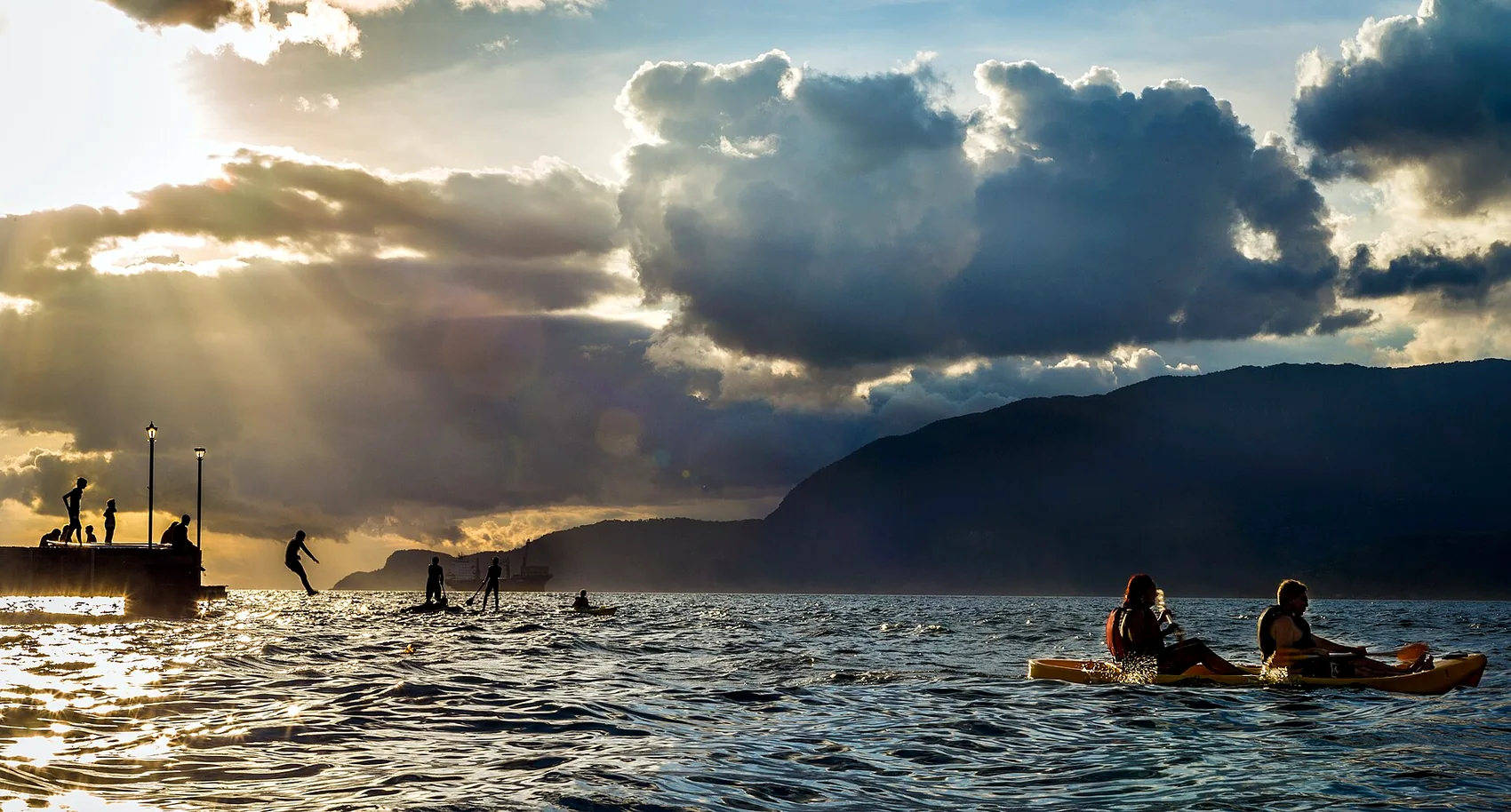
Paddling is one of the best things a family can do together in Paraty, and the bay's calm water makes it realistic even with young children, provided you choose the setting sensibly. The key is to match the water and the outing to the youngest and least confident person in the group, not the most eager.
Start with the craft. A stable sit-on-top kayak, ideally a double, is the family workhorse: an adult does the paddling from the back while a young child rides up front, and if anyone comes off in warm, shallow water it is a giggle rather than a crisis. Slightly older children can have their own small board or kayak within a tight radius of a watchful parent. A paddleboard is fine for a capable older child on flat water, and a small child can sit or kneel on the front of an adult's board for a short, gentle glide. Whatever you choose, a properly fitted buoyancy aid goes on every child, every time, no exceptions, and ideally on the adults too.
Then the setting. Stay on flat, shallow, wave-free water close to shore: the calm town beach at Jabaquara, a sheltered cove, the inner reaches of a protected inlet. Keep the first outings short, twenty or thirty minutes, and build up as everyone gets comfortable; a bored or cold child is the fastest way to end a paddle badly. Go in the morning calm, bring sun protection and water, and pick a launch with an easy beach to land on and a shady spot to regroup. Done this way, a paddle becomes the thing the children ask to do again, and it pairs beautifully with a swim. Our guide to Paraty with kids has more on building a trip that works for the whole family, and the pool back at the chalet is a reliable finale for tired small paddlers.
Where to launch: the practical options
You do not need to go far to get on the water. Here are the launch points guests actually use, from the most casual to the most committed.
The town beaches
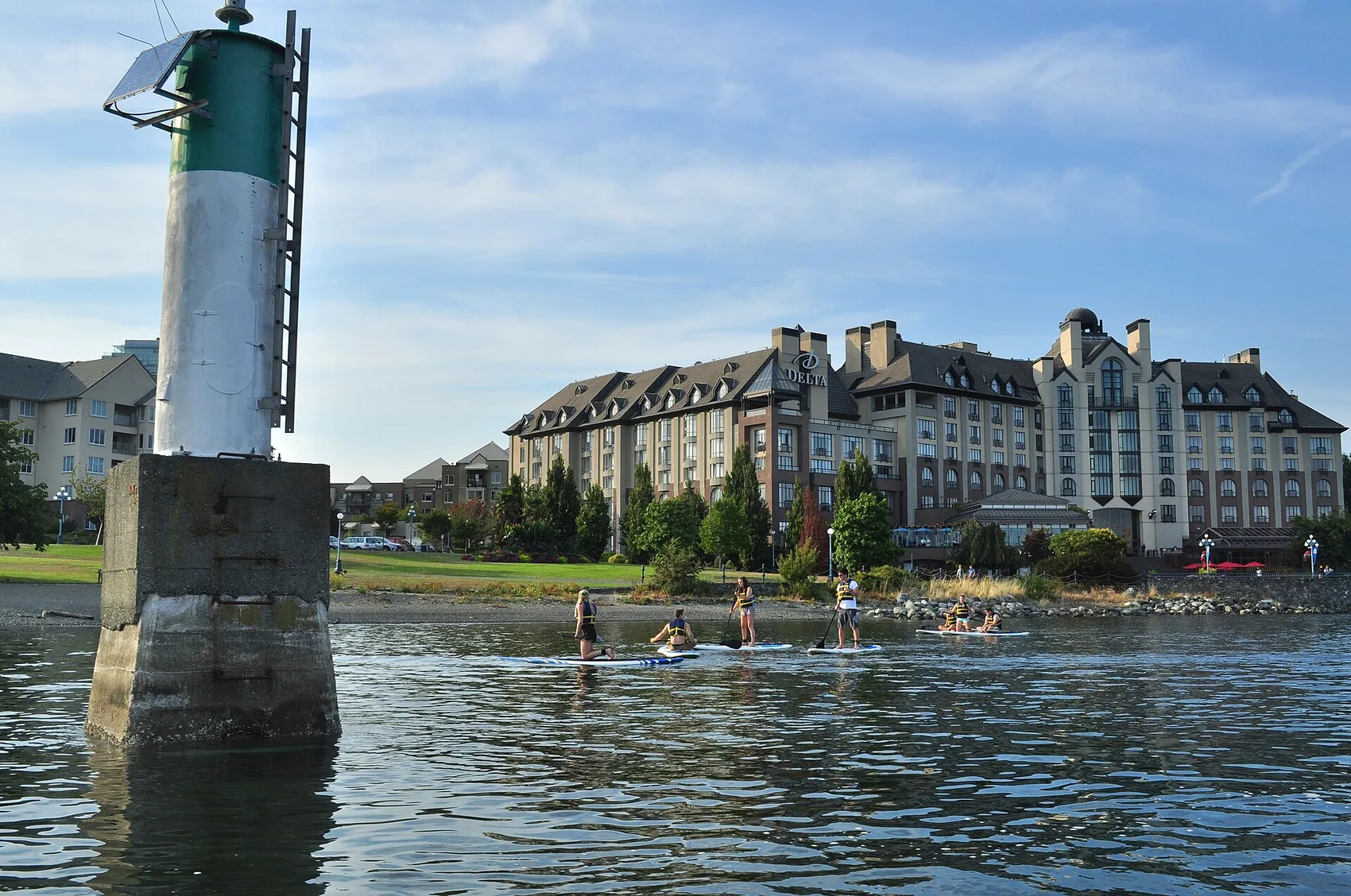
The nearest and easiest option is the town shoreline. Praia do Jabaquara, a short walk or quick taxi from the historic centre, is a broad, shallow, almost wave-free bay that is close to ideal for a first paddle or a family outing, and you can usually rent kayaks and paddleboards right along the sand. There is a small island offshore that makes a natural target and turnaround. Praia do Pontal, closer to town, is more of a social beach than a paddling one, but it works for a short potter. These town launches are the low-commitment choice: no planning, no transport, just walk down and go. For where these sit among the wider coast, see our complete guide to the beaches of Paraty.
The bay and its coves
For something quieter, the sheltered coves and small beaches around the edges of the bay give you calm launches away from the town crowd, and from several of them you can paddle out toward the nearer islands. These take a little more effort to reach, usually a short drive or a lift, but they trade the bustle of the town beaches for stillness and a sense of having the water to yourself. This is where a rented kayak and a settled morning come into their own.
Paraty-Mirim and the fjord
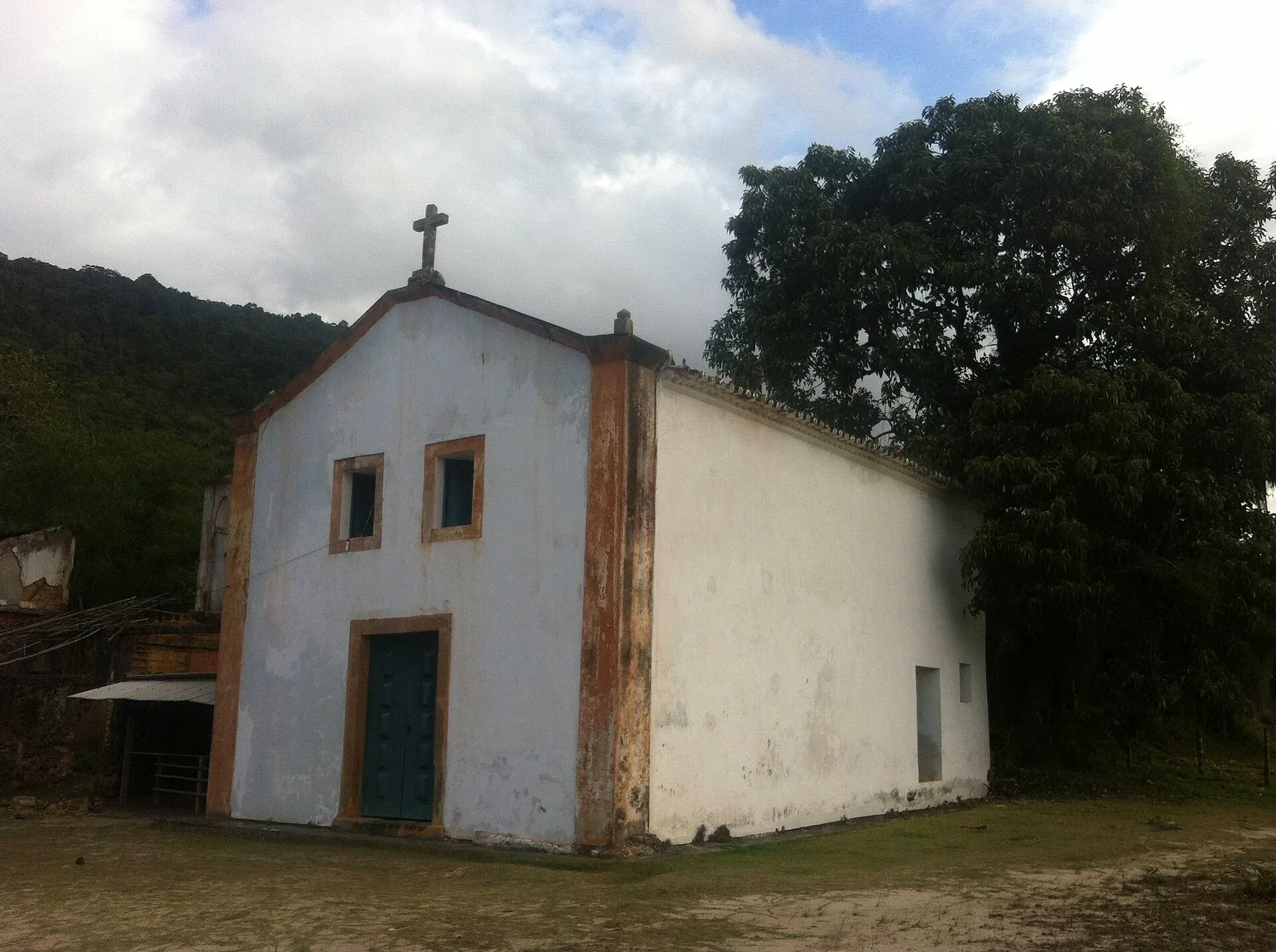
Further south, the road ends at Paraty-Mirim, a quiet, end-of-the-line bay with colonial ruins and gentle water that is a lovely paddle in its own right and the natural gateway to the Mamanguá. From here the fjord opens up, and guided kayak trips into the Mamanguá often stage from this area. Paraty-Mirim is worth a visit for its own sake, calm, historic and far less busy than the town, and our guide to Paraty-Mirim and the quiet beaches covers it fully. Treat it as the jumping-off point for the more serious paddling and you will not go wrong.
A few outings to build a day around
To make this concrete, here are the shapes of paddle we most often suggest, from an easy hour to a full expedition. Pick by how much time and appetite you have.
- The easy morning potter. Rent a kayak or SUP from Jabaquara, paddle out to the little island and along the shore, land for a swim, and be back before the wind builds. An hour or two, no planning, perfect for a first go or a lazy day.
- The cove hop. From a quieter launch, follow the sheltered shoreline from cove to cove, poking into inlets and stopping to swim where you like. A half-day of gentle exploring at your own pace, best in a stable double kayak.
- The mangrove and Mamanguá day. A guided trip into the fjord: paddle the calm channels, slip into the mangrove on a high tide, land for lunch at a caiçara beach, and, if you have the legs, climb the Sugarloaf for the view down the fjord. A full, rich day and the one people talk about afterwards.
- The multi-day expedition. For experienced, fit paddlers, a two or three-day guided sea-kayak journey along the Costa Verde and into the Mamanguá, camping or staying simply along the way. This is proper adventure and needs a proper operator; it is not a beginner's outing.
Whichever you choose, build the paddle into the rhythm of the wider trip rather than treating it as a stand-alone mission. A morning on the water pairs naturally with an afternoon in town, a beach lunch, or simply a long swim back at the chalet. Our three-day Paraty itinerary shows how a paddle slots into a short stay.
What to bring and what to wear
Paddling in Paraty needs very little kit, but the little it needs, it really needs, and the sun is the thing people underestimate. On the water you get it twice, direct from above and reflected off the surface, and a burn that would take an afternoon on the beach happens in half the time in a kayak.
- Sun protection, seriously. High-factor waterproof sunscreen reapplied often, a hat that will stay on, sunglasses with a strap, and ideally a long-sleeved rash top or light shirt. Cover your legs and the tops of your feet; they catch the sun you forget about.
- Quick-dry clothes and footwear. Something you do not mind getting wet, and sandals or water shoes that stay on your feet, both for the launch over rocks and for landing on rough beaches.
- Water and a snack. More water than you think, in a bottle you can secure to the craft. Paddling is thirsty work and there is not always a kiosk where you are going.
- A dry bag. A small waterproof bag for your phone, some cash, a light and anything else that must stay dry. Assume everything not in it will get wet, because it will.
- The buoyancy aid. Wear it, do not just carry it. On a rental this should come with the craft; if it does not, ask, and if they cannot provide one, paddle somewhere else.
Leave the valuables at the chalet, keep the load light, and remember that anything loose on a paddleboard is one wobble away from the sea floor. For a fuller kit list across the whole trip, our guide on what to pack for Paraty has you covered.
Safety and etiquette on the water
None of this coast is dangerous if you use your head, and we would rather give you the honest rules than pretend the sea is a swimming pool. Most paddling incidents come down to the same handful of avoidable mistakes, so here is the short list that keeps you out of trouble.
Paddle in the morning when it is calm. Wear the buoyancy aid. Stay close to shore and within your ability, especially the first time. Tell someone your route and your expected return, and stick to it. Keep well clear of the schooner, ferry and fishing channels, and make yourself visible; assume boats have not seen you. Watch the tide, particularly in the mangrove and the shallows. Turn back early if the wind builds or the sky darkens, because it is always easier to shorten a trip than to rescue one. Do not paddle out into open, exposed water without a guide, and do not overestimate your fitness on the way out and forget you have to come back against the wind. If a squall rolls in, and they can arrive quickly in summer, get off the water and wait it out.
On etiquette, the rule is simple: the bay and the fjord are living, working places, so tread lightly. Give the mangrove and its wildlife a wide, quiet berth and do not grab at roots or disturb nesting birds. Respect the caiçara beaches and homes, ask before landing where it is not clearly public, and support the families who sell food and drink rather than treating their shore as a free stop. Take every scrap of rubbish home; nothing you brought should stay behind. Keep your distance from swimmers and other paddlers. The reason this coast is still so lovely to paddle is that people have looked after it, and a kayak leaves no wake and no trace if you let it.
The best time of year to paddle
You can paddle in Paraty year-round, but the seasons genuinely change the experience, and it is worth knowing what you are booking into. The drier, cooler months from roughly April to September tend to give the calmest, clearest water and the most settled mornings, which is close to ideal for kayak and SUP. The air is cooler and the rain less frequent, so you get more of those glassy dawns and fewer washed-out afternoons. Visibility in the water is better too, which matters if you like to see down into the shallows.
The summer months from December to February are hot, green and beautiful, and the sea is at its warmest, but they bring heavier, more sudden afternoon rain and the biggest crowds of the year, especially over the holidays and around Carnival. You can still paddle wonderfully in summer; you just need to be more disciplined about going early, before the heat builds the wind and the clouds build the rain. Whatever the month, the daily pattern holds: mornings calm, afternoons livelier. If you are choosing when to come for the wider trip, our guide to the best time to visit Paraty weighs the seasons in full, and you can pair a paddle with a spell of settled weather rather than gambling on a single day.
Fitting paddling into the rest of your trip
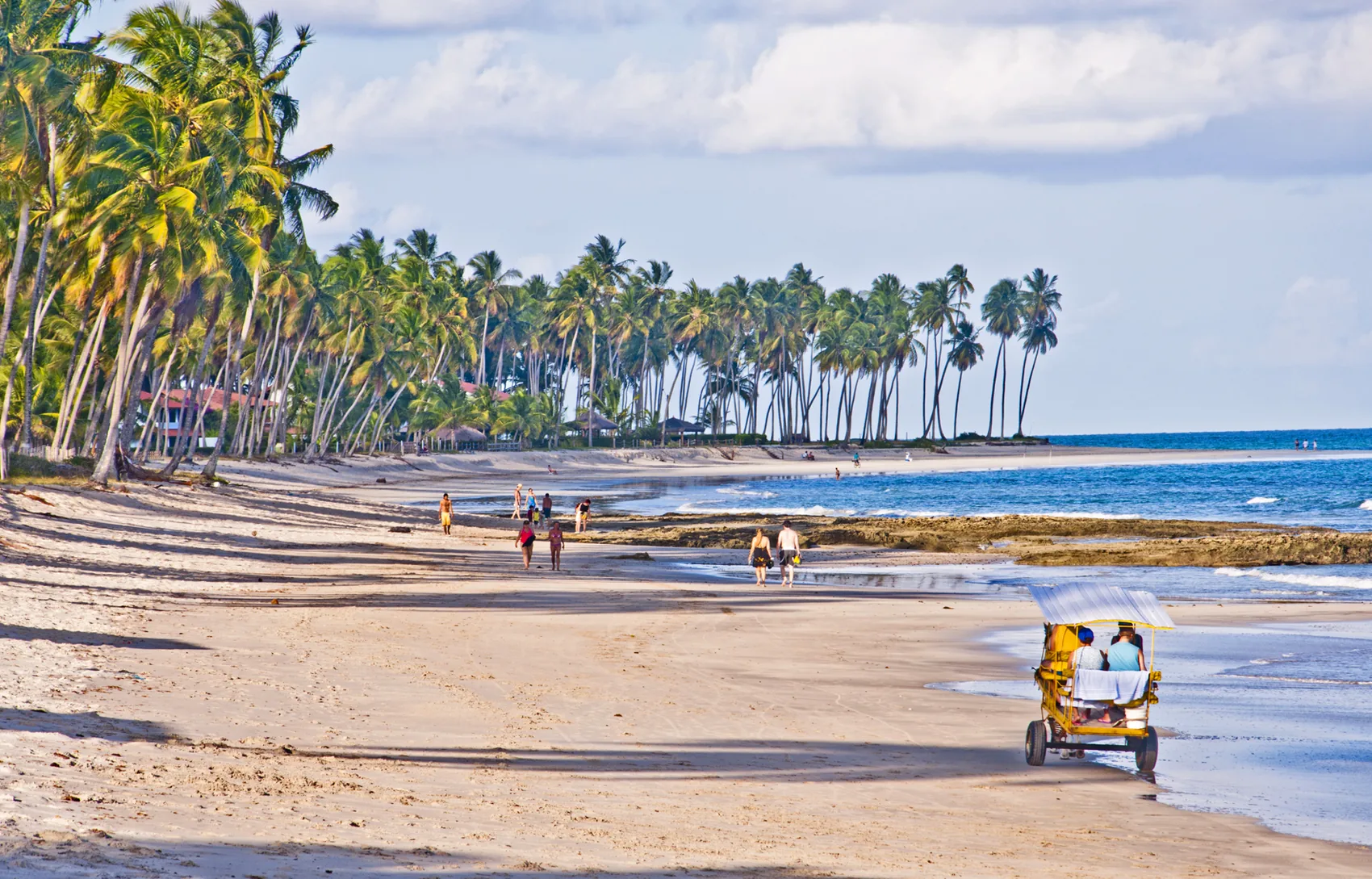
Paddling is best treated as one strand of a varied week rather than the whole point of the trip, and it slots in beautifully alongside everything else Paraty offers. A morning on the water leaves the afternoon free for the cobblestoned historic centre, a long lunch at the seafood houses down by the harbour, a distillery visit, or simply a swim. Because the good paddling is a morning thing, it pairs naturally with the things that are better later in the day.
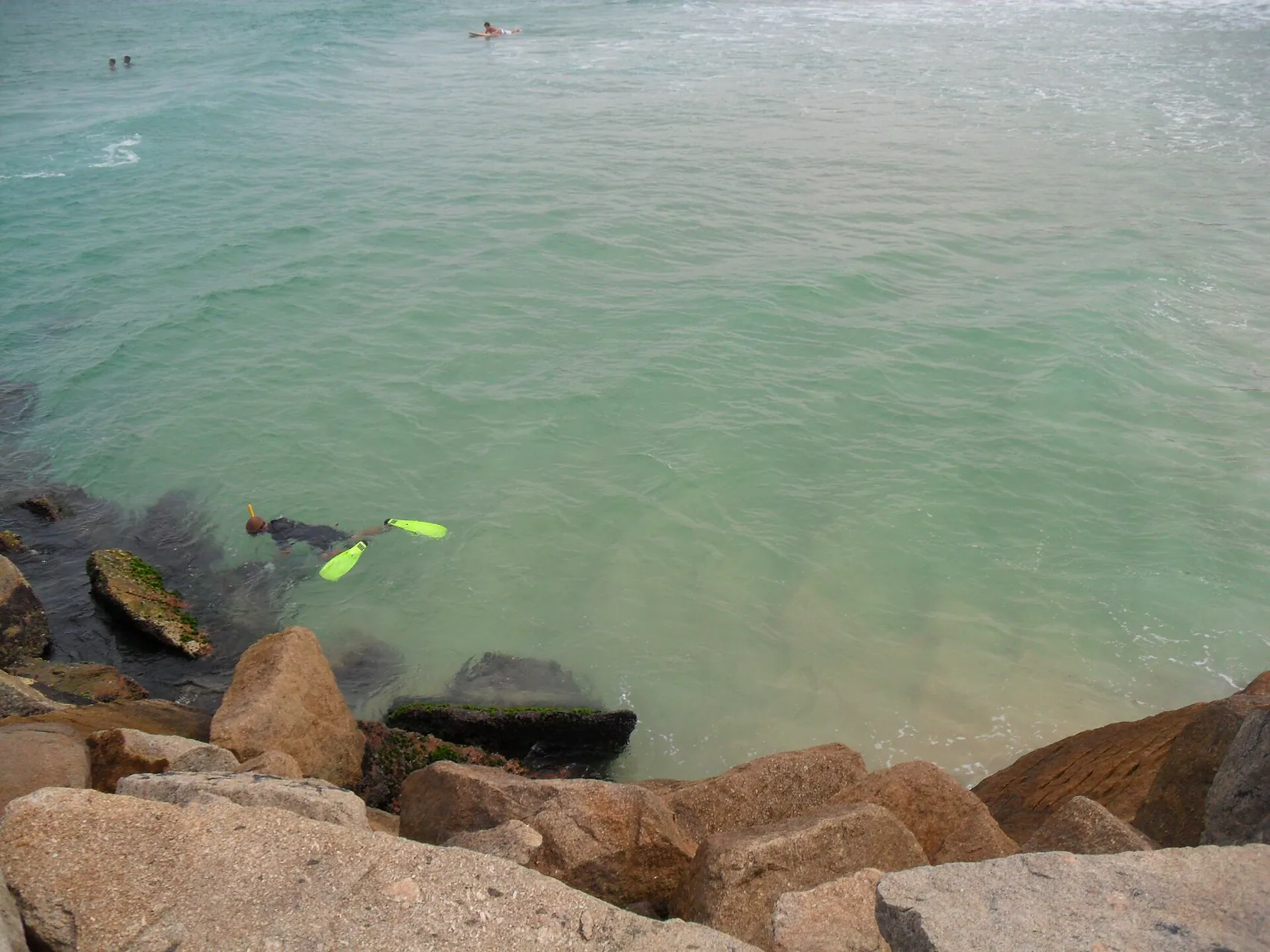
Think about balance across the week. One day on a schooner or a private boat to see the far island beaches; one paddling day in the calm water or the fjord; one day up in the forest for a waterfall and a walk; one day doing very little at all. That mix is what makes Paraty such a satisfying place to spend real time, and it is the shape most of our happiest guests fall into without much planning. Our guide on how many days to spend in Paraty helps you work out how much to fit in, and the explore pages lay out the full range of things to do. If snorkelling is on your list, the sheltered water that makes for good paddling also makes for good masks-and-fins days; see our guide to snorkelling and diving on the Costa Verde.
The one constant, whatever you do with your days, is coming back to a place that makes the coming-back worth it. That is really the argument for staying up the hill. You paddle in the morning, you come up salty and pleasantly tired in the afternoon, and instead of a hot room you have an infinity pool and the whole bay spread out below you, the same water you were just on, seen now from four hundred metres up. You can pick out the coves you paddled, watch the schooners come in, and be perfectly happy doing nothing at all. It is a short drive down to the water and a short drive back, and the view does not get old.
Where the paddling ends: back up the hill
We have tried to give you the honest version here rather than the brochure one, because paddling in Paraty is genuinely one of the best and most accessible things you can do on this coast, and it deserves to be done well rather than nervously. The bay is forgiving, the fjord is remarkable, the mangroves are quietly magical, and the whole thing is within reach of a beginner or a family who respects the wind and the tide and paddles in the morning. Rent when it is simple, take a guide when it is not, wear the buoyancy aid, go early, and let the water do the rest.
When the paddle is done, the rest of the day belongs to the chalet: the pool, the deck with its triple view down over the Bay of Paraty, Angra dos Reis and Ilha Grande, and the particular satisfaction of having earned your swim under your own steam. If you are planning a stay and want a hand shaping the water days, from a first gentle paddle off the beach to a full expedition into the Mamanguá, talk to us before you come and we will steer you right. And when you are back and dripping and happy, the pool is right there, and so is the view. That is the whole idea.
Come stay above the bay
Chalé Bel Air sits on the ridge that looks over everything in this guide. Tell us your dates and what kind of trip you are after — we answer personally.
Ask about your datesFrequently asked questions
Is kayaking or paddleboarding in Paraty good for beginners?
Yes, unusually so. Paraty sits at the bottom of a deep, sheltered bay broken up by islands, so the water is often flat and protected, which is exactly what a first-timer wants. Rent from a calm town beach like Jabaquara or the sheltered inlets, go out in the morning before the wind builds, and stay close to shore. A guided trip is the easiest way to start if you have never paddled before.
What is the Saco do Mamanguá and can you kayak it?
The Saco do Mamanguá is a long, narrow arm of the sea reaching roughly eight kilometres inland between forested mountains, often described as Brazil's only tropical fjord. Its calm, protected water, mangroves and small caiçara fishing communities make it one of the best sea-kayaking and paddleboarding spots on the whole coast. You can paddle it on a guided day trip, or stay a night or two in the fjord and explore at your own pace.
Should I take a guided tour or just rent a kayak in Paraty?
Rent if you are a confident paddler staying near a calm beach and planning a short, close-to-shore outing. Take a guide if you are new to it, if you want to reach the Mamanguá or the mangroves, or if you want someone reading the wind and tide for you. Guides also carry safety kit and know which coves stay sheltered when the afternoon breeze comes up.
Is it safe to kayak in Paraty Bay?
It is, with normal sea sense. The bay is sheltered and the water is warm, but wind, tide and boat traffic are real. Paddle in the morning when it is calmest, wear the buoyancy aid, stay close to shore, tell someone your plan, and turn back early if the wind builds. Avoid the busy shipping and schooner channels, and never head out into open, exposed water without a guide.
When is the best time of year to kayak and paddleboard in Paraty?
The drier, cooler months from roughly April to September usually give the calmest, clearest water and the most settled mornings, which is ideal for paddling. The summer from December to February is hot and beautiful but brings heavier afternoon rain and more crowds. Whatever the season, the mornings are almost always calmer than the afternoons, so paddle early.
Can you paddle to the mangroves in Paraty?
Yes, and it is one of the quiet highlights of the area. The Mamanguá holds the largest mangrove in the region, a maze of roots and channels full of birds, crabs and fish, and a kayak or paddleboard is the ideal way to slip into it without an engine. Go with a guide who knows the channels and the tide, because parts of the mangrove dry out at low water.
Do you need experience to paddle in Paraty with children?
No, but choose the setting carefully. Sit-on-top kayaks are stable and easy, and a young child can ride in the front of a double while an adult does the work. Stay on flat, shallow, wave-free water such as Jabaquara or a calm cove, keep outings short, put a properly fitted buoyancy aid on everyone, and go in the calm of the morning.
How much does it cost to rent a kayak or SUP in Paraty?
Rental is inexpensive by international standards and usually charged by the hour or half-day from beach kiosks and small operators, with paddleboards and kayaks priced similarly. Guided trips cost more because they include the guide, transport, safety kit and often lunch, and a multi-day Mamanguá expedition more again. Prices shift with season and operator, so confirm when you book.

.jpg)


