How much a trip to Paraty really costs, and how to pay for it without guesswork: the real, cards versus cash, Pix, ATMs, the ten-percent service charge, typical prices and the seasonal swings that move all of it.
Money is the part of a trip nobody wants to think about and everybody worries about anyway. You have booked the flights, you have blocked out the days, and somewhere in the back of your mind a small voice is asking what a week in a colonial town on the Costa Verde is actually going to cost. This guide is the answer to that voice. We host guests at a hillside chalet above Paraty, and the question we field more than almost any other is some version of the same thing: how much cash should I bring, will my card work, and do I tip. So here is an honest, specific look at the whole subject of Paraty costs and budget, from the currency in your pocket to the service charge on your dinner bill.
The short answer, before the long one: Paraty is not an expensive place to visit by international standards, and for travellers earning in dollars, euros or pounds it can feel like a genuine bargain. It is not the cheapest corner of Brazil either. It is a small, seasonal, protected town where a lot of the money in circulation arrives on weekends and holidays, and prices move with the crowd. Understand the rhythm and you will spend well. Ignore it and you will pay peak rates for a Tuesday in October, which is a needless thing to do.
We have organised this around the practical decisions you actually make: which currency, how to pay, where to get cash, what to tip, what individual things cost, and how the seasons swing all of it. Read it once before you come and you will move through the trip without the low background hum of financial guesswork. For a wider view of the town, our complete guide to Paraty sets the scene, and the best time to visit feeds directly into the pricing swings we cover below.
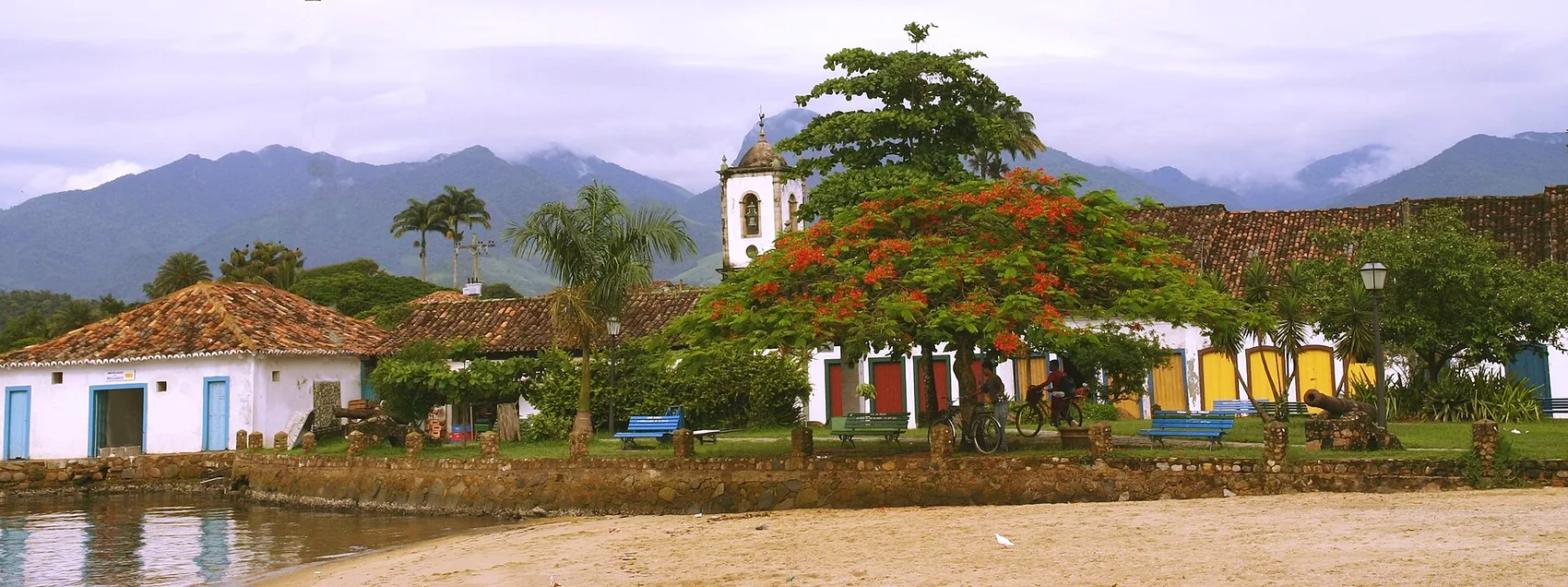
Paraty costs and budget: the short version
If you want one number to anchor everything else, here it is in rough terms. Two people travelling comfortably but not extravagantly, staying somewhere pleasant, eating well, taking a boat day and a couple of proper dinners, will spend somewhere in the region of R$500 to R$900 per day between them, not counting accommodation. Careful travellers can bring that down. People who eat every meal at the seafood houses on the water and book private boats will spend a good deal more. Accommodation sits on top of that and varies enormously, from a simple room to a private house with a pool.
Those figures assume the real doing what it has done for a while now, trading in a range that makes Brazil kind to foreign wallets. Exchange rates move, so treat any conversion in this guide as a guide rather than a promise, and check the day's rate before you convert anything in your head. The pattern matters more than the decimal place. Food is cheap relative to Europe and North America. Alcohol is cheap. Labour-intensive services are cheap. Anything imported, and anything sold at a captive tourist moment, is not.
Where does the money actually go on a normal Paraty trip? Roughly, in order: the boat day or two, dinners in the historic centre, the drive and fuel or transfers to get here, cachaça and caipirinhas, entrance to a distillery or a waterfall, and the small constant drip of coffees, pastries and beach snacks that never feels like much until you add it up. None of it is a shock. All of it is manageable once you know the shape.
The currency: getting to know the real
Brazil's currency is the real, plural reais, written R$ and abbreviated BRL. One real divides into 100 centavos. Notes come in 2, 5, 10, 20, 50, 100 and 200 reais, in different colours and sizes with native Brazilian animals on the back, which makes them easy to tell apart once you have handled them for a day. Coins run from 5 centavos up to 1 real. You will hear people say the price of small things in reais the way you would expect, and larger sums the same way.
A word of warning that saves grief: get comfortable with the numbers before you arrive, because a decimal misread in the wrong direction turns a cheap lunch into an anxious moment. Say the exchange rate out loud a few times so the conversion becomes reflex. If a caipirinha is fifteen or twenty reais and a good dinner for two is a couple of hundred, those are the reference points to carry around. Everything else calibrates against them.
One quirk worth knowing early: Brazilian cash still circulates in a range of conditions, and very old, torn or heavily worn notes are occasionally refused by small vendors. If an ATM or a shopkeeper hands you something that looks like it has been through the wash, you can usually swap it at a bank branch. It is rare, but not unheard of, and worth a glance when you receive change.
Cards, cash and Pix: how people actually pay
Brazil is, quietly, one of the most cashless countries you will ever visit. The image of a tropical town running on grubby banknotes is a generation out of date. In practice you will pay for the overwhelming majority of things by tapping a card, and increasingly by a homegrown system called Pix that has swallowed the country whole.
Cards
Visa and Mastercard are accepted almost everywhere: restaurants, the smaller pousadas, cafes, the fruit market, the supermarket, most shops in the historic centre, and even a surprising number of beach kiosks and informal stalls that carry a little mobile card machine on a lanyard. Contactless works widely. American Express is patchier. Bring a card that does not charge foreign transaction fees if you can, because that single choice quietly saves more money over a trip than almost any other budgeting decision.
The main places cards fail you are the ones you would expect: a boatman on a beach with no signal, a tiny bakery in a village, a market seller, a shared taxi in a spot with no phone coverage, or a rural cachaça producer up a dirt road. Signal on the water and on some of the outlying beaches can be thin, and a card machine without a connection is just a plastic brick. That is what cash is for now: a backstop, not a primary method.
Carry two cards from two different networks or banks, stored separately. If one is blocked for a fraud check on the far side of the world, or a machine eats it, you are not stranded. It is the single cheapest insurance a traveller can arrange.
Pix
Pix is Brazil's instant bank-transfer system, and by now it moves more money than every credit and debit card in the country combined. Locals pay for nearly everything with it by scanning a QR code or sending to a phone number. You will see the little Pix logo at market stalls, on the side of ice-cream carts, taped to the counter of the smallest bakery. It settles in seconds and costs the payer nothing.
The catch for visitors has traditionally been that native Pix needs a Brazilian bank account and a CPF, the national taxpayer number, which a two-week holiday does not naturally supply. That has been loosening. Several international money apps now let foreigners send Pix payments without a local bank account, and some travellers obtain a CPF, which can be done fairly quickly, to load a multi-currency account and pay like a local. Whether that is worth the setup depends on how long you are staying and how much you enjoy admin. For most short-stay guests, cards plus a cushion of cash cover everything, and Pix is a nice-to-have rather than a necessity. If you are staying a while or coming back, it is worth arranging.
Brazil is, quietly, one of the most cashless countries you will ever visit. Cash is the backstop now, not the main event.
Cash
So how much cash should you actually carry? Less than you think, but never zero. For a couple, a working float of two or three hundred reais covers the day-to-day cracks that cards do not reach: the beach vendor, the parking attendant, a small tip, the boatman who takes you to a cove, a round of coconuts. Top it up when it runs low rather than pulling out a large sum at once. Big wads of cash are exactly the thing you do not want to be managing on holiday, and there is no need for it here.
ATMs and getting reais on the ground
The path of least resistance for most travellers is to arrive with a small amount of cash for the first day, then draw reais from an ATM as needed on a fee-free debit card. Paraty has bank branches with ATMs in and around the newer part of town, a short walk or drive from the historic centre. The usual Brazilian banks are represented, and their machines take foreign cards.
A few things smooth the process. Brazilian ATMs often ask whether you want a chequing or savings account; choose chequing, sometimes labelled in Portuguese. They may offer a dynamic currency conversion, asking whether to charge in your home currency; always decline and choose to be charged in reais, because the machine's own conversion is a worse rate than your bank will give you. Withdrawal limits per transaction can be modest, so you may need to draw twice for a larger sum, and some machines add their own fee while others do not. If one machine charges a surcharge you dislike, try a different bank's.
Timing and location are the safety piece. Use machines inside a bank branch or a supervised, well-lit spot during the day rather than a lonely outdoor one after dark. This is ordinary travel sense rather than a Paraty-specific worry; the town is calm and the risk is low, but the habit is worth keeping. Draw what you need for a few days in one daylight visit and you will barely think about ATMs again. If you are basing yourself with us, the run into town for cash pairs naturally with a coffee and a wander, and our getting around guide covers the practicalities of moving between the chalet, the centre and the beaches.
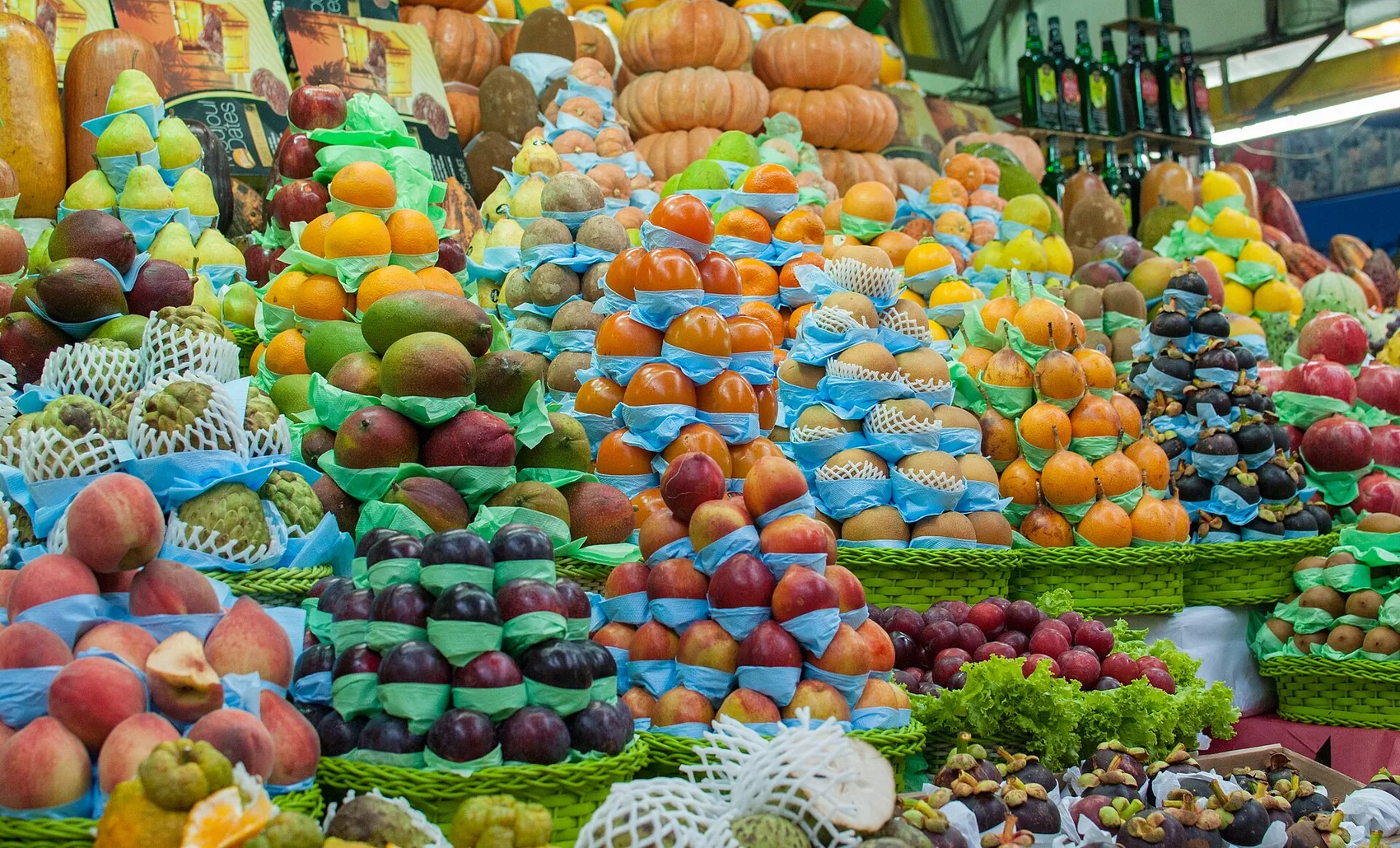
Tipping in Paraty: the ten percent question
This is the single most common source of quiet confusion for visitors, so here is the clear version. Brazil is not a tipping culture in the American sense. Nobody is calculating a percentage in their head at the end of a meal, and no server is depending on your generosity to make rent in the way they might elsewhere. What Brazil has instead is a customary service charge, and understanding it removes almost all the awkwardness.
Restaurants
Most sit-down restaurants add a service charge to the bill, usually ten percent, shown on the check as taxa de serviço or simply as the couvert-adjacent service line. It is technically optional, but in practice it is customary to pay it, and it is understood to go to the staff. When it is on the bill, that is your tip; you do not add another ten percent on top. Pay the total as printed and you have done the right thing. If the service was genuinely poor you are within your rights to ask for it to be removed, though this is rarely worth the friction.
If a service charge is not included, which happens at smaller or more casual places, rounding up or leaving around ten percent is a kind and normal gesture, but not an obligation. The mental model to carry: the ten percent is usually already there, once, on the bill. Look for it before reaching for your wallet.
Everyone else
Taxis do not expect a tip; rounding up to a convenient number is the norm and entirely sufficient. App-based rides likewise. Bar staff are covered by the same service-charge logic as restaurants. For a hotel or pousada, leaving something for the housekeeping team at the end of a stay is a thoughtful gesture and always welcome, but there is no fixed rate and nobody will chase you for it. A boat crew who have looked after you well for a whole day are worth a small cash tip, handed over directly, and it will be genuinely appreciated because it is not baked into anything. A guide who has given you a real day out, the same. None of it is compulsory. All of it is kind. The guiding principle: tip modestly and in cash for people who have personally made your day better, and do not agonise about the rest.
Keep a few small notes, tens and twenties, specifically for tips and beach vendors. Trying to tip a boat crew with a two-hundred note nobody can break is a small comedy you can easily avoid.
What things cost: a Paraty price guide
Numbers give a budget its shape, so here is a grounded sense of what individual things run to. Treat every figure as a mid-2026 snapshot in reais that will drift with inflation and season, and remember that the historic centre carries a premium over the everyday streets a few blocks inland, where locals actually shop and eat.
Eating and drinking
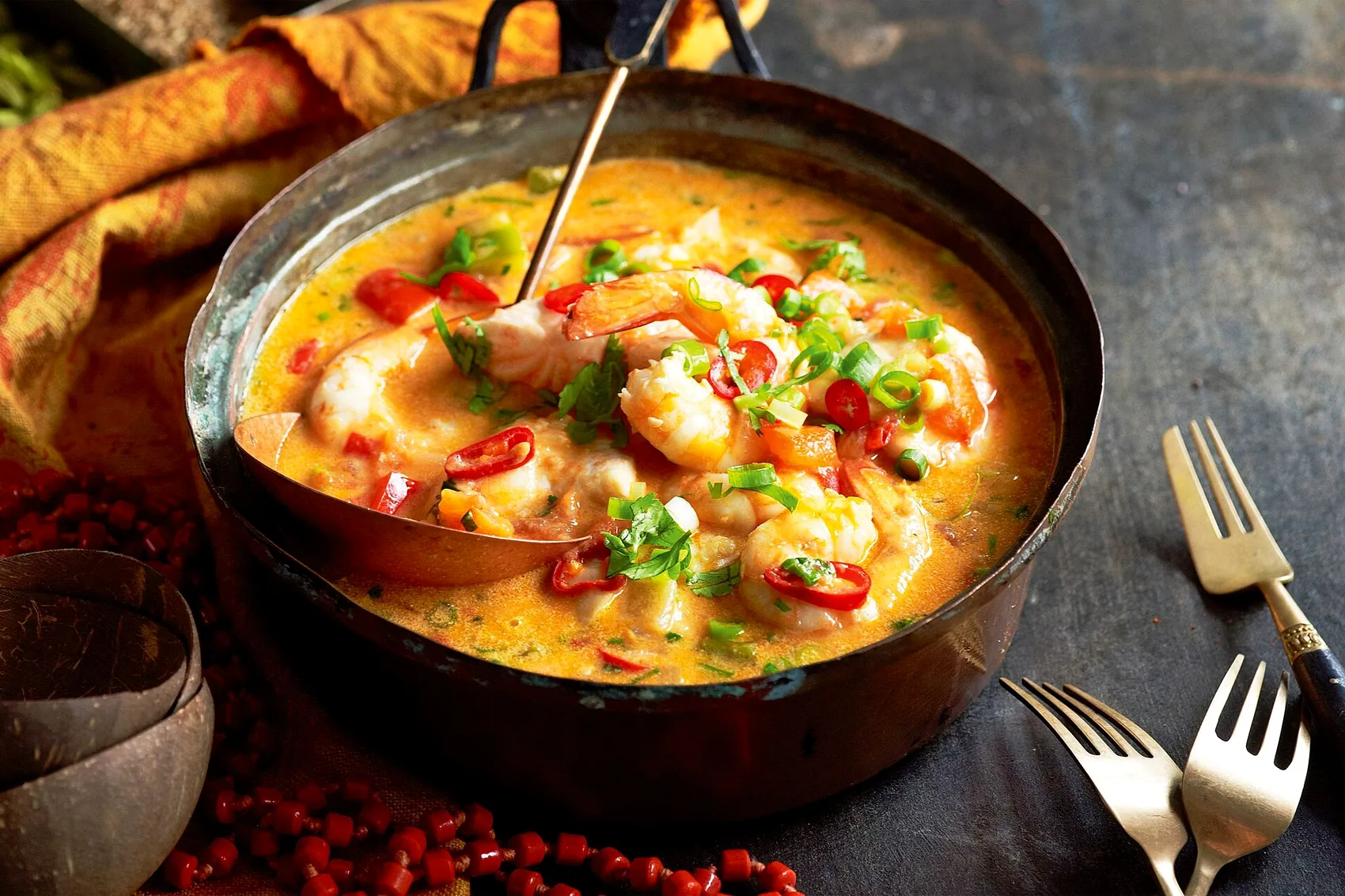
A coffee and a pastry at a bakery is a handful of reais, genuinely cheap, and one of the great small pleasures of the day. A casual lunch, a plate of the day at a simple place, might run forty to seventy-five reais a head. Dinner in a good restaurant in the centre lands more often in the range of eighty to a hundred and sixty reais per person before drinks, and the seafood houses at the water, where a moqueca for two arrives in its clay pot, sit at the upper end and are worth it once or twice. Our guide to where to eat in Paraty gets into the styles of place in detail; here we are only pricing them.
A draught beer or a caipirinha is a modest sum, often in the teens of reais, and cheaper away from the prettiest square. A bottle of good local cachaça to take home costs less than you would guess and makes a far better souvenir than a fridge magnet. Water and soft drinks are inexpensive. The one place drinks quietly inflate a bill is a slow evening of caipirinhas at a bar on the water with live music, which is a wonderful way to spend money and worth budgeting for on purpose rather than by accident. The cachaça distilleries guide covers tastings and tours if you want to turn the drink into an outing.
Boats, beaches and activities
The boat day is, for most visitors, the single largest discretionary line in the budget, and also the best money you will spend here. A seat on a shared schooner for a half or full day, hopping between islands and swimming stops, is very reasonable per person and often includes time to buy lunch aboard or on a beach. Privately chartering a smaller boat for your group costs considerably more but buys you the itinerary, the pace and the freedom to linger at an empty cove, and split between four or six people it is less extravagant than it sounds. Our boat days page lays out the options, and the guide on Paraty to Ilha Grande covers the longer crossing if you want to reach the big island.
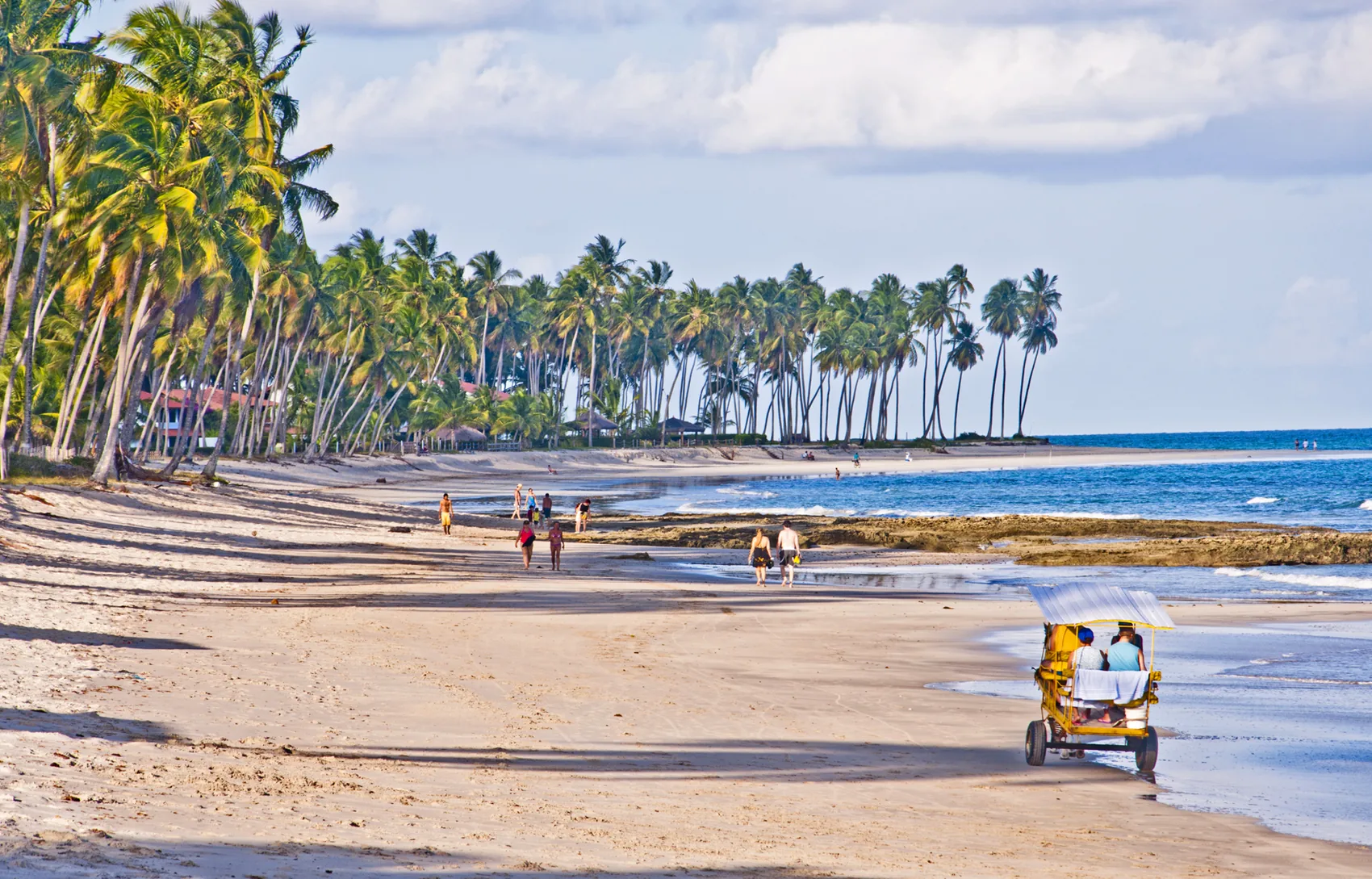
Beaches themselves are free. Getting to the quieter ones may involve a boatman's fee, a short water-taxi, or a small parking cost at a trailhead. Entrance to a working cachaça distillery for a tour and tasting is a small charge. Waterfall and forest areas within the protected parks sometimes carry a modest entry or guiding fee. A local guide for a walk on the Gold Trail or a day in the forest is affordable by international standards and, honestly, adds a great deal; it is not the place to economise if the walk matters to you. For inspiration on how to fill the days, our explore section gathers the outings in one place.
Getting here and around
Paraty sits on the Costa Verde road roughly a four to five hour drive from both Rio de Janeiro and São Paulo, and how you cover that distance is a real budget decision. Driving your own or a hired car means fuel and the odd toll, the most flexible option and the one that lets you reach the outlying beaches and the chalet without negotiating. Fuel is priced by the litre and is a moderate cost over the round trip. A comfortable intercity bus from either city is inexpensive and civilised. A private transfer door to door is the most expensive and the most effortless, and for a group or a family arriving tired it can be worth every real. In town, distances are short, taxis and app rides are cheap, and much of the historic centre is a pedestrian zone of rough cobblestones where no car goes anyway.
Accommodation
Lodging spans the widest range of anything in this guide. A simple room or a hostel bed is cheap. A pleasant mid-range pousada with breakfast is very good value. At the top, a private house with a pool and a view is where the money concentrates, and where, unsurprisingly, we live. What a private villa buys that a room does not is space to cook a few meals, a base to return to between outings, and the pool that turns a hot afternoon into the best part of the day. That last point is not incidental to the budget: a house with its own pool quietly reduces how often you go out looking for somewhere to spend money, which changes the whole shape of a week. You can read more about the specific place we host at on the chalet page, and the wider category in our guide to luxury vacation rentals in Paraty.
Seasonal swings: when prices climb
This is the part that separates a well-planned budget from a bruised one. Paraty's prices are not fixed; they breathe with the calendar, and the swings are large. Understand them and you can choose your moment.
The expensive windows are the ones everyone else wants too. Brazilian summer, from December into February, and above all the stretch around New Year and Carnival, is peak: accommodation rates climb steeply, minimum-night stays appear, restaurants are full, and the boats book out. The July winter school holiday is a second, smaller peak. Long holiday weekends, of which the Brazilian calendar has many, spike prices for those specific dates even in otherwise quiet months. And the town's festival dates, the literary festival known as FLIP and the Festa do Divino chief among them, fill the pousadas and lift rates because demand simply outruns supply.
The value windows are the shoulders and the quiet middle. The months either side of the peaks, and midweek almost any time outside the holidays, deliver the same town for meaningfully less money and a great deal more room to breathe. A Tuesday in a shoulder month is a different, and to our mind better, Paraty than a Saturday of a holiday weekend, both in price and in feel. If your dates are flexible, lean into that. Our full breakdown of the trade-offs lives in the best time to visit guide, and the festivals and events guide flags the specific dates to book around or aim for, depending on whether you want the party or the peace.
Building a daily budget
Abstract ranges are only so useful, so let us assemble a few realistic days. These exclude accommodation, which you will have priced separately, and assume the real trading in its usual friendly range. Adjust up for peak season and the historic centre, down for shoulder season and the everyday streets.
The careful traveller
Bakery breakfast, a plate-of-the-day lunch inland, a home-cooked dinner if you have a kitchen or a casual supper if you do not, one beer or caipirinha, and a beach reached on foot or by cheap shared transport. A day like this sits comfortably under two hundred reais a head and still feels like a holiday, not a hardship. Over a week it keeps the whole trip firmly in bargain territory.
The comfortable middle
A proper cafe breakfast or a lazy brunch, lunch out, a good dinner in the centre with wine or cocktails, a few drinks, and one paid activity averaged across the days such as a shared boat trip or a distillery tour. Call it three to five hundred reais a head on an active day, less on a slow one, and you have described how most of our guests actually travel. It is a generous, unhurried way to be here without spending carelessly.
The splurge
Private boat charter for the group, dinner at the seafood houses on the water, unhurried caipirinhas with live music, a guided forest walk, and no accounting at all. Individual days here can run well past a thousand reais a head once a private boat is in the mix, though shared across a group the boat looks far more reasonable. This is not most of the trip for most people; it is the day or two you deliberately let off the leash, and Paraty rewards it.
The honest planning point is that you can mix these freely. A splurge boat day sits happily beside three careful ones. That flexibility is the real luxury of a place where the baseline is affordable: you get to choose where the money goes rather than having every day dictated to you. If you want help shaping an itinerary around a particular budget, our guides on how many days to spend and the three-day and seven-day Costa Verde itineraries put costs and days together, and a luxury long weekend is its own well-defined shape.

Making the money go further
None of this is about being cheap. It is about not paying more than you need to for the same experience. A handful of habits keep a Paraty budget lean without denying yourself anything worth having.
- Eat one street back. The prettiest square carries a view tax. Walk a couple of blocks inland and the same quality of food costs noticeably less, in rooms full of locals rather than visitors.
- Book the boat, do not charter it, unless you are a group. A shared schooner delivers most of the magic for a fraction of a private charter. Save the charter for the day it truly matters, or split it across enough people that it stops mattering.
- Shop the market and the supermarket. If you have a kitchen, a few home breakfasts and one or two cooked dinners from the fruit market and the local supermarket cost a fraction of eating out, and the market itself is a pleasure. A pool and a kitchen change the arithmetic of a whole week.
- Travel midweek and off-peak. The largest single saving available to you is your own choice of dates. Same town, much smaller bill.
- Decline dynamic currency conversion. Every time a card machine or ATM offers to charge you in your home currency, say no and pay in reais. It is a small percentage each time that adds up to a real number over a trip.
- Use a fee-free card. Foreign-transaction fees are a silent tax on the whole holiday. One card without them, brought from home, is the easiest saving on this list.
For families in particular, the rented-house-with-a-pool model tends to win on both cost and sanity: breakfasts at home, a base for naps, and a pool that entertains children for free while the adults do nothing at all. Our guide to Paraty with kids goes deeper, and rainy-day Paraty covers what to do when the weather turns and you would rather not spend a fortune indoors.
Money and safety: keeping it simple
Paraty is a calm, small town where the everyday risk to a visitor is low, and none of what follows should make you anxious. It is just ordinary sense, the same you would apply in any unfamiliar place. Carry the day's cash and one card, and leave the rest, spare cards and passport and the bulk of your money, in the safe or locked at your accommodation. Draw cash from ATMs inside branches in daylight rather than from isolated machines at night. Keep your phone, which is now also your payment device and your ride-hailing app, somewhere secure rather than loose on a beach towel or a bar table.
Split your resources so no single loss ruins the trip: two cards in two places, a little emergency cash tucked separately from your everyday float, and a note somewhere of the numbers to call if a card is lost. On the water and on the quieter beaches, where signal thins and there is nowhere to draw cash, carry enough reais for the day before you set off, because there is no ATM on Ilha Grande's beaches and a card machine with no signal helps nobody. Handle those few basics and money simply stops being something you think about, which is the entire point of sorting it out before you arrive.
For visitors from abroad
If you are arriving from outside Brazil, a few extra pieces are worth knowing, because the mechanics of foreign money differ from what a domestic traveller deals with.
First, tell your bank you are travelling. A card that suddenly starts spending in a small Brazilian town can trip a fraud hold at the worst possible moment, and a two-minute heads-up before you fly prevents it. Second, understand your card's fees. A foreign-transaction fee of a couple of percent on every purchase is common on ordinary cards and quietly expensive over a whole trip; a card that waives it pays for itself. There is also a Brazilian financial-operations tax, the IOF, that can apply to certain foreign-currency card transactions, and its rate has changed over time, so the practical advice is simply to favour a low-fee card and not to obsess over the exact percentage.
Third, on changing money: you generally do not need to arrive with a thick stack of reais bought at a poor rate back home. A modest amount for the first day is sensible, and after that the ATM at a fair rate beats an airport exchange counter almost every time. Fourth, keep expectations realistic about connectivity for payments. An international eSIM or a local SIM makes your phone a working payment and navigation tool the moment you land, which matters more here than in a cash economy, because so much runs through the phone. And finally, the currency swing works in your favour but is not fixed; glance at the rate around the time you travel so your mental conversions are accurate rather than optimistic. Beyond that, the same advice in this guide applies to you as to a visitor from São Paulo: cards for most things, a cash cushion for the cracks, and the ten-percent service charge already handled on your dinner bill.
A few honest trade-offs
Every budget is really a series of choices about what you are willing to trade, so here are the ones that matter most in Paraty, said plainly.
Convenience against cost on arrival: a private transfer from Rio or São Paulo is a real expense, but for a family landing after a long flight, or a group who would rather start the holiday the moment they get in the car, it can be the best money of the whole trip. The bus is a fraction of the price and perfectly comfortable; it just asks more of you. There is no wrong answer, only the one that fits your party.
The view tax against the everyday street: eating and drinking on the most photogenic corners costs more, and sometimes the setting is exactly what you are paying for and worth it. Other nights, the better meal is the one a few blocks inland at half the price. Do both deliberately rather than defaulting to the pretty square every evening.
Shared against private, on everything: the boat, the guide, the transfer. Shared is cheaper and sociable; private is dearer and yours. The size of your group changes the maths completely, and a private option split six ways often costs little more per head than the shared one. Run the division before you assume you cannot afford it.
And the largest trade of all, the one that colours everything: your dates. The single decision that most affects what a Paraty trip costs is when you come. Peak holidays deliver a fuller, louder, pricier town; the shoulder months and midweek give you the same place for less, with more room in it. If you have the freedom to choose, that is where your budgeting really happens, long before you ever open a wallet here.
Bringing it together
Strip away the detail and the whole subject comes down to a few sentences. Bring a fee-free card as your main way to pay and a modest float of small notes as your backstop. Draw reais from bank ATMs in daylight and decline the machine's own currency conversion every time. Expect a ten-percent service charge already on your restaurant bills, pay it, and tip modestly in cash only for people who have personally made your day better. Watch the calendar, because the seasons move prices more than anything else you can control. Do that, and Paraty will feel not just affordable but generous, a place where the baseline is kind enough that you get to choose where the splurges go.
The last piece is the one we are biased about, so take it as you will. A great deal of what makes a Paraty trip both relaxed and affordable is having a base you actually want to come back to in the middle of the day, a place with its own pool and its own view, where a slow afternoon costs nothing and a home breakfast quietly trims the week's spending. Ours is a hillside chalet a short drive above the town, with an infinity pool and a deck that looks out over the bay of Paraty, Angra dos Reis and Ilha Grande all at once, and it is, more than anything, the place you come home to for a swim. If you are weighing up dates, group size or how to shape the days around a budget, we are happy to talk it through; you can reach us any time through the contact page, and the wider explore section and our ultimate guide to Paraty will fill in whatever this one did not.
Come stay above the bay
Chalé Bel Air sits on the ridge that looks over everything in this guide. Tell us your dates and what kind of trip you are after — we answer personally.
Ask about your datesFrequently asked questions
How much does a trip to Paraty cost per day?
Two people travelling comfortably but not extravagantly tend to spend roughly R$500 to R$900 per day between them, not counting accommodation, covering meals, drinks and the odd activity. Careful travellers can stay well under R$200 a head, while private boats and daily seafood dinners push it higher. Peak holidays and the historic centre sit at the top of every range.
Can tourists use Pix in Paraty?
Pix is Brazil's instant payment system and locals use it for almost everything. Native Pix normally needs a Brazilian bank account and a CPF taxpayer number, but several international money apps now let foreigners send Pix without a local account, and some visitors get a CPF to load a multi-currency wallet. For a short stay, cards plus a little cash cover everything and Pix is optional.
Do you tip in Paraty and how much?
Most restaurants add a ten-percent service charge, shown as taxa de serviço, and paying it is your tip; you do not add more on top. It is technically optional but customary. Taxis just get rounded up, and a small cash tip for a boat crew or guide who looked after you well is a kind gesture rather than an obligation.
Should I bring cash or use cards in Paraty?
Cards, ideally a fee-free Visa or Mastercard, work in the large majority of places, including many beach kiosks and market stalls. Cash is the backstop for spots with no signal: boatmen, remote beaches, small village bakeries and parking attendants. A working float of two to three hundred reais for a couple, topped up as it runs low, is plenty.
Are there ATMs in Paraty and do they take foreign cards?
Yes. Paraty has bank branches with ATMs near the newer part of town that accept foreign cards. Choose the chequing account option, always decline the machine's offer to charge in your home currency, and draw a few days' worth in one daylight visit. Some machines add a fee and per-transaction limits can be modest, so a second withdrawal is sometimes needed.
When is Paraty most expensive to visit?
Brazilian summer from December to February, and especially New Year and Carnival, is the pricey peak, with steep accommodation rates and minimum stays. The July winter holiday, long holiday weekends and festival dates like FLIP and the Festa do Divino also lift prices. Shoulder months and midweek give you the same town for meaningfully less.
What extra money fees do international visitors face in Brazil?
Ordinary cards often charge a foreign-transaction fee of a couple of percent, so a fee-free card saves real money over a trip. A Brazilian financial tax, the IOF, can apply to some foreign-currency card transactions at a rate that has changed over time. Tell your bank you are travelling, decline dynamic currency conversion, and use ATMs rather than airport exchange counters.

.jpg)


