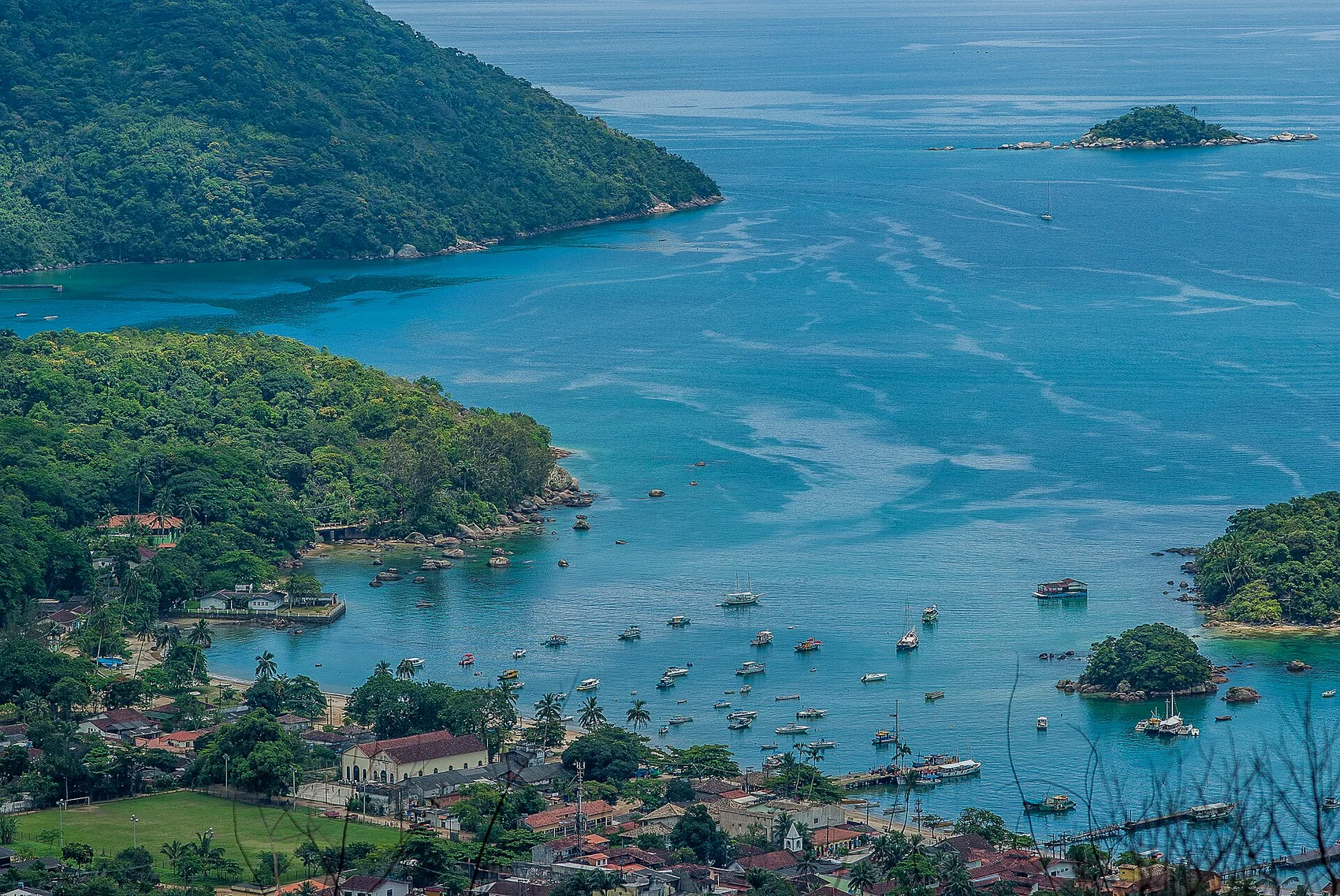
Between Paraty and Angra dos Reis lies one of the calmest, most island-strewn stretches of coast in Brazil, and the best way to see it is from the water. Here is how chartering a boat actually works, and how to choose the right one for your group.
Stand on the deck at Chalé Bel Air on a clear morning and you can watch the day begin on the water below. Around eight o'clock the first boats leave the Paraty waterfront and fan out across the bay, small white shapes drawing lines through flat blue water toward the islands. By mid-morning there are dozens of them, and by late afternoon they trail back in against the light. Sooner or later, watching all this from four hundred metres up, you will want to be on one of them. This guide is about how to do that well: what a yacht charter Paraty Angra actually involves, how to choose between a shared schooner, a private speedboat and a crewed sailing yacht, and how a group staying in one house turns a day at sea into the best day of the trip.
The stretch of coast between Paraty and Angra dos Reis is one of the finest small-boat cruising grounds in the country, and one of the most forgiving. The great island of Ilha Grande and the several hundred smaller islands scattered around it break every swell before it reaches the inner bay, so the water you sail on for most of a day is flat, protected and warm. You do not need to be a sailor to enjoy it, and you do not need to spend a fortune. But the range of options is genuinely confusing from the outside, the pricing is opaque, and the difference between a good day and a mediocre one comes down to a few decisions you make before you ever step aboard. We live above this bay, we send guests out on it most weeks of the season, and this is the honest version of how it works.
We will cover the boat types and what each is for, the real costs by group size, the difference between bareboat and crewed, the classic day route and the multi-day itineraries, the seasons, the practical logistics of getting on and off the water, and the specific reasons a villa group tends to charter rather than book seats on a tour. None of it is complicated once you see the shape of it.
Why charter a boat from Paraty and Angra at all
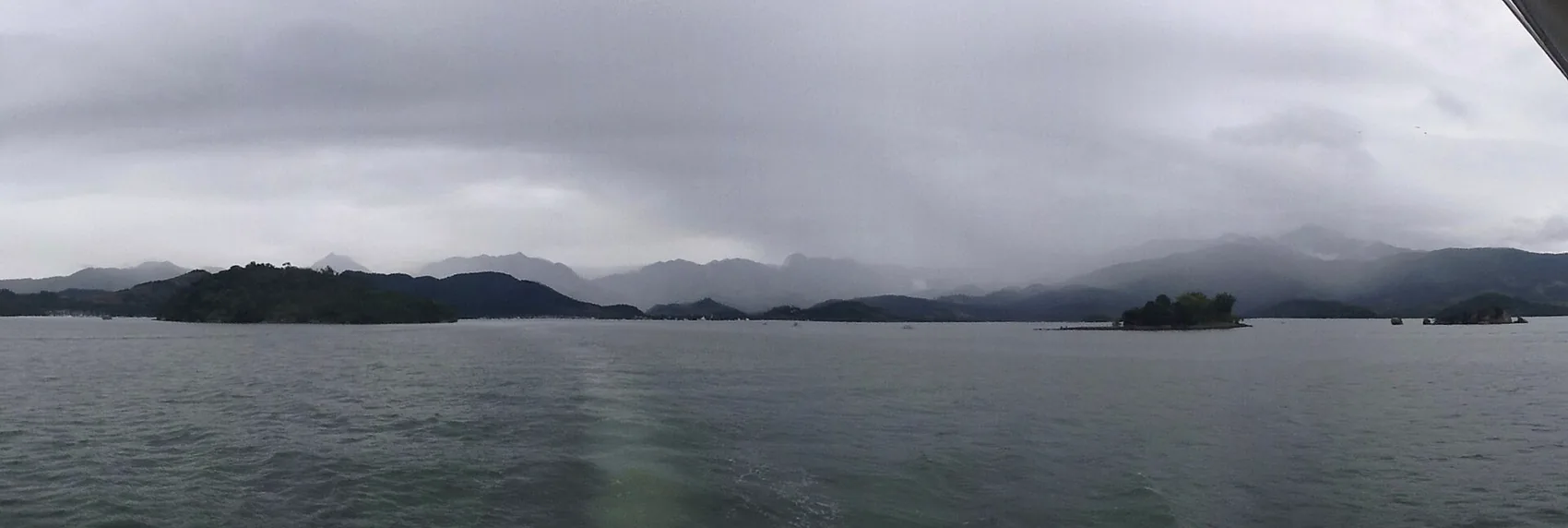
The short answer is that the good parts of this coast are only reachable by water. Paraty's historic centre is worth a full day of wandering, and the beaches you can drive to are pleasant enough, but the coves with the clearest water, the island beaches with no road behind them, and the quiet anchorages where you can swim off the back of the boat with nobody else in sight all sit offshore. A car gets you to Paraty. A boat gets you to the reason people come.
The second answer is that a boat day is the one shared experience that suits almost everyone. Couples get the romance of a private anchorage and a swim at dusk. Families get a floating base where children can jump off the bow all day and nap on the way home. Groups of friends get somewhere to spread out, a cooler that stays full, and a route they chose themselves. Solo travellers get the sociability of a schooner deck. It is rare to find a single activity that a mixed group of ages and interests all remember as the highlight, and this is usually it.
The third answer is scale. Angra dos Reis and its bay hold something on the order of three hundred and sixty-five islands, according to the local telling of it, and Ilha Grande alone has more good beaches than you could visit in a week. You are not choosing between two or three spots. You are choosing a route through an archipelago, which means the water never feels crowded even in high summer, because the fleet spreads across hundreds of possible stops.
If you are still deciding how to structure your trip around the water, our three-day Paraty itinerary and the longer seven-day Costa Verde plan both build a boat day into a wider week, and the boat days overview covers the classic bay loop in more detail.
The types of boat, and what each one is for
There are four broad categories you will actually encounter here. Understanding what each is good at saves you from paying for the wrong one.
The shared schooner
The traditional wooden schooner, the saveiro or larger tour schooner, is the postcard boat: two masts, a broad deck, a shade canopy, a simple bar and often a small kitchen. You buy a seat, not the boat. It follows a fixed loop of the bay with three or four swimming stops, plays music, sells caipirinhas, and returns you to the pier in the late afternoon. It is inexpensive, sociable and entirely effortless, and everyone should do it once for the atmosphere. The trade-off is that you go where the schooner goes, you swim when it stops, and you share the deck and the coves with everyone else aboard. On a busy summer day that can mean a full boat and a busy anchorage.
The private speedboat, or lancha
The lancha is a private motorboat, typically seating anywhere from six to a dozen people, hired for a half or full day with a skipper. This is the workhorse of a good boat day. Because it is fast, it can reach coves the schooners never get to, cover more of the bay in a day, and move on the moment a stop gets crowded. Because it is private, the route is yours: you tell the skipper roughly what you want, the quiet beaches or the good snorkelling or the beach-shack lunch, and they build the day around the tide. Split between a family or two couples, the cost per head lands close to what a slower shared tour would charge, for a far better day.
The crewed sailing yacht or catamaran
For multi-day trips, or for a group that wants to sleep at sea, you charter a sailing yacht or a catamaran with a captain aboard. A catamaran is the popular choice for this bay: it is stable, shallow enough to tuck into anchorages a deep-keeled monohull cannot, and its wide deck and cabins suit a group living aboard for a few nights. This is a bigger commitment and a bigger cost, but it opens the whole coast, from the inner Paraty bay round Ilha Grande to the outer beaches, at a pace that no day trip can match.
The fisherman's canoe and the small local boat
At the low end, in the smaller communities and at Paraty-Mirim, local fishermen will run you across to a beach or around a headland in a simple boat for a modest, negotiated fee. It is not a charter in the glossy sense, but for a short hop to a single quiet beach it is honest, cheap and part of the texture of the place.
Bareboat versus crewed: which one you actually want
This is the distinction that confuses people most, so it is worth being plain about it.
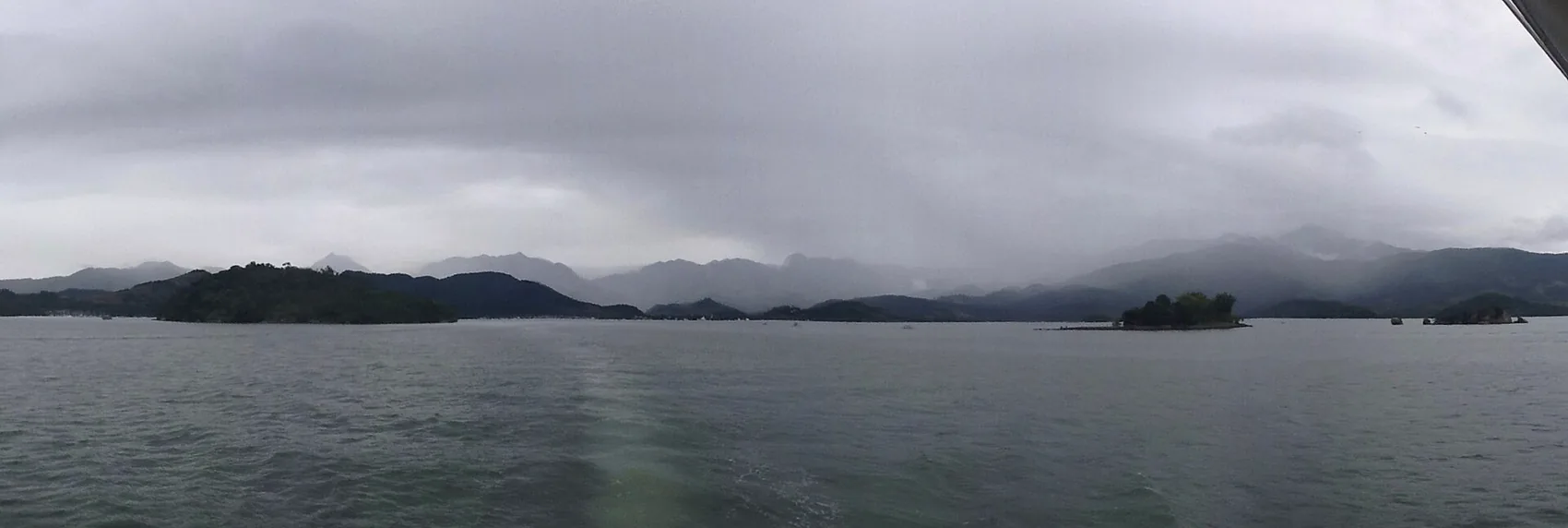
A bareboat charter means you rent the boat alone and skipper it yourself. You are the captain. That requires proven sailing experience, usually a recognised licence, and a sailing CV that the operator will ask to see before they hand over the keys. In practice, very few visitors to Paraty and Angra do a true bareboat, because navigating an unfamiliar archipelago with hundreds of islands, shifting channels and busy summer traffic is not the place to learn on your own boat.
A crewed charter means the boat comes with a captain, and often a cook or a deckhand as well. They handle the navigation, the anchoring, the paperwork and frequently the meals. You sit on the deck and decide, in loose terms, what kind of day you want. For the overwhelming majority of guests, crewed is the right and only sensible answer here. The captain's local knowledge, which cove is sheltered from today's wind, where the water is clearest at this tide, which lunch stop is worth the detour, is the single biggest factor in how good the day feels.
There is a useful middle path. You can charter a boat and hire a skipper for it separately, so you get the flexibility of a private vessel and the expertise of a local captain without owning the responsibility. On a day boat this is effectively the default. Expect a skipper to add a modest daily fee to the boat cost.
On licences: if you intend to helm the boat yourself, bring your sailing qualification and be ready to show it. If you have no licence and no ocean experience, do not worry about it for a second. Hire the boat with a skipper. That is what almost everyone does, and the paperwork stays entirely with the operator.
What it actually costs, by group size
Charter pricing here is genuinely hard to pin down from a distance, because it depends on the boat, the season, the day length and whether crew, fuel and food are bundled or billed separately. Rather than quote figures that will be wrong by the time you read them, here is the honest shape of the market and how to think about it.
A shared schooner day is the cheapest way onto the water: a modest per-person ticket, with drinks and any lunch bought on top. For a couple who want atmosphere over control, it is unbeatable value.
A private speedboat for a full day is priced for the whole boat, landing somewhere in the hundreds of US dollars for the group depending on the boat's size and speed, with fuel sometimes included and sometimes added. This is where the maths turns in your favour: a boat that costs a few hundred dollars for the day, split among six or eight people, brings the per-head cost down to roughly what a shared tour charges, while giving you a private vessel and your own route.
A crewed sailing yacht or catamaran by the week moves into several thousand US dollars, before you add the running costs. On these longer charters the extras matter: fuel, provisioning for the galley, marina and mooring fees, and a skipper's daily rate if one is not already included. A cook, where offered, is worth budgeting for on a multi-day trip.
The general rule is simple. The more people you are, the more sense a private charter makes, because the boat cost is fixed and the split falls. A solo traveller or a couple watching the budget should take the schooner. A family or a group of friends should almost always charter privately, because at that size it is barely more per person and immeasurably better.
A boat that costs a few hundred dollars for the day, split among eight friends, is the best-value luxury on this whole coast.
What is usually included, and what is extra
Read the offer carefully before you book. On a day charter, the boat and skipper are almost always included; fuel may or may not be; food and drink usually are not, though a cooler of ice is often provided. On a multi-day charter, the boat and captain are the base; fuel, provisioning, mooring fees and any additional crew are commonly billed separately or as a running kitty. National park entry fees, where a route enters protected waters, and the small charges at some island beaches are your own. None of this is expensive individually, but it adds up, so ask for the all-in figure rather than the headline price.
The classic day on the bay
If you do one thing on the water, do this. The standard Paraty bay day runs a loop that most boats, schooner or private, follow in some form, adjusting the exact stops to the tide and the wind.
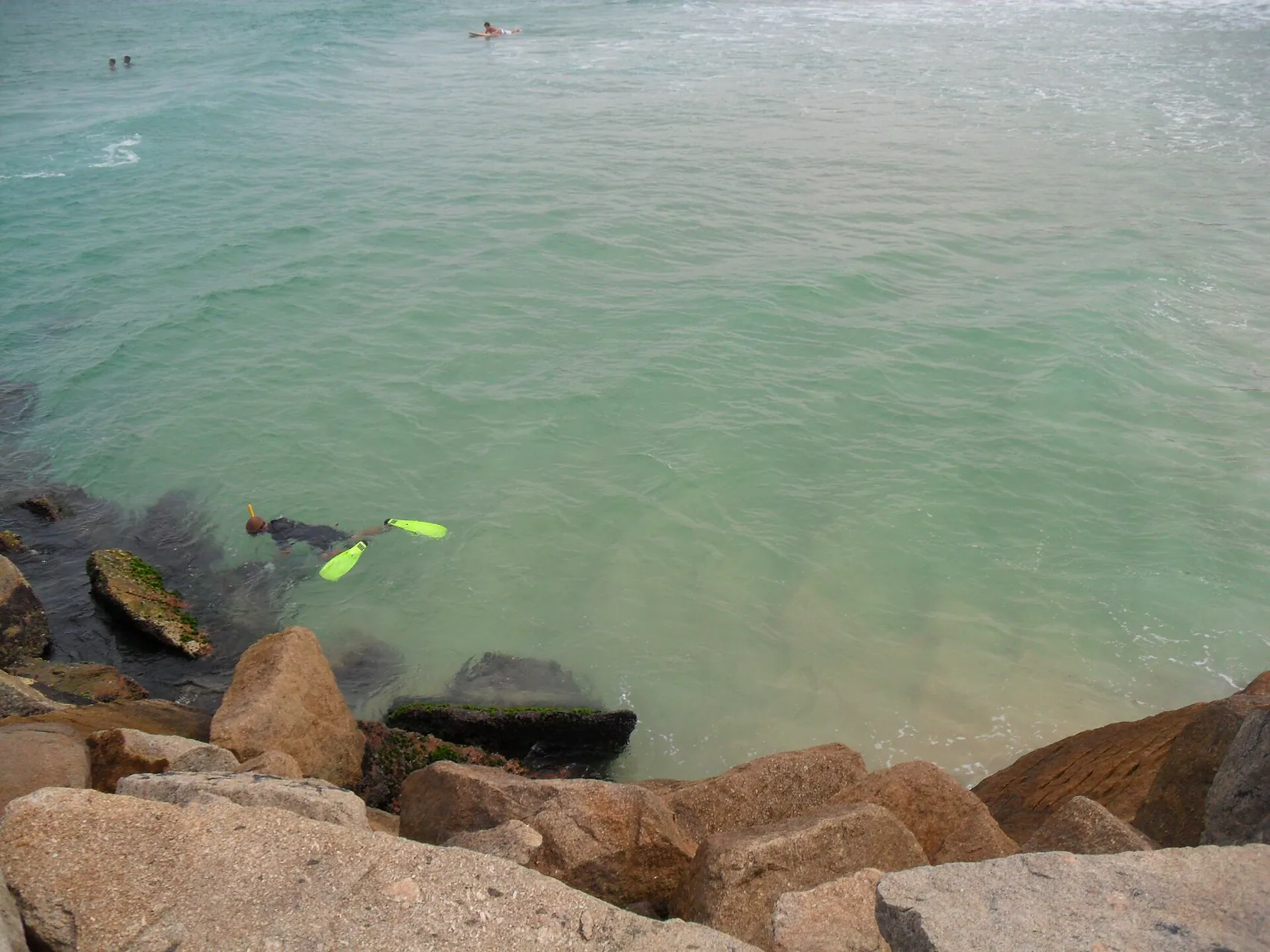
You leave the waterfront mid-morning and head out past the Forte Defensor Perpétuo, the small colonial fort on the point above town, which gives you the classic view back over the historic centre and the mountains rising behind it. From there the route threads between the near islands to a first sheltered cove for a swim, somewhere the water is calm and shallow enough to ease everyone in. The second stop is usually an island anchorage with clear water over sand and rock, the place for masks and snorkels, where the fish gather in the shallows. Around the middle of the day the boat pulls in at a beach with a handful of simple restaurants, where you eat grilled fish or a plate of prawns with your feet more or less in the sand. The afternoon brings one or two more swimming stops, quieter as the day tour boats begin their turn for home, and a last dip in the low golden light before the run back to the pier.
On a private boat you can bend this to your group. Skip the busiest cove, linger longer where the snorkelling is good, ask for the beach with fewer boats, or trade the standard lunch stop for a quieter one. The bones of the day stay the same because they work; the pleasure of a charter is the freedom to move the flesh around.
For the mechanics of the classic loop, what to bring and how the swimming stops actually run, the boat days guide goes stop by stop. If snorkelling is the point of your day, snorkelling and diving the Costa Verde covers where the water is clearest and what you will see.
Sailing across to Ilha Grande
Ilha Grande is the giant of the bay, a forested island with no cars, a single main village at Vila do Abraão, and a string of beaches that rank among the best in Brazil. From Paraty it is a longer crossing than the inner-bay loop, and from Angra dos Reis it is closer, which is one reason many multi-day charters base or provision at Angra.
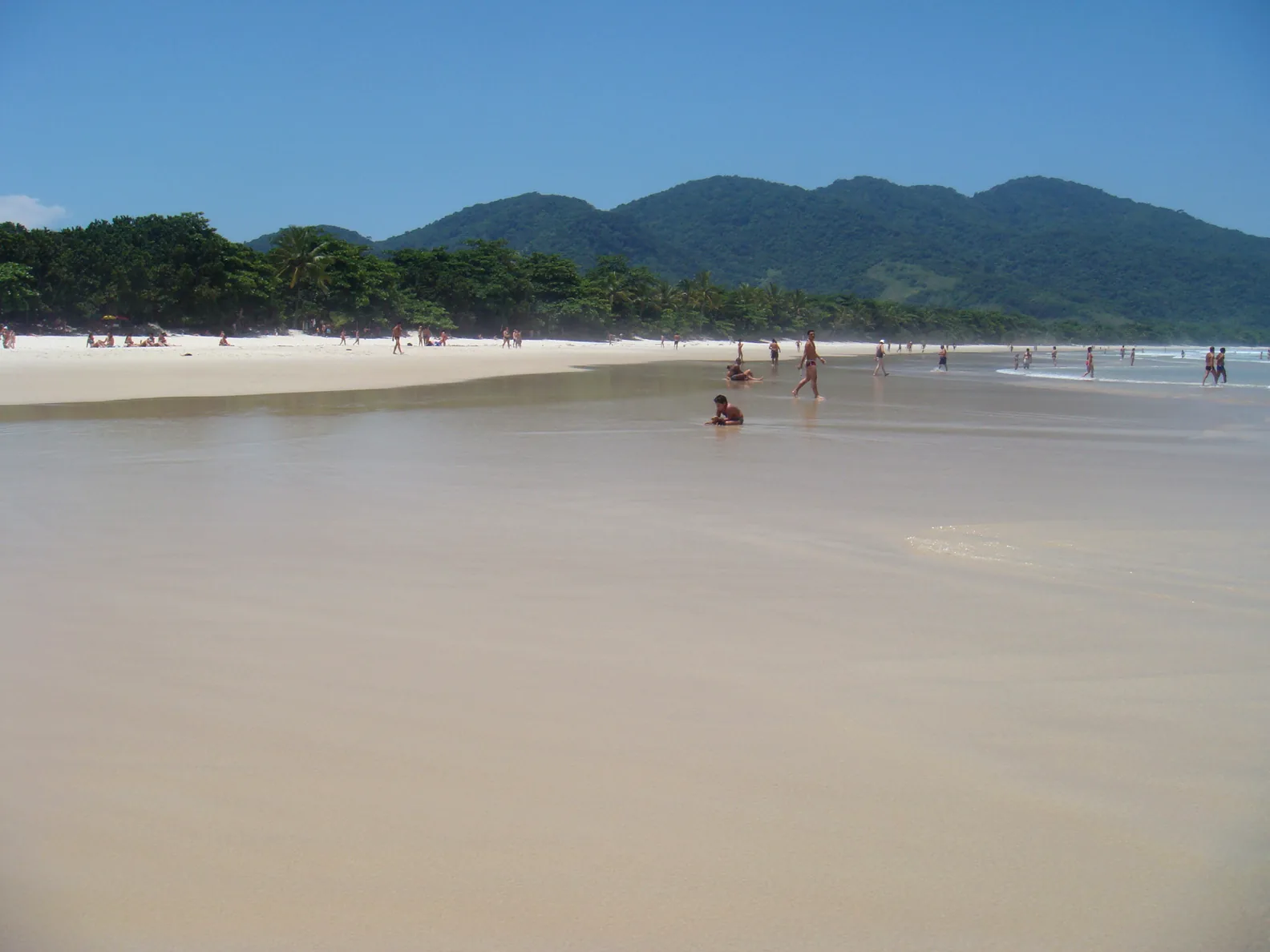
The prize on the island is Lopes Mendes, a long stretch of fine white sand on the exposed southeastern coast, backed by forest and washed by clean surf. Boats cannot land directly on Lopes Mendes because of the swell, so the usual approach is to anchor at a sheltered beach nearby and walk the forest trail over the headland, twenty minutes or so through the trees, coming out onto the sand. It is worth every step. On the calmer northern side of the island, the anchorages are gentler and the water flatter, better for a lazy swim than for surf.
The famous Lagoa Azul, the Blue Lagoon, sits among the small islands off Ilha Grande's northern shore: shallow, bright, clear water over sand where the snorkelling is easy and the fish are used to being fed. It is popular, which means it is rarely quiet, but the colour of the water earns its reputation. A good skipper will time your arrival for the gap between the tour fleets.
If you want the full picture of the island itself, the ferries and boats across, and where to stay if you overnight ashore, our dedicated Paraty to Ilha Grande guide handles the crossing and the island in depth.
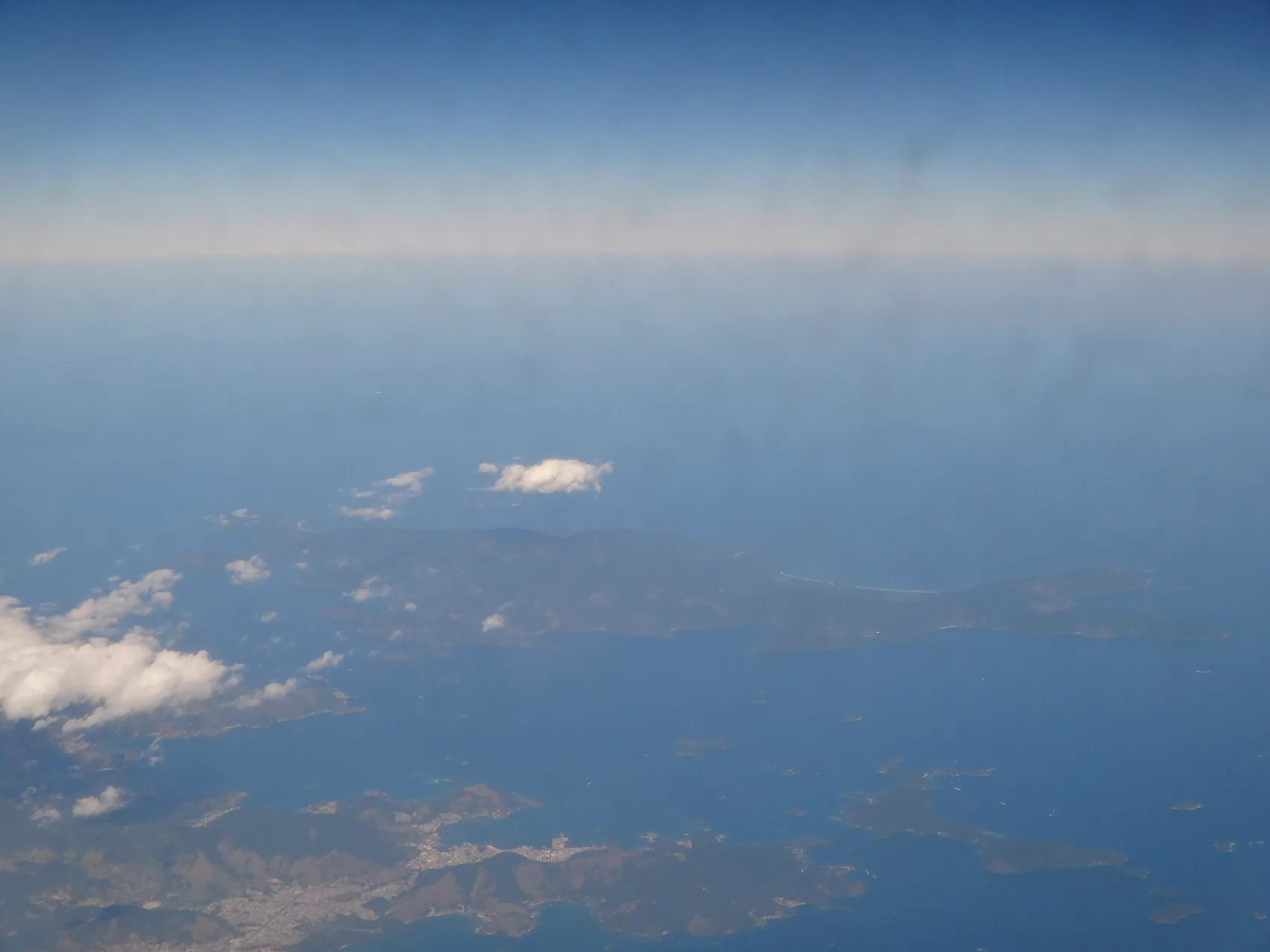
Saco do Mamanguá: the quiet inlet
Just south of Paraty, a long finger of sea reaches back into the mountains. This is Saco do Mamanguá, often described as the only tropical fjord in Brazil, a narrow inlet perhaps eight kilometres deep, hemmed by forested slopes and dotted with small fishing communities and mangrove at its head. The water inside is flat, warm and shallow, and it is one of the calmest anchorages on the whole coast.
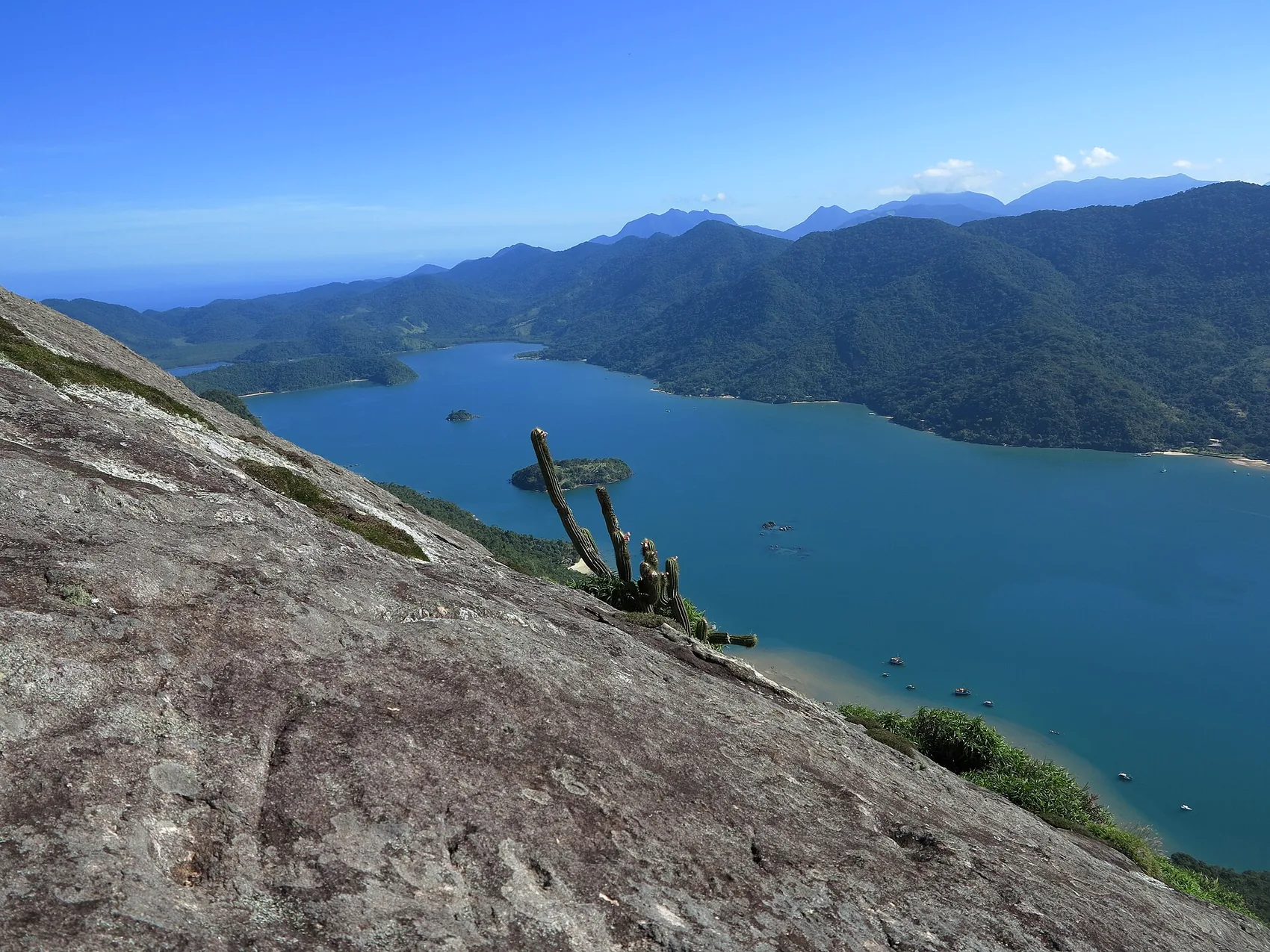
Mamanguá suits a slower kind of boat day. Rather than a loop of swimming stops, you come here to drop anchor, paddle a kayak or a board into the still water, eat oysters straight from the local farms, and, if you have the legs for it, climb the Pão de Açúcar do Mamanguá, the sugarloaf peak at the mouth of the inlet, for a view straight down the length of it. The climb is steep and takes a couple of hours up, but the payoff, the whole green inlet laid out below you with the sea beyond, is one of the best in the region. Many crewed charters use Mamanguá as an overnight anchorage precisely because it is so protected; you can sleep at anchor here in perfect calm.
Multi-day itineraries: sleeping at sea
If a day on the water leaves you wanting more, the coast rewards a longer charter. Here is how the common itineraries build up.
Two to three days
A short overnight charter typically runs out from Paraty or Angra, spends the first day working the inner-bay coves and beaches, and anchors for the night in a protected spot such as Saco do Mamanguá or one of the sheltered bays on Ilha Grande's northern side. The second day pushes further, to Lopes Mendes or the Blue Lagoon, before turning back. Waking up at anchor, swimming before breakfast with nobody else on the water, is the whole point, and it is a different experience entirely from a day trip.
A week
Seven days lets you round Ilha Grande completely without repeating an anchorage. A typical week might run from Angra out to the northern anchorages of the island, along the eastern coast to Lopes Mendes, on to the wild, protected beach at Aventureiro on the exposed southern side, back through the inner bay to Mamanguá, and home by way of the Paraty islands. On a catamaran with a cook aboard, a week like this is as close to disappearing as this coast offers, and the running cost per day falls the longer you stay out.
A week on the water pairs naturally with time ashore. Many groups split the trip: a few nights aboard, then back to a house on the hillside to recover, swim in fresh water and sleep on solid ground. That rhythm, sea then shore, is why a base like the chalé works so well alongside a charter, which we come back to below.
The seasons, and how they change a day at sea
Boats run all year on this coast, but the season changes the character of the day considerably.
Summer, December to February, brings the warmest water, the longest days and the busiest bay. It also brings a reliable pattern of afternoon thunderstorms: hot mornings that build to a downpour in the late afternoon, then clear. The lesson is to leave early. A morning departure gives you the best of the light and the calmest water, and gets you back before the sky turns. Summer is high season for a reason, but the anchorages are at their most crowded and the popular spots busiest.
Autumn and spring, March to May and September to November, are the quiet sweet spot for many. The crowds thin, the water stays warm, and the storm pattern eases. Prices soften off the summer peak. If you can travel outside the school holidays, this is arguably the best window for a charter.
Winter, June to August, is drier, clearer and cooler. The underwater visibility is at its best, which matters if snorkelling is your priority, and the bay is at its quietest. The air is cooler and the odd cold front can bring a grey, windy day, so pack a layer, but a clear winter day on the water, with the water still perfectly swimmable, is hard to beat.
For a fuller month-by-month breakdown, the best time to visit Paraty guide covers the weather patterns in detail, and how many days in Paraty helps you decide how much of your trip to give to the water.
Practical logistics: getting on and off the water
A few practical points make the difference between a smooth start and a fluster on the pier.
Where you board. Most Paraty charters leave from the town's waterfront or the nearby pier at the mouth of the river. Angra-based charters leave from the marinas at Angra dos Reis, roughly an hour up the coast from Paraty by road. If your boat is out of Angra, factor the drive in; if it is out of Paraty, you are a short trip from the chalé. Confirm the exact meeting point and time the day before, because pier logistics in high season can be busy.
Getting there from São Paulo, Rio and abroad. Paraty sits roughly midway between the two big cities, about four to five hours by road from São Paulo and around four hours from Rio de Janeiro, along the coastal highway. There is no commercial airport at Paraty itself; most international visitors fly into Rio or São Paulo and drive, or take the coastal bus. Our getting here from Rio and from São Paulo guides cover the routes and timing, and getting around handles the local logistics once you arrive.
What to bring aboard. Reef-safe sunscreen and a hat, because the sun on the water is stronger than it feels; a dry bag for your phone, wallet and a change of layer; your own mask and snorkel if you have them, since the loaner gear is variable; cash for the lunch stop, drinks and any beach fees; a light layer for the breezy ride home; and seasickness tablets if you are prone, taken before you leave the pier. Soft bags, not hard cases, stow far better on a boat.
A word on timing: in summer, book a morning departure. The water is calmest early, the light is best, and you will be back on the deck with a drink before the afternoon storm rolls through. Fighting for an afternoon slot in January is a false economy.
Booking ahead. In high summer and over the long holiday weekends, the good private boats book out days or weeks in advance. Off-season you can often arrange a boat with a day or two's notice. If you have a fixed date in mind, especially around New Year, Carnival or the July school holidays, book early. If your dates are flexible, you have more room to negotiate.
Why villa groups charter rather than book seats
There is a pattern to how groups staying in one house use the water, and it is worth spelling out because it explains the whole calculation.
When you are eight or ten people under one roof, the shared tour stops making sense. You do not want to be split across a schooner deck with fifty strangers, moving on somebody else's schedule, swimming when the boat stops. You want your own boat, your own cooler, your own route, and the freedom to turn a swimming stop into a two-hour lunch if the mood takes you. At that group size the private charter is barely more per head than the shared ticket, and it turns a pleasant outing into the day everyone talks about afterward.
The economics reinforce it. A private boat is a fixed cost for the vessel and the skipper. Divide that by two people and it is a splurge; divide it by ten and it is ordinary. So the larger the group, the more obviously a charter beats booking seats, which is exactly the group a villa gathers. The house does the gathering; the boat does the day.
The rhythm reinforces it too. A charter is a big day, sun and salt and motion from morning to late afternoon, and what you want when it ends is not a hotel corridor but somewhere to peel off the salt, swim in fresh water and sit down together as the light goes. This is where the chalé earns its place in a boating trip.
Coming back to the chalé after a day at sea
Chalé Bel Air sits about four hundred metres above Paraty, a short drive up from the waterfront, and the whole house is oriented toward the water you have just spent the day on. The deck holds a triple view, the Bay of Paraty in front of you, Angra dos Reis along the coast and the long shape of Ilha Grande across the water, so you come home to a map of exactly where you have been. When the boat drops you back at the pier, you are twenty minutes from your own infinity pool.
That matters more than it sounds. A day on the water leaves everyone happily wrecked: sunburnt shoulders, salt in the hair, sand in the bag, the particular tiredness of a day outdoors. The last thing a group in that state wants is a complicated evening. What works is simple: come back, rinse off, slide into the pool as the sky turns, and let dinner be unhurried. The chalé is built for exactly that turn of the day, the swim and the long evening on the deck after the boat. It is the place you come back to, and after a day at sea it is precisely where you want to be.
Many of our guests build their week around this rhythm without quite planning it: a boat day, then a slow day on the hillside, then a wander through Paraty's colonial centre and dinner among the seafood houses in town, then back to the water. The explore pages lay out what is within reach, and if you are weighing up dates or want a hand arranging a boat for your group, we are glad to help; just get in touch.
How to choose, in one page
To pull it together, here is the decision as simply as we can make it.
- Two people on a budget, wanting atmosphere: take a shared schooner day. Do it once, enjoy the deck, the music and the caipirinhas, and spend nothing you do not need to.
- A couple wanting privacy and a chosen route: hire a private speedboat for the day. It is the single best-value upgrade on this coast.
- A family or a group of friends: charter a private boat every time. At your group size the per-head cost is close to a shared tour, and the day is incomparably better.
- A group wanting to sleep at sea: charter a crewed catamaran for two to seven days. Base at Angra for the shorter run to Ilha Grande, provision properly, and let a captain who knows the bay build the route.
- Anyone who wants the water clearest: come in winter, June to August, and accept a cooler day for the best visibility and the quietest bay.
- Anyone at all: leave in the morning, bring cash and sunscreen, and let the skipper read the tide.
The water between Paraty and Angra is one of those rare places that lives up to the pictures and then some, and the barrier to enjoying it is lower than most people assume. You do not need to sail, you do not need a licence, and you do not need to spend a fortune. You need a boat that fits your group, a morning start, and somewhere good to come home to. The bay handles the rest.
When you are ready to plan, our guides on the beaches of Paraty, the ultimate guide to Paraty, and where to stay fill in the rest of the trip around your day at sea. The boat is the highlight. The house is where you watch the fleet go out the next morning, and decide to do it all again.
Come stay above the bay
Chalé Bel Air sits on the ridge that looks over everything in this guide. Tell us your dates and what kind of trip you are after — we answer personally.
Ask about your datesFrequently asked questions
How much does a yacht charter from Paraty or Angra cost?
Prices swing widely with the boat. A shared schooner day trip is inexpensive per person. A private speedboat for a day runs into the hundreds of US dollars for the group. A crewed sailing yacht or catamaran by the week reaches several thousand dollars, plus fuel, food, marina fees and a skipper if you need one. Split across a full villa group, the private options are more affordable than they first look.
What is the difference between bareboat and crewed charter?
Bareboat means you rent the boat and skipper it yourself, which requires proven sailing experience and usually a licence. Crewed means a captain, and often a cook, come with the boat and handle navigation, anchoring and meals. In the Paraty and Angra bay, most visitors take a crewed boat or hire a skipper for a bareboat, because local knowledge of the channels and anchorages matters.
Do I need a sailing licence to charter a boat in Brazil?
To skipper a boat yourself you generally need a recognised licence, and operators will ask for a sailing CV. If you have no licence or experience, you simply hire the boat with a skipper, which is the common choice here. The paperwork sits with the operator, so you are not navigating Brazilian bureaucracy yourself.
How many days do you need to sail the Ilha Grande bay?
A single day gives you a taste and a few swimming stops. Two or three days lets you reach the quieter anchorages and sleep at sea. A week lets you round Ilha Grande, visit Lopes Mendes and the wilder outer beaches, and never repeat an anchorage. Most villa groups do one full day on the water and leave the rest for the deck and the beaches.
Is the water between Paraty and Angra calm enough for a first-timer?
Yes, for most of the year. The bay is sheltered by Ilha Grande and hundreds of smaller islands, so the water inside stays flat and protected. Seasickness is uncommon on the inner routes. The open crossings on the outer coast get more swell, which is where a good skipper earns their fee.
What is Saco do Mamanguá and can you sail there?
Saco do Mamanguá is a long, narrow inlet just south of Paraty, often called Brazil's only tropical fjord. Its calm, shallow water is ideal for a quiet anchorage, a paddle or a hike up the Pão de Açúcar do Mamanguá for the view down the whole inlet. Many charters include it as an overnight or a lunch stop.
When is the best time of year to charter a boat here?
Boats run all year. The summer months from December to February bring the warmest water and the busiest bay, with afternoon storms that reward early departures. Winter, from June to August, is drier and clearer with the best underwater visibility, cooler air and far fewer boats on the water.