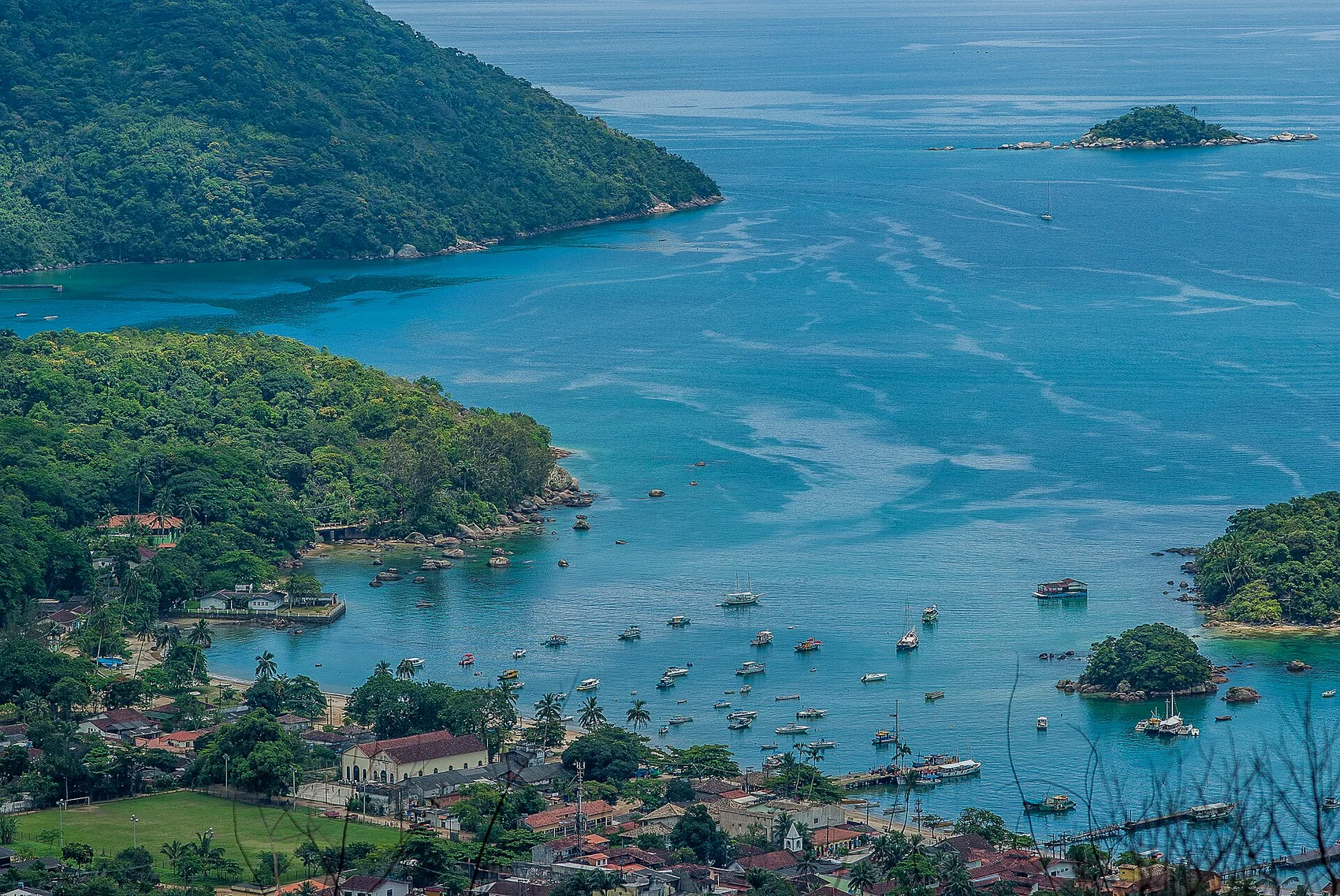
Paraty sits at the centre of a coastline made for day trips, with beaches, islands, a fjord, a pottery town in the mountains and a wall of waterfalls all within an easy drive or a short boat ride of the old port.
Paraty is the rare base where you can do very little and still feel you have seen a lot, because the interesting places come to you. The old port sits at the middle of the Costa Verde, the green stretch of coast between Rio de Janeiro and São Paulo, and almost everything worth a day out is within an easy drive or a short boat ride. Beaches reachable only on foot, an island the size of a small county, a fjord that cuts deep into the mountains, a pottery town in the cool air of the Serra, and a wall of forest streaked with waterfalls all sit inside the same soft arc of coast. You do not have to choose between the sea and the mountains here. You can have both in the same week, sometimes in the same afternoon.
That geography is the whole reason to think in day trips rather than a single fixed itinerary. The best Paraty day trips are not a ranked list you tick off in order; they are a set of moods you match to the weather and to how much energy you have that morning. A flat, glassy sea calls for a boat. A grey sky sends you up the mountain road, where cloud looks like scenery rather than a spoiled plan. A hot afternoon is for a waterfall you can slide down. Reading the day and choosing the right trip is the local skill, and it is one you pick up faster than you would think.
This guide walks through the trips that are genuinely worth your time, roughly in the order most people fall in love with them, and it is honest about the trade-offs: what is close and what only looks close, what fills up early, and what rewards patience. It also assumes you have somewhere calm to come back to at the end of each day. Our own is a hillside chalet with an infinity pool and a triple view of the bay, a short drive above the old town, and half the pleasure of a day out is the swim and the quiet that waits for you when you get home.
Why Paraty works as a base for day trips
Look at a map of the Costa Verde and Paraty's advantage is obvious. It sits at the bottom of a wide bay dotted with dozens of small islands, backed immediately by the steep green wall of the Serra da Bocaina and the Serra do Mar. To the north the coast runs toward Angra dos Reis and the huge bulk of Ilha Grande; to the south it slips across the state line into São Paulo and the long beach town of Ubatuba. Behind you, a single mountain road climbs to Cunha and the cooler highlands. Almost every kind of day out that Brazil's southeast can offer is inside a radius of an hour or two.
The other thing the map does not show is how the water behaves. Because the bay is sheltered by its islands and by Ilha Grande out on the horizon, the sea close to Paraty is usually calm, which is why boat days here feel gentle rather than adventurous. That calm is a gift to families, to anyone prone to seasickness, and to swimmers who want to slip off the back of a boat without a fight. It also means the schooner trips run most of the year, weather permitting, rather than only in a narrow window.
A base a short drive above town, rather than on a single beach, quietly widens all of this. From the hill you are minutes from the pier for a boat day, minutes from the road south to Trindade, and on the right side of town for the climb up to Cunha. You are not committed to one beach or one direction. You wake up, look at the sky and the sea, and then decide. That flexibility is worth more than proximity to any one attraction, and it is the argument for reading the rest of this guide as a menu rather than a schedule.
How to sequence day trips from a hillside base
The single most useful habit is to let the weather set the order. On the Costa Verde the sky changes fast, and a plan that survives contact with a real forecast is one with slack built in. We tell guests to hold at least one day loose, ideally in the middle of the stay, so a boat trip can slide off a windy day onto a calm one without wrecking everything else. Boats are the least forgiving of bad weather and the most rewarding in good, so they are the trip you protect and keep flexible.
Distance is the second thing to weigh, and it is easy to misjudge because the coast road is beautiful but slow. Kilometres here are not minutes. The road curls, it climbs, and in high summer it carries a lot of traffic, so a place that looks a short hop on the map can eat a chunk of your day in each direction. The land trips fall into a rough order: Trindade and the near waterfalls are close, Cunha and Ubatuba are a genuine outing, and Ilha Grande is a full commitment. Group your week so you are not driving hard two days running.
A simple rule of thumb for a week: one boat day, one beach village, one mountain or waterfall day, and one flexible day chosen by the weather. Slot a slow day at the chalet between the two most tiring outings and the whole week feels longer.
Third, be honest about what you actually enjoy. A family with small children has a very different best day from a couple who want a long hike to an empty beach. There is no shame in a day that is mostly a boat, a swim and lunch. Some of the finest days out here involve very little effort and a great deal of water. If you want to plan the shape of a whole visit rather than a single day, our guides on how many days to spend in Paraty and the three-day itinerary are a good place to start, and the explore page lays the region out at a glance.
Trindade: the classic Paraty day trip
If you do one land trip, make it Trindade. It is a former fishing village about 30 kilometres south of the old town, still inside the Paraty municipality, reached by a road that drops down through the forest to a run of beaches that were a backpacker secret a generation ago and are now simply a place everyone loves. The drive takes roughly 40 minutes to an hour depending on season and traffic, and the last stretch is steep and winding, so take it slowly and enjoy the sea appearing between the trees.
The beaches, in plain terms
Trindade strings together several beaches, each with its own character. The main village beach is the broad, easy one where families settle for the day, with the simple beach kitchens and the boats drawn up on the sand. Next along is a calmer, prettier stretch, and beyond that the sand gets wilder and the surf picks up. You can walk between several of them, which is the nicest way to spend a morning: pick a beach, swim, walk to the next, repeat. Bring cash, because the little kitchens along the sand are where you will want lunch and they are not set up for anything fancy.
The natural pool
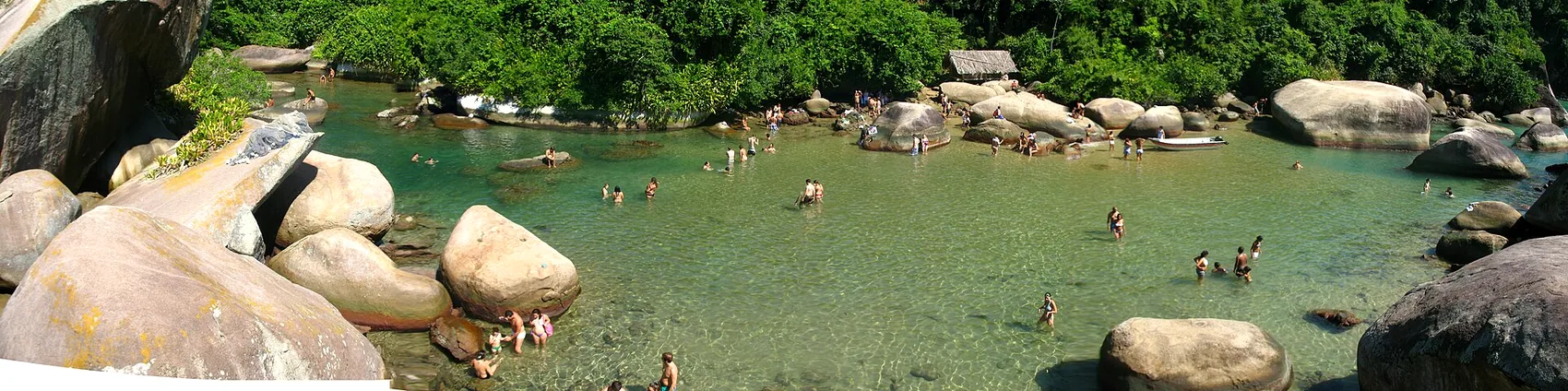
The prize at Trindade is the Piscina Natural do Cachadaço, a natural pool where rock formations enclose a patch of clear, shallow sea into something like a warm, calm aquarium. You reach it either by a short trail over the headland from the far beach, a walk of well under an hour that is uneven in places, or by a quick boat shuttle that local boatmen run for a small fee. Get there early. By late morning in summer the pool is busy and the light is harsh; in the first hours of the day it is calm, the water is glassy, and you can actually see the fish you came to see.
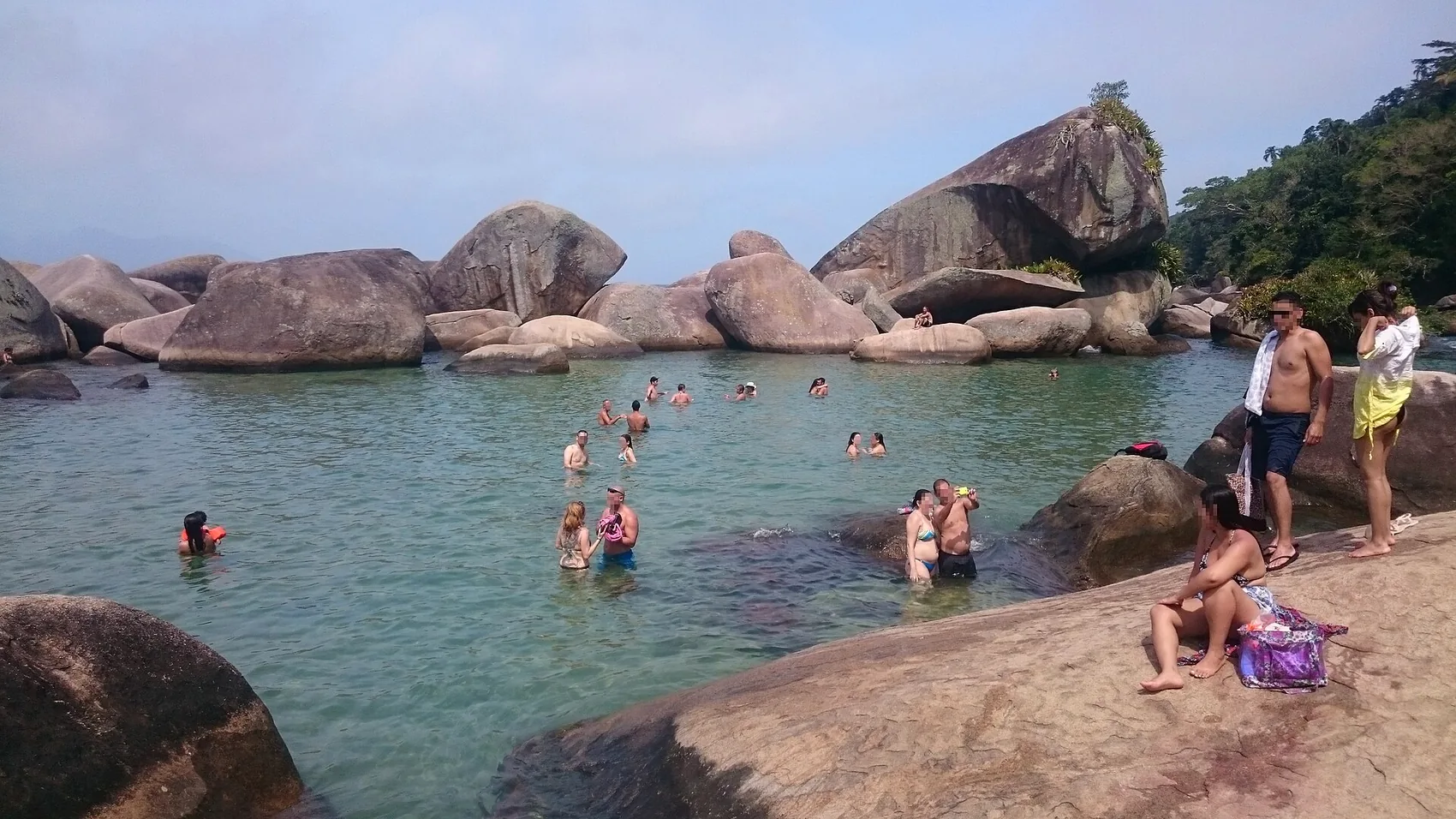
The honest trade-off with Trindade is its own popularity. It is small, the road in is narrow, and parking is limited, so on a hot summer weekend it can feel full by mid-morning. The fix is simple and it is the same fix for half the trips in this guide: leave early. A car pointed south by eight in the morning turns Trindade from a scrum into one of the loveliest mornings you will have. If you would rather trade the crowds entirely for solitude, our guide to Paraty-Mirim and the quiet beaches points the other way.
A day on the water: the classic schooner trip
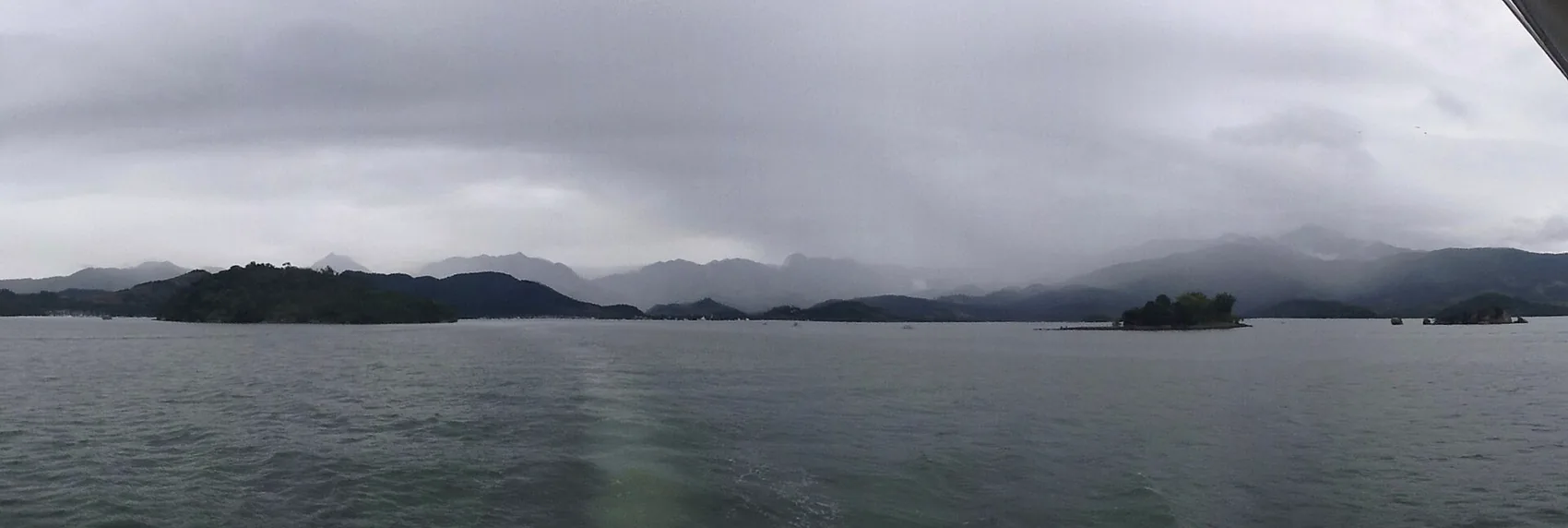
The most Paraty thing you can do is spend a day on a boat. The wooden schooners, the saveiros with their tall masts, leave from the waterfront through the morning and trace a slow loop of the near islands and coves, stopping several times so you can swim, snorkel and drink something cold in the shade of the deck. It is not an expedition. It is a floating, unhurried day, and it suits almost everyone: couples, families, groups of friends, and anyone who just wants the sea to do the work.
What the day actually looks like
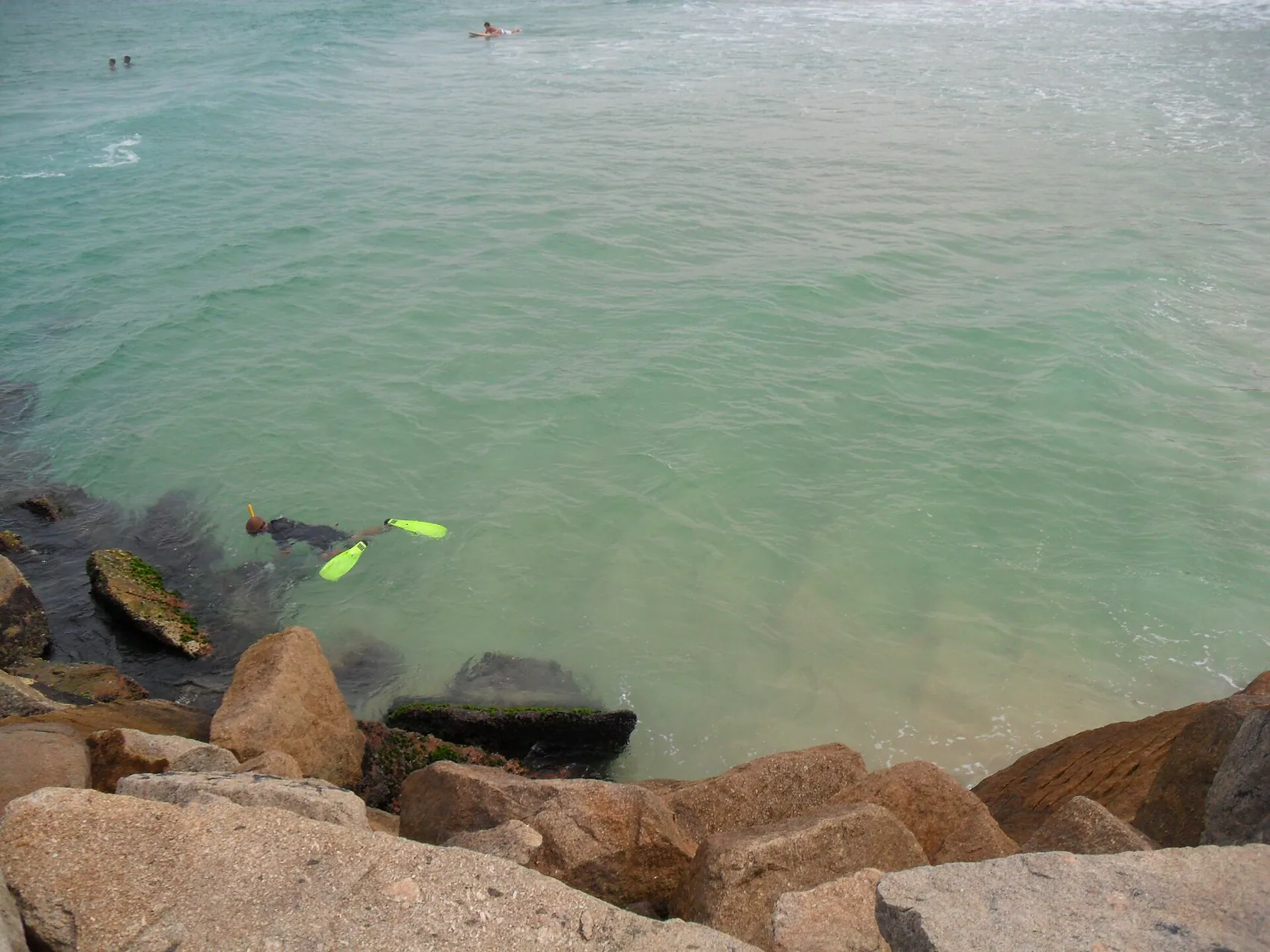
A typical loop takes in a handful of stops around the bay: an island beach, a calm anchorage where the water turns a pale green over sand, a snorkelling spot near the rocks, and usually a swim somewhere quiet enough to feel you have it to yourself. The boat provides the frame; the swims are the day. Lunch is either brought along or bought at one of the island kitchens, and the pace is deliberately slow. You are meant to lie on the deck between stops, not tick off sights.
Shared boat or private
There are two ways to do it. The shared schooners are sociable and inexpensive, leave to a set route, and are a fine introduction to the bay. A private boat costs more but buys you the route and the timing: you choose the coves, you linger where you like, and you can duck the busier anchorages for the quiet ones. For a special occasion, a family with young children, or anyone who wants to swim away from the crowd, the private option earns its price. Either way, book the day before rather than turning up at the pier, especially in high season, and if the morning looks windy, ask about moving it. For everything about doing the water properly, see our dedicated boat days page.
The boat provides the frame; the swims are the day.
Saco do Mamanguá: the fjord day
Just south of Paraty the coast pinches into something unusual for Brazil: a long, narrow arm of sea that reaches deep inland between two ridges, often described as the country's only tropical fjord. Saco do Mamanguá is shallow, sheltered and lined with mangroves and small fishing communities, and it is a wonderful place to spend a slow day by kayak or stand-up paddleboard, gliding on flat water with the forest rising on both sides.
Most people reach it by driving to the Paraty-Mirim area and then taking a small boat or paddling in, and the sheltered water makes it forgiving even for beginners on a board. The signature effort, for those who want it, is the climb to the Pico do Pão de Açúcar de Mamanguá, the pointed peak that stands over the mouth of the inlet. It is a real hike, steep and sweaty, but the view down the length of the fjord from the top is the kind you remember for years. You do not have to climb to enjoy Mamanguá, though; plenty of good days here are spent entirely at sea level with a paddle.
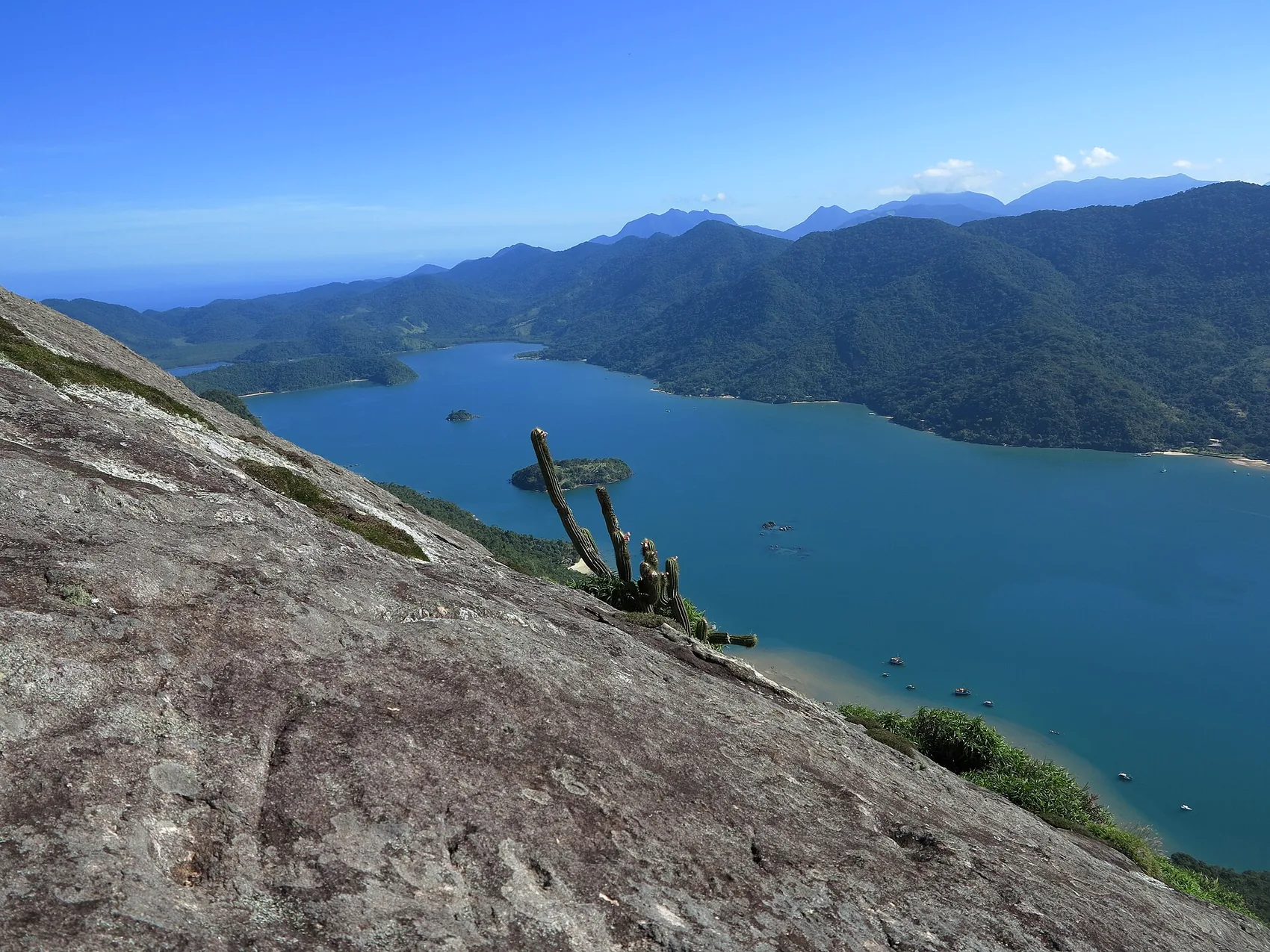
Mamanguá is the gentle, green counterpoint to the open-sea schooner day, and it suits travellers who like their water calm and their scenery close. If you want to combine paddling with a mask and fins, our notes on snorkelling and diving on the Costa Verde cover where the clear water is and when to find it.
Ilha Grande: the big island day
North of Paraty, out where the bay opens to the ocean, sits Ilha Grande, a large, mountainous, car-free island that is one of the great names of the Brazilian coast. It has some of the most celebrated beaches in the country, no roads to speak of, and a village, Vila do Abraão, where the boats come in. It is genuinely worth seeing. It is also the most demanding day trip in this guide, and it deserves a clear-eyed look before you commit a day to it.
Getting there is the catch
Ilha Grande is not off Paraty; it is a good drive up the coast and then a boat ride across. You typically drive an hour or more to a mainland departure point such as Conceição de Jacareí or Angra dos Reis, then cross by boat to Abraão. Fast boats make the crossing in well under an hour; the cheaper scheduled ferries take considerably longer. Add it up and a fair chunk of your day is spent getting to the island before your beach time starts. None of that is a reason to skip it, but it is a reason to leave very early and keep the on-island plan simple.
What to do once you land
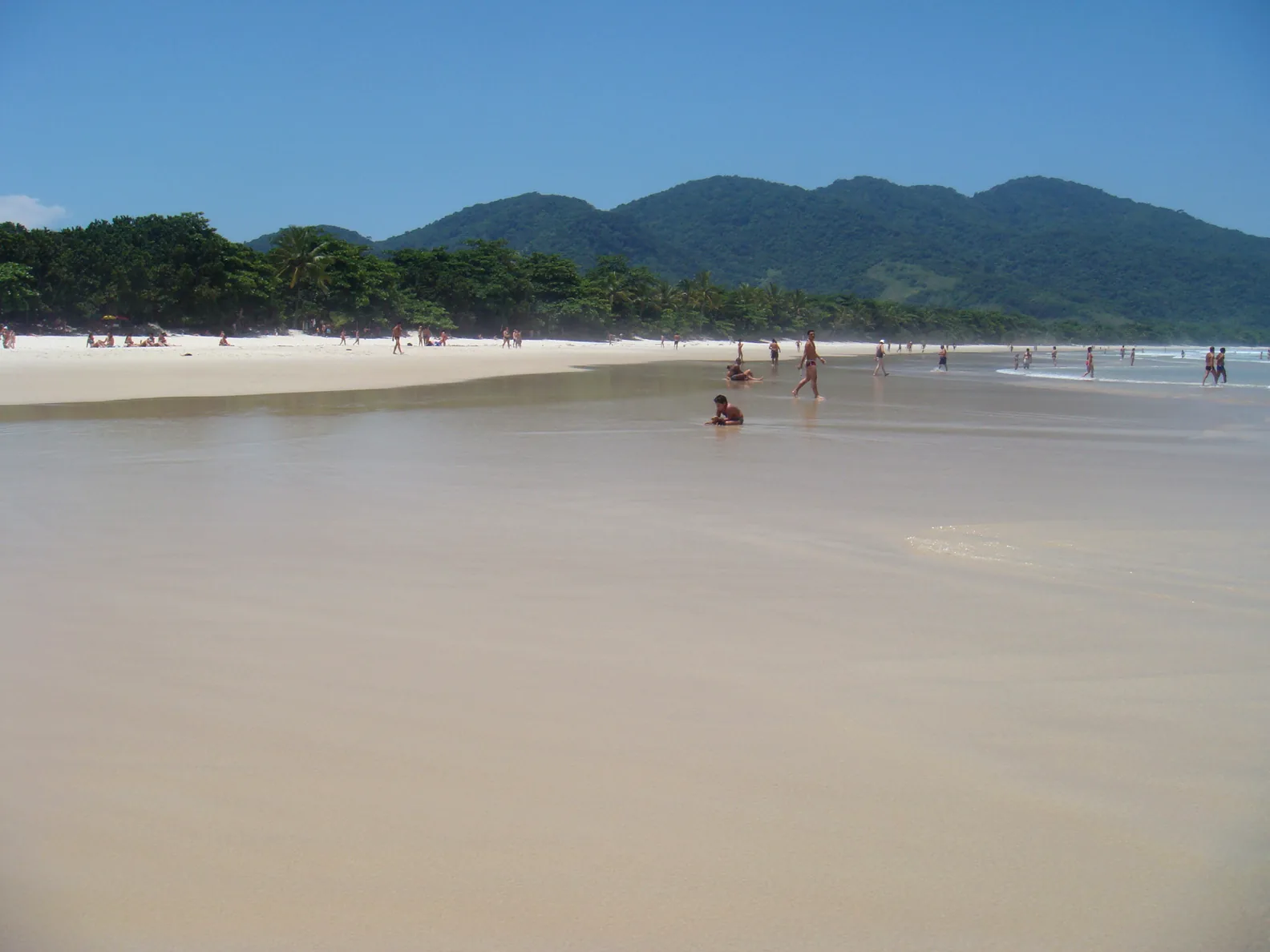
From Abraão the famous beaches still take effort. Lopes Mendes, the long white beach that tops so many lists, is a forest hike of a couple of hours each way, or a shorter boat hop followed by a short walk. The Lagoa Azul, the pale blue snorkelling lagoon, and beaches like Aventureiro sit on the far side of the island and are best reached by boat. The realistic day trip, then, is to land, pick one thing, and do it well, rather than trying to circle the island. If Ilha Grande is high on your list, the honest advice is to give it a night. We make that case in full in our guide to going from Paraty to Ilha Grande, which covers the crossings and where to base yourself.
The Cunha road: pottery, mountains and cool air
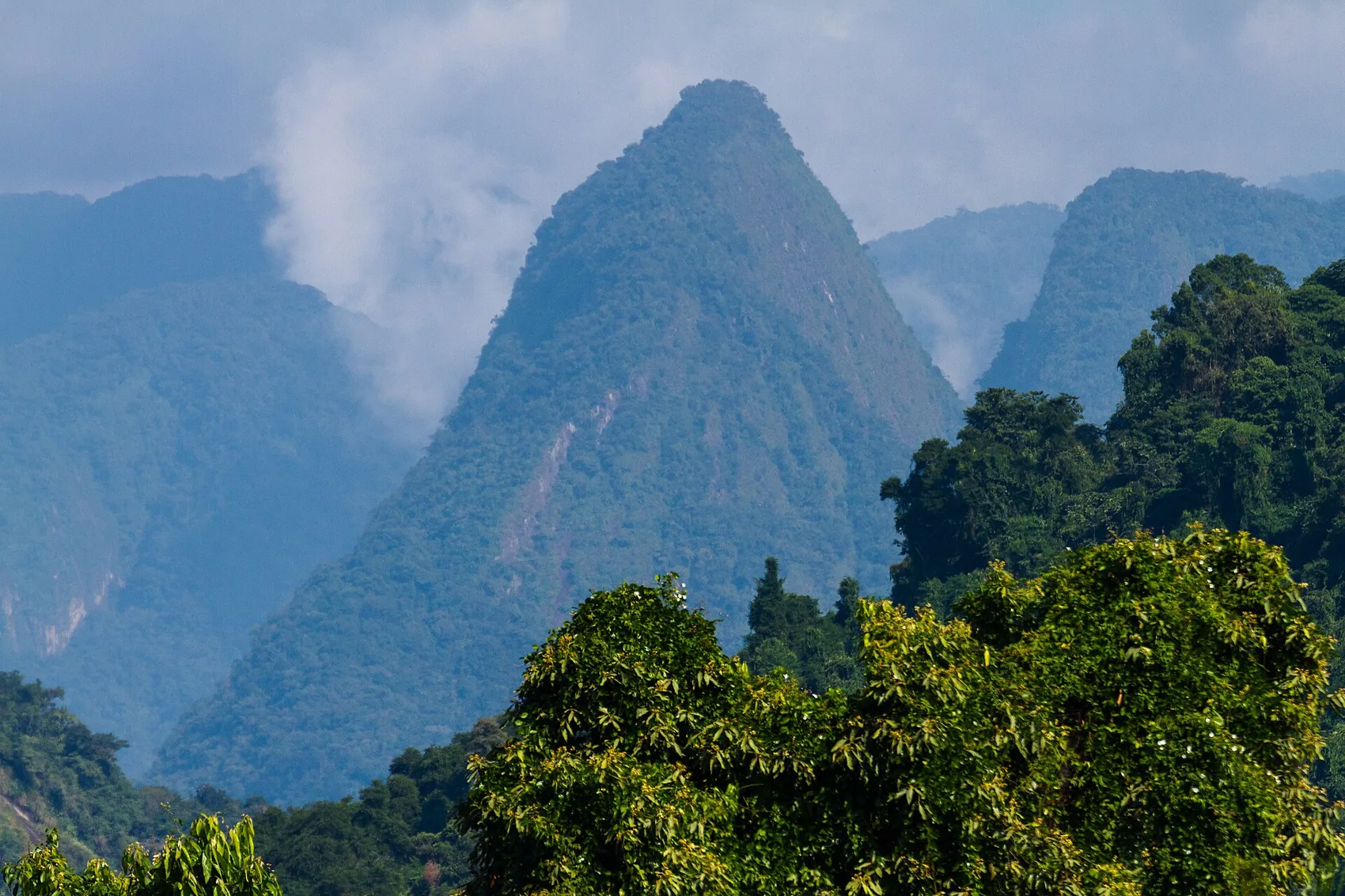
When the coast is hot or the sea is grey, go up. The road out of Paraty that climbs the Serra toward the little town of Cunha is one of the best drives in the region, switchbacking up through the Atlantic forest into a highland landscape that feels a world away from the beach. The town sits just over the line in São Paulo state, and the climb is part of the old Estrada Real, the royal road that once carried gold down to the port. It is a bit over an hour of driving, most of it slow and winding, so treat the journey as part of the trip rather than a transfer.
The ceramics town
Cunha is one of Brazil's great pottery towns. Since the 1970s, when a small group of Japanese, Portuguese and Brazilian ceramists settled here, it has grown into a serious centre for high-fired stoneware, built around the noborigama, the traditional Japanese wood-burning kiln that climbs a slope in chambers. There are more than a dozen studios in and around the town, several of which welcome visitors, and watching a kiln at work or simply browsing shelves of glazed stoneware is a lovely, unhurried way to spend the middle of a day. Pieces here are the kind of thing you actually carry home, small enough to pack and good enough to keep.
Why the altitude matters
The other reason to make the trip is the change of air. Cunha sits high enough that it is noticeably cooler and often misty, with a landscape of pine and eucalyptus and small farms that looks nothing like the coast below. On a hot week it is a relief; on a cloudy one it turns the weather into an asset. Bring a layer, because the temperature drop is real, and give yourself time for the drive back down before dark, since the mountain road is not one to rush in the dark. For more on matching trips to the season, our guide to the best time to visit Paraty is worth a look.
Waterfalls and the Gold Trail
You do not have to go far for falling water. A short drive inland from the old town, on the road that heads up toward the mountains, the forest is laced with waterfalls, and the most famous of them is set up almost like a natural playground. This is one of the easiest and most rewarding half-days you can have, and it is a fine antidote to a beach-heavy week.
The Tobogã waterfall
The Cachoeira do Tobogã is a smooth, sloping rock that the river runs over like a natural slide. Confident locals ride it feet-first into the pool below, and watching them is half the fun even if you keep to a gentle paddle at the edge. Nearby, the Poço do Tarzan is a deeper pool where the brave leap from the rocks. The rock is slick, so this is a place to respect: watch how others do it, wear something on your feet, and do not attempt the slide or the jumps unless you are sure. Around the falls there are simple bars and a small colonial chapel, so you can turn a swim into an easy afternoon.
The Caminho do Ouro
The same corner of the region holds the Caminho do Ouro, the Gold Trail, a stretch of the original stone-paved road that once carried gold from the mines of Minas Gerais down to Paraty's port for shipping to Portugal. Walking a section of it, ideally with a local guide who can read the history into the stones, is a good pairing with the waterfalls: a short forest hike on a road built by hand three centuries ago, ending at a swimming hole. It is history you can walk on, and it connects the beach town to the deeper story of why Paraty exists at all, which our guide to the history of Paraty tells in full. For more walking options, see hiking around Paraty.
Ubatuba: crossing into São Paulo
Head south from Paraty and within an hour you cross the state line into São Paulo and reach Ubatuba, a sprawling beach town with a reputation for having more beaches than anyone can count. Where Paraty is a compact colonial port, Ubatuba is spread out along a long stretch of coast, with dozens of beaches ranging from calm family bays to serious surf breaks. It is a different flavour of the same coastline, and it makes a good day out if you want a change of scene or a particular kind of beach that Paraty's sheltered bay does not offer.
The practical note is that Ubatuba is long. The good beaches are strung out over many kilometres, so you cannot see it all in a day and should not try. Pick a stretch, whether it is a calm bay for swimming or a surf beach with a bit of energy, and settle in. There is also a well-regarded aquarium and marine research presence in the town, which makes it a stronger option than you might expect for a family with children on a day the sea is rough. For travellers coming from São Paulo in the first place, Ubatuba is often the gateway to the whole region, so a day trip there can double as a scouting mission for a future stay.
Paraty-Mirim and the quiet corners
Not every day out needs to be a production. Close to town, the small bay of Paraty-Mirim offers a gentler, quieter version of the Trindade day: a calm beach, the ruins of an old church, and easy access to the mouth of the Mamanguá inlet. It is the sort of place you go when you want the sea without the crowd, and it works beautifully as a half-day when a bigger trip has been rained off or when you simply want less.
From Paraty-Mirim and the other small piers around town, boatmen will run you out to nearby island beaches for a modest fee, which is the poor man's version of the schooner day and often just as good. A local boat, a cool box, and a beach reachable no other way is a fine and inexpensive afternoon. These quieter corners are covered in depth in our guide to Paraty-Mirim and the quiet beaches, and they are the trips that turn a good week into a relaxed one.
The historic centre, when the trip is staying put
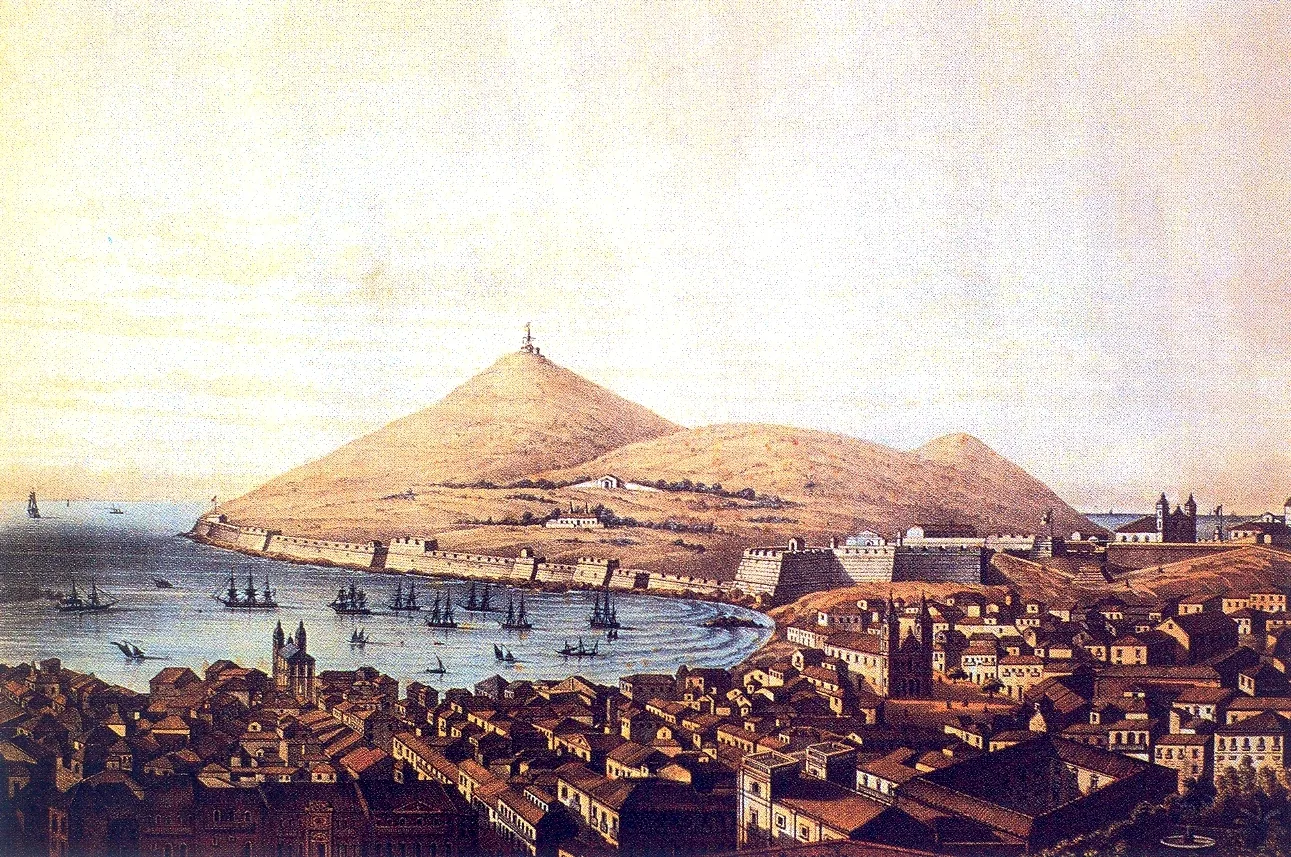
It is worth saying that the best day trip some days is no trip at all beyond the old town. Paraty's historic centre, with its uneven cobblestones, whitewashed houses and colonial churches, is a destination in its own right, and on a rainy day or a tired one it rewards a slow wander far more than a long drive would. The cobbles were laid to let the tide wash the streets clean, the churches each served a different part of colonial society, and the whole town is a working piece of the eighteenth century rather than a museum.
Give the centre a proper morning at least once, ideally early when the light is soft and the streets are quiet, and let it anchor the trips around it. Our guides to the colonial architecture and churches and to where to eat in Paraty turn a wander into something richer, and the town's calendar of festivals, from the literary festival FLIP to the Festa do Divino, can turn an ordinary week into a memorable one; our guide to Paraty festivals and events has the timing.
Cachaça, food and the trips that end at a table
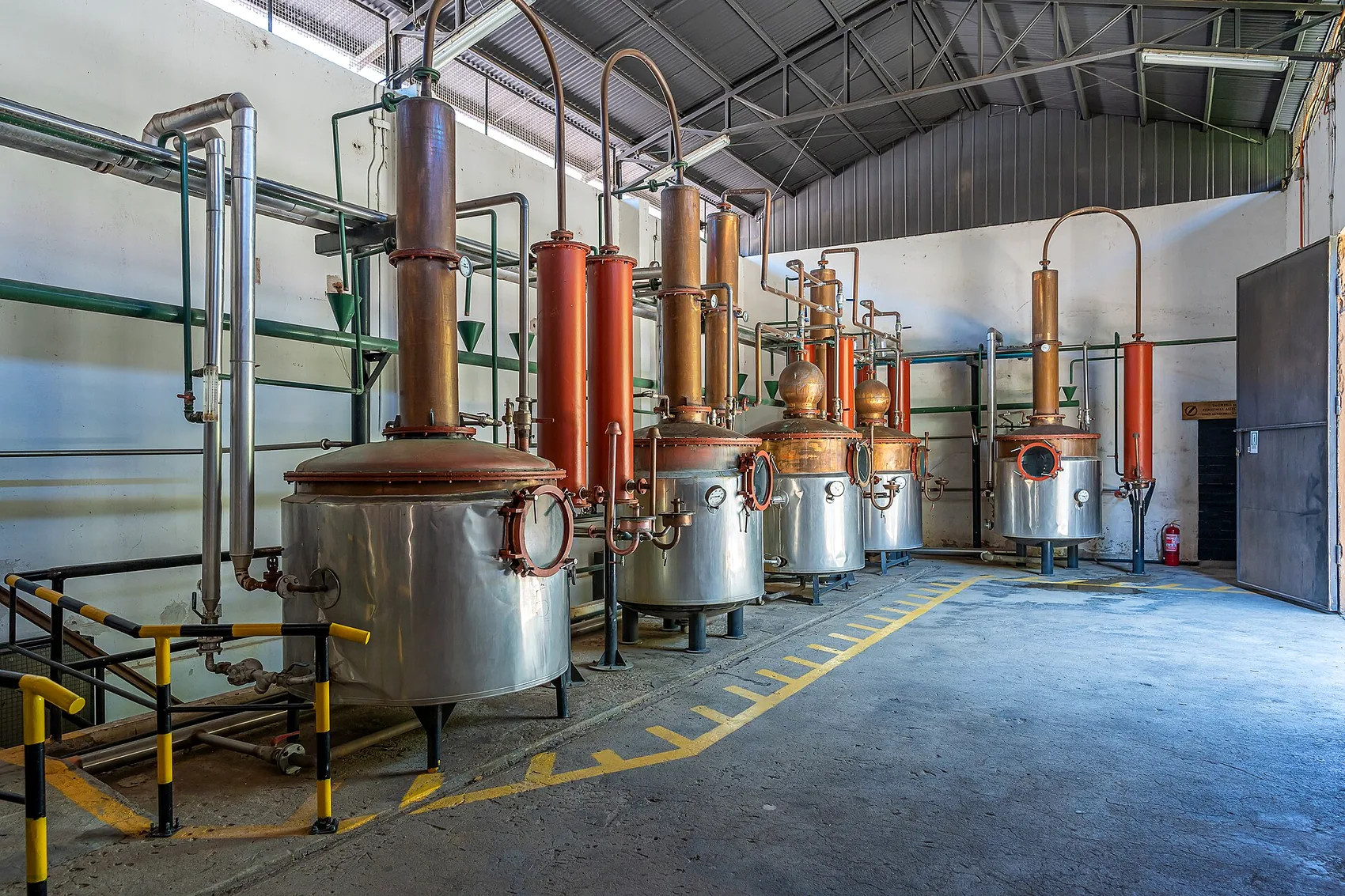
Some of the best day trips here are really excuses to eat and drink well at the end. Paraty is a historic centre of cachaça, the sugarcane spirit, and several working distilleries in the hills around town welcome visitors for tastings of the small-batch bottles that are a world away from the industrial stuff. A morning at a couple of stills, with a lunch of grilled fish afterwards, is a gentle, grown-up day that pairs neatly with the Gold Trail or the waterfalls, since they lie in the same direction.
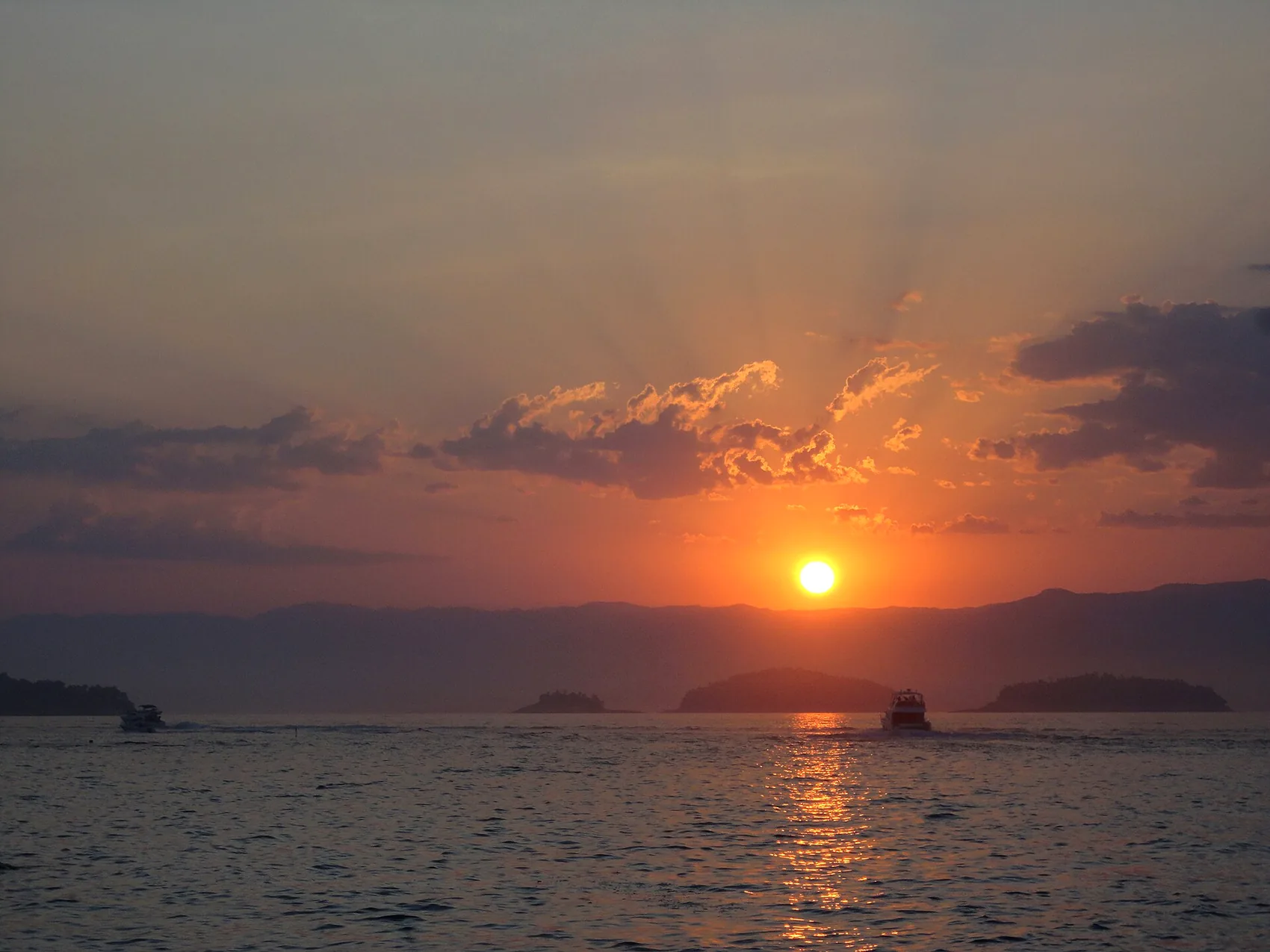
The food itself is reason enough to plan a trip around a meal. The regional dish to seek out is moqueca, a slow seafood stew of fish or prawns cooked with tomato, onion, coconut milk and dendê oil, served bubbling with rice and pirão. The seafood houses at the harbour end of town do it well, and a boat day that ends with a moqueca and a caipirinha as the sun drops is close to the platonic ideal of a Paraty afternoon. Our guide to the cachaça distilleries maps the tasting route, and where to eat in Paraty handles the table.
The practical side: driving, boats and guides
A few practicalities make all of these trips smoother. On driving: a rental car unlocks the land trips, but the coast road is winding, the mountain road to Cunha demands attention, and parking in Trindade and the old town is tight in season. Drive in daylight where you can, especially on the mountain roads, and never rush the descents. If you would rather not drive at all, transfers, taxis and tour pickups cover most of what is in this guide, and plenty of guests mix a couple of self-drive days with organised ones. Our getting around page has the detail.
On boats: book a day ahead in high season, ask about the forecast, and do not be shy about postponing if the wind is up, because a rough day at sea is nobody's idea of fun and the calm alternative is usually only a day away. On guides: for the Gold Trail, a serious hike, or anything involving history or wildlife, a good local guide is worth every centavo, both for safety and for the layer of meaning they add. And on timing, the through-line of this whole guide bears repeating.
Leave early. It is the single best piece of advice for almost every trip here. The popular places, from Trindade to Ilha Grande to the waterfalls, are all transformed by arriving in the first hours of the day, before the crowds, the heat and the harsh midday light.
What to pack for a day out
The kit for a Costa Verde day trip is simple but easy to get wrong. Reef-safe sunscreen and a hat are non-negotiable; the tropical sun is stronger than it feels with a sea breeze on you. Bring water shoes or sturdy sandals, because so many of the good spots involve a rocky trail, a slippery waterfall or a walk over hot sand. Carry cash in small notes, since the beach kitchens, boatmen and small studios rarely take cards. Pack a dry bag for phones and cameras on boat and kayak days, a light layer for the cool air up in Cunha, and insect repellent for the forest trails. A full rundown lives in our guide to what to pack for Paraty.
One more small thing that makes a difference: keep the day's plan short. The temptation, especially with a rental car and a long list, is to stack three attractions into one day and spend it all driving. The trips in this guide are better done one at a time, with room to linger, swim again, and change your mind. A day with a single good aim and a lot of slack is worth two days of hurried box-ticking.
Putting a week together
Here is how the pieces fit into a relaxed week, offered as a shape rather than a rule. Arrive and take the first day slow, in the old town and by the pool, letting the drive out of you. Give the calmest-looking morning to a boat, whether that is a shared schooner loop of the islands or a private day of your own choosing. Save a hot afternoon for the Tobogã waterfall and a section of the Gold Trail. Devote a full, early-starting day to Trindade and its natural pool, or to Ilha Grande if you are set on the big island and prepared for the travel. Use a cloudy day to climb to Cunha for pottery and cool air, and keep one day entirely loose for the sea to decide.
Threaded through all of it are the quiet days that do not appear on any list: the morning you skip the trip entirely, swim in the pool, watch the boats work the bay far below, and go no further than the harbour for lunch. Those days are not the gaps between the good ones. Often they are the ones you remember. A composite of the guests we see happiest usually looks the same: they picked three or four trips, spaced them out, and let the rest of the week be soft. If you want help shaping the days around your own group, our guide to a luxury long weekend and the fuller ultimate guide to Paraty go deeper still.
Whatever mix you choose, the coast rewards the traveller who does less, better. Paraty gives you an unusual amount to reach for and no pressure to reach for all of it. Pick the trips that match your mood and the sky, leave early, eat well, and come back up the hill each evening to a swim and a view that makes the whole day feel earned. When you are ready to plan the specifics of your stay and your days out, get in touch; there is nothing we like more than pointing guests toward the right trip for the right day, and the best of them are often the ones you would never have found on a list.
Come stay above the bay
Chalé Bel Air sits on the ridge that looks over everything in this guide. Tell us your dates and what kind of trip you are after — we answer personally.
Ask about your datesFrequently asked questions
What are the best day trips from Paraty?
The strongest options are Trindade for its beaches and natural pool, a schooner day around the bay islands, Ilha Grande for the big beaches like Lopes Mendes, the Cunha mountain road for pottery and cooler air, the Tobogã waterfall and Gold Trail, and Ubatuba across the state line in São Paulo. Most travellers pick three or four across a week rather than trying to do everything.
How far is Trindade from Paraty?
Trindade is a fishing village about 30 kilometres south of the old town, roughly 40 minutes to an hour by car depending on traffic and season. It is still within the Paraty municipality, so you never leave the region. Go early in high summer, because the small road and limited parking fill up fast.
Can you visit Ilha Grande as a day trip from Paraty?
You can, but it makes for a long day. You drive an hour or more to a departure point such as Conceição de Jacareí or Angra dos Reis, then cross by boat to Vila do Abraão before your beach time even begins. It works if you leave early and keep your on-island plan simple; if you want the famous beaches unhurried, an overnight is better.
Do I need a car for day trips from Paraty?
For the land trips a car is by far the easiest way, especially the Cunha mountain road, the waterfalls and Ubatuba. Boat days and Trindade can be done with transfers or organised tours, so some guests skip the rental and mix taxis, tour pickups and the occasional private driver. A hillside base a short drive above town leans toward having wheels for at least part of the stay.
What is the Cunha pottery road near Paraty?
Cunha is a small mountain town just over the state line in São Paulo, reached by the winding road that climbs the Serra do Mar out of Paraty. Since the 1970s it has been a centre for high-fired stoneware, with wood-burning noborigama kilns and a cluster of ceramics studios you can visit. The air is cooler up there, which makes it a good change of pace from the coast.
When is the best time of year for day trips from Paraty?
The drier, clearer months from roughly April to October give you the most reliable boat and beach days, with calmer seas and better visibility. The summer from December to February is hot, green and busy, with more afternoon rain and fuller roads. Whatever the season, build in a flexible day so you can move a boat trip if the weather turns.
How many day trips can I fit into a week in Paraty?
Three or four is a comfortable rhythm over a week, leaving room for slow mornings and time in the old town. A workable pattern is one boat day, one beach village such as Trindade, one trip up into the mountains or to the waterfalls, and a fourth chosen by weather. Spacing them with rest days is the difference between a holiday and a checklist.