The water off Paraty sits where tropical, subtropical and cooler southern currents overlap, which is why a single dive here can hand you reef fish, a turtle and a sea horse in the same twenty minutes. Here is how to dive it well.
Most people come to Paraty for the town, the schooners and the beaches, and only later discover that some of the best of the coast is underwater. Scuba diving Paraty is not the postcard image of the place, and that is exactly why it stays quiet. The water here sits at a meeting point, where warm tropical currents drifting down the coast run into cooler water pushing up from the south, and that overlap gives the diving a character you do not get further north. A single dive can hand you a curious sea turtle, a moray tucked into the rock, a sergeant major cloud and a sea horse gripping a sea fan, all in the same sheltered cove.
This guide is written from the deck of a house that looks out over the whole thing. From up here you watch the dive boats fan out each morning past the fort and toward the islands, and by mid-afternoon you watch them come back. Over the years we have sent a lot of guests down for their first breaths underwater and welcomed a fair number of certified divers who came for the town and left talking about the reef. What follows is the honest version: where the sites are, how the courses work, what you will actually see, how the water changes through the year, and how to choose the right kind of operator for the kind of diver you are.
None of this requires you to be an athlete or a veteran. The Costa Verde is one of the gentler corners of the Brazilian coast to learn in. The bays are protected, the currents are usually mild, and the shallow sites are forgiving. If you have never breathed off a regulator in your life, you can do it here in the morning and be back at the chalet for a swim in the infinity pool by the afternoon, blinking a little and slightly changed by it.
Why the Costa Verde surprises divers
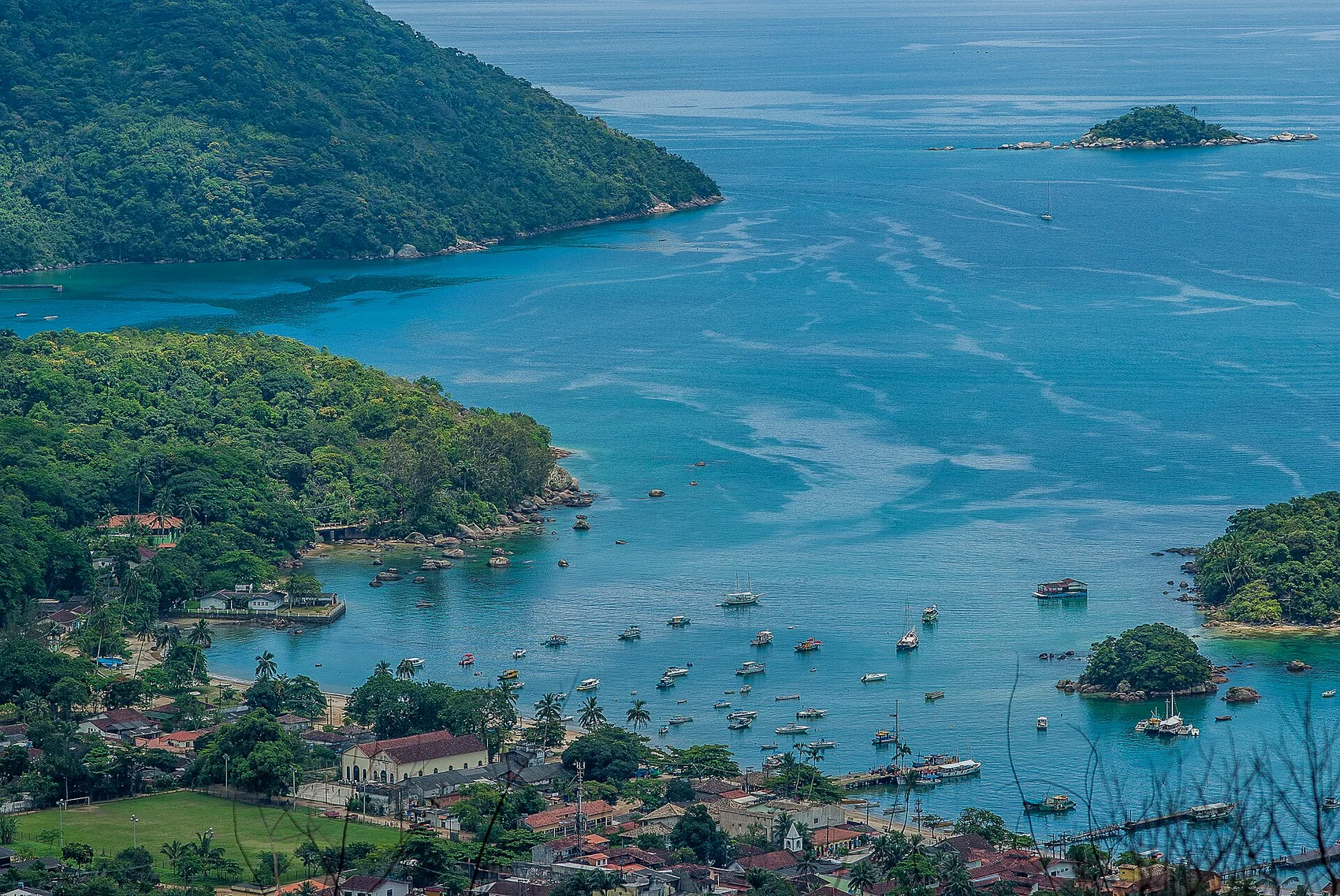
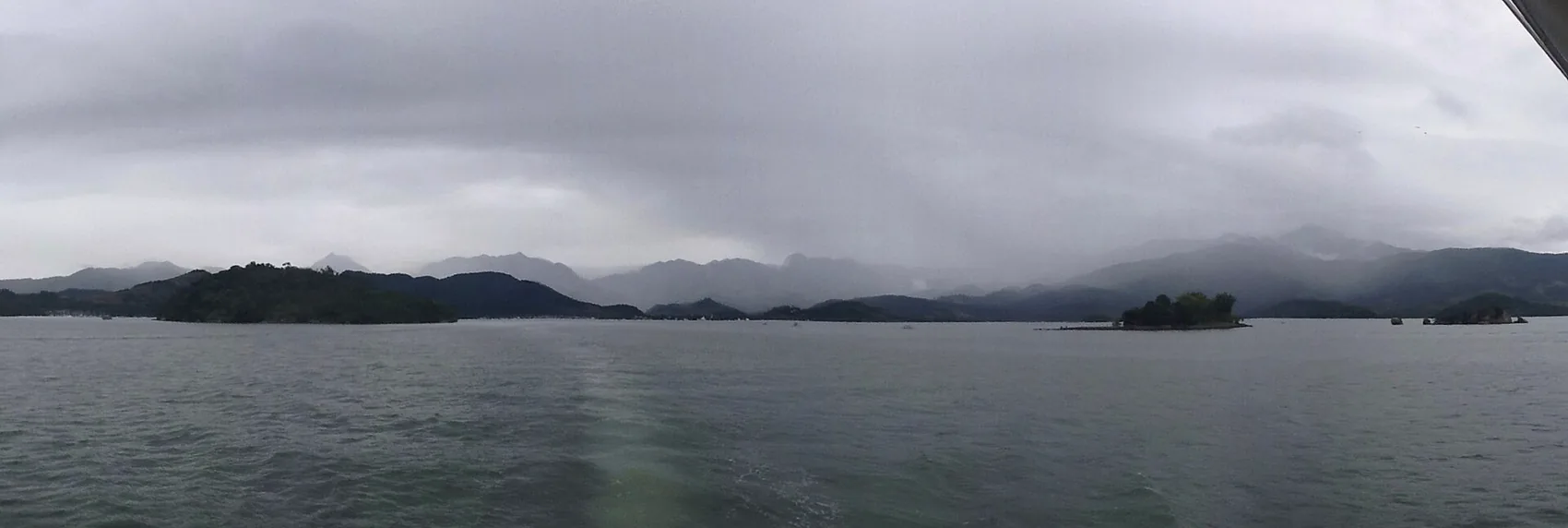
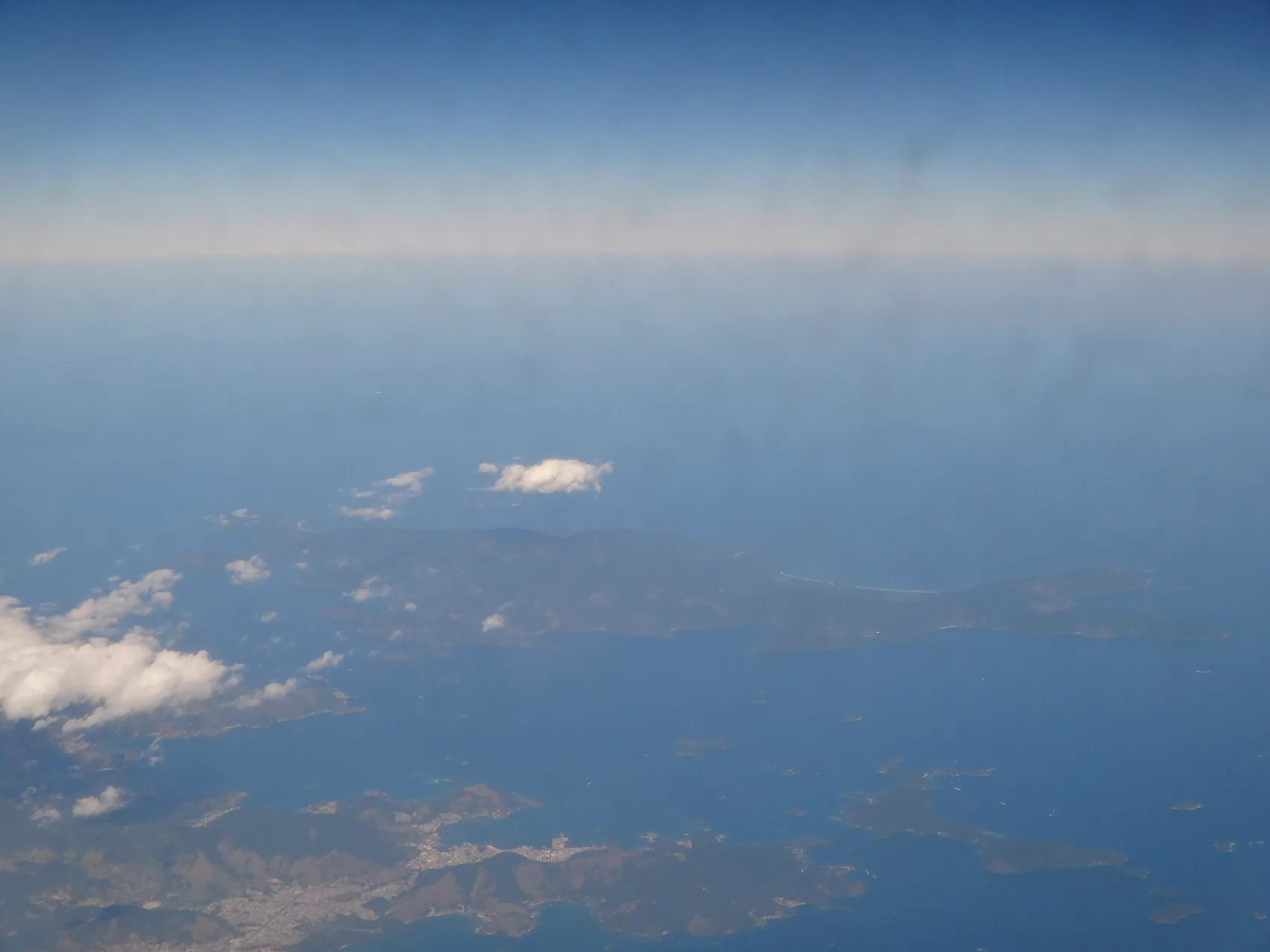
The Costa Verde, the Green Coast, runs from Rio de Janeiro down toward the border with São Paulo state, and Paraty sits about two thirds of the way along it. The name is literal: the Serra do Mar mountains come down almost to the shoreline, dense with Atlantic Forest, and the sea in front of them is broken up into a maze of bays, channels and islands. The Bay of Paraty, the larger Angra dos Reis waters and the mass of Ilha Grande together hold hundreds of islands and countless coves. All of that geography does something useful for diving: it shelters the water. Wind that would churn an open coast into a mess gets broken up by headlands and islands, so there is nearly always somewhere protected to dive.
The other thing that makes this stretch unusual is biological. Marine biologists describe the southeast Brazilian coast as a transition zone, where tropical fauna from the warm north and temperate fauna from the cool south both reach their limits and mingle. In practice that means the reef life here is a genuine mix rather than a single postcard palette. You are not diving a pure coral reef, and you are not diving cold kelp either. You are diving rock, sand and sponge gardens where warm-water fish and cooler-water species share the same boulders. Divers who have logged reef time in the Caribbean or the Red Sea sometimes arrive expecting one thing and are quietly surprised by another.
It helps to set expectations honestly. This is not Fernando de Noronha or the clear tropical water of the far northeast, where you can see forty metres and swim with sharks in gin-clear blue. Visibility here is more modest and the palette is more muted. What you get in exchange is variety, calm conditions, short boat rides, real marine life and, most of the time, very few other divers in the water. If you want to understand how the region fits together above the surface first, our ultimate guide to Paraty is the place to start, and the Paraty to Ilha Grande guide covers the crossing that most dive trips are built around.
Scuba diving Paraty versus basing yourself on Ilha Grande
There are two ways to dive this coast, and the right one depends on how serious you are about the diving itself.
The first is to dive from Paraty. Operators here run day trips out to the sheltered sites in the bay and toward Angra dos Reis, picking islands with calm, clear water and easy depths. This is the natural choice if you are staying in or above town, because you leave in the morning, dive one or two sites, eat lunch somewhere on the water, and are back by late afternoon with time for a shower and a proper dinner. For a guest at a hillside chalet with a pool waiting, that rhythm is hard to beat. You get the diving without giving up the town.
The second is to base yourself on Ilha Grande for a night or two. The island sits closer to the deeper offshore sites, the pinnacles and the wreck, and the dive centres there run shorter transfers to reach them. Committed divers who want the advanced sites, or who want to do several dives over consecutive days, sometimes prefer to stay on the island and dive it hard. The trade-off is that Ilha Grande is car-free, rustic and busy in season, and the accommodation is simpler than what you will find on the mainland hills. Our full Ilha Grande guide walks through what staying there is really like.
For most people reading this, the answer is Paraty. Do the diving as a day out, keep the comfortable base, and let the boat do the work of getting you to the water. If you find you have caught the bug, you can always add an island night later.
A practical tip: if you are certified and travelling with a partner or friends who are not, book a trip that combines a certified dive with snorkelling from the same boat. Everyone stays together, the non-divers float above the same reef, and nobody spends the day waiting on a dock. Our snorkelling and diving overview covers the shallow-water side in more detail.
The dive sites, from easy to advanced
Sites here are described by island, point or shipwreck rather than by a single famous reef. Conditions and access change with the wind, so operators pick from a menu on the day rather than promising one spot. These are the ones you are most likely to hear named, arranged roughly from beginner-friendly to demanding.
Sheltered island sites around Paraty and Angra
The bread and butter of local diving is the cluster of protected sites around the islands in the bay and toward Angra dos Reis. Ilha dos Meros is one of the best known, a calm, current-free site with a maximum depth around 13 metres, quiet enough that instructors use it for first dives and courses. Sites around Ilha Comprida and the smaller islets offer the same recipe: shallow rock and sand, mild conditions, and enough fish and invertebrate life to keep a beginner busy. These are the sites where a discover-scuba dive usually happens, and where a lot of Open Water certifications are earned. Nothing about them is dramatic on paper, and that is the point; they are safe, sheltered classrooms with real marine life in them.
Lagoa Azul and the shallow reefs of Ilha Grande
On the north side of Ilha Grande, Lagoa Azul is the site everyone knows, a calm, clear-watered bay that doubles as a snorkelling and beginner-diving spot. The water is shallow and forgiving, the fish are used to people, and on a good day the visibility is among the best in the immediate area. It gets busy with day boats in high season, so an early start or a private trip pays off. Around the island there are other coastal reefs in the same easy category, shallow rock formations where reef fish, octopus and the occasional turtle keep beginners entertained without ever asking much of them.
Parcel dos Coroneis and the offshore pinnacles
Step up in ambition and you reach the offshore rocky sites, the pinnacles and parcels that rise from deeper water. Parcel dos Coroneis is often named by local divers as the best site in the waters around Ilha Grande, a long formation reaching depths of over 20 metres, several hundred metres in extent, where bigger schools gather and the marine life is noticeably denser than on the sheltered coastal sites. Sites like these ask more of you: greater depth, sometimes some current, and the confidence that comes with a certification and a few dives under your belt. They are where the diving stops being a novelty and starts being a reason to come back.
The Pinguino wreck
The signature advanced dive of the region is the Pinguino, a former Brazilian Navy vessel that was sunk in the 1960s and now lies at around 30 metres near Ilha do Jorge Grego, off the outer side of Ilha Grande. Over the decades the hull has become an artificial reef, drawing groupers, moray eels, lionfish and dense schools of fish into and around the wreck. At 30 metres it is a deep dive, which puts it firmly in advanced territory: you need the right certification, favourable conditions and an operator who runs it properly. It is not a dive for your second day underwater. But for certified divers it is the one that fixes the Costa Verde in memory.
A single dive here can hand you a turtle, a moray and a sea horse in the same twenty minutes.
Trying it for the first time: discover scuba
If you have never dived, this coast is a good place to start, and you do not need to commit to a course to find out whether you like it. The entry point is the discover-scuba dive, sometimes called a baptism dive or in Portuguese a batismo. An instructor takes you, usually one-to-one or in a very small group, through the basics on land and in shallow water: how the gear works, how to breathe slowly and steadily off the regulator, how to clear your ears as you descend, and the handful of simple signals you will use underwater. Then you go down together, staying shallow, with the instructor holding your attention and your buoyancy the whole time.
No certification is required for this, and no prior experience. There are health caveats, which the operator will ask you about with a short medical questionnaire; certain heart, lung, ear or sinus conditions, recent surgery, or pregnancy can rule diving out or require a doctor's sign-off, so answer honestly. Most reasonably healthy adults, and children above the minimum age that operators set, can do a discover dive. You should not fly within roughly 18 to 24 hours after diving, which matters if you are timing this against a flight home.
What it feels like is hard to describe until you have done it. The first few breaths underwater fight every instinct you have. Then something settles, the noise of your own breathing becomes the only sound, and a reef that looked flat and grey from the boat resolves into a busy, three-dimensional place with fish going about their day an arm's length from your mask. Plenty of guests who booked a discover dive as a one-off box to tick have come back up asking about the full course. If that happens to you, the Costa Verde is a fine place to keep going.
Getting certified: courses and what they involve
If you want to dive properly, without an instructor gripping your harness, you need a certification. The two systems you will meet here are PADI and SSI, both internationally recognised, and the entry-level qualification from either is the goal. The names differ slightly but the structure is the same.
Open Water, the first real certificate
The entry-level course, PADI Open Water Diver or the SSI equivalent, is the one that turns you into a certified diver able to dive to around 18 metres with a buddy anywhere in the world. It has three parts: theory, which you can now largely do online before you arrive; confined-water skills, practised in shallow, calm conditions until they are second nature; and open-water dives on real sites to prove you can do it for real. Done in a block it takes roughly three to four days. The sheltered sites around Paraty and Ilha Grande are well suited to it, because the calm, shallow water lets you concentrate on the skills instead of fighting conditions.
A word of realism on timing. If you want to certify during a short trip, do the online theory before you travel. That frees your days here for the water instead of a classroom, and it means a long weekend can realistically include a certification rather than just the start of one. If you are planning that kind of trip, our guide on how many days to spend in Paraty and the luxury long weekend itinerary will help you budget the time honestly.
Advanced, specialties and going deeper
Once certified, the next step is usually the Advanced course, which extends your depth limit and introduces skills like deeper diving, navigation and night diving through a series of guided dives. This is the certification that opens up the deeper local sites, the pinnacles and eventually the Pinguino wreck. Beyond that lie specialty courses and, for those who want to turn diving into something more, the professional path toward Divemaster and instructor. You do not need to think about any of that on a first trip; it is enough to know the ladder exists and that the region has the sites and the operators to climb it.
Diving with children and mixed-ability groups
Families ask about this often. Children can generally start supervised bubble-maker style experiences young and junior certification from around ten, with depth limits that step up with age, but the exact rules and minimum ages are set by the agency and the individual operator, so check before you promise anything to a ten-year-old. For a mixed group where some dive and some do not, the trick is to book a boat that carries both divers and snorkellers to the same site, so nobody is stranded. Our Paraty with kids guide has more on keeping younger travellers happy on and off the water.
The marine life you will actually see
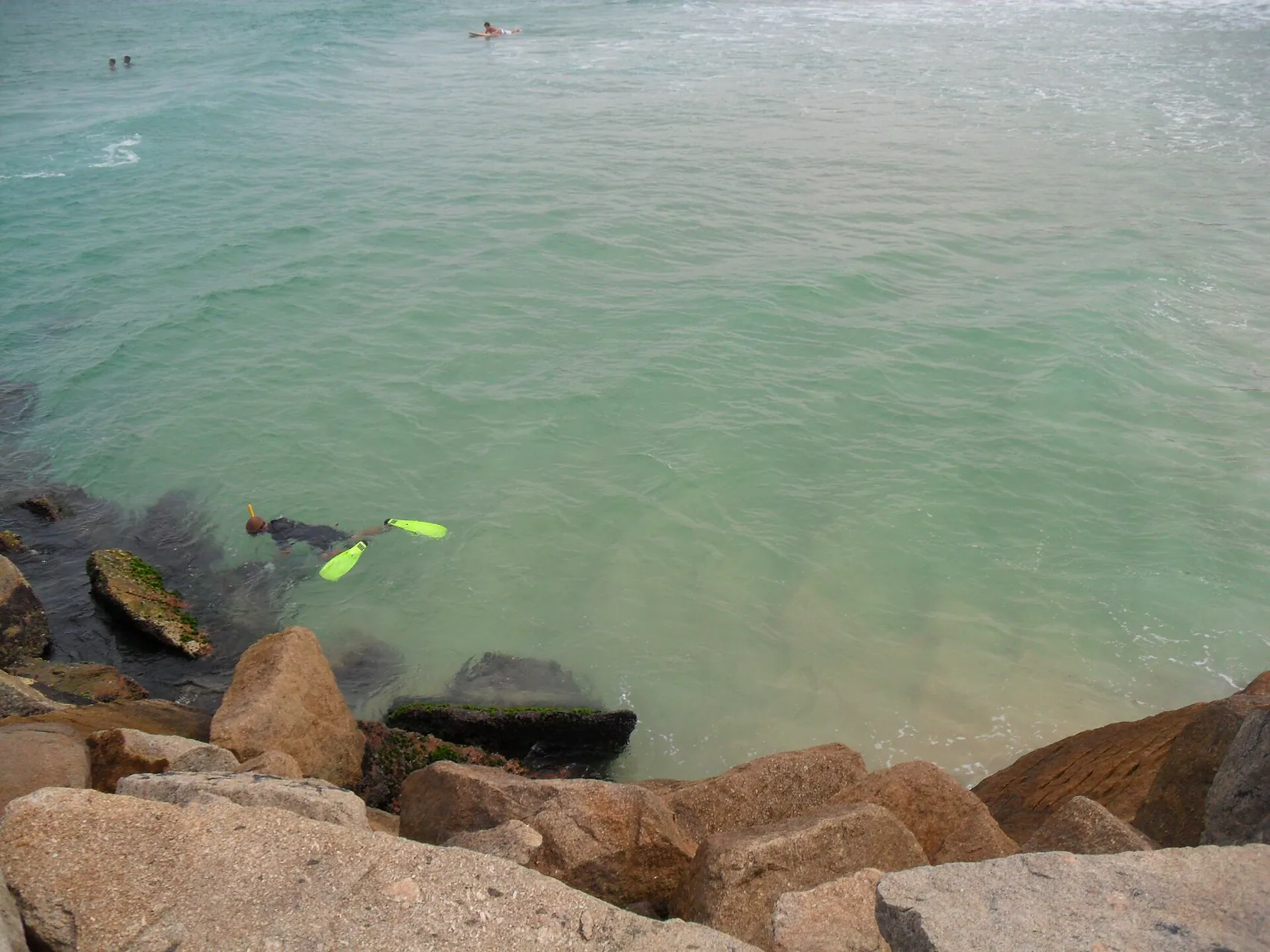
This is where honesty matters more than a wish list. The Costa Verde is not a place to promise anyone a specific animal, because the mixing of tropical and temperate species makes sightings varied and seasonal. What it is, is a place with genuinely diverse life on the rock, and a real chance of the encounters that make people fall for diving.
The reliable cast are the reef fish: sergeant majors in their striped shoals, wrasses, damselfish, parrotfish grazing the rock, and the odd inquisitive grouper. Moray eels are common, their heads poking from crevices, mouths working as they breathe. Octopus are around if you have the eye for them, and a good guide will find one folded into a hole you would have swum straight past. Sea horses cling to sea fans and weed on the sheltered sites, one of the small quiet thrills of diving here. Rays cruise the sand, and crustaceans, nudibranchs and colourful invertebrates reward divers who slow down and look closely rather than racing across the reef.
The headline animal for most guests is the sea turtle, and green turtles in particular turn up around the islands often enough that a good number of divers see one. Nothing is guaranteed, and anyone who guarantees it is selling rather than telling. On the deeper offshore and wreck sites the scale changes: bigger groupers, denser schools, lionfish around the wreck structure, and the sense of a busier, wilder underwater world than the gentle coastal sites suggest. The wider bay is part of a rich coastal ecosystem, and on the boat rides between sites you may see dolphins and, in the right season, other larger visitors passing through the region's waters.
Visibility, temperature and the seasons
Two numbers shape any dive here: how warm the water is and how far you can see through it. Both move with the calendar, though not as neatly as anyone would like.
Water temperature runs roughly from the high teens Celsius in the cooler months up to the mid-to-high twenties in summer. In the warm season, broadly October through March, the water sits around 24 to 28 degrees and a shorty or a thin full wetsuit is comfortable. In winter, June to September, it drops and you will want a thicker suit; operators provide the right thickness, but it is worth knowing that "tropical Brazil" does not mean warm water year-round this far south. From abroad, especially from the northern hemisphere, do not assume July is the warm month here; the seasons are flipped.
Visibility is the more temperamental of the two. On a good day in the warmer months it can reach 15 to 20 metres, which is very respectable for this coast. But visibility is at the mercy of wind, tide and above all rain: a heavy summer downpour washes sediment off the mountains and into the bays, and the water can turn green and murky for a day or two afterward. This is the paradox of the local seasons. Summer brings the warmest water and the best potential visibility, but it is also the wettest time, so a rainy spell can undo it. The cooler, drier months sometimes deliver cleaner water even if it is colder. The practical lesson is to build flexibility into your plans and dive on the calm, clear days rather than forcing it on a churned-up one. Our best time to visit guide breaks the wider seasons down, and if the weather does turn, the rainy day guide has alternatives that do not involve getting wet twice.
Reading the water from the hill: from the chalet's deck you can often see the state of the bay before you commit to a boat. Flat, and a clear line to the islands, is a good sign. A brown plume spreading from the river mouths after heavy rain means give it a day. Ask your host or the operator what they are seeing that morning; local eyes beat any forecast.
Choosing an operator, by type
We do not name specific dive shops here, because operators change, staff move, and the right choice depends on you. But the types are worth understanding so you can ask the right questions.
The town-based day operators are the most common. They run scheduled trips to the sheltered sites, cater to beginners and discover-scuba guests, and are set up for people who want a half-day or day out rather than a diving holiday. This is what most guests use, and it works well. Look for a shop affiliated with a recognised agency such as PADI or SSI, ask how many divers they put with one guide, and ask what is included, gear, boat, guide, insurance, before you compare prices.
The island-based dive centres on Ilha Grande are geared toward more serious diving: the deeper sites, the wreck, multi-dive days and full course programmes. If your priority is the advanced sites, these are the operators closer to them.
Then there is the private charter route, where you hire a boat and a guide for your own group. This costs more, but for a family or two couples who want their own pace, their own site choice and a mix of diving and snorkelling from the same deck, it can be the best value of all once you split it. Our boat days guide covers how chartering works on this coast more broadly, and the same logic applies to a dive charter.
Whatever the type, a few things separate a good operator from a careless one. Well-maintained gear and boats. Guides who brief properly and check your certification without being asked. Small enough groups that you are not one of a dozen trailing a single guide. A clear, unhurried attitude to safety, especially around depth, dive time and the no-fly window. If any of that feels rushed or vague, dive with someone else.
What a dive day from Paraty looks like
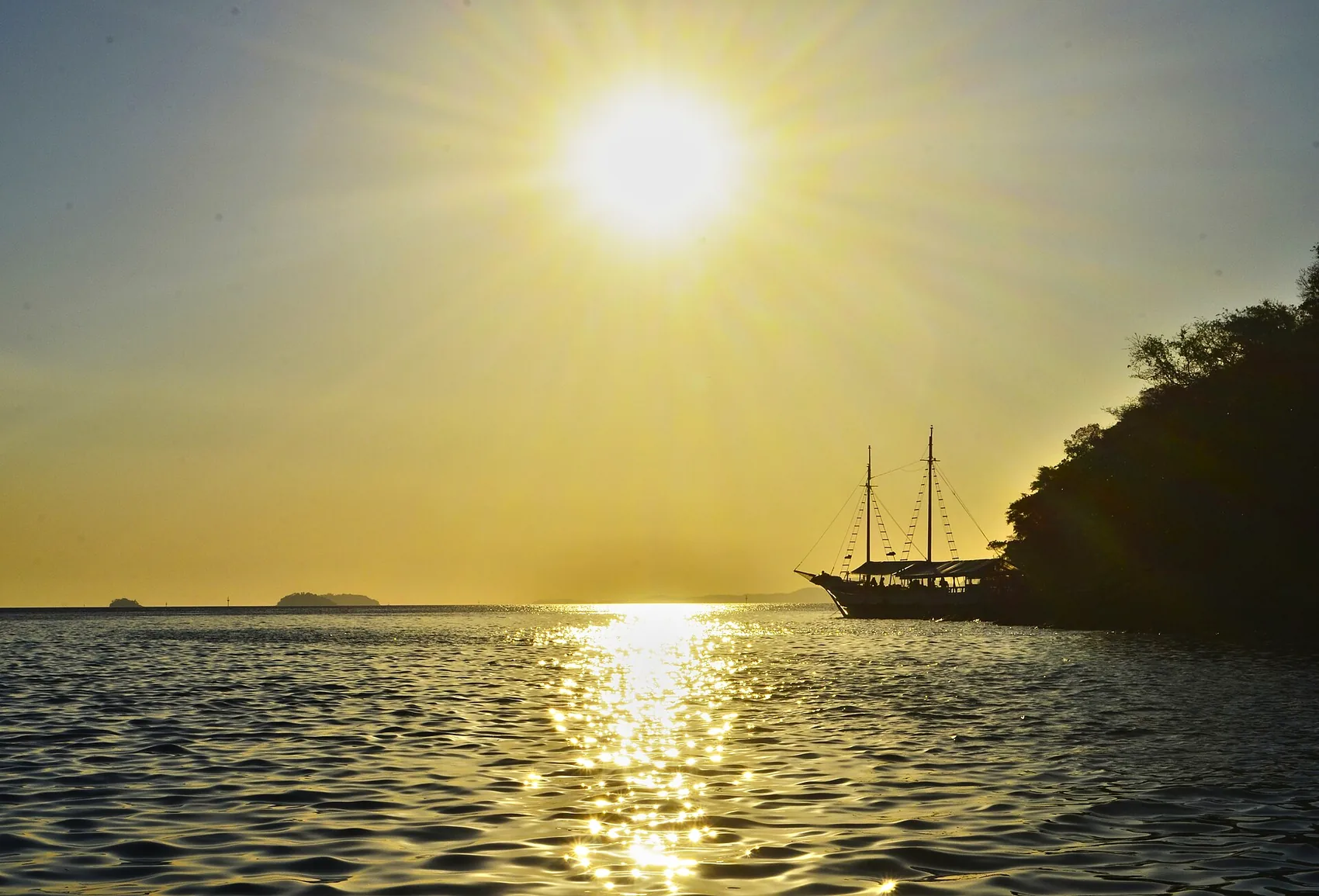
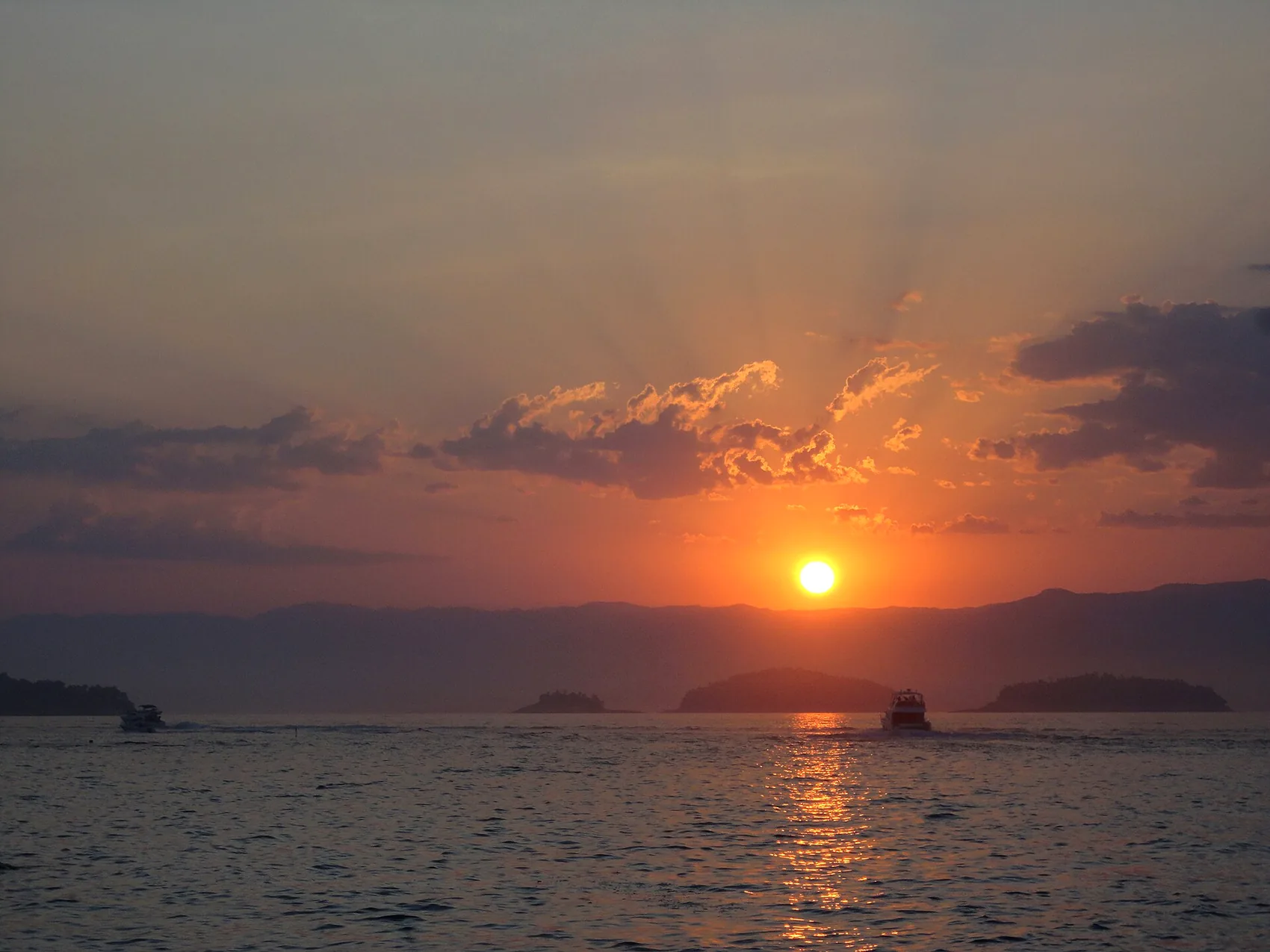
Here is the shape of a typical day, so you know what you are signing up for. You are collected or you meet at the shop in the morning, where you fill in paperwork, get sized for a wetsuit and gear, and hear the plan. The boat heads out through the bay, often past the Forte Defensor Perpétuo on its headland, toward the islands. The ride is part of the pleasure: green water, forested islands, the town shrinking behind you.
At the first site the guide gives a full briefing, the site layout, the depth, what to look for, the signals, the plan if you get separated. Certified divers gear up and go; discover-scuba guests get their extra one-to-one time in the shallows first. A first dive runs maybe 30 to 45 minutes depending on depth and air. Back on the boat there is usually a surface interval with water, fruit or a snack, time to warm up and let your body off-gas before a second dive on the same or a nearby site. Many trips include or stop for a simple lunch on the water, at one of the beach spots with seafood houses, before the run home. You are typically back in the afternoon.
By late afternoon you can be showered, warm and lying by the pool with the whole bay laid out below you, which is a specific kind of contentment after a day underwater. If you want to build a diving day into a wider trip, our 3-day Paraty itinerary and the longer 7-day Costa Verde itinerary both show how a day on the water fits around the town, the beaches and the forest.
What to bring and how to prepare
The operator supplies the technical gear, tank, weights, regulator, wetsuit, mask, fins and buoyancy jacket, so you do not need to travel with any of it. What you bring is comfort and sense. A swimsuit worn under your clothes so you are ready without a change. A towel and a warm, dry layer for the boat, because you cool down fast between dives even in summer. Reef-safe sunscreen, applied before you gear up, and a hat for the surface intervals. Water and something to eat if lunch is not included. If you wear contact lenses tell your instructor, and if you have your own well-fitting mask, especially a prescription one, bring it, because a good seal makes the whole experience better.
On preparation: be honest on the medical form, do not dive with a heavy cold or blocked sinuses because you will not be able to equalise and it can hurt, and do not drink heavily the night before. Respect the no-fly window after diving, which is the single most common mistake travellers make when timing a dive against a departure. If you are prone to seasickness the boat rides here are usually short and sheltered, but take a precaution if you know you need one. Our what to pack guide covers the rest of the coastal kit, and if you are pairing diving with land activities the hiking around Paraty guide is worth a look, though give your body a rest day between a deep dive and a hard climb.
Where diving fits into a Paraty trip
Diving is a wonderful half or full day, but it is not the whole reason to come, and the best trips treat it as one strand among several. Paraty's historic centre, its cobblestones and whitewashed colonial houses, is worth as much of your attention as the reef; our colonial architecture and churches guide and the history of Paraty explain why. The town is also a food destination, with seafood houses and a strong cachaça tradition, covered in our where to eat and cachaça distilleries guides. And the beaches beyond the town, the quiet ones especially, deserve a day of their own, which the Paraty Mirim and quiet beaches guide maps out.
The point is to pace it. A dive day is tiring in a good way, and you will want an easy evening afterward rather than a late night. Slot it early in a trip so that if the weather turns you have days in hand to try again, rather than pinning your one chance to a departure-eve forecast. If you are here for a specific reason, a honeymoon or a celebration, a private dive-and-snorkel charter can be a memorable centrepiece; our honeymoon guide and the explore pages have more on shaping a trip around an occasion.
Getting here: notes for São Paulo, Rio and international divers
Where you are coming from changes the practicalities more than the diving itself. From São Paulo, Paraty is a long but scenic drive down the coast, commonly in the region of five to six hours depending on traffic and where in the metropolis you start; many paulistanos make it a weekend and dive on the Saturday. From Rio de Janeiro the drive is shorter, often around four hours along the coast road, which makes a dive day very doable within a long weekend. The getting around guide covers the road options and the bus in detail.
From abroad, you will almost certainly fly into Rio's Galeão or São Paulo's Guarulhos and continue by road. The two things international divers most often get wrong here are both about seasons. First, the water is cooler than "tropical Brazil" suggests, especially in the southern-hemisphere winter of June to September, so pack or expect a proper wetsuit. Second, the seasons are reversed, so the warm, best-visibility diving months are the southern summer, October to March, which is also the wetter season. Line your trip up with that and you will get the coast at its underwater best. Whatever your origin, tell your operator where and when you are flying out, so the dive schedule respects the no-fly window before your departure.
The base above the bay
A good dive day is easier when the rest of the day looks after itself. Chalé Bel Air sits about 400 metres up the hillside above Paraty, a short drive from the town and the marinas, with an infinity pool and a single long deck that takes in the triple view over the Bay of Paraty, Angra dos Reis and Ilha Grande, the same water your dive boat will be crossing. From up here you can read the sea before you commit to it, come home to warm up and rinse the salt off in your own pool, and spend the evening watching the light go down over the bay instead of driving back to a hotel in town. It is the kind of base that makes a diving trip feel unhurried rather than logistical.
If you are weighing the water against everything else the coast offers, our wider journal and resources pages gather the guides in one place, and the luxury vacation rentals guide sets out what to look for in a base if diving is on your list. When you are ready to plan the details, or you want help lining a dive day up with the tides, the weather and your other days here, get in touch and we will help you sort it. The reef will wait; it has been there a long time, and it rewards the people who take the trouble to go slowly and look closely.
Come stay above the bay
Chalé Bel Air sits on the ridge that looks over everything in this guide. Tell us your dates and what kind of trip you are after — we answer personally.
Ask about your datesFrequently asked questions
Is scuba diving Paraty good for beginners?
Yes. Most first-timers do a discover-scuba dive on a sheltered, shallow site around 8 to 13 metres with no current, guided one-on-one by an instructor and no certification required. It is one of the calmer places in southeast Brazil to try diving, and the same protected water makes it a sensible spot to earn an Open Water certificate.
What is the best time of year for scuba diving in Paraty?
Roughly October to March gives the warmest water, around 24 to 28 degrees, and the best visibility, which can reach 15 to 20 metres on a good day. Winter, June to September, brings cooler, sometimes clearer but greener water and you will want a thicker wetsuit. Visibility swings with wind, rain runoff and tide as much as with the calendar.
Do you need to be certified to scuba dive near Paraty?
No, not to try it. A discover-scuba or baptism dive lets an uncertified adult breathe underwater under direct instructor supervision at shallow depth. To dive without an instructor at your shoulder, to go deeper, or to dive from most boats independently, you need an entry-level certification such as PADI or SSI Open Water, which takes a few days.
What marine life will I see diving off Paraty and Ilha Grande?
Commonly sea turtles, moray eels, sergeant majors and other reef fish, sea horses, octopus, rays, crustaceans and colourful invertebrates on the rock. Because tropical and temperate species overlap here, sightings are mixed and seasonal rather than guaranteed. Groupers, lionfish and larger schools gather around the deeper wreck and offshore pinnacle sites.
Are there shipwrecks to dive near Ilha Grande?
Yes. The best known is the Pinguino, a former Brazilian Navy vessel resting at around 30 metres near Ilha do Jorge Grego, now an artificial reef that draws groupers, moray eels and clouds of fish. Because of its depth it is an advanced dive and needs the right certification, conditions and operator.
Should I dive from Paraty or go to Ilha Grande?
Both work. Paraty operators run day trips to sheltered island sites in the bay and toward Angra dos Reis, which is ideal if you are based here and want to be home for dinner. Ilha Grande itself sits closer to the deeper offshore sites and the wreck, so serious divers sometimes stay on the island a night or two. For most guests a day trip from Paraty is plenty.
How much does scuba diving in Paraty cost?
Prices move, so treat this as a rough guide: a guided discover-scuba dive is the least expensive way in, a two-tank certified day dive costs more, and a full Open Water course is the largest single outlay. Boat fuel, gear rental and whether the trip is shared or private all shift the number. Ask the operator what is included before you book.