A villa with a pool, a boat you can fill, and a table long enough for everyone — a group trip to Paraty runs on a few good decisions made early. Here is how we help friends and families plan one that actually relaxes.
A group trip has a way of turning into logistics. Ten people, four opinions about dinner, two who want to be on the water at dawn and two who want to read by the pool until noon, someone who has to fly in from abroad and someone driving up from the city — and somebody, usually, quietly footing more of the bill than they meant to. Paraty is one of the few places on this coast that makes that kind of trip easy rather than exhausting, and most of why comes down to how you set it up in the first week of planning, not the last.
We host on the ridge above the old town, so we watch groups arrive and settle every season — families spanning three generations, friends marking a fortieth, a set of couples who have been holidaying together for years. The ones who relax are almost always the ones who made the same handful of decisions early: a single house rather than scattered rooms, one good boat day booked before anything else, a plan for dinners, and an honest conversation about money before anyone paid. Get those right and the rest of the trip more or less runs itself.
This is the guide we wish every group had before they started. A well-run Paraty group trip villa stay is not about spending more; it is about deciding a few things in the right order. We will cover why a hillside base beats a row of hotel rooms, how to choose the house, how to run the boat days, how to eat well together, how to split the costs without friction, and how to get everyone — from Rio, from São Paulo, from overseas — to the same table on the same night.
Why Paraty suits groups
Some destinations are built for couples and merely tolerate groups. Paraty is the other way around. The rhythm of a good day here — a slow breakfast, a boat out to the islands, a long lunch, a swim, dinner at a big table — is exactly the rhythm groups do best. Nobody has to negotiate a tight museum schedule or a dress code. The days are made of the things people came to do together anyway.
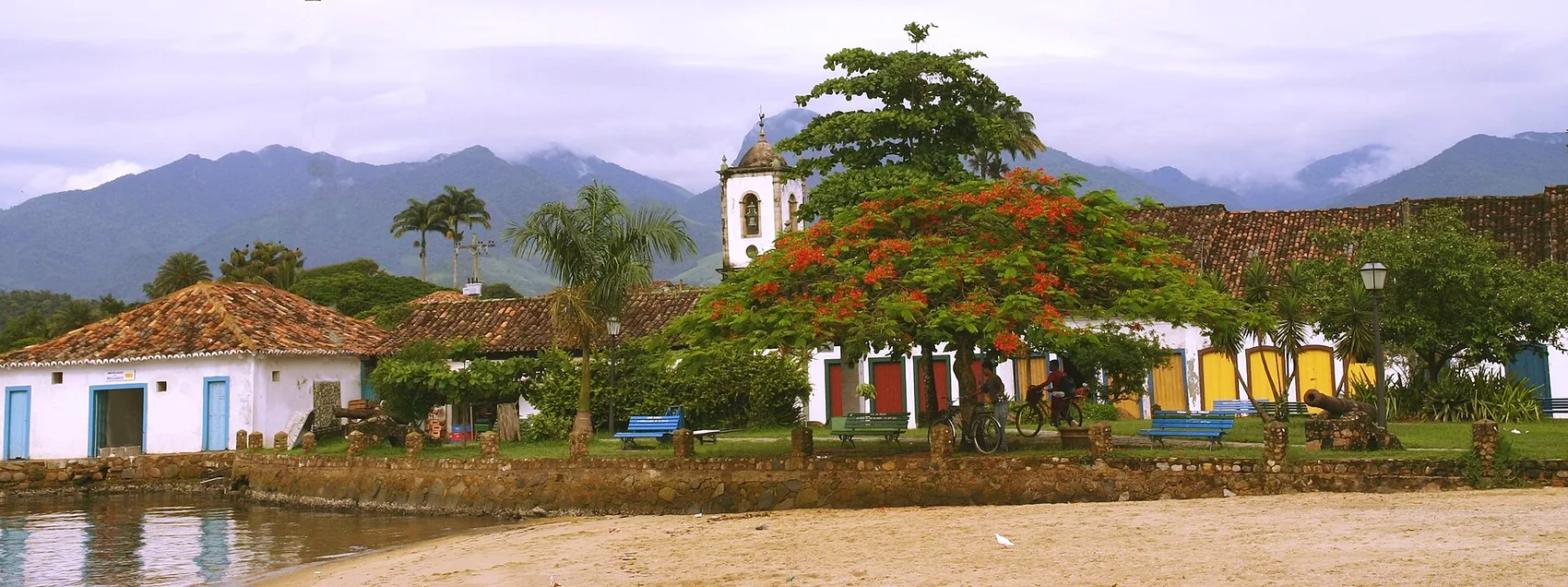
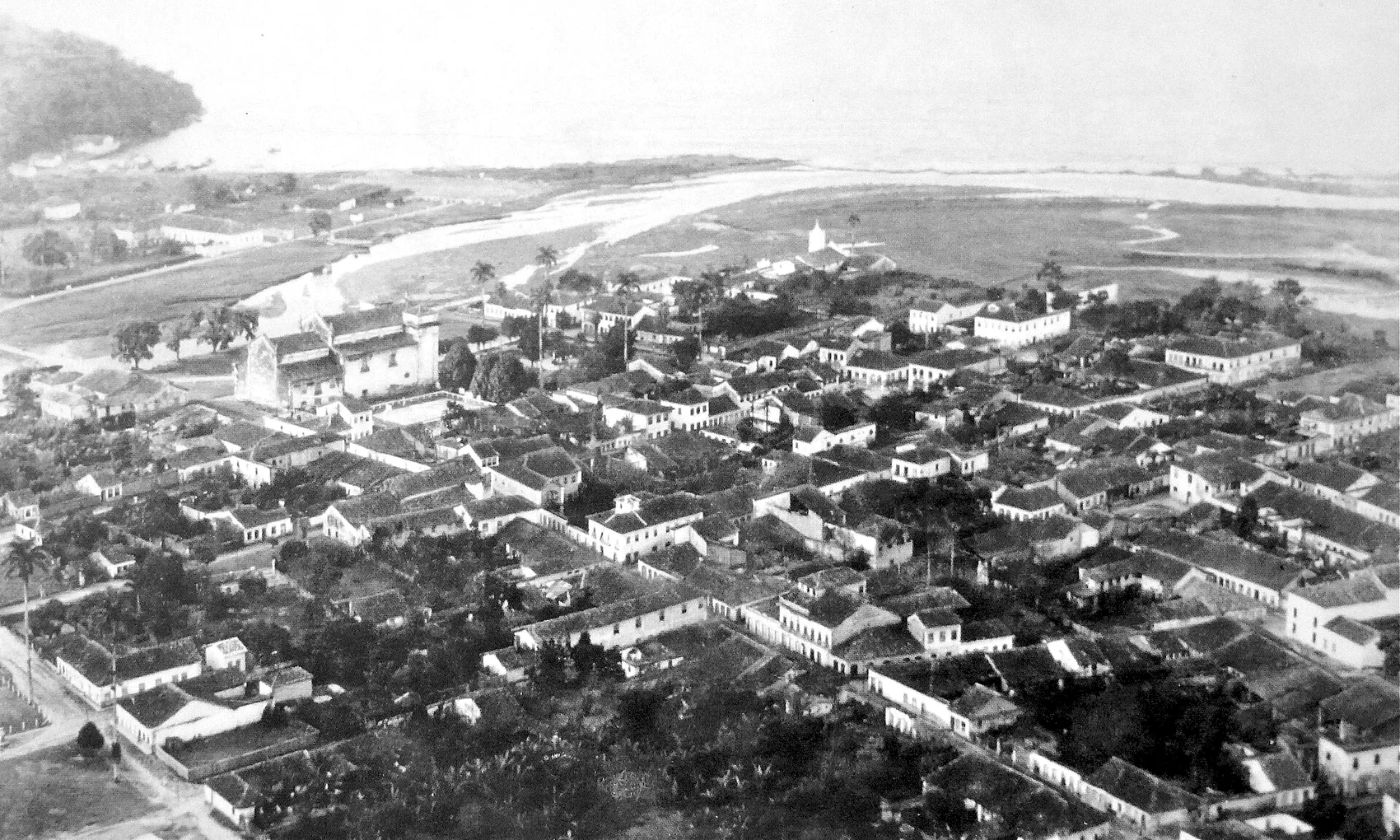
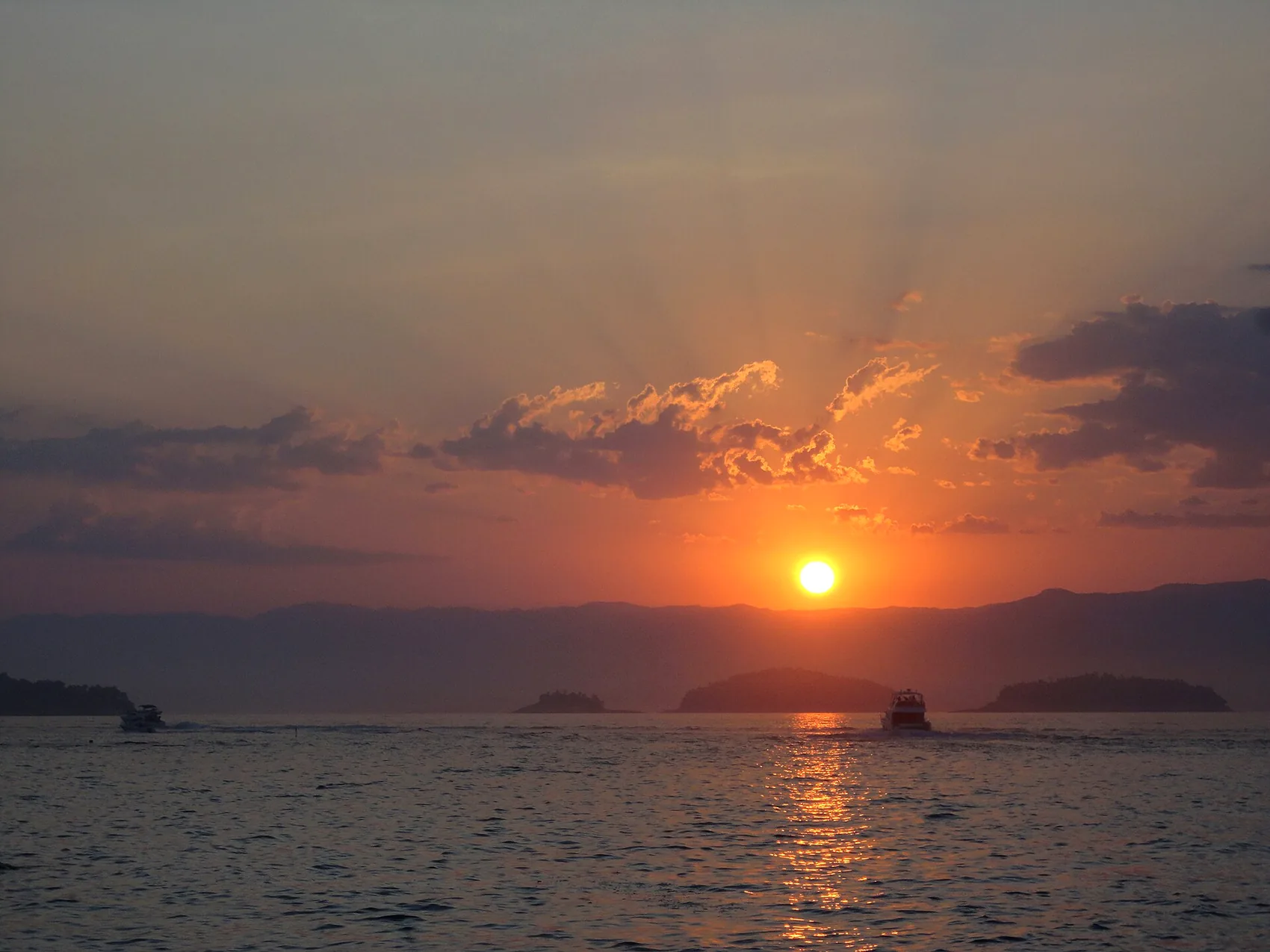
The geography helps. Paraty sits on the Costa Verde, the green stretch of coast between Rio de Janeiro and São Paulo, wrapped around a sheltered bay dotted with dozens of islands and quiet beaches. Behind the town the land climbs fast into the forested Serra da Bocaina, which is why a house only a few hundred metres up can look out over the whole Bay of Paraty, across to Angra dos Reis and out toward Ilha Grande. The old town itself — cobblestoned, whitewashed, closed to cars at its centre — is a UNESCO-listed colonial port, small enough to walk end to end and made for wandering in a loose pack.
What the region does not have is just as important for groups. There are no wristband resorts, no vast lobbies, no swim-up bars. That absence is the point. It means the natural centre of a group's day is not a hotel amenity but a house you have to yourselves and a boat you fill with your own people. If you want a broad orientation before you plan, our complete guide to Paraty maps how the whole region fits together; this piece is about making it work for a crowd.
The Paraty group trip villa: why a hillside base works
The single decision that shapes a group trip more than any other is where everyone sleeps. Book a block of hotel or pousada rooms and you have bought convenience at the cost of togetherness: people scatter to their rooms, mornings start at different times in different buildings, and there is no shared space that belongs to the group. Book one house and you have bought the opposite — a base with a kitchen, a pool, a deck and a living room that are yours, where the trip actually happens.
For most groups the right base is a villa in the hills just above town rather than a place in the centre. The centre is wonderful to walk into and its pousadas have real charm, but the colonial houses are small, sound travels on the stone streets, and you will not find a big private pool or a view down there at sea level. Up on the ridge you trade the walk-everywhere convenience of the old town for the things a group actually needs: space, a pool as the centre of the day, cooler air at night, and a view worth waking up to. The cost of that trade is a short drive down to town and back, which most groups quickly decide is a feature — the quiet at the top is the reward at the end of a busy day.
The case for one roof
A whole house does things a set of rooms cannot. Children swim while the adults talk. The early risers make coffee without waking anyone. The group that wants a quiet night in cooks together instead of trooping into town. Everyone has their own bathroom, but everyone also has a shared table, a shared deck, a shared pool. On a group trip the shared space is the trip — it is where the plans get made, the stories get told and the day winds down — and only a house gives you enough of it.
There is a practical dimension too. One address means one meeting point, one place for the boat skipper to collect you, one drop for the grocery run, one set of keys. The morning coordination that eats into a group trip — who is where, in which building, ready when — mostly disappears when everyone is under the same roof and can hear the same call of "boat leaves in twenty minutes" from the kitchen.
The pool as the anchor
On a hot day the pool is the reason a group can spend hours together without anyone feeling they have to be entertained. It absorbs the in-between time — the stretch after lunch when nobody wants to move, the hour before dinner, the long slow morning after a late night. An infinity pool on a ridge, with the bay laid out below it, becomes the default gathering spot, and a group that has a good default gathering spot argues far less about what to do next. When we host groups, the pool is where we find most of them most of the time, and that is exactly as it should be.
Choosing the right house for your group
Not every villa suits every group, and the glossy photos tell you almost nothing about the things that decide whether a house works. These are the questions to ask before you fall for a gallery.
How many does it really sleep?
There is the number in the listing and there is the honest number, and they are rarely the same. A house advertised for twelve may be a genuine pleasure for eight and a squeeze for twelve, with the last four on sofa-beds and sharing a bathroom. Ask a host how many proper bedroom suites the house has — real doubles with their own bathrooms — and treat that as your true capacity for adults who want their own space. Count the bathrooms as carefully as the beds; a group of ten sharing three showers on a hot morning is a group that starts the day slowly.
If your party is larger than a single comfortable house, do not force it. Two neighbouring villas, or a main house with a separate annexe, often works better than one crowded one, and lets sub-groups keep slightly different rhythms while still gathering for meals and the boat.
Layout and the shape of the days
Beyond bed count, layout is what makes a house feel easy or cramped for a group. Look for a generous shared living and dining area, a kitchen big enough that a cook or a couple of keen amateurs can work without treading on anyone, and outdoor space — a deck, a shaded terrace, a lawn — that can hold the whole party at once. A house where the bedrooms are spread around the shared core, rather than stacked on top of it, gives light sleepers and night owls room to coexist. On a group trip, the ability to be together and the ability to peel off for an hour matter equally, and a good layout offers both.
The drive, the road and the cars
A hillside base means driving down to town and back, so ask the practical questions plainly. How long is the drive to the historic centre, really? What is the access road like — paved, dirt, steep — and will a normal rental car manage it, or do you want a driver for the group? How many cars will you need for the size of your party, and is there room to park them at the house? None of this is a dealbreaker; it is simply the sort of thing a group wants to know before arrival rather than discover on a dark road on the first night. Our guide to getting around Paraty covers transfers, rentals and drivers in detail.
One small thing is worth insisting on before you book: ask for a map pin, not a neighbourhood. "Ten minutes from the centre" means different things on different roads. Ask the host to send an exact location and an honest door-to-door drive time to the old town — and note that a straight answer here is a good sign about how straight the answers will be about everything else.
The boat day: the heart of a group trip
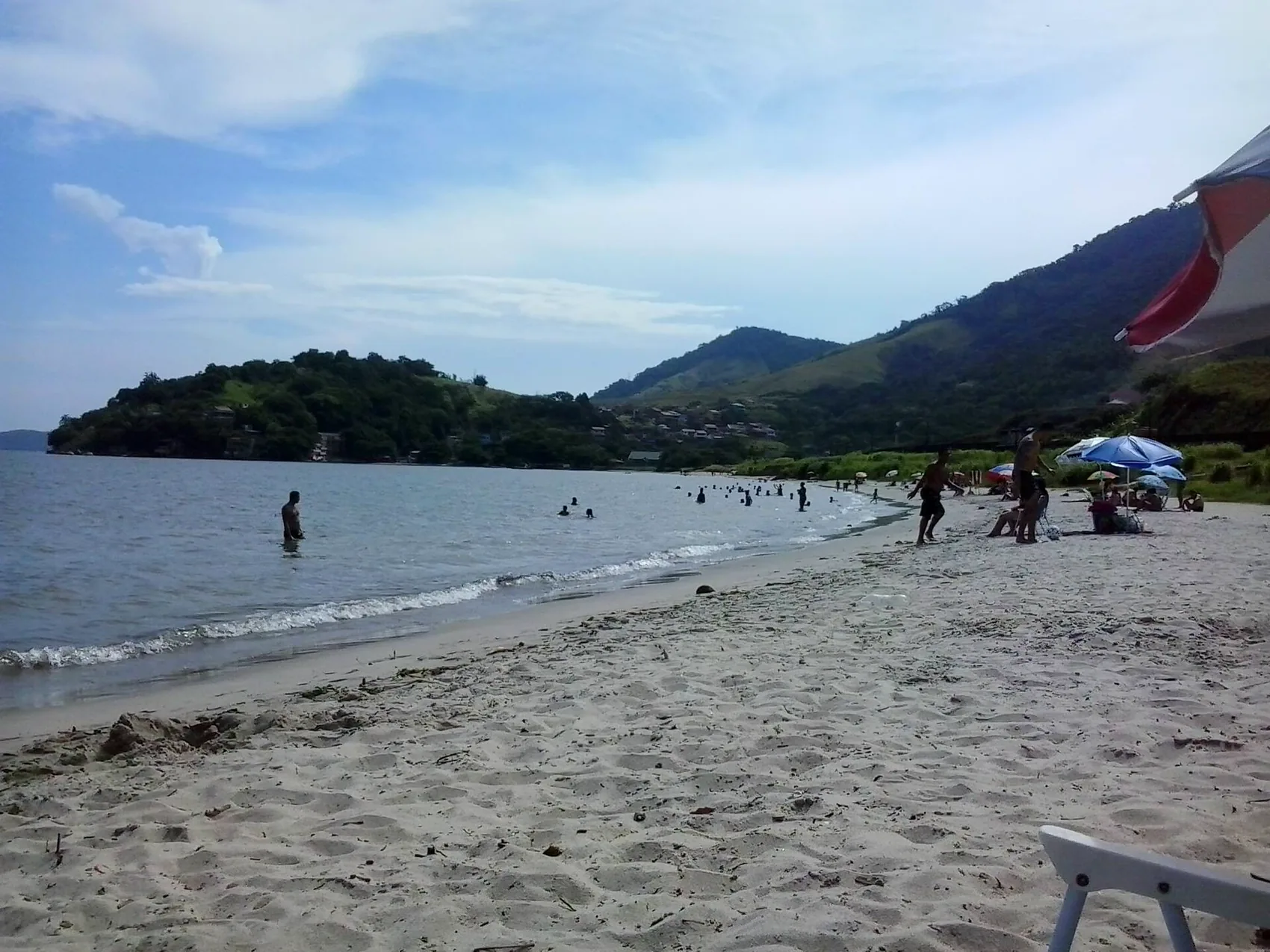
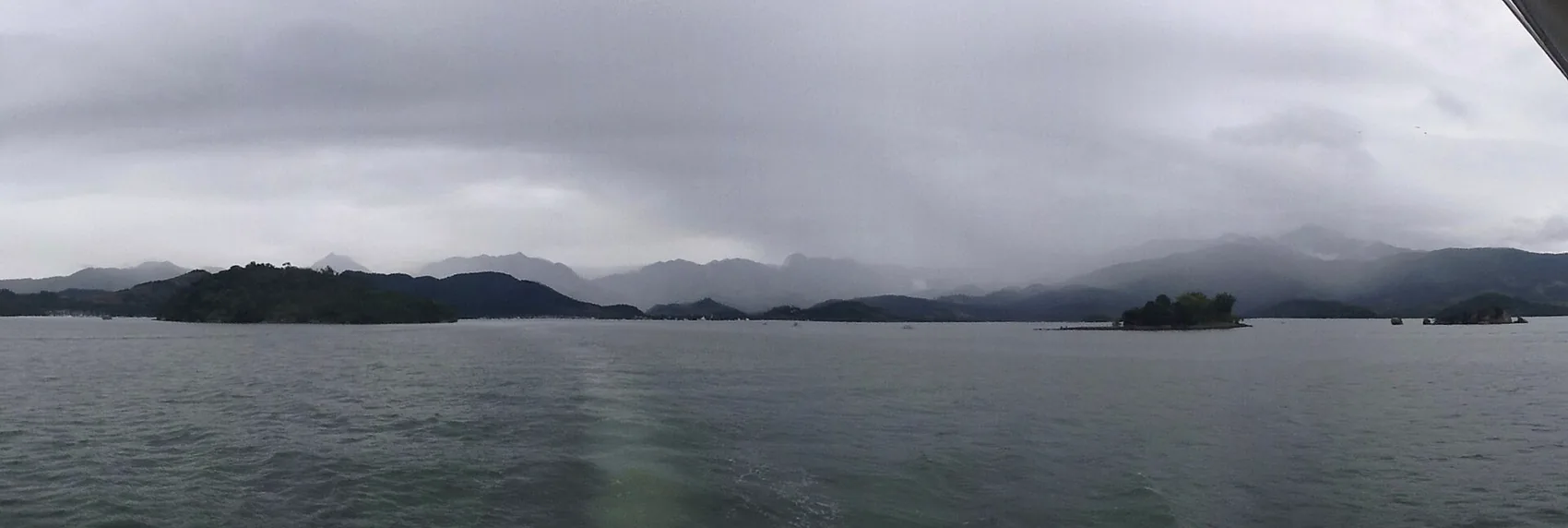
If the villa is the base, the boat day is the centrepiece. Paraty's bay is made for it — sheltered water, dozens of islands and coves within an easy cruise, spots to snorkel, beaches you can only reach by sea, and calm anchorages for a long floating lunch. For a group, a day on the water is the rare activity that suits everyone at once: swimmers swim, snorkellers snorkel, the sun-seekers lie on the deck, and nobody is stuck doing something they did not choose.
Private charter or shared schooner?
You have two broad options, and for a group the choice is usually clear. The large wooden schooners run a fixed loop of the bay with a set of strangers aboard, on a timetable that is not yours; they are cheap, sociable and perfectly pleasant, and fine for a single relaxed outing. But for a group's flagship day on the water, charter a private boat. A private charter is yours alone — you set the pace, choose the coves, decide how long to linger, bring your own cooler and your own music, and keep the whole party together. Boats are commonly hired with a skipper for a half or full day, and can be sized to your group, from a small motorboat to something that carries a couple of dozen. The premium over a schooner ticket buys control, and for a group that control is worth a great deal.
What a good group boat day looks like
Leave mid-morning, once the coffee has done its work and the swimmers are ready. A private skipper who knows the bay will read the day's wind and crowds and steer you to the quieter anchorages — the islands with clear water for snorkelling, the coves with a strip of sand to swim to, the spots where you can tie up for a long lunch on board. Build in genuine stopping time rather than racing between points; the pleasure of a private boat is that you can stay somewhere lovely for two hours instead of forty minutes. Bring more water and sunscreen than you think you need, a dry bag for phones, and something for the sun in the middle of the day when there is no shade on deck.
Groups with a mix of ages and energy often do best splitting the water across two lighter days rather than one marathon — a half-day charter in the bay, and a separate trip out toward Ilha Grande or down to the quieter beaches at another time — so nobody is fried by five o'clock. Our boat days page and the guide to Paraty Mirim and the quiet beaches go deeper on where the water is calmest and the coves emptiest.
For a group's big day on the water, charter a private boat. The premium over a schooner ticket buys control — and for a group, control is worth a great deal.
Big dinners: feeding a group well
Few things bind a group like eating well together, and Paraty gives you room to do it three different ways. The trick is not to pick one but to mix them across the trip, which keeps the food interesting, the drivers rested and the budget sane.
A cook at the villa
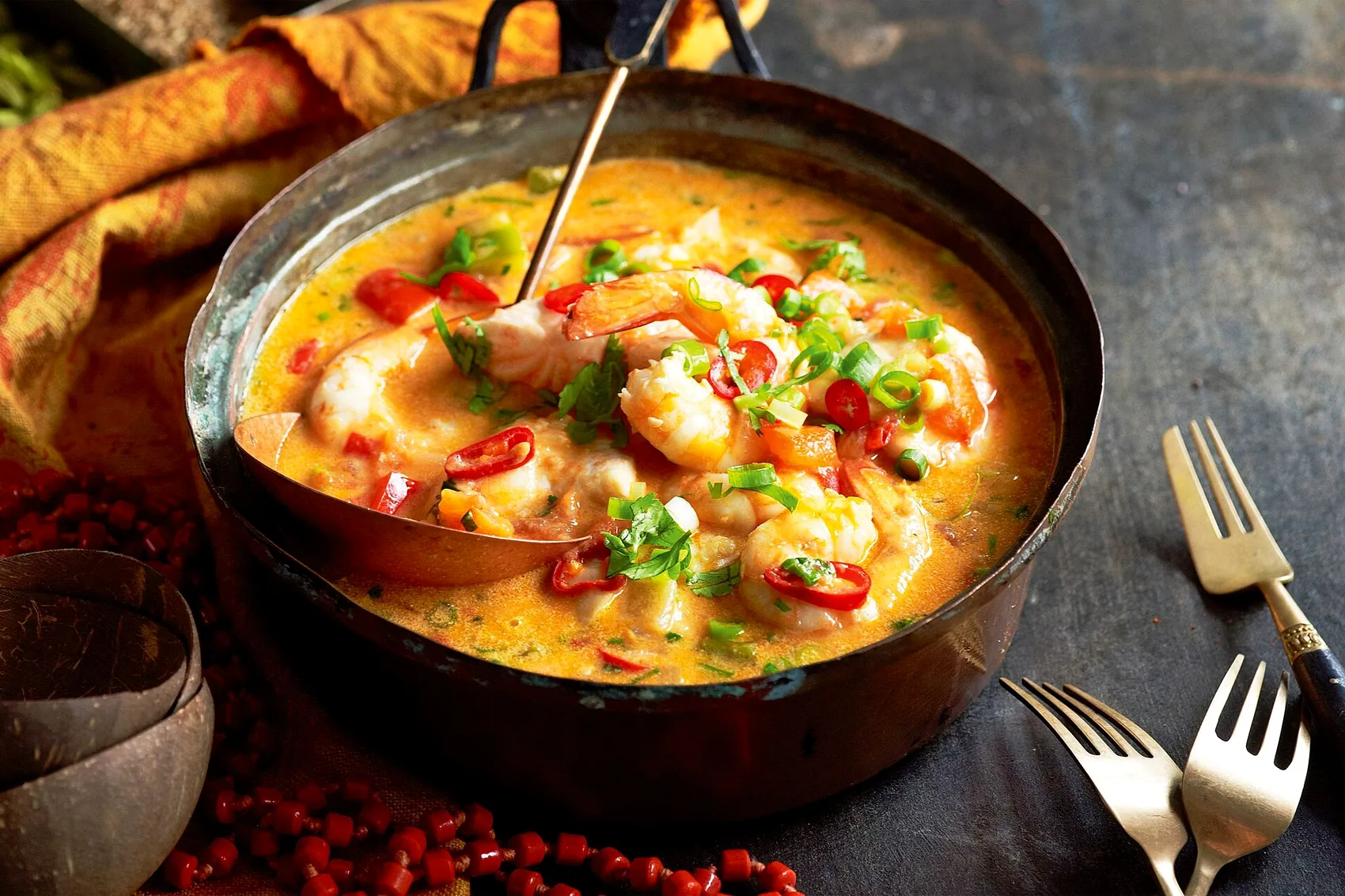
The single best group dinner we see is a private cook at the house. Arranging a local cook for one or two evenings turns the villa into the restaurant: a moqueca — the coconut-and-palm-oil seafood stew that is the signature dish of this coast — simmered in the kitchen and carried out to a long table by the pool, no bookings, no drive, no watching the clock. It suits groups perfectly because everyone eats together at their own pace, children can come and go, and the cost per head for a cook and ingredients often undercuts a restaurant table for the same number. A good host can arrange this; it is one of the first things groups ask us for and one of the easiest to say yes to.
Big tables in town
For the nights you want the buzz of the old town, book ahead. A group of eight or ten cannot rely on walking into a full restaurant on a Saturday in high season, so reserve a big table a day or two out, and tell them the real number. The seafood houses down at the harbour end are the natural choice for a group — grilled fish and prawns, moqueca to share, cold beer and caipirinhas — and eating where the boats come in is part of the point. For a special night, the town has a handful of more ambitious kitchens worth the reservation. Our guides to where to eat in Paraty and the seafood and moqueca lay out the options by type without sending you chasing a single name.
Markets, breakfasts and the lazy lunch
Between the big dinners, a group lives on its own kitchen. A morning run to the market and the fishmonger sets up breakfasts, snacks for the boat and the kind of loose, graze-all-afternoon lunch that a group by a pool does naturally. Fresh fruit, bread, cheese, cold cuts, and fish or prawns to throw on the grill cover most of what you need, and the shared kitty for groceries is far kinder to the budget than eating every meal out. It also gives the keen cooks in the group something to do, which on a group trip is its own small gift.
Splitting the costs without friction
Money is the thing that quietly sours more group trips than any argument about the itinerary, and it is entirely avoidable with one conversation before anyone pays. The goal is simple: everyone knows what they owe and how it was worked out, and nobody is left doing the sums alone on the last night.
Agree the method first
Decide up front how you are splitting the two kinds of cost. The big fixed items — the villa, the private boat, a hired cook — are easiest handled by one person booking and everyone settling their share before the trip, so the organiser is not carrying thousands on their own card. The day-to-day costs — groceries, restaurant dinners, drinks, fuel — work well on a shared kitty everyone tops up, or a splitting app where each person logs what they paid and the app squares it at the end. Either works; what matters is choosing one and telling everyone before the first payment.
Split the house by room, not by head
When a group mixes couples, singles and a family, splitting the villa evenly by person quietly overcharges the couples and undercharges nobody in a way anyone likes. Splitting by room is fairer: a couple sharing a suite pays for that suite, a single in their own room pays for theirs, and the family in the big room pays for the big room. Decide early, too, whether children count as full shares of the shared costs — most groups settle on a reduced share or none for young kids, which only works if it is agreed openly rather than assumed.
Write the numbers down. A shared note or spreadsheet with the villa split, the boat split and how the kitty works, sent round before anyone pays, is the single most effective way to keep a group trip friendly. It is not unromantic; it is what lets everyone stop thinking about money and enjoy the pool.
Where the money actually goes
For most groups the villa and the boat are the two big lines, and both get cheaper per head the more of you there are — which is exactly why a group trip can feel more affordable than a couple's, not less. Once you are six or more, a whole house split among the party often costs each person less than an individual pousada room, and you gain a pool and a kitchen on top. From there, a shared boat day divided among ten is a modest per-person figure, and cooking in on the quiet nights keeps food from running away with the budget. The luxury of a group trip here is real, but a lot of it comes from sharing fixed costs rather than from spending more.
Planning for a group's mixed energy
The quiet secret of a good group trip is that not everyone wants the same day, and the plan should assume it. Some of your party will want to be first on the boat and last off; some will treat the pool and a book as the entire point; the teenagers will surface at noon and the grandparents at six. A rigid group schedule fights all of this. A loose one, anchored by one or two fixed points a day, works with it.
The pattern we watch succeed, over and over, is a single anchor each day and freedom around it. One morning the anchor is the boat and everyone comes; the afternoon is open. Another day the anchor is a booked dinner in town and the daytime is nobody's business but their own — the walkers walk, the swimmers swim, the readers read. Building the trip this way means the group gathers for the things worth gathering for and no one feels marched. A hillside villa makes it easier still, because the pool and the view give the stay-behinds somewhere genuinely worth staying behind for.
It also pays to name the split days in advance. If half the group wants a hard hike up into the Serra da Bocaina and half wants a spa-slow morning, plan for both rather than forcing a compromise that pleases no one. The families among you will find the Paraty with kids guide useful for the days the itineraries diverge by age.
Getting everyone there
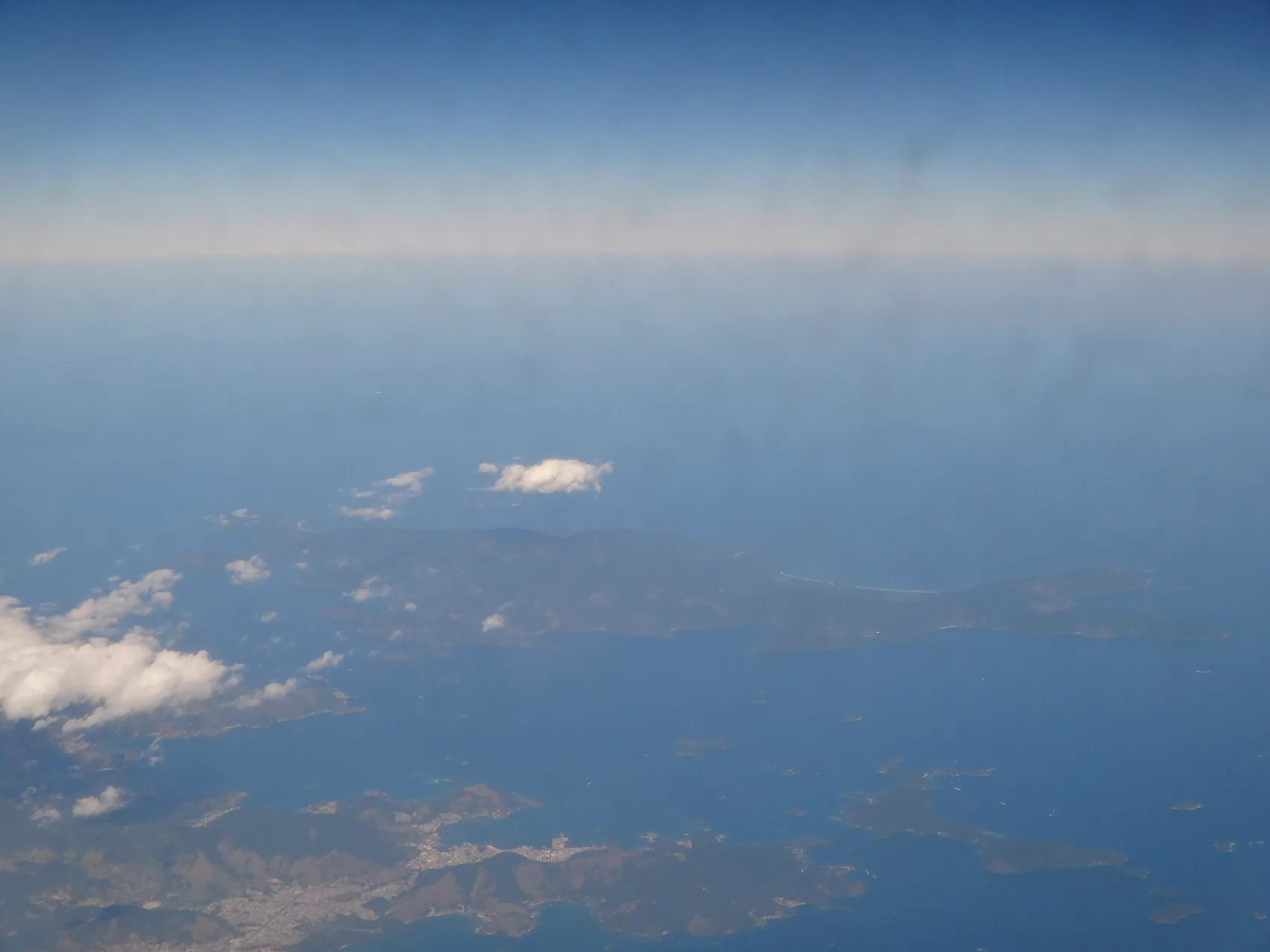
A group rarely travels from one place, and the arrivals are where trips wobble if you do not plan them. Paraty has no airport of its own, so almost everyone comes by road, and the sensible move is to agree a target — everyone at the villa by the afternoon of day one — and let people find their own way to it.
From Rio de Janeiro
Rio is the closest gateway and the easiest arrival. Paraty is roughly 250 km along the BR-101 Rio-Santos coastal highway, about four hours of driving through Angra dos Reis and along the coast. For a group, a private van with a driver from Rio or its airport is often the tidiest answer: everyone travels together, nobody navigates the curves, and you arrive as a party. A rental car or two works equally well if you want wheels for the week.
From São Paulo
São Paulo is the other major origin and only a little further — figure on around 270 to 300 km and roughly five hours, depending on the route, most commonly via the Rodovia dos Tamoios to the coast and then the Rio-Santos road up to Paraty. The drive is beautiful and winding; build in a stop, and do not underestimate the last stretch. Groups coming from São Paulo often find it simplest to hire a van and driver for the same reasons as the Rio contingent.
From abroad
International travellers almost always route through Rio de Janeiro's international airport, sometimes São Paulo, then continue to Paraty by road — a pre-booked transfer waiting at arrivals is the least stressful option after a long flight. If the group is assembling from several countries, pick one arrival airport and one meeting time, and have everyone aim for it; a single van from Rio can then gather the overseas arrivals in one run. Our guides on getting to Paraty from Rio and from São Paulo cover the routes, transfers and timings in full.
Arrive the day before you want to do anything. With people converging from different cities and countries, spend the first afternoon and evening simply settling in at the house — a swim, a grocery run, a first dinner in — rather than trying to also fit the old town or a boat. The trip runs better when day one is just about everyone getting there.
Different groups, different trips
The word "group" covers very different trips, and the plan shifts with who is coming. A few notes on the common ones.
Multigenerational families
A family spanning grandparents to small children is the group a villa serves best of all, precisely because everyone needs something different and a house can hold it. The pool keeps the children busy within sight of the adults, the ground-floor suite goes to the grandparents so nobody climbs stairs at night, and the shared kitchen means meals bend around nap times and early bedtimes rather than restaurant hours. Keep the shared anchors gentle — a half-day on calm water, an easy beach — and let the days breathe.
Groups of friends
A set of couples or a gang of friends usually wants a busier trip: more boat time, later dinners, a night out in town. Paraty has a modest but real nightlife once the day-trippers leave — bars and live music in the old town — and our nightlife and bars guide points you to it by type. The villa earns its keep here as the place to gather before and after, and the hillside quiet is a mercy on the mornings that follow.
Celebrations and milestones
A great many group trips here are really celebrations — a landmark birthday, an anniversary, a reunion, a wedding with a few friends bolted on. For these the house becomes the venue, and it is worth telling your host what you are marking, because a cook, a long table on the deck, a few flourishes and a boat charter for the day of the event turn a good trip into an occasion. We go into this properly in the guide to celebrations and small weddings in Paraty, and if a couple in the group is quietly on a honeymoon, the honeymoon guide has ideas for carving out time for two within a larger trip.
When to bring a group
Timing matters more for a group than a couple, because you are booking a whole house and a whole boat and coordinating several people's calendars. The dry winter months of roughly June to August give the most reliable weather, the clearest water for snorkelling and cool, comfortable evenings on the ridge — the easiest conditions for a group and, outside the July school holidays, calmer in town. The shoulder months of April-May and September-October are the quiet sweet spot: warm water, thin crowds and easier booking.
The Brazilian summer, December to February, is hot, green and lively, with the warmest sea and the highest prices, and it books out furthest ahead; Carnival and the July holidays fill the town. FLIP, the celebrated literary festival that takes over the old town for a week in the winter, is a wonderful time to be here but a difficult one to find a big villa or a quiet table at short notice. Whichever window you choose, the group rule holds: book the house and the boat first, months ahead in the busy periods. Our best time to visit and festivals and events guides go month by month.
How many days for a group
A group needs a touch longer than a couple, because the first day goes to arrivals and the group finds its rhythm on the second. Four nights is a comfortable minimum: a settling-in evening, a boat day, a town day and a genuinely lazy day, with room for the itineraries to split. Five to seven nights is the trip that truly relaxes, adding a second water day, a hike or a beach further afield, and the unstructured time that a group needs as much as any planned activity. Fewer than three nights and the coordination overhead starts to outweigh the holiday. Our guide to how many days in Paraty and the ready-made 3-day and 7-day Costa Verde itineraries will help you shape the days.
A sample long weekend for a group
To make it concrete, here is the shape of a four-night trip we watch work for a group of eight or ten, offered as a skeleton to hang your own days on rather than a schedule to follow to the minute.
- Day one — arrive and settle. Everyone converges on the villa by mid-afternoon, from Rio, São Paulo and the airport. A swim, a market run, and a first dinner cooked at the house by the pool while people catch up. No plans beyond arriving.
- Day two — the boat day. The flagship day. A private charter mid-morning into the bay, a couple of quiet coves for snorkelling and swimming, a long floating lunch, back to the pool by late afternoon. A booked table at the harbour that night for the group that still has energy.
- Day three — town and split time. A slow morning. The old town in its good hours for those who want the churches, the shops and the cobblestones; the pool and a book for those who do not. A hike or a beach for the restless. A private cook at the villa in the evening — the big shared dinner of the trip.
- Day four — one more on the water, then home. A half-day out to a quieter beach or a second gentle cruise for the water-lovers, a lazy poolside morning for everyone else, a final lunch at the house, and staggered departures through the afternoon.
Notice what the skeleton protects: one anchor a day, real downtime around it, dinners split between the house and the town, and a first and last day that assume people are arriving and leaving rather than sightseeing. That is the whole art of a group trip here.

A few details that make it smoother
The trips that run cleanest tend to get a handful of small, unglamorous things right, so here they are in one place.
- Pick one organiser, and thank them. Group trips need someone to hold the bookings and the plan. Name that person early, let them make the calls, and settle your shares promptly so the job stays a pleasure.
- Book in the right order. Villa first, then the boat, then transfers, then dinners. Everything else bends around the house and the water.
- Sort the cars honestly. Work out how many vehicles the group needs for the size of the party and the hillside road, and whether a driver for the boat-day and the big-dinner nights is worth it so nobody is the designated driver on the fun evenings.
- Over-cater the sun and water. A group on a boat gets through sunscreen, water and shade faster than any individual expects. Bring more of all three.
- Leave gaps. The most common regret we hear is a trip planned too full. A group needs unstructured hours more than it needs another booked activity.
For the practical packing questions a group throws up — the reef-safe sunscreen, the dry bags, the one good outfit for a nice dinner, shoes that survive cobblestones — the what to pack guide has the full list, and the resources page collects the maps and checklists in one spot.
Why the base makes the trip
Everything in this guide keeps circling back to the same idea, so we will say it plainly. A group trip is only as relaxed as its base. When the base is a hillside chalet with an infinity pool and a triple view over the Bay of Paraty, Angra dos Reis and Ilha Grande — a few minutes' drive above the old town, the place everyone comes back to for a swim — the logistics that usually strain a group trip mostly dissolve. There is one roof, one meeting point, one pool where the group gathers by default, and cool, quiet air to come home to after a day in the sun. That is what we built Chalé Bel Air to be, and it is why groups tend to spend far more of their trip together, and far less of it managing each other, than they expected.
If you are planning a group trip and want a hand shaping it — the villa, a private charter, a cook for the big night, transfers for people arriving from three directions — the honest truth is that most of it is easy once the base is settled, and we are glad to help settle it. Have a look at how we host and what a stay here includes on the explore pages, read a little more in the journal, and when you have a rough date and a rough number, get in touch and we will help you build the trip around them. The group that plans the house and the boat early, splits the costs openly and leaves room to do nothing is the group that goes home already planning the next one.
Come stay above the bay
Chalé Bel Air sits on the ridge that looks over everything in this guide. Tell us your dates and what kind of trip you are after — we answer personally.
Ask about your datesFrequently asked questions
Is Paraty good for a group trip?
It is one of the better group destinations in Brazil. The region is built for the kind of days groups do well together — a boat with room for everyone, long lunches, a pool to come back to — and a single villa keeps the whole party under one roof instead of scattered across hotel rooms. The one thing to plan early is the house and the boat, because the best of both go first in high season.
How much does a Paraty group trip villa cost per person?
It varies with the season and the house, but the per-person maths usually favours a villa over separate rooms once you are six or more. A whole house split among several couples or a family often lands below the cost of individual pousada rooms, and you gain a pool, a kitchen and shared living space that hotel rooms cannot give you. Add a shared boat day and a few home-cooked dinners and the daily cost per head stays sensible.
How many people can share a villa in Paraty?
Most hillside villas here comfortably sleep somewhere between six and twelve, depending on how many proper bedroom suites they have. The honest question to ask a host is not how many the listing sleeps but how many it sleeps well — how many rooms are real double suites with their own bathrooms versus sofa-beds. For larger groups, two neighbouring houses sometimes work better than one crowded one.
Should we charter a private boat or take a schooner for a group?
For a group, charter a private boat for at least one day. A private charter lets you set your own pace, pick the quiet coves, and keep everyone together with your own cooler and music; boats are commonly hired with a skipper for four to six hours and can be sized to the party. The big wooden schooners are cheaper and sociable, but you share them with strangers and follow a fixed loop and timetable.
What is the best way to feed a big group in Paraty?
Mix it up. Arrange a private cook at the villa for one or two evenings — a moqueca cooked in the house and eaten by the pool is hard to beat for a group — book one big table at the seafood houses down by the water, and keep a market run for breakfasts and lazy lunches at home. Cooking in on the quiet nights also keeps the trip affordable and takes the pressure off drivers.
How do we split the costs of a group villa trip fairly?
Agree the method before anyone pays. The simplest approach is one person books the villa and boat and everyone settles their share up front, then a shared kitty or a splitting app covers groceries, dinners and drinks day to day. Split the house by room rather than by head when couples and singles are mixed, and decide early whether children count as full shares. Written-down numbers prevent the awkward last-night conversation.
How far in advance should a group book Paraty?
Further than a couple would. A whole villa, a private charter for a set date and a big Saturday table all get scarce in high season, so book the house and the boat months ahead for the summer holidays, Carnival and FLIP week, and a few weeks ahead in the quiet shoulder. Lock the villa first, then the boat, then build everything else around them.